Table of Contents >> Show >> Hide
- Why This Fruit Scone Recipe Works
- Easy and Delicious Fruit Scone Recipe (Base Formula)
- Step-by-Step Instructions
- Flavor Variations You Should Absolutely Try
- Troubleshooting: How to Fix Common Scone Problems
- Food Safety and Ingredient Freshness (Quick But Important)
- Make-Ahead, Storage, and Freezing Tips
- Serving Ideas for Brunch, Snacks, and Dessert
- Conclusion
- Experience Notes from Home Bakers: What Actually Happens in Real Kitchens (Extended ~)
Some breakfasts whisper. Scones announce themselves like tiny buttery trumpets.
If you’ve ever wanted a homemade fruit scone recipe that’s flaky, tender, and not
weirdly dry by bite two, you’re in the right kitchen.
This guide pulls together the best practical ideas used by trusted U.S. baking sources and test kitchens:
keep the fat cold, avoid overworking the dough, and choose fruit strategically.
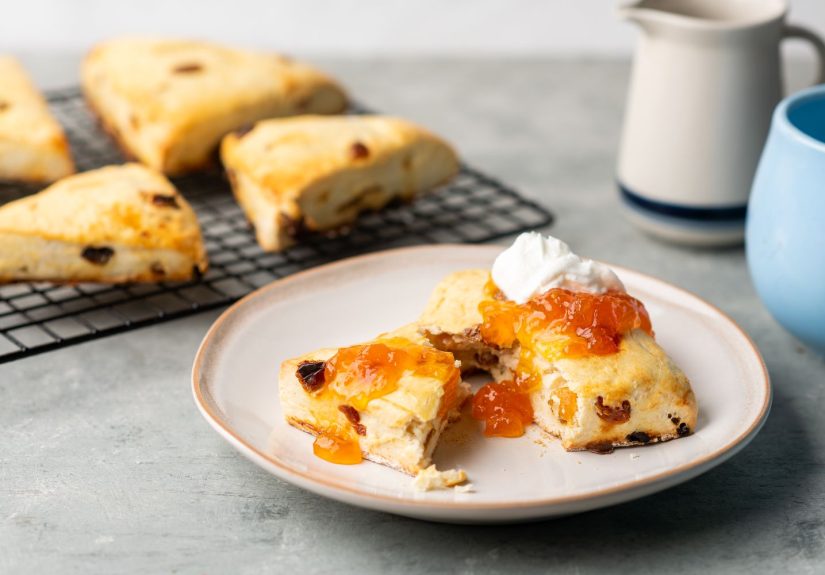
The result is an easy fruit scone recipe you can make on a weekday morning or serve at brunch
like you casually own a pastry case and a ring light.
Why This Fruit Scone Recipe Works
1) Cold butter creates flaky layers
Scones need little pockets of fat in the dough. As the scones bake, those pockets melt and release steam,
creating a flaky texture and crisp edges. If butter softens too early, those pockets disappear and your
scones can turn dense. That’s why this recipe uses frozen grated butter.
2) Gentle mixing prevents tough scones
The moment flour meets liquid, gluten starts developing. A little structure is good. Too much and your scones
get chewy instead of tender. We mix until shaggy, then fold just enough to bring the dough together.
Think “coax,” not “knead like bread.”
3) A short chill before baking improves height
Chilling shaped scones for 15–20 minutes helps keep butter cold and relaxes the dough.
That means better rise, cleaner edges, and less spread.
4) Fruit strategy matters
Fresh fruit can add moisture fast; dried fruit adds sweetness without extra water. You’ll get the best texture
if you either (a) use mostly dried fruit, or (b) use fresh/frozen berries but keep pieces small, cold, and dry.
This recipe supports both approaches.
Easy and Delicious Fruit Scone Recipe (Base Formula)
Yield: 8 large wedges (or 10 smaller scones)
Total time: 40–50 minutes (including chill)
Ingredients
- 2 1/2 cups (300 g) all-purpose flour
- 1/3 cup (67 g) granulated sugar
- 1 tablespoon baking powder
- 1/2 teaspoon fine salt
- 8 tablespoons (113 g) unsalted butter, frozen and grated
- 3/4 to 1 cup fruit (see options below)
- 1 teaspoon finely grated lemon or orange zest (optional but recommended)
- 2/3 cup (160 ml) cold heavy cream, plus 1 tablespoon for brushing tops
- 1 large cold egg
- 1 teaspoon vanilla extract
- 1–2 tablespoons coarse sugar (for topping)
Fruit Options (Pick One)
- Classic dried fruit: 1 cup raisins, currants, chopped apricots, or dried cherries
- Berry fresh: 3/4 cup blueberries or raspberries (small, dry, cold)
- Mixed fruit: 1/2 cup dried fruit + 1/2 cup blueberries
- Tropical: 1/2 cup dried pineapple + 1/2 cup dried mango, finely chopped
Step-by-Step Instructions
Step 1: Prep
- Heat oven to 400°F (204°C).
- Line a baking sheet with parchment paper.
- Freeze butter for 10–15 minutes if it’s not already very cold, then grate it on a box grater.
Step 2: Combine dry ingredients
In a large bowl, whisk together flour, sugar, baking powder, and salt.
Add citrus zest if using.
Step 3: Add butter and fruit
Toss grated butter into the dry mix until every shred is lightly coated with flour.
Add fruit and gently toss. If using juicy fruit, pat dry first and dust with 1 teaspoon flour.
Step 4: Add wet ingredients
In a small bowl, whisk egg, cold cream, and vanilla.
Pour into the flour mixture and stir with a fork or spatula until a shaggy dough forms.
If the dough is powdery, add cream 1 tablespoon at a time.
Step 5: Shape with minimal handling
Turn dough onto a lightly floured surface. Gently press together and fold 2–3 times.
Pat into a 7-inch round, about 1 inch thick.
Cut into 8 wedges.
Step 6: Chill, top, and bake
- Place wedges on tray with space between them.
- Freeze or refrigerate for 15–20 minutes.
- Brush tops with cream and sprinkle coarse sugar.
- Bake 18–22 minutes, until tops are lightly golden and edges are crisp.
Step 7: Cool and serve
Let scones cool for 10 minutes.
Serve warm with butter, jam, lemon curd, cream cheese, or honey.
Optional glaze: whisk 3/4 cup powdered sugar with 1–2 tablespoons citrus juice and drizzle over cooled scones.
Flavor Variations You Should Absolutely Try
1) Blueberry Lemon Scones
Use 3/4 cup blueberries + lemon zest + lemon glaze.
Bright, bakery-style, and dangerously snackable.
2) Apricot Orange Scones
Use 1 cup chopped dried apricots + orange zest.
Add a tiny pinch of cardamom for a warm floral note.
3) Strawberry Vanilla Scones
Use finely chopped strawberries (well blotted) and increase chill time to 25 minutes.
Great with vanilla glaze.
4) Mixed Berry Scones
Use frozen berries directly from freezer (do not thaw).
Work quickly to keep colors from bleeding.
5) Apple Cinnamon Scones
Use very small diced apple plus 1/2 teaspoon cinnamon.
Toss apples in flour first.
6) Cranberry-White Chocolate Scones
Use 1/2 cup dried cranberries + 1/2 cup white chocolate chips.
Ideal for holiday baking.
7) Peach Ginger Scones
Use diced firm peach (patted dry) + 1/4 teaspoon ground ginger.
A summer favorite with iced tea.
Troubleshooting: How to Fix Common Scone Problems
Why are my scones dry?
- Too much flour (spoon-and-level, don’t scoop-packed cups)
- Too little cream
- Overbaked by a few minutes
Fix: Add extra cream by tablespoons to shaggy dough. Pull scones once edges are just golden.
Why didn’t they rise?
- Old baking powder
- Warm butter melted before baking
- Dough overworked
Fix: Use fresh leavening, keep ingredients cold, and chill shaped dough before baking.
Why did fruit sink or leak?
- Fruit pieces too large or too wet
- Dough too soft
Fix: Pat fruit dry, chop small, lightly dust with flour, and keep dough cold.
Why are my scones flat and spread out?
- Butter got warm
- Too much liquid
- No chill step
Fix: Freeze wedges for 15–20 minutes, then bake immediately in a fully preheated oven.
Food Safety and Ingredient Freshness (Quick But Important)
Since this is a fruit scone recipe, produce prep matters:
rinse fruit under running water, avoid soap, dry thoroughly, and keep fresh fruit away from raw meat prep areas.
Also, check baking powder freshness. Weak leavening is one of the sneakiest reasons scones fail.
Make-Ahead, Storage, and Freezing Tips
Make-ahead dough
You can shape the dough the night before, cover, and refrigerate.
Bake in the morning for that “just opened a bakery” vibe without waking up at 4:30 a.m.
Freeze unbaked scones
Cut into wedges, freeze on a tray until firm, then wrap airtight.
Bake from frozen; add 2–4 minutes to bake time.
For best flavor and texture, use within about 2 months.
Store baked scones
- Room temperature (airtight): up to 2 days
- Refrigerator: up to 4 days (texture may firm up)
- Freezer (well wrapped): up to 2 months
Rewarm in a 300°F oven for 6–8 minutes to revive texture.
Microwaving works, but you’ll lose some crisp edges.
Serving Ideas for Brunch, Snacks, and Dessert
- Breakfast: Fruit scones + Greek yogurt + coffee
- Brunch board: Scones, jams, whipped butter, honey, and citrus segments
- Afternoon tea: Scones with clotted-style cream and berry preserves
- Dessert: Warm scone split open, topped with vanilla ice cream and fruit compote
Conclusion
A truly easy and delicious fruit scone recipe isn’t about complicated technique.
It’s about smart details: cold ingredients, light handling, proper fruit prep, and a short pre-bake chill.
Master those, and you’ll get buttery, flaky, bakery-style scones on repeatwithout pastry school,
a stand mixer army, or dramatic kitchen monologues.
Start with the base recipe, pick your favorite fruit combination, and bake one batch this week.
If they disappear in under 20 minutes, congratulations: your kitchen has officially become the neighborhood “test bakery.”
Experience Notes from Home Bakers: What Actually Happens in Real Kitchens (Extended ~)
The most useful part of baking isn’t always the printed recipeit’s the little adjustments people make when real life shows up.
Across home-baker feedback and kitchen testing patterns, fruit scones follow a very predictable arc.
Batch one is usually “pretty good.” Batch two is where confidence appears. Batch three is where people start texting photos to friends
with suspiciously casual captions like, “Oh this? Just something quick.”
A common first experience goes like this: the baker mixes too long because shaggy dough looks messy and emotionally unsettling.
They keep stirring to chase smoothness, then wonder why the scones come out tight and bready.
Once they switch to minimal mixingstopping while the dough still looks imperfectthe texture changes immediately.
The center turns tender and layered, and the edges get that light crumble people expect from a good bakery scone.
This is usually the “aha” moment.
Fruit choice is the second big learning curve. Dried fruit batches are almost always consistent:
predictable sweetness, easy dough handling, and good rise. Fresh fruit batches are more dramatic.
Blueberries can burst, strawberries can leak, peaches can over-hydrate the dough. The best bakers adapt quickly:
they chop fruit smaller, blot moisture with paper towels, toss pieces in a little flour, and keep everything cold.
Suddenly the same recipe behaves better with the same ingredients.
Temperature management is another repeated pattern. People who skip the chill step often report spread-out scones
that look more like fruit cookies wearing triangle costumes. People who chill shaped dough for 15–20 minutes
tend to get taller, cleaner wedges. In warm kitchens, this difference is huge.
One baker described it perfectly: “I started treating scones like pie crust cousins, not muffin batter, and everything improved.”
Then there’s the make-ahead revelation. Many bakers discover that freezing unbaked wedges is not just convenientit’s strategic.
Instead of baking eight at once and racing staleness, they bake two or four as needed.
Weekend breakfast becomes a low-effort luxury: preheat oven, brush tops with cream, add sugar, bake, and pretend this level of planning was intentional.
This habit turns scones from “special occasion baking project” into “normal Tuesday happiness.”
Flavor experimentation follows naturally once technique is stable. People start with blueberry lemon, then drift into
apricot orange, cranberry white chocolate, apple cinnamon, or seasonal combinations.
The core formula still works because they’ve learned the structure:
keep fat cold, keep dough gentle, and keep moisture balanced.
That’s why this style of baking is so rewardingyou can be creative without gambling the texture every time.
The final shared experience is simple: confidence. Home bakers who once felt intimidated by pastries often find scones
to be the gateway win. They’re fast, flexible, and forgiving enough to teach good habits.
A slightly uneven shape still tastes amazing. A cracked top still looks rustic and intentional.
And even imperfect fruit scones usually disappear quickly, which is the most honest review system any recipe can have.
If you’re starting today, expect improvement within two batches. Keep notes on fruit type, chill time, and bake minutes.
Your version of this homemade fruit scone recipe will soon feel personal, reliable, and
very difficult to stop making.