Table of Contents >> Show >> Hide
- What Is Lo Mein (and Why It’s So Good)?
- Easy Beef Lo Mein Ingredients
- Easy Beef Lo Mein Recipe (Serves 4)
- Step-by-Step Instructions
- Pro Tips for Takeout-Style Beef Lo Mein
- Easy Variations (Because Life Is Chaotic)
- Troubleshooting (a.k.a. “Why Are My Noodles Angry?”)
- Make-Ahead, Storage, and Reheating
- Serving Ideas
- Conclusion
- Kitchen Experiences (500+ Words): The Real-Life Moments That Make Lo Mein “Stick”
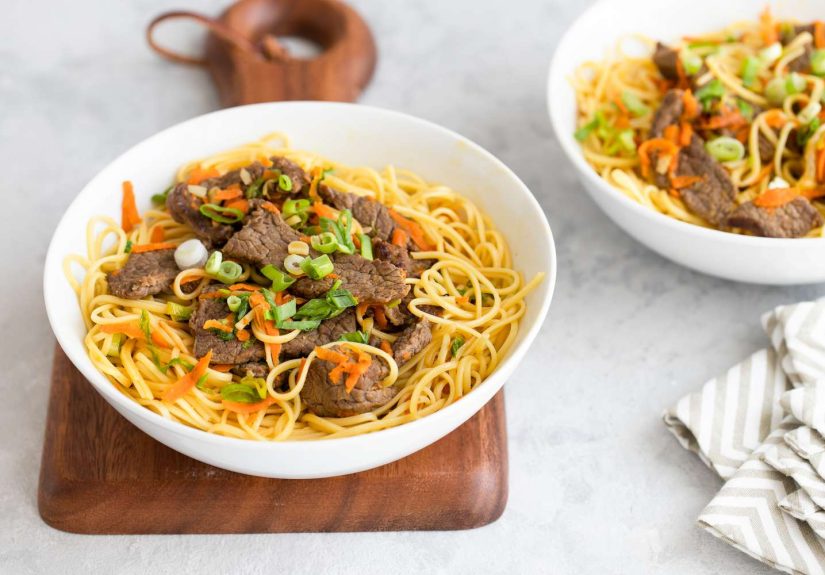
If you’ve ever opened a takeout container of beef lo mein and thought, “I could absolutely make this at home,”
congratulationsyou are correct. The trick isn’t secret restaurant magic. It’s a few smart moves: cook the noodles
properly, keep things dry (yes, noodles can be dramatic), and hit the pan in the right order so everything tastes bold,
glossy, and deeply savory.
This easy beef lo mein recipe is weeknight-friendly, flexible with vegetables, and built around a sauce
that clings to noodles instead of puddling sadly at the bottom. It also includes an optional “velveting” step to make
the beef tender like your favorite American Chinese restaurantwithout requiring a culinary degree or a smoke alarm
pep talk.
What Is Lo Mein (and Why It’s So Good)?
Lo mein is a Chinese-style noodle dish where wheat-and-egg noodles are cooked, drained, and then quickly tossed in a hot
wok or skillet with meat, vegetables, and a savory sauce. The goal is bouncy noodles coated in flavornot soup, not
sticky paste, and not a noodle brick that could be used as a doorstop.
People often mix up lo mein and chow mein. The simplest way to remember it: lo mein is tossed (soft, saucy,
glossy), while chow mein leans more fried/crisp depending on the style. Either way, your kitchen wins.
Easy Beef Lo Mein Ingredients
Best Noodles for Beef Lo Mein
Traditional lo mein uses thick-ish wheat-and-egg noodles. Fresh lo mein noodles are amazing if you can find them in the
refrigerated section, but dried lo mein, chow mein noodles, or even spaghetti can work in a pinch (and yes, people do
itoften successfully).
Beef Options
For that tender, quick-cooking bite, choose a cut you can slice thinly: flank steak, skirt steak,
sirloin, or top round. The real MVP move is slicing against the grain,
which shortens the muscle fibers so the beef chews nicely instead of fighting back.
Vegetables
Lo mein is basically a delicious “use what you’ve got” situation. A classic mix includes:
- Carrots (matchsticks or thin slices)
- Bell peppers (thin strips)
- Mushrooms (sliced)
- Snow peas or snap peas
- Cabbage (napa or green, shredded)
- Bean sprouts (optional but very takeout-vibes)
- Scallions (a must for freshness)
Easy Beef Lo Mein Recipe (Serves 4)
Time & Tools
- Prep time: 20 minutes
- Cook time: 12–15 minutes
- Total time: ~35 minutes (or ~55 with optional velveting)
- Tools: Wok or large skillet, pot for noodles, tongs, big bowl
Ingredients
For the noodles
- 8–10 oz lo mein noodles (fresh or dried)
- 1 tsp sesame oil (for tossing cooked noodles)
For the beef
- 1 lb flank steak (or sirloin/top round), thinly sliced against the grain
- 1 tbsp low-sodium soy sauce
- 1 tbsp cornstarch
- 1 tbsp neutral oil (canola, avocado, grapeseed)
- 1 tsp Shaoxing wine or dry sherry (optional, but great)
- Optional tenderizing boost: 1/2 tsp baking soda (see “velveting” below)
For the lo mein sauce
- 3 tbsp low-sodium soy sauce
- 2 tbsp oyster sauce
- 1 tbsp hoisin sauce (optional, adds sweetness and depth)
- 1 tbsp water or chicken/beef broth
- 1 tsp toasted sesame oil
- 1–2 tsp honey or brown sugar (adjust to taste)
- 1 tsp rice vinegar (optional, brightens the sauce)
- 1/4 tsp white pepper (or black pepper if that’s what you have)
- 1 tsp cornstarch (helps the sauce cling in a light glaze)
For the stir-fry
- 2 tbsp neutral oil, divided
- 3 cloves garlic, minced
- 1 tbsp fresh ginger, grated or minced
- 2 cups shredded cabbage (napa or green)
- 1 cup carrots, julienned
- 1 cup bell pepper strips
- 1 cup mushrooms, sliced
- 1 cup snow peas/snap peas
- 3–4 scallions, sliced (whites and greens separated if you want to be fancy)
Step-by-Step Instructions
1) Slice the beef like you mean it
Slice the steak thinly against the grain. If the beef feels wiggly and hard to control, pop it in the
freezer for 10–15 minutes firstjust enough to firm it up. (Not enough to turn it into a beef popsicle.)
2) Optional: Velvet the beef (restaurant-style tenderness)
If you want that tender, silky bite, toss the sliced beef with 1/2 tsp baking soda and let it sit
for 15–20 minutes. Rinse quickly under cool water and pat dry. Then proceed with the marinade below.
Why this works: a small amount of baking soda raises the surface pH and helps the meat stay tender during hot,
fast cooking. It’s a classic stir-fry trick that turns “eh” beef into “wait, did you order this?” beef.
3) Marinate the beef (fast, not fussy)
In a bowl, combine beef with soy sauce, cornstarch, neutral oil, and (optional) Shaoxing wine. Toss well and let sit
15–20 minutes while you prep everything else.
4) Mix the sauce now (your future self says thanks)
Whisk all sauce ingredients in a small bowl. Make sure the cornstarch dissolvesno one wants surprise “cornstarch
confetti” in their noodles.
5) Cook the noodles, then dry them properly
Boil noodles just until al dente (usually 3–5 minutes for lo mein-style egg noodles, but follow the
package). Drain well. Rinse briefly under warm water to prevent sticking, then drain again thoroughly.
Toss with 1 tsp sesame oil and spread noodles out in a colander or on a tray for a few minutes. Dry-ish noodles stir-fry
better. Wet noodles steam, and steamed noodles become… let’s call it “sad cafeteria lo mein.”
6) Stir-fry in the right order (speed is the secret ingredient)
Set a wok or large skillet over high heat. When it’s hot, add 1 tbsp neutral oil.
-
Sear the beef: Add beef in a single layer (work in batches if needed). Let it sear 30–45 seconds
before tossing. Cook just until mostly done, then remove to a plate. -
Aromatics time: Add remaining 1 tbsp oil. Add garlic and ginger and stir 15–20 seconds until fragrant.
(If it smells incredible, you’re winning.) -
Vegetables: Add carrots, mushrooms, and bell pepper. Stir-fry 2–3 minutes. Add cabbage and peas and
cook 1–2 minutes more, keeping veggies crisp-tender. - Noodles: Add noodles and toss to combine. Let them heat through and pick up a tiny bit of color.
-
Sauce: Pour sauce around the edges of the pan (it sizzles and wakes up the flavors). Toss for
45–60 seconds until glossy and lightly thickened. -
Finish: Add beef back in, toss, then add scallions. Taste and adjust: a splash of soy for salt, a
drizzle of sesame oil for aroma, or a teaspoon of water/broth if it looks too tight.
Pro Tips for Takeout-Style Beef Lo Mein
Use high heatand don’t overcrowd
If the pan is packed, everything steams. Steam is great for dumplings, less great for stir-fry. Cook beef in batches
if your skillet isn’t huge.
Get the noodle texture right
The best lo mein noodles are springy, not mushy. Slightly undercooking the noodles in the pot is smart because they
finish in the pan.
Oyster sauce is the umami shortcut
If lo mein sauce tastes “flat,” oyster sauce is usually the missing piece. It brings deep savory sweetness and that
classic takeout richness. Vegetarian mushroom “oyster” sauce works too if needed.
Easy Variations (Because Life Is Chaotic)
Spicy beef lo mein
Add 1–2 teaspoons chili garlic sauce, chili crisp, or sriracha to the sauce. Or sprinkle crushed red pepper at the end.
If you like heat, this dish is extremely willing to cooperate.
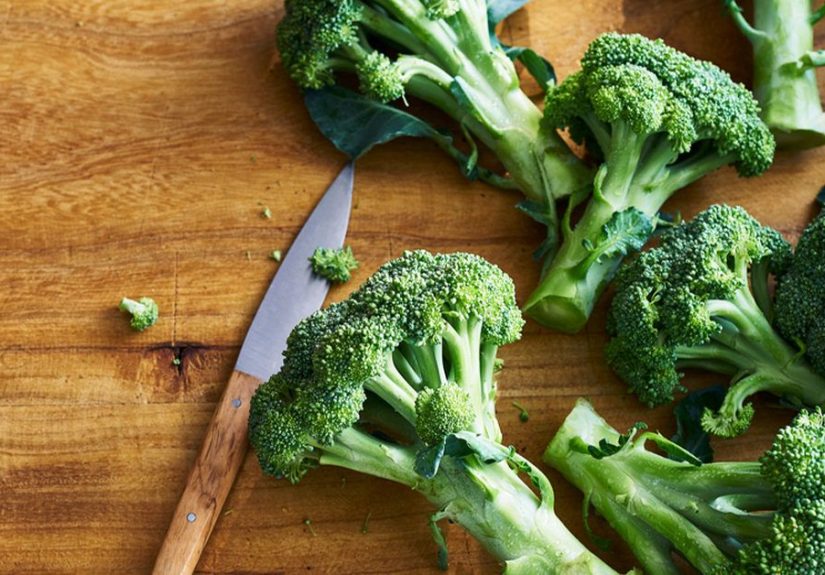
Broccoli beef lo mein
Add 2 cups small broccoli florets. Stir-fry them early with carrots so they have time to soften. If your broccoli is
stubborn, splash in 1–2 tablespoons water and cover for 30 seconds to steam, then uncover and keep stir-frying.
Extra-veg “clean out the fridge” lo mein
Thin-sliced zucchini, shredded kale, baby spinach (add at the very end), corn, or leftover roasted veggies can all work.
The key is keeping pieces thin so they cook quickly and don’t dump water into your noodles.
Gluten-free-ish swaps
Traditional lo mein noodles are wheat-based, but you can still make a similar stir-fry noodle dish using rice noodles.
Use tamari instead of soy sauce and choose a gluten-free oyster-style sauce if needed.
Troubleshooting (a.k.a. “Why Are My Noodles Angry?”)
My lo mein is soggy
- Drain noodles very well and let them steam-dry a few minutes.
- Use high heat and avoid overcrowding the pan.
- Don’t add sauce too earlyadd it near the end so it coats instead of flooding.
My noodles clumped together
- Toss cooked noodles with a little sesame oil.
- Rinse briefly under warm water to loosen before adding to the pan.
- If they still cling, add 1–2 tablespoons hot water/broth while tossing.
The sauce tastes too salty
- Use low-sodium soy sauce to start.
- Add a splash of water/broth or a little extra honey to balance.
- More vegetables and noodles also dilute saltiness naturally.
Make-Ahead, Storage, and Reheating
This beef lo mein is best fresh, but leftovers are still very lovable.
- Make-ahead: Mix sauce up to 3 days ahead. Slice beef and veggies a day ahead.
- Fridge: Store in an airtight container for up to 3–4 days.
- Reheat: Warm in a skillet over medium-high heat with a splash of water or broth, tossing until hot.
Serving Ideas
Beef lo mein is a complete meal on its own, but it also plays well with others. Serve with a crunchy cucumber salad,
steamed dumplings, or a simple side of sautéed greens. Add chili crisp at the table for anyone who believes food should
bite back.
Conclusion
An easy beef lo mein recipe doesn’t need complicated stepsjust good timing. Keep noodles al dente and
well-drained, sear the beef hot and fast, and toss everything with a balanced, umami-rich sauce at the end.
The result: glossy noodles, tender beef, crisp veggies, and the smug satisfaction of realizing takeout is now optional.
Kitchen Experiences (500+ Words): The Real-Life Moments That Make Lo Mein “Stick”
Beef lo mein tends to become a household regular for one big reason: it’s the kind of dinner that meets people where
they are. Busy week? It’s fast. Half a crisper drawer of vegetables staring you down? It’s forgiving. Someone in the
family suddenly announces they “don’t like mushrooms anymore” (a bold late-stage plot twist)? Easyswap them out and
keep moving.
One of the most common home-cook experiences with lo mein is learning that noodles have moods. The first time many
people make it, they treat noodles like pasta: boil, drain, dump into the pan, done. And sometimes it works! But other
times, the noodles cling together like they’re in a group chat called “No Separating Ever.” That’s when the simple
habitsrinsing briefly, draining thoroughly, tossing with a whisper of oil, and letting them steam-drybecome the
difference between “takeout vibes” and “why is my dinner a single large noodle?”
Another classic moment: realizing the pan needs to be hotter than feels reasonable. Stir-fry cooking is quick by design.
When the heat is high and the ingredients are added in the right order, vegetables stay crisp, beef browns instead of
turning gray, and sauce becomes a shiny glaze instead of a watery puddle. Many home cooks describe a turning point the
first time they cook beef in batchessuddenly there’s color, flavor, and that slightly smoky “restaurant” aroma that
makes the kitchen smell like you definitely have your life together.
Lo mein also has a way of becoming interactive. People like customizing their bowls: extra scallions for one person,
chili crisp for another, a squeeze of lime for someone who loves a bright pop (not traditional, but delicious), and
sesame seeds for the crunch enthusiast. It’s not uncommon for lo mein night to turn into a “toppings bar” situation,
which is a very fancy way of saying, “Everyone can stop negotiating and just build what they want.”
Then there’s the “pantry rescue” experience. Maybe you don’t have lo mein noodles. Maybe the store was out. Maybe you
forgot, and now it’s 6:30 p.m. and nobody is calm. That’s when spaghetti, ramen, or other wheat noodles get promoted
from “backup plan” to “hero.” This flexibility is part of what makes beef lo mein such a repeatable recipe: it adapts
to real-life kitchens, not just perfect ones.
Finally, leftovers often become their own mini tradition. Reheated lo mein can be excellent when warmed in a hot skillet
with a splash of water or broth. Some people even toss in a handful of fresh greens at the endspinach wilts quickly,
adds color, and makes leftovers feel brand-new. It’s the kind of practical, tasty experience that turns “I tried a new
recipe once” into “This is in the regular rotation now,” which is the highest compliment a weeknight dinner can receive.