Table of Contents >> Show >> Hide
- First, what are essential oils (and why are they a big deal)?
- Why babies aren’t just “tiny adults” (especially with essential oils)
- The non-negotiable safety rules
- Rule #1: Do not give essential oils by mouth to babies
- Rule #2: Never apply undiluted essential oils on baby skin
- Rule #3: Store oils like you store medicinelocked up, out of sight
- Rule #4: Diffusers aren’t “set it and forget it”
- Rule #5: If your baby has asthma, eczema, allergies, or a history of seizuresbe extra cautious
- Age-by-age guidance: when “no” is the safest answer
- How to use essential oils more safely (if you choose to use them)
- Which essential oils are commonly considered “gentler”and what to avoid
- Common myths (and what’s actually true)
- How to choose products more wisely (because quality is a real issue)
- When to talk to your pediatrician first
- What to do if something goes wrong
- A practical “safer use” checklist
- Bottom line
- Experiences from real life: what parents commonly report (and what they learn)
Essential oils are the glitter of the wellness world: tiny bottles, big promises, and somehow always rolling under the couch the second you set them down.
But when you add a baby to the mixaka a tiny human with brand-new skin, lungs, and a habit of putting everything in their mouththe “natural”
conversation needs a safety upgrade.
This guide breaks down what essential oils are, what the real risks look like for infants, and how to use (or skip) them in ways that don’t turn
bedtime into a call to Poison Control. You’ll get practical examples, common-sense guardrails, and a reality check on marketing claimsbecause “plant-based”
is not the same thing as “baby-proof.”
First, what are essential oils (and why are they a big deal)?
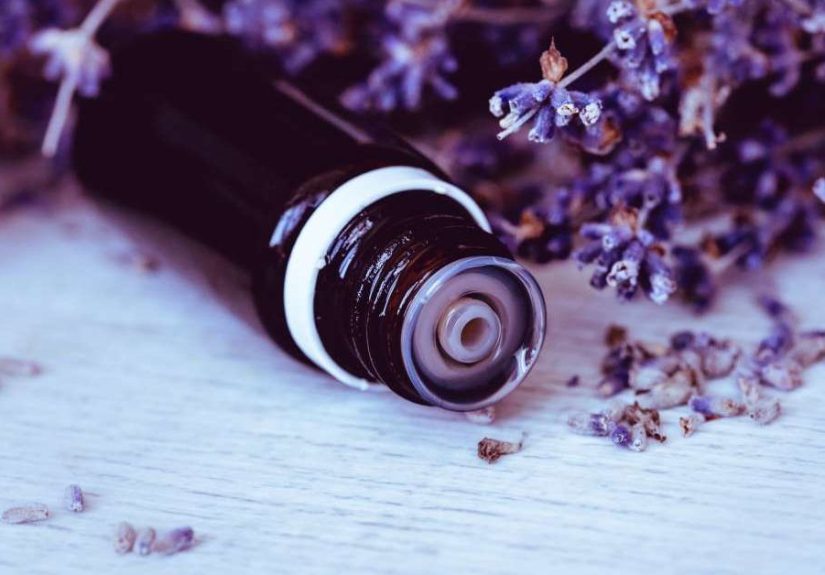
Essential oils are highly concentrated plant extracts. They can smell amazing, and some people use them for relaxation, soothing routines, or a spa-like vibe
at home. The concentration is the key issue: a little bottle can represent a whole lot of plant material, which means the potential for irritation or toxicity
goes up fast when the oil is used the wrong wayor used on the wrong person.
In the U.S., essential oils can show up in cosmetics, personal care products, and “aromatherapy” items. But their presence on a shelf doesn’t automatically
mean they’re safe for babies, or that every claim on a label is backed by strong evidence.
Why babies aren’t just “tiny adults” (especially with essential oils)
1) Baby skin is thinner and more absorbent
Infants have delicate, developing skin. That means anything applied topicallyespecially a concentrated oilcan irritate faster and be absorbed more easily.
If your adult elbow can handle something, your baby’s cheeks and diaper area absolutely do not want to audition for that role.
2) Baby airways are sensitive
Babies breathe faster than adults, and their airways are smaller. Strong scents, airborne droplets, and certain compounds (like menthol-type components)
can irritate breathing or trigger reactions in susceptible kids. “It smells clean” is not a medical metric.
3) Accidental exposure happens quickly
Essential oils are a common reason caregivers call Poison Controloften from accidental swallowing, splashes in the eyes, or skin exposure. The bottles are
small, easy to knock over, and sometimes come with droppers that basically scream, “Try me.”
The non-negotiable safety rules
If you remember nothing else, remember these. Put them on your fridge. Tattoo them on a sticky note. Teach them to your diffuser.
Rule #1: Do not give essential oils by mouth to babies
Ingesting essential oils can cause poisoning. Even small amounts may be dangerous, and the risk is higher for children. If a product suggests internal use
for an infant, treat that as a bright red flag and talk to your pediatrician instead.
Rule #2: Never apply undiluted essential oils on baby skin
“Neat” application (straight oil) is a common cause of irritation and allergic reactions. Babies are more vulnerable, so topical use should be rare,
minimal, and extremely dilutedideally under guidance from a pediatric clinician trained in this area.
Rule #3: Store oils like you store medicinelocked up, out of sight
Essential oils aren’t just “smelly liquids.” Treat them like concentrated chemicals. Keep them in child-resistant storage, not on a nightstand or in a purse
where a curious toddler can go exploring.
Rule #4: Diffusers aren’t “set it and forget it”
If you diffuse, think low and slow: short sessions, good ventilation, and stop immediately if your baby coughs, seems fussy, rubs eyes, or shows any breathing
discomfort. If a baby can’t tell you “that’s too strong,” your job is to assume it might be.
Rule #5: If your baby has asthma, eczema, allergies, or a history of seizuresbe extra cautious
Some essential oils and strong fragrances can worsen respiratory irritation or trigger skin flare-ups. And certain oils (especially those with menthol-like
components) may be riskier for children prone to neurologic reactions. When in doubt, skip it and ask a clinician.
Age-by-age guidance: when “no” is the safest answer
Newborns (0–3 months): generally avoid essential oils
This is the “brand-new human” stage. Their skin barrier and respiratory system are still adjusting, and reactions can be harder to interpret. Most cautious
pediatric guidance leans toward avoiding essential oils in this windowespecially topical use or diffusion in closed rooms.
3–6 months: proceed only with conservative, low-exposure approaches
If you choose to use a scent at all, keep it extremely mild. Many families find that the simplest “sleep support” is actually a routine: dim lights, gentle
rocking, a predictable sequence. The best diffuser setting is often “off.”
6–24 months: still high caution (and more mobility = more accidents)
Babies become grabby, crawly, and impressively fast at getting into trouble. That makes storage safety even more important. If you diffuse, do it briefly,
in a larger space, and never as a substitute for medical care.
How to use essential oils more safely (if you choose to use them)
Option A: Fragrance-free alternatives (often best for babies)
Before you open a bottle, consider whether the goal can be met without oils:
- For sleep: consistent bedtime routine, cool/dark room, white noise, comfortable sleepwear.
- For congestion: saline drops, humidifier (plain water), steamy bathroom for brief comfort, pediatric guidance.
- For fussiness: feeding check, burping, swaddle (if age-appropriate), gentle movement, soothing sounds, clinician advice for colic.
Option B: Inhalation / diffusion (the “least direct” approach)
If you diffuse essential oils around a baby, treat it like adding spice to food: you can always add more, but you can’t un-spice the air.
Safer diffusion habits include:
- Use short sessions (think minutes, not hours).
- Keep the space well ventilated (door open, airflow).
- Place the diffuser far from the crib and never aimed at the baby.
- Stop immediately if you notice coughing, eye rubbing, wheezing, rash, or unusual fussiness.
- Avoid diffusion during sleep if you can’t monitor the baby’s response.
Option C: Topical use (rare, very diluted, and targeted)
For babies, topical essential oil use is where problems often startbecause skin is sensitive and dosing is hard to judge.
If a clinician has okayed it, safer practices include:
- Use only a proper dilution in a carrier oil (never straight oil).
- Do a tiny patch test on a small area first (and wait to see if irritation appears).
- Avoid the face, hands, feet (hands/feet go in mouths; faces are close to eyes and airways).
- Do not use on broken skin, eczema patches, diaper rash, or irritated areas.
Option D: Baths (usually not recommended for babies)
Adding essential oils directly to bathwater is tricky because oil and water don’t mix. That can lead to concentrated droplets touching skin.
For infants, a plain warm bath is typically safer. If you want a “calming” bath, focus on routine and warmth, not fragrance chemistry.
Which essential oils are commonly considered “gentler”and what to avoid
Important: “gentler” does not mean “safe for every baby.” Sensitivities vary, and quality varies. Also, many recommendations online are based more on tradition
than strong pediatric research.
Often discussed as lower-risk in older children (still cautious for babies)
- Lavender: commonly used for relaxation. Can still irritate skin or trigger allergy in some individuals.
- Roman chamomile: often associated with calming routines, but may trigger allergy in sensitive families (especially with ragweed-type allergies).
Oils that are frequently flagged as higher-risk for babies/young children
- Peppermint (menthol-containing oils): may cause breathing irritation and is generally discouraged near infants and young childrenespecially on the face.
- Eucalyptus/camphor-containing products: associated with toxicity concerns if ingested and may irritate airways.
- Wintergreen (methyl salicylate): high-risk toxicity potential.
- Tea tree: can be toxic if swallowed; can also irritate skin.
- Citrus oils (like bergamot, lemon, lime): some can be phototoxic when applied to skin exposed to sun (less relevant for babies, still a caution).
Common myths (and what’s actually true)
Myth: “Natural means safe for babies.”
Poison ivy is natural. So are rattlesnakes. Many plant compounds can irritate skin or cause toxic effects when concentrated.
Essential oils are concentrated plant chemistryso they deserve the same caution you’d use with any potent product.
Myth: “If it helps adults sleep, it’ll help babies sleep.”
Babies sleep differently than adults, and “sleep problems” often have root causes (feeding schedule, reflux symptoms, developmental changes, environment).
A scent might be part of a calming routine for parents, but it’s not a magic switch for infant sleep cycles.
Myth: “A diffuser is safer than medicine, so it’s better.”
Diffusion isn’t automatically saferespecially if it delays appropriate care. If a baby has breathing trouble, fever in a young infant, signs of dehydration,
or persistent symptoms, the right move is medical evaluation, not aromatic optimism.
How to choose products more wisely (because quality is a real issue)
Essential oils vary widely in purity and labeling. Some products contain blends, solvents, or fragrance components that aren’t obvious from the front label.
Also, essential oils are often marketed with health claims that drift into “drug-like” territory without FDA approval.
If you’re determined to buy essential oils anyway, look for brands that:
- Clearly list ingredients (including carrier oils if pre-diluted).
- Provide batch testing information (often called GC/MS testing) and transparent sourcing.
- Do not encourage ingestionespecially for children.
- Offer clear safety warnings and age guidance.
When to talk to your pediatrician first
Ask before using essential oils if your baby:
- Was born premature or has chronic lung/heart conditions
- Has eczema, frequent rashes, or very sensitive skin
- Has asthma-like symptoms or a strong family allergy history
- Has any history of seizures (or strong seizure risk factors)
- Is taking medications or has complex medical needs
What to do if something goes wrong
If oil gets on skin
Gently wash the area with mild soap and water. Remove contaminated clothing. Watch for rash, blistering, or swelling.
If irritation persists or spreads, contact a clinician.
If oil gets in the eyes
Rinse with lukewarm water immediately and continuously. Eye exposures can be very irritating. Seek medical guidance promptly.
If a baby may have swallowed essential oil
Treat it as urgent. Do not “wait and see.” Contact Poison Control right away at 1-800-222-1222 (U.S.) for immediate, expert guidance.
If the baby has trouble breathing, extreme sleepiness, or other severe symptoms, seek emergency care.
A practical “safer use” checklist
- Default choice: skip essential oils for newborns; prioritize fragrance-free routines.
- Never ingest: no essential oils by mouth for babies.
- Never undiluted on skin: avoid “neat” use entirely.
- Diffuse briefly: short sessions, ventilated space, away from crib.
- Avoid higher-risk oils: peppermint/menthol, wintergreen, camphor/eucalyptus products, tea tree.
- Store locked: treat oils like medicine.
- Stop fast: cough, wheeze, rash, eye irritation, or fussiness = discontinue.
- Don’t replace medical care: oils don’t diagnose or treat illness.
Bottom line
Essential oils may have a place in adult relaxation routines, but babies are a special category: more sensitive skin, smaller airways, and higher risk from
accidental exposure. If you choose to use essential oils in a home with a baby, keep it conservativeminimal, well-ventilated, and never directly on baby skin
without professional guidance. When in doubt, skip the oil and lean on the safest classic: fresh air, a calm routine, and a pediatrician who doesn’t charge
extra for common sense.
Experiences from real life: what parents commonly report (and what they learn)
Families often come to essential oils looking for one of three things: better sleep, calmer evenings, or relief from those “why are you upset, you were happy
12 seconds ago” moments. And honestly, a soothing bedtime routine can feel like a superpowerespecially at 2:00 a.m. when you’ve already sung the same lullaby
enough times to deserve a Grammy.
One common experience: parents try a diffuser for “sleep support,” but discover the baby doesn’t care about lavender as much as they care about predictability.
The family ends up keeping the scent part very mild and focusing on the routine: bath, pajamas, dim lights, feeding, then a short story. The scent becomes more of
a cue for the adults (“Okay, it’s bedtime now”) than a direct sleep tool for the infant.
Another frequent scenario: a caregiver uses a “decongesting” oil blend because the baby sounds stuffy. After a few minutes, the baby coughs or seems irritated.
What parents often learn here is that strong scents can bother small airwaysespecially when a baby is already congested. Many families pivot to safer comfort
measures: saline drops, a cool-mist humidifier with plain water, and a quick pediatric check-in if symptoms escalate.
Skin stories show up a lot, too. A parent might dab a new “natural rub” on a baby’s chest or feet and notice redness later. The takeaway tends to be:
baby skin reacts fast, and “natural” doesn’t prevent contact irritation. Parents who keep using fragrance products usually switch to pre-diluted, baby-specific
items with clear ingredients, and they test tiny amounts first. They also learn to avoid the high-risk zones: face (too close to eyes and nose), hands (straight to
mouth), and diaper area (already sensitive).
Then there’s the storage lessonthe one nobody wants, but lots of families earn. A toddler finds a bottle, opens it, and either spills it on skin or takes a sip.
Parents who’ve been through this tend to become intense about storage, fast: oils move into a locked cabinet, and “cute little bottle” becomes “household hazard.”
The silver lining is that Poison Control is incredibly helpful, and quick action is a big deal.
Finally, a lot of parents report using essential oils more carefully over timenot because they become “anti-oil,” but because they start treating oils like
concentrated substances that require rules. The calmer households often follow a simple philosophy: if a baby is in the home, use less than you think you need,
use it less often than you feel tempted to, and make sure the baby can get fresh, unscented air. The best “aromatherapy” for infants is usually the gentle kind:
clean laundry, a comfortable room, and a caregiver who isn’t trying to solve everything with a bottle (even a fancy one).