Table of Contents >> Show >> Hide
- Why “Nervous Ina” Is Actually Great News for the Rest of Us
- Ina’s Core Rule: Plan Ahead Like It’s a Gift to Your Future Self
- The Menu Trick That Saves Your Sanity: The “Four-Dish” Strategy
- “Never Try a Brand-New Recipe on Guests” (A Rule That Protects Your Mood)
- Strategic Shortcuts: “Store-Bought Is Fine” When It Helps the Party
- Make a Cooking Schedule So Your Brain Doesn’t Have to Hold Everything
- Set the Scene Early: Table, Music, Lighting, and the “Welcome” Factor
- Delegate Like a Pro (Without Turning Anyone Into Your Dishwasher)
- Choose the Right People, Not the “Right” Menu
- Keep the Night Moving: Buffets, Family Style, and Self-Serve Wins
- Real-Life Hosting: What Ina’s Method Feels Like in Practice ( of “Been There” Energy)
- Conclusion: Calm Hosting Is Built, Not Born
If you’ve ever hosted a dinner party and suddenly forgotten how to boil water, you’re in excellent company.
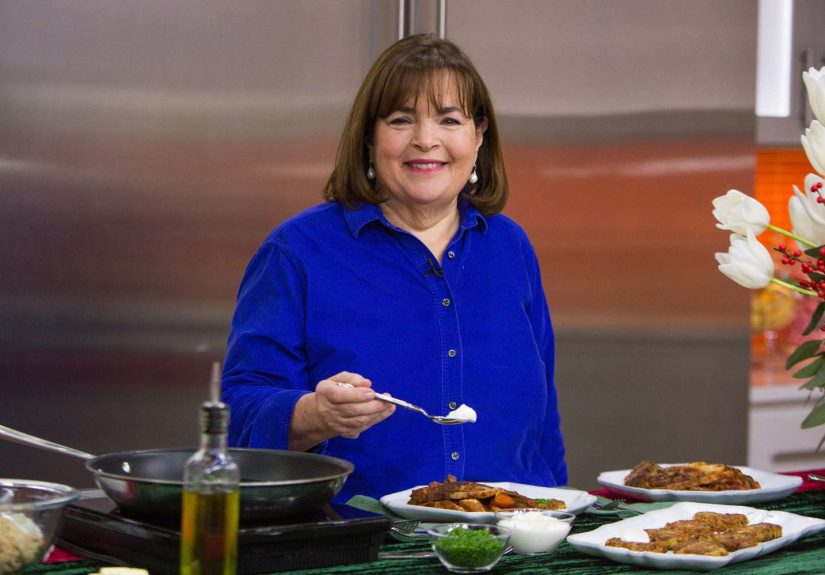
Ina Gartenthe Barefoot Contessa, queen of calm kitchens and “good” ingredientshas admitted that even after decades
of entertaining, she still gets nervous before people come over. (Honestly, relatable. The doorbell can sound like a
jump scare when you’re holding a hot pan and pretending you “meant” to own exactly one clean dish towel.)
The comforting part isn’t that Ina gets nervousit’s how she handles it. She doesn’t power through with sheer will or
attempt a seven-course menu that requires tweezers and a small engineering degree. She plans earlier than you think,
builds a menu that behaves itself, and makes choices that protect her moodbecause a relaxed host is the real secret ingredient.
Here’s how Ina makes hosting feel lighter, calmer, and (dare we say it?) actually fun.
Why “Nervous Ina” Is Actually Great News for the Rest of Us
Ina’s approach to entertaining has always been less about performance and more about hospitality. In interviews and in her writing,
she’s made the point that a dinner party isn’t a test you passit’s an experience you create. That mindset matters because the
fastest route to stress is believing your friends are secretly judging your napkin-folding technique like it’s the Olympics.
When you accept that nerves are normal, you can stop trying to eliminate them and start designing around them.
Ina doesn’t “wing it” and hope for the best; she sets herself up so the day of the party feels manageable. Think of her method as
a soft landing: fewer surprises, fewer last-minute decisions, and way more time actually enjoying your guests.
Ina’s Core Rule: Plan Ahead Like It’s a Gift to Your Future Self
Ina’s biggest stress-reducer is wonderfully unglamorous: she starts early. Not “earlier than the guests” earlylike,
“several days before” early. She’s shared a simple timeline that breaks hosting into small, sane chunks. Instead of trying to do
everything on party day (aka the day your brain mysteriously forgets where the salt lives), she spreads tasks across multiple days.
A practical 4-day dinner party timeline (Ina-style)
Use this as a flexible template. Adjust it for your schedule, your energy, and how aggressively your life refuses to be predictable.
| When | What to do | Why it helps |
|---|---|---|
| 4 days before | Pick the menu, write a categorized shopping list, draft a cooking schedule | Decision fatigue disappears before it starts |
| 3 days before | Shop for nonperishables and any pantry gaps; confirm serving platters/ice/wine | No “surprise” grocery run on party day |
| 1–2 days before | Set the table; pull out serving pieces; prep make-ahead dishes and components | Your house quietly becomes “ready” while you stay calm |
| Day of | Buy perishables; do only the final cooking steps; tidy strategically | You’re not trapped in the kitchen at 6:58 p.m. |
Notice how this plan does something sneaky and brilliant: it turns hosting into a series of small wins.
By the time guests arrive, you’ve already done most of the workso your nervous system isn’t trying to run a full
Broadway production with five minutes of rehearsal.
The Menu Trick That Saves Your Sanity: The “Four-Dish” Strategy
One of Ina’s most famous entertaining hacks is a menu framework that prevents kitchen traffic jams.
Instead of picking dishes randomly (which is how you end up with four stovetop items all demanding attention at once),
she builds a four-part menu with different “stress profiles”:
- One make-ahead dish (done entirely before guests arrive)
- One oven-baked dish (mostly hands-off while it cooks)
- One stovetop dish (your only true “live performance” item)
- One room-temperature dish (no reheating panic, no timing drama)
The magic here is that it limits your last-minute juggling. Ideally, when people are walking in and you’re greeting them,
you’re not also stirring three pots while something smokes in the oven and your dog steals the bread. (Not that this has ever happened to anyone. Ever.)
Example menu that follows the four-dish rule (simple, elegant, forgiving)
- Make-ahead: A no-fuss dessert like panna cotta, fruit crisp, or brownies made the day before
- Oven-baked: Roast chicken pieces, salmon, or a sheet-pan vegetable-and-sausage roast
- Stovetop: A quick pasta (garlic, lemon, herbs) or creamy polenta you can finish in 10 minutes
- Room temp: A big salad, grain salad, or platter of roasted vegetables served warm-ish or cool
This is also a sneaky confidence boost: you’ll look calm because your menu is calm. Your food can still be delicious and impressive,
but it won’t require you to become a short-order cook in your own home.
“Never Try a Brand-New Recipe on Guests” (A Rule That Protects Your Mood)
Ina has been firm about this: dinner parties are not the time for culinary experimentation. Hosting already adds pressure,
so why stack risk on top of it? Make what you know. Make what you’ve practiced. Make what you could cook while answering a text.
That doesn’t mean boring foodit means reliable food.
If you love trying new recipes, test-drive them on a random Tuesday first. Then, when guests come over, you’re running a
“greatest hits” playlistnot debuting an experimental album that may or may not involve a smoke alarm solo.
Strategic Shortcuts: “Store-Bought Is Fine” When It Helps the Party
Ina’s famous phrase “store-bought is fine” is basically a permission slip for modern life. It doesn’t mean “give up.”
It means choose what matters and outsource what doesn’t.
Smart things to buy so you can focus on the fun
- Dessert: Great ice cream, bakery cookies, or a beautiful store pie dressed up with whipped cream
- Appetizers: Olives, good cheese, crackers, nuts, and a dip that looks like you tried (even if you didn’t)
- Bread: A warm loaf from a bakery beats homemade rolls made at 1 a.m.
- Condiments: Quality mustard, mayo, jam, or chutney can instantly elevate a simple menu
If buying one component means you can greet guests with both eyebrows intact and a smile that isn’t haunted, that’s a win.
And if you’re worried someone will “find out,” remember: nobody arrives at dinner thinking, “Tonight I will unmask the tart crust.”
They arrive hungry, happy, and hoping you’ll let them have seconds.
Make a Cooking Schedule So Your Brain Doesn’t Have to Hold Everything
Ina’s planning isn’t just “write a menu.” She’s big on a detailed cooking schedulewhat gets done when, in what order,
and what can sit without suffering. This is less about being intense and more about freeing your attention.
A mini schedule template you can steal
- 2:00 p.m. Set out platters, serving spoons, and drink glasses
- 3:00 p.m. Prep salad (greens washed, toppings ready), keep dressing separate
- 4:00 p.m. Put oven dish in (or finish any make-ahead items)
- 5:30 p.m. Start stovetop dish mise en place (chop, measure, pre-cook components)
- 6:15 p.m. Guests arrive: pour a drink, light candles, play music
- 6:40 p.m. Finish stovetop dish
- 6:55 p.m. Plate/serve, toss salad, take a breath
The point is not perfection. The point is that you’re no longer making 47 decisions while your friends stand nearby asking,
“Can I help?” and you reply, “No, it’s fine,” with the energy of someone starring in a disaster movie.
Set the Scene Early: Table, Music, Lighting, and the “Welcome” Factor
Stress isn’t only about cookingit’s about the feeling that your home isn’t ready. Ina often emphasizes setting the scene:
good music when people arrive, a welcoming table, and simple touches that make guests feel cared for.
You don’t need a showroom. You need warmth.
Low-effort details that make the whole night feel elevated
- Music: Pick a playlist ahead of time so you’re not DJ-ing mid-sauté
- Lighting: Softer light makes everything look more intentional (including you)
- Centerpiece: A bowl of citrus or a few small vases reads “charming,” not “wedding budget”
- Water and wine ready: Guests feel instantly settled when drinks are easy to access
Setting the table the day before is a particularly underrated power move. It’s like waking up to a future version of your home
that already believes in you.
Delegate Like a Pro (Without Turning Anyone Into Your Dishwasher)
Ina’s hosting philosophy includes asking people to helpbecause it makes the party feel like a team effort.
The trick is to delegate the right tasks. Think: social, light, and easy.
Good “guest jobs” that don’t feel like chores
- Pour wine or refill water
- Carry a platter to the table
- Take coats or show people where to put bags
- Clear plates between courses (if you’re serving courses)
If you hate asking for help, reframe it: you’re giving people a role. Most guests like feeling usefuland it keeps you from disappearing
into the kitchen like a culinary groundhog.
Choose the Right People, Not the “Right” Menu
One more reason Ina’s advice lands so well: she remembers that the best parties aren’t about flawless food.
They’re about the room. The conversation. The feeling that everyone belongs there.
A stress-free dinner party often starts with the guest list. Invite people who are kind, flexible, and fun together.
If you’re trying to seat two people who have unresolved tension and one person who only eats beige foods,
your menu will not be the main problem. Your seating chart will.
A simple guest-list reality check
- Will these people enjoy each other?
- Will someone feel left out?
- Is there at least one “connector” guest who helps conversation flow?
- Do you actually want to host these humansor do you feel obligated?
“Less stressful” sometimes means “less complicated,” and that includes social dynamics. You’re not producing a gala.
You’re feeding people you like.
Keep the Night Moving: Buffets, Family Style, and Self-Serve Wins
Serving style can make or break your stress level. Ina often favors approaches that reduce fusslike setting up food on a sideboard
or serving family-style so you’re not plating like a restaurant on a Saturday night.
Pick a serving style that matches your energy
- Buffet/sideboard: Great for bigger groups, keeps the table uncluttered
- Family-style: Cozy, communal, fewer trips back and forth
- Plated: Beautiful, but best when the menu is very simple
Remember: the goal is to stay present. If a serving style steals your joy, it’s not the right serving style.
Real-Life Hosting: What Ina’s Method Feels Like in Practice ( of “Been There” Energy)
Here’s the part nobody tells you about hosting: stress often isn’t caused by the big stuff. It’s the tiny, relentless questions
that pile up“What time should the chicken go in?” “Do I have enough ice?” “Where did I put the corkscrew?”until your brain is
running 38 tabs and one of them is blasting elevator music.
Ina’s planning method changes the emotional texture of the day. Instead of waking up on party day with that “I have made a mistake”
feeling, you wake up to a house that already looks like it’s expecting company. The table is set. The serving platter is out.
The menu is not a mystery. Suddenly, hosting feels less like a sprint and more like a calm walk where you occasionally wave at neighbors
and definitely do not trip over your own shoelaces.
The four-dish strategy is where you notice the biggest difference. In a typical panic menu, everything finishes at oncemeaning you’re
frantically flipping, stirring, seasoning, and timing while guests politely hover and ask if you need help. In an Ina-style menu,
the oven dish is doing its slow, confident thing. The make-ahead dessert is already chilling like it has zero anxiety.
The room-temperature salad is waiting patiently, not demanding to be reheated at the exact moment you’re trying to greet someone at the door.
That leaves one “live” itemusually the stovetop dishand suddenly you’re not doing kitchen gymnastics.
There’s also a quiet confidence boost in choosing familiar recipes. When you stop treating guests like judges and start treating them like
friends, the whole night loosens up. You’re not auditioning. You’re feeding people. That shift makes it easier to laugh when something goes
slightly off-scriptbecause it will. Someone will arrive early. Someone will forget to mention they don’t eat garlic. A utensil will vanish.
That’s not failure; that’s Tuesday in a universe run by chaos gremlins.
And then there’s the magic of strategic shortcuts. Buying dessert (or a component) isn’t “cheating”it’s choosing where to spend your energy.
When you’re not exhausted, you can actually enjoy the parts of hosting that matter: the first sip of a drink when the door closes behind the
last arrival, the way people lean in when conversation gets good, the small moment when someone says, “This is exactly what I needed.”
Ina’s approach doesn’t remove effort; it removes unnecessary effort. It’s a plan that protects your moodso your guests feel it, too.
The best part? Once you host this way once or twice, you build a personal “hosting muscle.” You start keeping a short list of go-to menus.
You know which dishes behave, which playlist sets the mood, and how early you need to shop so you’re not buying lemons at the last second like
they’re concert tickets. Hosting becomes less scary because you’ve proven to yourself that you can do it without suffering.
That’s the Ina lesson under all the Ina tips: make it doable, make it warm, and make it fun.
Conclusion: Calm Hosting Is Built, Not Born
Ina Garten’s most reassuring message is that nerves don’t disqualify you from hostingthey just mean you care.
Her solution isn’t perfection; it’s structure. Plan the menu days ahead, choose a four-dish mix that prevents kitchen chaos,
lean into make-ahead and “set-and-forget” foods, set the scene early, and give yourself permission to shortcut what doesn’t matter.
When the host is relaxed, the whole room relaxes. And that’s the kind of dinner party people rememberlong after the last crumb disappears.