Table of Contents >> Show >> Hide
- Before You Shop: 3 Quick Decisions That Save You Money
- The New Dog Shopping List: Essentials (Buy These First)
- Nice-to-Have Items (Buy After Week One)
- First Week Setup: A Simple Plan That Prevents Chaos
- The Money-Saving Guide: How to Buy Smart at PetSmart
- 1) Join Treats Rewards before you buy anything
- 2) Use the Price Match Guarantee (the polite, legal way to feel like a coupon wizard)
- 3) Build a “starter cart” and stick to it
- 4) Know the return policy so you can buy with confidence
- 5) Use convenient fulfillment options to avoid “emergency runs”
- 6) Don’t forget services (sometimes the best savings is avoiding mistakes)
- Sample Budgets: What It Might Cost to Get Started
- Safety and Health Must-Dos (Not Optional, Sorry)
- Conclusion: One Store, One Plan, One Happy Dog
- My Real-World PetSmart “New Dog” Experience (So You Can Avoid My Mistakes)
Bringing home a new dog is equal parts “best day ever” and “why is my living room suddenly a chewable buffet?”
The good news: you don’t need to visit twelve stores, three websites, and your neighbor’s garage sale to get ready.
With a smart plan (and a tiny bit of self-control in the toy aisle), you can find the essentials at PetSmart and keep
your budget from doing a dramatic fainting spell.
This guide covers what to buy, what to skip (for now), how to set up your home, and how to save money using PetSmart’s
rewards, price match, and return policiesplus a real-world, “I learned this the hard way” experience section at the end.
Before You Shop: 3 Quick Decisions That Save You Money
1) Are you bringing home a puppy or an adult dog?
Puppies usually need more house-training help, smaller portions, and extra-chewy “please don’t eat my furniture” options.
Adult dogs may already have preferences (beds, toys, even bowl height) and might do better with calmer enrichment at first.
2) What’s your dog’s size and “chew personality”?
A 10-pound lap dog and a 70-pound power chewer should not share the same toy strategy. Size affects everythingcrate dimensions,
leash strength, bed durability, and even how fast you’ll go through treats.
3) What’s your first-week lifestyle?
If you’ll be out of the house, budget for a crate/playpen setup and boredom-busters. If you work from home, plan for a gate or
“safe zone” so your dog can settle without becoming your new manager.
The New Dog Shopping List: Essentials (Buy These First)
Think of this as your “welcome-home toolkit.” It’s not fancyit’s functional. You can always upgrade later once you know your dog’s quirks.
Food and feeding supplies
- Age-appropriate dog food (puppy vs. adult), plus a small bag at first if you’re unsure what your dog tolerates.
- Two sturdy bowls (food + water). Stainless steel and ceramic are popular because they’re easy to clean.
- Measuring scoop to keep portions consistent (and avoid “my dog is mysteriously gaining winter weight in July”).
- Training treats you can break into tiny piecestraining works best when you can reward often without overfeeding.
Collar, harness, leash, and ID
- Flat collar with ID tag (your phone number is the real VIP here).
- Harness for walking (especially helpful for dogs who pull or have delicate necks).
- 6-foot leash for daily walks (skip retractables at first; they’re basically “chaos on a spool” for new routines).
- Waste bags and a dispenser. You will use these. Constantly. Forever.
Safe home base: crate, bed, and gates
- Crate sized so your dog can stand up, turn around, and lie down comfortably.
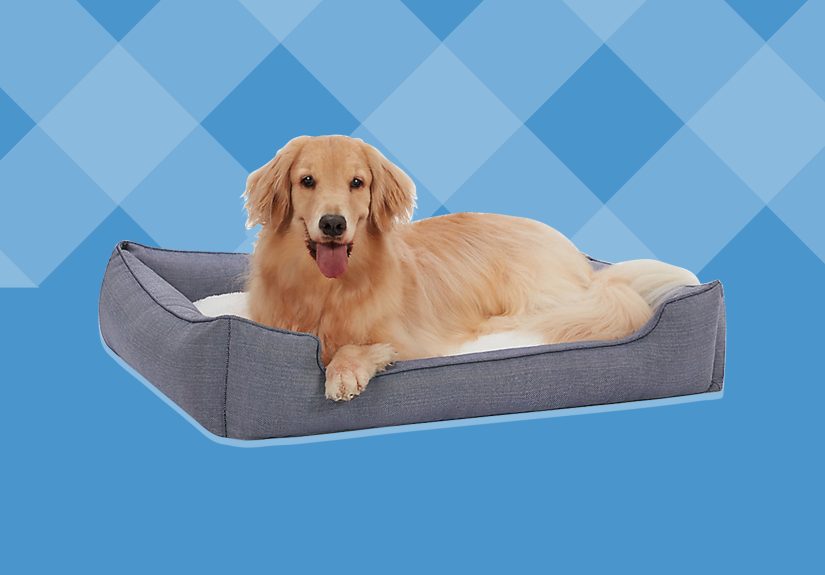
- Bed or crate pad (start with something washable and not too expensive until you know if your dog is a “nest builder” or a “fabric shredder”).
- Baby gate or playpen to create a calm area and prevent “surprise remodeling” of your home.
A crate isn’t a punishment; used correctly, it’s a safe space and a management toolespecially for house-training and preventing unsafe chewing.
The goal is comfort and calm, not confinement drama.
Training basics
- Clicker (optional) if you like marker training.
- Chews that match your dog’s chewing style.
- Enrichment toys (think treat-dispensing or puzzle-style) to keep their brain busy.
Cleaning and “oops” supplies
- Enzymatic cleaner for accidents (regular cleaners can leave scent markers behind).
- Paper towels and a dedicated “dog towel” (you’ll understand on day one).
- Pee pads (optionaluseful for some situations, but not a requirement for every household).
- Lint roller or pet hair tool (because your wardrobe didn’t ask for a new texture).
Grooming essentials
- Brush/comb suited to coat type.
- Dog shampoo (pet-specific only).
- Nail trim plan: either clippers/grinder (if you’re confident) or schedule grooming help.
- Toothbrush and dog toothpaste (start slow; the first time is mostly “taste-testing.”)
Nice-to-Have Items (Buy After Week One)
These are greatjust not urgent. Waiting helps you avoid buying the wrong thing in the “new dog excitement tornado.”
- Fancy beds (wait until you know sleep style: sprawler, curler, burrower, or “I prefer your pillow.”)
- Extra bowls (helpful, but not essential on day one).
- Seasonal gear (booties, coats) unless weather demands it immediately.
- Premium toy hauls (start with a few; your dog will tell you what they love).
- Car seat covers and travel accessories once you’ve done a few rides and learned your dog’s car vibe.
First Week Setup: A Simple Plan That Prevents Chaos
Create a “safe zone” on day one
Set up one area with the crate/bed, water, a chew, and a couple toys. Keep it quiet and predictable. Your dog doesn’t need access to the entire home
immediately. That’s like handing a toddler the keys to a museum.
Schedule a vet visit early
Plan a veterinary appointment soon after adoptionespecially if you didn’t receive clear medical records. This is where you confirm vaccine needs,
parasite prevention, diet guidance, and any “please don’t ignore this” health issues.
Start training with the easiest wins
Focus on basics: name recognition, recall foundations (coming when called), and leash manners. Keep sessions short and upbeat.
If you want support and structure, PetSmart offers positive reinforcement-style training classes in multi-week formats, including puppy and beginner options.
Grooming: make it normal before it’s necessary
Even if your dog won’t need a haircut soon, get them comfortable with handling paws, ears, and brushing now. The best grooming appointment is the one where
nobody is surprised by what “nail trim” means.
The Money-Saving Guide: How to Buy Smart at PetSmart
Yes, you can absolutely walk into PetSmart and spend the equivalent of a small vacation. Or you can use this guide and spend like a responsible adult
who still wants their dog to live like royalty.
1) Join Treats Rewards before you buy anything
Treats Rewards is free and lets you earn points on purchases. Practical moves:
- Complete your profile to snag a points bonus (it’s essentially free savings for doing the boring paperwork).
- Activate offers in the app before checkout. Many savings require activationthink of it as “click to unlock.”
- Redeem points strategically for discounts when you’ve built up enough to matter (instead of cashing out tiny amounts constantly).
2) Use the Price Match Guarantee (the polite, legal way to feel like a coupon wizard)
If you find an identical, in-stock item for less at a qualifying competitor, PetSmart can match it. The keys are “identical,” “in stock,” and “proof.”
Don’t bring a blurry screenshot from a sketchy marketplace listing and expect miracles. Bring a valid ad, receipt, or confirmation and ask an associate.
Example: You’re buying the exact same brand and size of dog food, and a direct-seller competitor has it cheaper on their official website. Price match it,
then you still earn Treats points on your purchase. That’s called “stacking wins,” and it’s a beautiful thing.
3) Build a “starter cart” and stick to it
Impulse buys are the #1 reason new dog budgets go off the rails. Here’s a sane starter cart:
- Food (small bag if transitioning), bowls, collar + ID, harness, leash, waste bags
- Crate or gate setup, washable bed/pad, enzyme cleaner
- 2–3 toys (one chew, one soft, one enrichment), training treats
- Basic brush and dog shampoo
Then stop. Leave. Celebrate. You can always return for “the 19th toy shaped like a baguette” later.
4) Know the return policy so you can buy with confidence
New dog reality: sometimes a bed gets rejected. Sometimes a harness fits like a tiny backpack. Keeping your receipt and packaging for a bit can save you from
being stuck with the wrong gear.
PetSmart generally allows returns with a receipt within a defined window, and there are also options for returns without a receipt (often as store credit at a recent sale amount).
Certain product categories require a valid receipt. Translation: keep receipts for electronics, grooming tools, and flea/tick products, at minimum.
5) Use convenient fulfillment options to avoid “emergency runs”
The most expensive dog purchase is the one you make when you’re stressed, tired, and your dog just discovered that couch cushions contain “bonus confetti.”
PetSmart offers options like pickup and (in many areas) same-day delivery for select itemsuse these to restock essentials without panic-buying extras.
If you regularly buy the same things (food, waste bags, shampoo), autoship-style delivery can reduce last-minute rushes.
6) Don’t forget services (sometimes the best savings is avoiding mistakes)
Training classes can prevent costly problems (destroyed furniture, leash chaos, anxious behaviors that escalate). Grooming services can be a sanity saver if you’re juggling work,
a new routine, and a dog who thinks bath time is a felony. Even occasional daycare can help some dogs burn energy in a structured way.
Sample Budgets: What It Might Cost to Get Started
Your totals depend on your dog’s size, your home setup, and how many plush toys your dog needs to feel emotionally supported (the number is always “more”).
Here are three realistic starting ranges:
| Budget Level | Who It Fits | What You’ll Cover | Typical First-Trip Focus |
|---|---|---|---|
| Lean & Practical | Adult dog, calm temperament | Core essentials only | Food, bowls, collar/ID, leash/harness, bed/pad, cleaner, a few toys |
| Balanced Starter | Puppy or active adult | Essentials + training/enrichment | Add crate/gate, more chews, treat pouch/clicker, grooming basics |
| “Let’s Do It Right” | High-energy dog, busy schedule | Essentials + services planning | Add training class, grooming plan, travel gear, stronger chew options |
Safety and Health Must-Dos (Not Optional, Sorry)
Microchip and ID: your dog’s “return home” plan
Collars and tags are great. Microchips are even better as a backup if a collar slips off. The real secret is registration: a microchip only helps if your contact info is current.
If you adopt a dog that’s already microchipped, ask your shelter/rescue how to transfer ownership and confirm the registry details.
Vaccines and parasite prevention
Puppies typically need a series of vaccinations spaced over time, and your veterinarian will recommend a schedule based on age and lifestyle.
Flea, tick, and heartworm prevention are also “set-it-and-forget-it” basics that can prevent huge medical bills later.
Crate training and home safety
When done thoughtfully, crate training can help with house-training and prevent dangerous chewing when you can’t supervise.
Start with short, positive sessions and build up gradually. Your dog should view the crate as a calm hangout, not puppy jail.
Conclusion: One Store, One Plan, One Happy Dog
You don’t need to overcomplicate bringing a new dog home. Start with essentials, set up a safe zone, schedule the vet visit, and use PetSmart’s savings tools
(Treats Rewards, price matching, and smart returns) to keep costs under control. Your dog won’t judge you for having a basic bed on day onebut they will absolutely
notice if you forget the waste bags on day two.
My Real-World PetSmart “New Dog” Experience (So You Can Avoid My Mistakes)
The day I brought home a new dog (a sweet, slightly suspicious rescue with the facial expression of a tiny philosopher), I thought I was prepared. I had a list.
I had optimism. I had the kind of confidence only a person without a dog in their car can possess.
Then we walked into PetSmart, and my list instantly tried to evolve into a full-blown novel. There were twenty types of beds, twelve leash materials, and an entire wall
of toys that made me question whether my dog needed a squeaky taco, a plush dinosaur, or an emotional support lobster. (Reader: none of those would matter if I forgot the basics.)
What actually saved me was building a “starter cart” with zero ego. I grabbed two bowls, a decent bag of food, training treats, waste bags, an enzyme cleaner, and a simple bed
that I wouldn’t cry over if it got shredded. I picked a harness and leash that felt sturdy but comfortable, and I made sure the collar had an ID tag plan before we left the store.
Not glamorous. Extremely effective.
Here’s the part people don’t tell you: the first week is less about buying “the best” and more about buying “the right enough” until you learn your dog.
My dog turned out to be a power chewer with a talent for finding the one corner of a toy that can be destroyed in 90 seconds. So my first plush purchase was basically a donation
to the Great Stuffing Explosion of 2025. Next trip, I pivoted to tougher chew options and treat-dispensing toys that actually bought me time to answer an email.
Money-wise, joining Treats Rewards before checkout was an easy win. The app nudged me to activate offers (which felt like clipping coupons, but with fewer paper cuts),
and completing the profile for bonus points was one of those rare life moments where “filling out a form” actually paid off.
I also learned to keep receipts in a dedicated folder because sizing issues are real: one harness fit like a couture outfit; another fit like a badly packed parachute.
Being able to swap without stress kept me from buying duplicates “just in case.”
The biggest lesson? Don’t try to buy your way into being a perfect dog parent on day one. Buy the essentials, keep your home safe, and invest in routines.
If you want to spend extra money somewhere, spend it on things that reduce problems: a crate setup that prevents dangerous chewing, training support that improves communication,
and hygiene tools that make grooming and cleanup manageable. Your dog doesn’t need a designer wardrobe in week one. They need consistency, comfort, and a person who remembered
the waste bags. (Seriously. Put them in your car, your coat pocket, and your soul.)