Table of Contents >> Show >> Hide
- What “Bedding from The Standard” Actually Means
- The Standard Sheet Set: The “Hotel Bed” Shortcut
- Fiber vs. Weave: The Secret Most Bedding Labels Don’t Explain Well
- Why Hotels Love White Sheets (and Why You Probably Will Too)
- The “Standard-Style” Bed Formula (It’s Not Just the Sheets)
- How to Choose Sheets Like a New York Boutique Hotel Would
- Caring for Luxe Linens Without Destroying Them
- How to Recreate “The Standard Bed” at Home: A Practical Blueprint
- Quick FAQ
- Conclusion
- Bonus: of Experience (What This Bedding Style Feels Like in Real Life)
New York City doesn’t really “sleep.” It power-naps, answers three emails, eats a bagel, then debates whether it’s too late for a rooftop cocktail. So when a NYC hotel bed earns a reputation for being genuinely, sneakily comfortable, that’s not just hospitalityit’s a minor miracle.
The Standard’s New York properties (think High Line views and East Village energy) lean into that “cool without trying too hard” vibe. And part of the magic is simple: the fabrics and linens. Not the flashy kind that demand applausemore like the kind that make you wake up and think, Wait… did I just get eight hours?
What “Bedding from The Standard” Actually Means
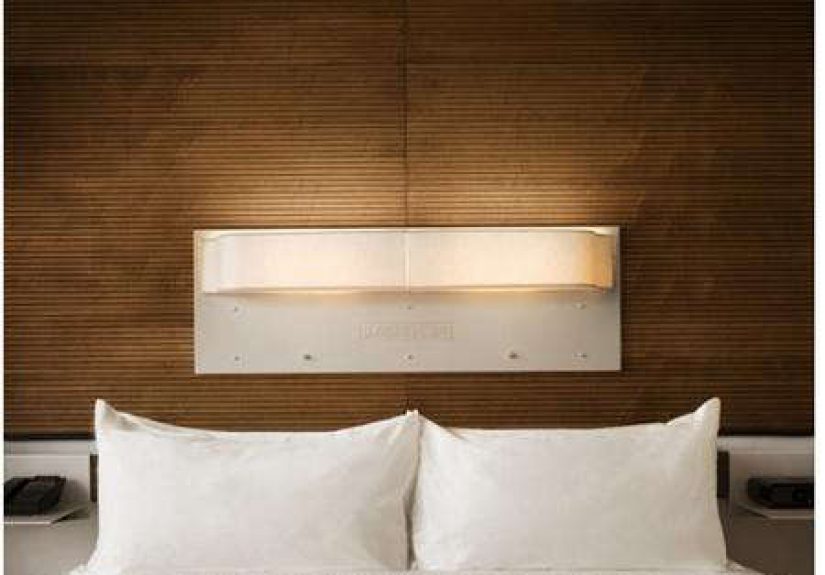
When people say “hotel bedding,” they usually mean that crisp, clean, quietly luxurious sleep setup: smooth sheets, breathable layers, and pillows that feel like they were engineered by a committee of soft clouds. The Standard’s take is consistent with what boutique hotels prioritizematerials that feel great on skin, hold up to frequent laundering, and look sharp even after a long week of guests who definitely ate fries in bed (no judgment; fries are innocent).
The most concrete clue is right out in the open: The Standard sells a sheet set that’s described as the same kind found on their bedsso you’re not guessing based on vibes alone.
The Standard Sheet Set: The “Hotel Bed” Shortcut
The Standard Sheet Set is positioned as an at-home version of the hotel experience: Italian sheets made from 100% combed cotton in a 300 thread count sateen, in classic white. In other words: smooth, slightly drapey, and designed to feel polished without feeling stiff.
Why those specs matter
- 100% cotton = a natural fiber that’s breathable and generally comfortable year-round.
- Combed cotton = cotton that’s been refined so shorter fibers are removed, leaving a smoother, more uniform yarn (often linked to less fuzz and a cleaner hand-feel).
- 300 thread count = a sweet-spot range for many people: substantial enough to feel luxe, without turning your bed into an overheated burrito.
- Sateen weave = that signature hotel “glide.” Sateen is known for a softer feel and a subtle sheen compared with crisp percale.
Translation: this is bedding meant to feel smooth and elevatedlike the linen equivalent of walking into a lobby that smells faintly expensive.
Fiber vs. Weave: The Secret Most Bedding Labels Don’t Explain Well
To shop or evaluate hotel-style linens, it helps to separate two concepts that get mixed together constantly:
fiber (what it’s made of) and weave (how it’s constructed).
Common bedding fibers (the “what it’s made of”)
- Cotton: The go-to for hotel beddingbreathable, durable, and comfortable. Quality varies a lot depending on staple length and finishing.
- Linen (flax): Airy, textured, temperature-friendly. It can feel “lived-in” at first, then gets softer with washing. Great for warm sleepers and summer months.
- Lyocell/Tencel: Smooth, cool to the touch, and often good for moisture management. Drapes nicelymore “sleek” than “crisp.”
- Bamboo viscose/rayon: Can feel very soft and cooling; quality depends heavily on manufacturing and finishing.
- Polyester/microfiber: Wrinkle-resistant and budget-friendly, but can trap heat and feel less breathable for many sleepers.
Common weaves (the “how it’s woven”)
- Percale: Crisp, matte, airy. Often described as “cool and hotel-like,” especially for people who sleep warm.
- Sateen: Smooth, softer hand-feel, slight sheen, more drape. Often feels warmer than percale (or at least less “breezy”).
- Twill: Heavier and often very durable; less common for classic hotel sheets, more common in duvet covers and certain specialty sets.
The Standard’s sheet set goes the sateen route, which makes sense for a “luxury feel” experience: sateen tends to read as plush, silky, and immediately comfortable.
Why Hotels Love White Sheets (and Why You Probably Will Too)
Hotel beds are usually white for practical reasons: white looks clean, pairs with any decor, and makes it easy to spot stains so linens can be treated or replaced. It also plays nicely with repeated laundering. In other words, white sheets aren’t boring; they’re strategically unbothered.
Want The Standard energy at home? Start with clean white foundations, then add personality on topthrows, pillows, or a duvet cover that doesn’t look like it came free with a cereal box.
The “Standard-Style” Bed Formula (It’s Not Just the Sheets)
Sheets matter, but hotel comfort is usually a system. If you want that boutique-hotel bed feel, think in layers:
1) A smooth base layer
Use a fitted sheet that actually fits (deep pockets matter if you’ve got a thicker mattress). A well-fitted sheet prevents bunching, which is the #1 enemy of “I woke up refreshed.”
2) A breathable middle: the flat sheet debate
Many hotels still use a flat sheet between you and the duvet. It’s not just traditionit keeps the duvet cleaner longer and adds that classic, tucked-in look. If you hate flat sheets, you’re allowed to live your truth. Just know hotels are using it as a cleanliness and comfort layer.
3) The duvet: your bed’s personality jacket
A fluffy duvet insert plus a clean duvet cover is where “nice bed” turns into “wow bed.” Choose the insert warmth based on your climate and whether you run hot.
4) Pillows that match how you actually sleep
The quickest way to ruin great sheets is a pillow that turns your neck into a question mark. Side sleepers often prefer a higher loft; back sleepers usually want medium; stomach sleepers generally do best with something softer and lower. If you want a hotel look, stack multiple pillowsbut keep the one you actually sleep on the correct firmness for you.
How to Choose Sheets Like a New York Boutique Hotel Would
Ignore hype. Focus on comfort, construction, and how you sleep. Here’s a hotel-minded checklist that won’t make you feel like you need a textile engineering degree.
Hotel-minded sheet checklist
- Fiber: 100% cotton (or a premium alternative like linen/lyocell if you know you love it).
- Weave: percale for crisp & airy; sateen for smooth & drapey.
- Thread count: treat it as a range, not a trophy. Around 300 in sateen can feel substantial without being heavy.
- Finishing: look for soft, well-finished fabric that doesn’t feel waxy or overly slick out of the package.
- Fit: deep-pocket fitted sheets if your mattress is taller (especially with toppers).
- Care reality: if you hate fussy laundry, don’t buy sheets that punish you for using the wrong cycle once.
Pick your weave by sleeper personality (because this is America and we classify everything)
- Hot sleeper / summer city apartment: percale tends to feel crisper and more breathable.
- Cold sleeper / winter draft situation: sateen can feel warmer and more “cozy smooth.”
- Sensitive skin: many people love sateen’s smoother surface, but high-quality percale can also be gentleavoid rough finishes either way.
- Wrinkle haters: sateen often looks less rumpled than percale. (Percale can look “casually rumpled,” which is either chic or annoying depending on your personality.)
The Standard’s own set leans into the smooth-and-luxe lane: combed cotton sateen at 300 thread count, in that classic hotel white.
Caring for Luxe Linens Without Destroying Them
Hotels launder linens aggressively because they have to. At home, you can be gentler and still keep sheets freshmeaning your bedding lasts longer and feels better over time.
Simple care rules that protect your investment
- Wash regularly: Weekly is a common best practice for sheets and pillowcases, especially if you sweat, use heavy skincare, or share your bed with a pet who believes it pays rent.
- Use the right temperature: Warm water often cleans well for everyday use. Save hot washes for when you truly need them (illness, allergens, etc.), and always follow the care label.
- Go easy on detergent: Too much detergent can leave residue, making sheets feel less breathable and more “meh.”
- Avoid fabric softener for cotton: It can coat fibers over time and reduce absorbency and breathability.
- Be cautious with bleach: It can weaken cotton fibers; if you’re whitening, consider gentler approaches first and don’t overdo it.
- Dry on low to medium: High heat can wear fibers and increase shrinkage. Pull sheets out promptly to reduce wrinkles.
Keeping sateen looking “hotel smooth”
Sateen’s softness comes with one small request: treat it nicely. Wash sheets separately from towels and items with zippers (they can snag). If you want that subtle sheen to last, avoid harsh cycles and high heat. Think of it like a good white shirteasy to wear, happier when cared for properly.
How to Recreate “The Standard Bed” at Home: A Practical Blueprint
- Start with the sheets. If you want the closest shortcut, choose a smooth cotton sateen set around the 300 range (like The Standard’s combed-cotton sateen set).
- Add pillow strategy. Use two sleeping pillows you actually like, then add extra pillows for that hotel stack.
- Choose a duvet insert that matches your climate. NYC winters? Consider a warmer insert. Summer + apartment radiator that thinks it’s a bonfire? Go lighter.
- Use a duvet cover that feels good. Cotton percale for crispness, sateen for smoothness, linen for airy texture.
- Finish with one “style layer.” A throw blanket or a textured coverlet makes the bed look designed (and hides the fact you didn’t iron anything, because you are a normal person).
Quick FAQ
Is 300 thread count actually “luxury”?
It can beespecially when paired with good cotton and a sateen weave. Thread count is only one part of the story; fiber quality and weave often matter more than an inflated number.
Why do these sheets feel so smooth?
Sateen’s weave structure creates a smoother surface, and combed cotton typically has fewer short fibers, which can contribute to a cleaner feel.
Should I choose percale instead?
If you sleep hot or love a crisp feel, percale might be your best friend. If you want smooth and drapey, sateen is the lane The Standard leans into.
Conclusion
“Bedding from The Standard in New York” isn’t about mystical hotel secretsit’s about smart material choices and a well-layered bed. The Standard’s own sheet set points to the formula: combed cotton + 300 thread count + sateen weave in clean, classic white. That combination tends to deliver immediate softness, an upscale look, and the kind of comfort that makes you consider canceling brunch (temporarily).
If you want the full effect, treat the sheets as your foundation, then build the hotel system around them: supportive pillows, a duvet that matches your temperature needs, and care habits that keep everything fresh without beating your linens into early retirement. New York will still be loud. Your bed doesn’t have to be.
Bonus: of Experience (What This Bedding Style Feels Like in Real Life)
People often describe boutique-hotel bedding in emotional terms“like a hug,” “like a cloud,” “like I accidentally became a well-rested adult.” The truth is less magical and more tactile: it’s about how fabric behaves the moment you slide into bed after a long day.
Imagine coming in from a New York eveningmaybe it’s winter and your cheeks are doing that “windburn chic” thing, or maybe it’s summer and the subway has convinced you that humidity is a personal attack. You wash your face, you promise yourself you’ll drink more water tomorrow, and then you pull back the covers. The first thing you notice with a smooth cotton sateen set is the glide: the sheets don’t feel papery or rough. They feel like they’ve already decided to cooperate with your life.
That’s one reason sateen is such a common “luxury feel” choice. It has a softness that reads as immediate comfortespecially if you’re the kind of person who wants your bed to feel welcoming right away, not after ten washes and a pep talk. Combed cotton adds to that impression because the fabric tends to feel more uniform and less fuzzy. It’s not that other cotton is “bad”; it’s that combed cotton often feels more finishedlike the difference between a new tee and your favorite broken-in tee, except you don’t have to wait two years to get there.
There’s also the “look” experience, which matters more than people admit. White sateen sheets have a subtle sheen that catches light in a clean, calm way. In a New York apartment where light might be limited to a single brave window and the glow of your neighbor’s TV, that sheen can make the bed look instantly more polished. It’s a quiet kind of upgradeless “look at my bedding” and more “my room looks like it has a plan.”
The practical experience shows up a week later, in the laundry. Hotel-style bedding is only fun if it survives real life: skincare residue, coffee mishaps, and the occasional “I will definitely fold this later” pile. The best part about sticking to a sensible thread count and a durable fiber is that the sheets still feel good after regular washing. Keep the water temperature reasonable, don’t drown them in detergent, and avoid mixing them with towel lint and zipper chaos, and you get that steady payoff: the bed looks fresh, feels smooth, and doesn’t turn into a high-maintenance hobby.
Ultimately, the most “Standard in New York” part of the experience might be this: it’s comfort without ceremony. No fussy patterns, no precious instructions that make you afraid to sleep. Just a clean, good-feeling bed that helps you recover from the city’s constant volumeand wake up ready to do it again.