Table of Contents >> Show >> Hide
- What Are Feist Forest Tables, Exactly?
- Why Americans Are Into a UK Worktable
- The Feist Forest “Work Table” Concept: Built for Making, Not Just Matching
- How to Choose the Right Size and Setup
- Finishes 101: What Protects a Worktable Without Killing the Wood?
- Buying Feist Forest Tables from the UK: What U.S. Shoppers Should Know
- How to Style a Feist Forest Table Without Making It Feel Like a Museum Exhibit
- Real-World Use Cases: Where These Tables Shine
- Are Feist Forest Tables Worth It?
- Experiences & Stories: Living With a Feist Forest–Style UK Worktable (Extra 500+ Words)
If you’ve ever stared at your wobbly “temporary” desk (that you bought five years ago) and thought,
I deserve a table with a backbone, welcome. Feist Forest tables are the kind of British-made worktables that feel
like they should come with a tiny passport stamp and a pep talk: make something great here.
They’re famously simple, built from British ash, and designed around the idea that a table isn’t just furniture
it’s where projects happen, plans get messy, and snacks mysteriously disappear.
In this guide, we’ll break down what makes Feist Forest tables special, why American buyers keep bookmarking them,
how to think about sizing and finishes like a pro, and what it’s like living with a “maker’s table” that’s built to last.
No fluff, no copy-paste, no robotic templatesjust the good stuff, with a little grin along the way.
What Are Feist Forest Tables, Exactly?
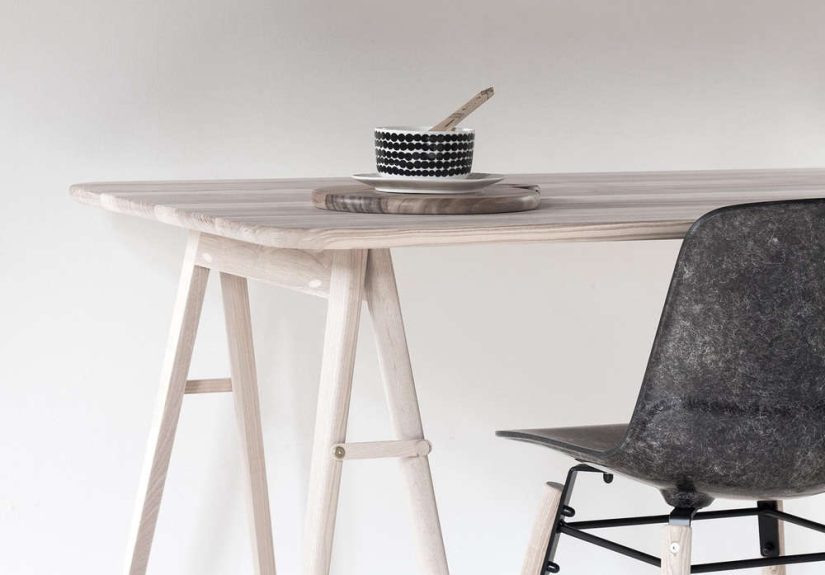
Feist Forest is a UK-based collective of makers known for handcrafted wooden worktablesparticularly designs like
The Samara and The Ashling. They’ve been featured in design and home outlets because the concept is
wonderfully un-fussy: a sturdy ash tabletop, clean lines, thoughtfully engineered legs, and a vibe that says
“yes, you can absolutely turn your kitchen into a studio for the afternoon.”
The origin story is very British in the best way: a small workshop setting (famously described as an old tin tabernacle
in Devon, England), a focus on craft, and a belief that good furniture should be made with intentionnot churned out
like disposable décor. Their tagline gets quoted a lot because it’s genuinely charming: tables for “vagabonds, dreamers,
and makers.” Which, honestly, is most of us on a Sunday.
Why Americans Are Into a UK Worktable
1) The “minimal, not boring” design sweet spot
The Feist Forest look sits in that rare zone where simplicity feels deliberate, not empty. It’s not trying to be the loudest
piece in the room. It’s trying to be the most dependable. That matters in American homes where one table may need to be:
a desk Monday–Friday, a craft station Saturday, and a dinner table when your friend says, “We’re bringing plus-ones!”
2) Ash wood brings strength and character
Ash is well-loved in furniture making because it’s strong, shock-resistant, and visually livelyoften with a straight,
readable grain. It doesn’t whisper; it speaks clearly. In design terms, ash can feel “warm-modern”: bright enough for airy
interiors, textured enough to keep a space from feeling sterile. If you’ve been hunting for a solid wood table that won’t
look tired after two seasons of real life, ash is a serious contender.
3) Craftsmanship that shows up in the unglamorous places
The best tables aren’t proven by how they look on launch day. They’re proven by how they behave when you lean, type,
sand, sketch, clamp, tape, spill coffee, or drag a heavy sewing machine across the top (don’t worryyou’re among friends).
A well-built worktable is quiet confidence: strong joinery, stable legs, and a surface that can age with dignity.
The Feist Forest “Work Table” Concept: Built for Making, Not Just Matching
Plenty of tables are designed to “go with” a room. Feist Forest tables are designed to do something.
That’s a different philosophyand it changes how you should shop.
- Function first: The proportions and stance are made to feel stable while you work.
- Patina-friendly: A maker’s table is allowed to earn a few honest markslike laugh lines, but for furniture.
- Emotion matters: It’s not just a slab on legs; it’s a gathering point for ideas, conversations, and progress.
If you’re in the U.S. and used to “desk” meaning a fragile rectangle with a cable hole and emotional baggage,
the Feist Forest approach can feel refreshing: a table that expects you to use it.
How to Choose the Right Size and Setup
Measure for real life, not fantasy life
Start with the truth: what will you actually do at this table? Writing? Drawing? Laptop + monitor? Pottery tools? A
home-office setup with enough gear to launch a small satellite? Your answers dictate width, depth, and leg clearance.
A practical American rule of thumb:
go deeper than you think if you’ll do any serious “spread-out” work. Depth is the difference between feeling
focused and feeling like you’re constantly playing Tetris with your elbows.
Standard vs. custom sizing
Many boutique makers offer standard sizes plus custom options. If you’re importing or commissioning from abroad,
custom can be worth it when you’re fitting a narrow studio, a bay window nook, or a shared workspace where two people
need to coexist peacefully (and by peacefully, I mean without passive-aggressive chair scooting).
Think about edges, corners, and “traffic”
If the table will sit in a walkway (hello, apartment life), consider how sharp edges feel when you pass by. If kids will be
orbiting the table at high speed, corners matter. If you’ll be rolling an office chair, leg placement matters.
Finishes 101: What Protects a Worktable Without Killing the Wood?
Here’s the reality: every finish is a trade-off between protection, repairability, and the look/feel you want.
You don’t need to be a finishing wizardyou just need to pick the kind of “maintenance relationship” you’re willing to have.
Option A: Hard film finishes (lacquer, varnish, polyurethane)
These create a protective layer on top of the wood. They’re great for resisting day-to-day wear, especially for dining and
heavy-use surfaces. The upside: strong protection. The downside: when damage happens, repairs can require sanding and refinishing larger areas to blend.
Option B: Penetrating finishes (hardwax oils and oils)
These soak into the wood and tend to be easier to refresh in small spots. They can look more natural and feel less “plastic.”
The trade-off is that they may require periodic maintenance, especially if your table doubles as a cutting board,
a chemistry lab, or a landing pad for sweating iced coffees.
Care basics that keep wood tables looking sharp
- Dust gently (dust is abrasiveyes, your table can be scratched by the air’s tiny crumbs).
- Wipe spills fast and don’t let water sit like it pays rent.
- Use trivets/coasters for heat and moisture unless you’re actively trying to create “rustic memories.”
- Avoid harsh cleaners that strip finishes or cloud the surface.
Buying Feist Forest Tables from the UK: What U.S. Shoppers Should Know
1) Shipping and logistics
Solid wood tables are not lightweight, and international shipping isn’t a cute little add-onit’s a line item with opinions.
Get clear details on packaging, freight vs. courier options, delivery method (curbside vs. room of choice), and whether the
legs ship assembled or flat-packed. Your future self will thank youpossibly with tears of joy instead of sweat.
2) Customs and import considerations
Imported furniture may require customs paperwork and could involve duties or fees depending on how it’s classified and shipped.
It’s wise to factor in brokerage fees, port delays, and the practical truth that “two-week shipping” sometimes means
“two weeks plus a little character-building.”
3) Wood packaging rules (yes, even the crate matters)
International shipments often use wood packaging materials like pallets or crates. Those materials typically need to meet
phytosanitary standards (commonly known in shipping as ISPM 15 compliance). Most reputable shippers know this,
but it’s still worth confirmingbecause nobody wants their dream table held hostage by a pallet problem.
4) Confirm the species and sourcing story
Feist Forest tables are associated with British ash sourcing, often described as homegrown ash. When you’re buying a piece
specifically because you value material provenance, ask for the details: species, region, and any sustainability credentials.
Responsible sourcing isn’t just good ethicsit’s a quality signal in solid wood furniture.
How to Style a Feist Forest Table Without Making It Feel Like a Museum Exhibit
A maker’s table looks best when it’s lived-in. The goal isn’t sterile perfectionit’s “functional beauty.”
Here are a few American-home-friendly styling moves that keep it warm and practical:
Pair it with contrasting textures
Ash wood plays well with linen, wool, leather, matte ceramics, and blackened metal. If your home is heavy on white walls and
smooth finishes, the grain becomes your visual anchor.
Use lighting that respects the surface
A good task lamp makes the table feel purposeful. A pendant overhead can make it feel communal. Either way, lighting that
shows the wood grain (without blasting it like an interrogation) is a win.
Let a few tools (or books) stay out
A sketchbook, a favorite pen cup, a small tray for cablestiny “work signals” make the table feel like it belongs to you,
not a catalog.
Real-World Use Cases: Where These Tables Shine
The home office that doubles as a creative studio
If you want a workspace that doesn’t scream “corporate,” a handmade ash table can make your home office feel calm and human.
Add a comfortable chair and a monitor stand, and you’ve got a setup that looks intentional on video calls without looking staged.
The kitchen as headquarters
In many American homes, the kitchen table is command central: homework, bills, meal prep, board games, birthday cards,
and “I’ll just set this here for a second” piles. A sturdy worktable earns its keep fast in this role.
Workshops and maker corners
For light-to-moderate makingcrafting, leatherwork, sewing, model-buildinga stable wooden table is a daily pleasure.
If you’re doing heavy-duty power-tool work, you might still want a dedicated workbench, but a strong worktable bridges
the gap beautifully.
Are Feist Forest Tables Worth It?
“Worth it” depends on what you value. If you want the cheapest surface that can hold a laptop, you can find that in about
12 seconds online. If you want a table that feels like a long-term companionsolid wood, thoughtful craft, and a design
that doesn’t expire when trends changethen Feist Forest sits in a compelling category.
The hidden value is emotional: a good table changes how you work. It invites you to spread out, settle in, and return to your
projects more often. You can’t always measure that on a spec sheet, but you can feel it on a Tuesday night when you sit down
and think, Okay… let’s make something.
Experiences & Stories: Living With a Feist Forest–Style UK Worktable (Extra 500+ Words)
Let’s talk about the part nobody puts in the product listing: what it’s actually like to live with a “maker’s table”
inspired by the Feist Forest spirit. Not the staged photo version with one perfect notebook and a single artisanal pencil
the real version, where life happens at full volume.
First, there’s the arrival moment. When a solid wood table lands in your homeespecially one built with that
purposeful, no-nonsense attitudeyou suddenly realize how many “tables” you’ve owned that were basically polite suggestions.
A Feist Forest–style table doesn’t suggest. It declares. It stands there like it has a job to do and would like you
to please stop putting it off.
Then comes the first scratch, which is an emotional rite of passage. If you’re coming from flimsy furniture,
you may expect to panic. But something funny happens with a table designed for making: the first mark often feels…
appropriate. Not because you’re careless, but because the table is finally being used the way it was meant to be used.
It’s the difference between scuffing brand-new white sneakers (tragic) and putting a nick on a well-loved tool (honest).
Many people describe a shift in how they organize their day around a table like this. A sturdy wooden worktable becomes
a landing zone for intentions. You set out the sketchpad because it feels good to leave it there. You keep a
small tray for cables because the table deserves better than tangled chaos. You stop working from the couch as much because,
suddenly, there’s a place that makes working feel… real. Comfortable, but real.
There’s also the social side. A well-built table has a way of pulling people in. Friends sit longer. Kids spread out their
projects without being told “careful, it’ll break.” Someone inevitably runs their hand along the grain and says something like,
“This feels nice.” And they mean it in that way people mean it when they’ve been around too much disposable stuff.
A solid ash top has presence. It’s warm. It’s grounded. It absorbs noise and adds calm, even when the room is busy.
Practical experience tip: if you’re using the table as both desk and dining surface, you’ll quickly learn the joy of
micro-zones. One corner becomes the “always ready” workspacepen cup, notebook, charger. Another becomes the
“food is allowed here” zonecoasters, placemat, maybe a small runner. This isn’t about being precious; it’s about making the
table serve multiple roles without feeling like your life is permanently mid-transition.
Over time, the table develops what people romantically call a patina and what your less-romantic cousin might call
“evidence.” But here’s the thing: the evidence becomes a story. The tiny ding from assembling a model airplane. The faint mark
from wrapping gifts at midnight. The slightly darker spot where you always set your coffee, because you are a creature of habit
and you will not be shamed for it. Instead of looking worse, a good maker’s table often looks more yours.
Finally, there’s the long-game satisfaction: you stop shopping for “the next table.” You stop browsing “desk ideas” at 1 a.m.
because you already have a surface that works. A Feist Forest table isn’t trying to be everything, but it’s trying to be
enoughenough stability, enough beauty, enough characterto earn a permanent place in your home.