Table of Contents >> Show >> Hide
- What is a food allergy, really?
- Common food allergy symptoms
- What foods most often cause allergies?
- What causes food allergies?
- How are food allergies diagnosed?
- Food allergy treatments and management
- Living with food allergies: practical tips
- When should you see a doctor or allergist?
- Real-life experiences: what living with food allergies really looks like
- Bottom line
Picture this: you’re happily eating a perfectly innocent-looking cookie, and five minutes later your lips are tingling, hives are popping up like unwanted polka dots, and your stomach is filing a formal complaint. That’s not “the cookie didn’t vibe with me.” That might be a food allergyand it’s your immune system dramatically overreacting to something that should be harmless.
Food allergies can range from mildly annoying to life-threatening emergencies. In the United States, they affect millions of people, including about 8% of children and 2–3% of adults, and they seem to be getting more common.
In this guide, we’ll break down food allergy symptoms, treatments, and causes in plain English, with plenty of examples and practical tipsso you can tell the difference between a sensitive stomach and an immune system that’s ready to flip a table.
What is a food allergy, really?
A food allergy happens when your immune system mistakes a particular food (usually a protein in the food) for a dangerous invader. It then launches an attack, releasing chemicals like histamine that cause symptoms in your skin, gut, lungs, or cardiovascular system.
There are two main types:
- IgE-mediated food allergies: These involve immunoglobulin E (IgE) antibodies and tend to cause fast reactionsoften within minutes to two hours after eating. They’re the ones that can lead to anaphylaxis.
- Non-IgE–mediated allergies: These involve other parts of the immune system and usually cause slower, mostly digestive symptoms (like vomiting, diarrhea, or poor growth in infants). They can be harder to diagnose.
Food allergy vs. food intolerance
Food intolerance (like lactose intolerance) often gets lumped in with allergies, but it’s a different beast. An intolerance usually:
- Involves the digestive system, not the immune system
- Causes symptoms like gas, bloating, or cramps
- Does not cause anaphylaxis or life-threatening reactions
With a true food allergy, even a small amount of the offending food can trigger a reaction, and in some people, that reaction can escalate quickly.
Common food allergy symptoms
Symptoms can vary from person to person and even from reaction to reaction. One day it’s just a rash; another day it’s full-body chaos. Common food allergy symptoms include:
Mild to moderate symptoms
- Tingling or itching in the mouth
- Hives (itchy red bumps), flushing, or eczema flare
- Swelling of lips, tongue, face, or eyelids
- Stuffy or runny nose, sneezing
- Mild coughing, scratchy throat
- Stomach cramps, nausea, vomiting, or diarrhea
These symptoms can appear within minutes to a couple of hours after eating the food. Even if they seem mild, they’re your early-warning system and shouldn’t be ignored.
Severe symptoms: anaphylaxis
Anaphylaxis is a serious, life-threatening allergic reaction that can affect multiple body systems at once. It’s a medical emergency. Symptoms can include:
- Difficulty breathing, wheezing, or tightness in the chest
- Swelling in the throat, tongue, or trouble swallowing
- Feeling faint, weak, or dizzy
- Rapid or weak pulse
- Sudden drop in blood pressure
- Confusion, collapse, or loss of consciousness
Anaphylaxis usually develops quickly after exposure to the allergen. Emergency treatment with epinephrine (adrenaline) and calling emergency services is critical.
What foods most often cause allergies?
Technically, almost any food can cause an allergy. But most reactions are caused by a small group of usual suspects. In the U.S., nine major allergens are responsible for the majority of reactions:
- Milk
- Eggs
- Peanuts
- Tree nuts (such as walnuts, almonds, cashews)
- Wheat
- Soy
- Fish
- Shellfish
- Sesame
Children often react to milk, egg, wheat, or soyand many eventually outgrow these. In contrast, allergies to peanuts, tree nuts, fish, and shellfish are more likely to stick around into adulthood.
What causes food allergies?
The short answer: we don’t fully know why some people develop food allergies and others can eat peanut butter straight from the jar without drama. But research has highlighted several contributing factors.
Genetics and family history
If allergies run in your familyfood allergies, eczema, asthma, or hay feveryou’re at higher risk. That doesn’t mean you’re guaranteed to become allergic to shrimp or peanuts, but your immune system might be more prone to overreact.
The immune system’s overreaction
In IgE-mediated allergies, the body produces specific IgE antibodies to a food protein. The next time you eat that food, these antibodies trigger immune cells to release histamine and other chemicalsleading to itching, swelling, stomach upset, and more.
Skin barrier and early life factors
Studies suggest that problems with the skin barrier (for example, in infants with eczema) may allow allergens to enter through the skin, “sensitizing” the immune system before the food is eaten.
Early feeding patterns also matter. Newer guidelines and emerging research suggest that introducing allergenic foods early and regularly (like peanut, egg, and dairy in infancy) may lower the risk of developing allergies in some children, especially those at higher risk.
Environment and lifestyle
The “hygiene hypothesis” suggests that very clean environments and less exposure to microbes early in life may shift how the immune system develops, possibly contributing to allergic diseases. Diet, gut microbiome, pollution, and infections are all being studied as potential contributors.
How are food allergies diagnosed?
Diagnosing a food allergy is a bit like detective work: it takes a careful history, some testing, and sometimes a supervised “food challenge” to get to the truth.
Medical history and symptom diary
A clinician (often an allergist) will ask:
- What foods you ate before the reaction
- How long it took for symptoms to appear
- What symptoms you had and how long they lasted
- Whether the same food has caused problems before
Keeping a detailed food and symptom diary can make this step much easier.
Skin prick tests and blood tests
Skin prick testing involves placing a tiny amount of the suspected allergen on the skin and gently pricking the surface. If a raised, itchy bump appears, it suggests sensitization. Blood tests can measure specific IgE levels to certain foods.
These tests can indicate that your immune system recognizes a food, but they don’t always prove you’ll have symptoms when you eat itso they must be interpreted alongside your history.
Elimination diets and oral food challenges
Sometimes, a doctor may recommend temporarily removing a suspected food from the diet to see if symptoms improve, then reintroducing it under supervision. The oral food challenge, done in a medical setting, is considered the gold standard for diagnosis.
Don’t try elimination dietsespecially with multiple foodsin kids on your own. You can unintentionally create nutritional gaps or unnecessary food restrictions.
Food allergy treatments and management
There’s no magic cure that instantly deletes a food allergy (at least, not yet). But there are effective ways to reduce risk, treat reactions, and improve quality of life.
1. Strict avoidance of allergenic foods
The cornerstone of management is simple in theory but tricky in practice: avoid the food you’re allergic to. That means:
- Reading ingredient labels carefully every time
- Learning the “hidden names” for your allergen (for example, casein or whey for milk)
- Watching out for cross-contact in shared kitchens, restaurants, and buffets
- Talking with school staff, caregivers, and friends about your allergy
Many advocacy groups and medical organizations provide checklists and label-reading guides to help families navigate this.
2. Emergency treatment: epinephrine
For anyone at risk of anaphylaxis, allergists typically prescribe an epinephrine auto-injector. It’s the first-line, life-saving treatment for severe allergic reactions.
Key points usually emphasized by clinicians and allergy organizations:
- Use epinephrine at the first signs of a serious reaction (like breathing trouble or throat tightness).
- Call emergency services after using itsymptoms can return.
- Carry two doses if recommended, since some people need a second injection.
Other medications (like antihistamines or steroids) may help with hives or swelling, but they do not replace epinephrine for anaphylaxis.
3. Long-term therapies: immunotherapy and biologics
Newer treatments aim to raise the threshold at which someone reacts, so accidental exposures are less dangerous.
- Oral immunotherapy (OIT): Patients eat tiny, gradually increasing amounts of the allergenic food under medical guidance. Over time, this can increase tolerance but usually doesn’t mean you can eat unlimited amounts freely.
- FDA-approved peanut oral immunotherapy exists for certain children with peanut allergy, helping reduce the risk of severe reactions from accidental exposure.
- Biologics such as omalizumab (an anti-IgE antibody) have shown promise for people with multiple food allergies, making food challenges and immunotherapy safer and more effective in some studies.
These treatments are not for self-experimentationthey’re specialized, evolving therapies that require an allergist’s supervision.
4. Prevention strategies in children
Old advice used to be “avoid allergenic foods as long as possible.” Newer evidence says the opposite for many infants: early, regular introduction of foods like peanut and egg may lower the risk of allergy in some children, especially when done around 4–6 months with medical guidance.
For babies with severe eczema or a strong family history of allergies, healthcare providers may recommend allergy testing or supervised introduction of certain foods.
Living with food allergies: practical tips
Eating out without constant panic
Restaurants can be landmines if you have food allergies, but it’s possible to eat out more safely:
- Call ahead and ask if they can accommodate your allergy.
- Use clear, simple language: “I have a severe peanut allergy. Even a small amount could make me very sick.”
- Avoid deep-fried foods if the oil may be shared with allergen-containing items.
- Keep your epinephrine nearby and don’t be shy about leaving if you’re not confident in the answers you’re getting.
School, work, and social life
For kids, schools should have an allergy action plan on file, with staff trained on recognizing symptoms and using epinephrine. For adults, it may mean:
- Politely reminding coworkers that “may contain peanuts” is not a cute joke
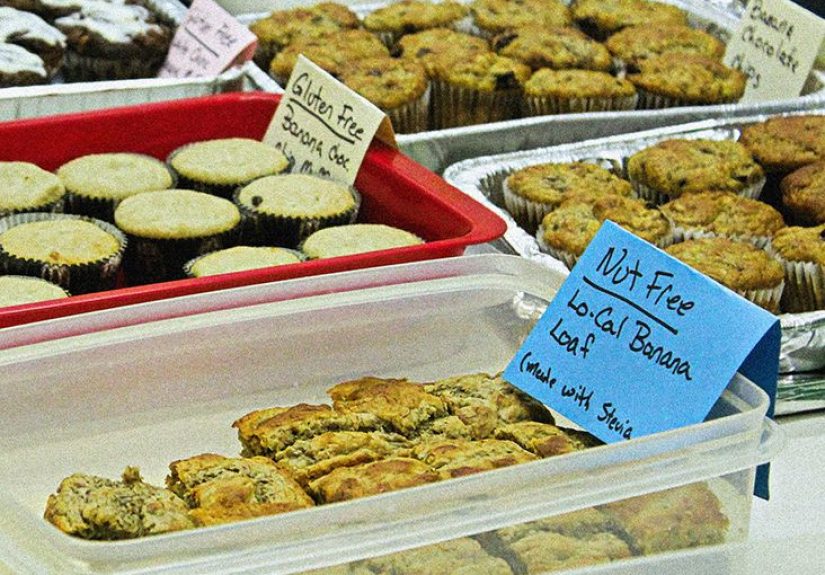
- Bringing safe snacks to events so you’re not stuck with a glass of water for dinner
- Wearing a medical alert bracelet if recommended
Advocacy groups and medical societies emphasize education, communication, and planning as the keys to living well with food allergiesnot just surviving them.
When should you see a doctor or allergist?
It’s a good idea to talk with a healthcare professional if:
- You’ve had hives, swelling, or breathing symptoms after eating a particular food
- Your child has eczema plus possible reactions to foods
- You’re unsure whether your symptoms are allergy or intolerance
- You’re avoiding multiple foods and worried about nutrition
An allergist can help clarify the diagnosis, build an emergency action plan, and discuss whether advanced treatments (like immunotherapy) are appropriate.
Real-life experiences: what living with food allergies really looks like
Reading about food allergies in a textbook is one thing. Living with them is… something else. Here are some experience-based, real-world scenarios and lessons that many people with food allergies report, pulled together from patient stories, advocacy groups, and clinical insight.
The “mystery rash” that wasn’t so mysterious
Imagine a teenager who keeps getting hives after certain takeout meals. At first, the family blames stress, laundry detergent, or “just sensitive skin.” But when someone finally notices the patternfried foods from a restaurant that also fries shrimpthings click. Cross-contact in shared fryer oil can be enough to trigger a reaction in a person with a shellfish allergy.
The takeaway: sometimes the allergen isn’t in the main dish. It’s in the oil, the cutting board, or the “secret sauce” the restaurant swears has “just seasoning.” People with food allergies often become detectives, learning to ask detailed questions and trust their instincts when something feels risky.
Birthday party strategy: plan, don’t panic
For parents of a child with a peanut or egg allergy, each birthday party invitation can bring a mix of excitement and dread. Successful strategies often include:
- Talking to the host in advance about the allergy and asking what food will be served
- Sending along a safe cupcake or dessert so the child doesn’t feel left out
- Making sure any adult supervising the child knows where the epinephrine is and how to use it
Over time, many families find that kids become confident self-advocateslearning to say things like, “I’m allergic to nuts, can I see the package?” in a matter-of-fact way.
The “I didn’t want to bother anyone” problem
One common theme in adult stories about anaphylaxis is delay: people often hesitate to use epinephrine because they “don’t want to overreact” or “don’t want to make a scene.” Allergy specialists emphasize that using epinephrine early is far safer than waiting until symptoms are severe. Quick action can mean a shorter, less dangerous reaction and a faster recovery.
Many patients describe feeling more at ease once they’ve practiced with trainer devices and drilled what to do if symptoms start. Confidence in using the auto-injector can be just as important as carrying it.
Traveling with food allergies
Traveling adds an extra layer of logistics. People with food allergies often:
- Pack safe snacks and sometimes small meals for planes, trains, or long drives
- Carry translated allergy cards when visiting countries with different languages
- Look for accommodations with a kitchenette to prepare safe food
- Research local hospitals or clinics near their destination ahead of time
It can feel like a lot of prep work, but many families report that after a few trips, the routine becomes second natureand the freedom to explore new places is worth the planning.
Emotional side: it’s not just about the menu
Food is deeply social. When you have food allergies, it can sometimes feel like you’re always the “complicated” one. Kids may feel left out when they can’t have the same treats as friends. Adults may feel awkward asking detailed questions at restaurants or dinners.
Counseling, support groups, and online communities can help people feel less alone. Many people say that connecting with others who “get it” makes it easier to handle anxiety, advocate for themselves, and find creative ways to enjoy food safely.
The big picture: living with food allergies is absolutely manageable, even if it requires extra planning. With good medical guidance, education, supportive communities, and a solid sense of humor, most people with food allergies lead full, active livesjust with better label-reading skills than the average person.
Bottom line
Food allergies happen when the immune system overreacts to certain foods, causing symptoms that can range from mild itching to life-threatening anaphylaxis. Common triggers include milk, eggs, peanuts, tree nuts, wheat, soy, fish, shellfish, and sesame.
Diagnosis usually involves a detailed history, allergy testing, and sometimes supervised food challenges. Treatment focuses on avoiding trigger foods, carrying and using epinephrine for severe reactions, and, in some cases, exploring newer therapies like immunotherapy or biologic medications with an allergist.
While food allergies can be serious, they don’t have to define your entire life. With the right information, preparation, and support, you can stay safe and still enjoy eating, traveling, and celebratingjust maybe not with that one particular cookie.