Table of Contents >> Show >> Hide
- What the Ford Recall Is Actually About
- Which Vehicles Are Affected
- This Recall Did Not Come Out of Nowhere
- How Ford Plans to Fix the Problem
- What Owners Should Do Right Now
- Why This Recall Matters Beyond 4,632 SUVs
- What This Means for Buyers, Owners, and the Used-Car Market
- Experiences Related to the Ford Fire-Risk Recall
- Final Takeaway
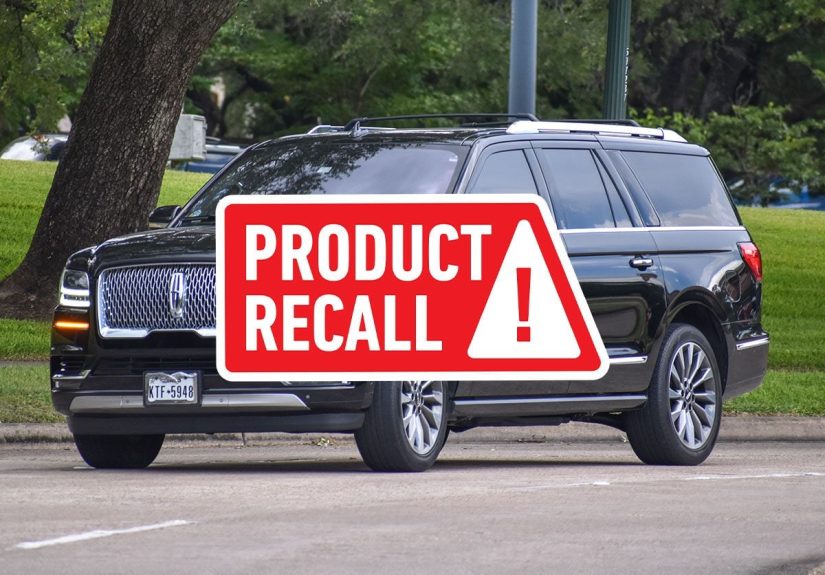
Nothing ruins the vibe of a full-size family SUV quite like the phrase underhood fire risk. Yet that is exactly why Ford expanded a recall covering nearly 5,000 vehicles in the United States. The headline may say “cars,” but the affected models are actually certain 2020 Ford Expedition and Lincoln Navigator SUVs. The problem is serious enough that owners have been told to park outside and away from structures until repairs are completed. That is not a casual suggestion. That is recall language for, “Please do not tempt fate or your garage door.”
For drivers, this is more than another corporate memo with a recall number attached. It is a reminder that modern vehicles are rolling networks of software, sensors, wiring, circuit boards, and supplier-made components, and when even one piece goes sideways, the consequences can get expensive, inconvenient, and in rare cases, dangerous. In this case, Ford says an electrical short can develop in the battery junction box’s printed circuit board, creating enough heat to raise the risk of an underhood fire, including when the vehicle is parked and turned off.
This article breaks down what happened, which vehicles are affected, why the fire risk matters, what owners should do next, and what this recall says about vehicle safety in an era when automobiles are basically laptops wearing oversized tires.
What the Ford Recall Is Actually About
The recall affects approximately 4,632 2020 model-year Ford Expedition and Lincoln Navigator SUVs in the U.S. that were built between November 17, 2020, and December 1, 2020. Ford expanded an earlier campaign after tracing suspect battery junction boxes to this specific production window. In other words, this was not a broad all-model panic. It was a targeted recall tied to a narrow slice of vehicles built during a defined period.
The defective part is the battery junction box, sometimes shortened to BJB. Think of it as one of the vehicle’s electrical traffic managers. If it develops a short, current can build where it should not, the printed circuit board can overheat, and the result can be an underhood fire. That is the kind of engineering problem that goes from “minor technical defect” to “please move your SUV away from the house” very quickly.
Ford’s recall filing says the issue may be linked to improper solder mask coverage and limited conformal coating on the circuit board. Those manufacturing flaws can expose the board to moisture and contaminants that naturally occur in normal vehicle use. Over time, that can trigger corrosion and a kind of conductive growth that eventually creates an electrical short. It sounds incredibly technical because it is. But the consumer-level takeaway is simple: a poorly protected circuit board can become an overheating hazard in real-world conditions.
Which Vehicles Are Affected
The recall does not apply to every Expedition or every Navigator on American roads. It specifically covers certain 2020 vehicles built during that late-November to early-December 2020 production window. That makes the VIN check essential. Two identical-looking SUVs parked side by side may have very different recall statuses depending on when they rolled off the line and which components were installed.
Ford’s filing identifies about 3,730 Expeditions and 902 Navigators in the affected U.S. population. Some are equipped with a standard-duty 700-watt radiator fan motor, while others have a heavy-duty 800-watt fan motor. That difference matters because the repair procedure is not exactly the same for both groups. Welcome to the glamorous world of recall fine print, where wattage suddenly becomes a major character in the story.
Why the “Park Outside” Warning Matters
Not all recalls carry the same urgency. Some involve labels, software glitches, or equipment that creates risk only under very specific conditions. A fire-risk recall is different, especially when the risk can exist while the vehicle is parked and turned off. That changes the equation for owners. The danger is no longer limited to driving. It can follow the vehicle into the driveway, garage, or parking structure.
That is why Ford instructed affected owners to park their vehicles outside and away from structures and other vehicles until the remedy is performed. Importantly, Ford did not issue a “do not drive” order for this expanded 2020 population. So the message was not “stop using the SUV entirely.” It was more like, “You may drive it, but do not tuck it into the garage like everything is fine.”
That distinction matters. A park-outside advisory suggests the company believes the risk is serious enough to require immediate owner action, even if it does not rise to the level of grounding the vehicle altogether. For families with attached garages, apartment parking decks, or tightly packed urban parking situations, that can be a real headache.
This Recall Did Not Come Out of Nowhere
The expanded 2020 recall is connected to Ford’s earlier fire-risk actions involving 2021 Expedition and Navigator SUVs. Back in 2022, federal safety officials publicized a consumer alert after Ford confirmed multiple underhood fires in 2021 models, most of them in unattended vehicles. That earlier episode already put the battery junction box issue under a spotlight and led to park-outside instructions for affected owners.
The 2025 expansion tells us something important: recall investigations do not always end with the first round of owner letters. Sometimes they grow as automakers, regulators, and suppliers dig deeper into production records, field reports, parts analysis, and traceability data. In plain English, the first recall is not always the final chapter. Sometimes it is just the trailer.
Ford said that in the expanded 2020 population, it was aware of two reported underhood fires at the time of the filing, but no reported injuries or accidents tied to that expanded group. That is good news, relatively speaking. A recall with no injuries is always better than one with injuries. But the absence of reported injuries does not make a fire-risk recall minor. It just means the warning hopefully arrived before outcomes got worse.
How Ford Plans to Fix the Problem
The remedy depends on which cooling-fan setup the vehicle has. Dealers are instructed to inspect the battery junction box for damage and replace it if necessary. For SUVs equipped with the heavy-duty 800-watt fan, the fix includes removing a ground wire. For models with the standard-duty 700-watt fan, dealers will remove a ground wire and install an auxiliary electrical box with a wire jumper, along with inspecting and replacing the battery junction box if needed.
That may sound a little more involved than the average recall repair, and that is because it is. This is not a simple sticker swap or a quick software update. It is an electrical-system repair strategy tailored to component differences within the recalled population. The upside is that the work is performed at no charge to owners, as required under federal recall rules.
Owners should also keep in mind that recall repairs can take time to schedule, especially if parts availability tightens or dealerships get a rush of appointments. Fire-risk recalls tend to inspire very prompt customer interest. Funny how the word fire suddenly moves everyone to the front of the calendar.
What Owners Should Do Right Now
1. Confirm the VIN
Do not assume your 2020 Expedition or Navigator is part of the recall based only on the model year. The build date and VIN are what count. Owners should check their VIN through the official recall lookup tools or contact a Ford or Lincoln dealer directly.
2. Follow the parking guidance
If the vehicle is included, park it outside and away from homes, garages, and other vehicles until the remedy is completed. Yes, it is inconvenient. Yes, the weather may be rude about it. It is still the smart move.
3. Watch for warning signs
Ford’s documents note that some customers have reported a burning smell or smoke from the front passenger side of the engine compartment while driving. Any sign of smoke, unusual odor, or electrical trouble should be treated seriously and evaluated immediately.
4. Schedule the repair promptly
Recall work is free. The real cost usually comes from delay, confusion, or assuming the warning is somebody else’s problem. If your VIN matches, get on the dealer’s schedule.
Why This Recall Matters Beyond 4,632 SUVs
On paper, a recall affecting fewer than 5,000 vehicles may not look huge in an industry where six-figure and even seven-figure recalls have become familiar headlines. But size is not the only measure of importance. Fire-risk recalls carry a different kind of weight because the potential consequences are dramatic, the owner instructions are immediate, and the emotional response is completely understandable.
This recall also lands in a broader environment where Ford has faced intense attention over safety actions across multiple vehicle lines, from camera systems to brakes to fuel-related issues and other fire-risk concerns. That does not automatically mean every Ford product is unsafe. It does mean the company’s quality control, supplier oversight, and defect-detection systems are being watched very closely.
There is another lesson here, too: modern vehicle safety is not just about crash performance anymore. It is increasingly about electrical reliability, software behavior, supplier traceability, and how quickly a manufacturer identifies a narrow defect inside a giant production system. A small patch of imperfect coating on a circuit board does not sound dramatic until it becomes the reason someone is told not to park in their own garage.
What This Means for Buyers, Owners, and the Used-Car Market
For current owners, the message is straightforward: verify, comply, repair. For shoppers browsing used SUVs, the lesson is equally clear: always check open recalls before buying. A handsome used Expedition or Navigator can look like a great deal right up until you discover it comes with a park-outside warning and an urgent trip to the service lane.
Used-car buyers sometimes focus on mileage, trim level, price, and whether the previous owner installed questionable aftermarket wheels the size of serving platters. All of that matters. But recall status matters more than many buyers realize. Open recalls can affect safety, insurability, convenience, and resale confidence. A free repair is still a repair you do not want to postpone.
The bigger consumer lesson is simple: when a recall notice arrives, open it. Read it. Do not use it as a coaster. Do not let it marinate in the glove box for six months beside expired napkins and a pen that has not worked since the previous administration.
Experiences Related to the Ford Fire-Risk Recall
A fire-risk recall changes the ownership experience in a way that a routine service bulletin never does. For many drivers, the first reaction is not technical curiosity. It is a gut punch: Wait, my SUV can catch fire while parked? That one sentence can instantly turn a normal driveway into a place of low-grade anxiety. Owners who bought an Expedition or Navigator for family hauling, road trips, towing, or daily errands suddenly find themselves thinking less about cargo space and more about where the vehicle sleeps at night.
For people with attached garages, the disruption is immediate. A garage is not just parking space; it is part of the household routine. It protects the vehicle, stores tools, hides holiday decorations, and saves everyone from sprinting through rain with grocery bags. A park-outside warning means that convenience vanishes overnight. The SUV may have to sit in the driveway, on the curb, or in an open lot, and every thunderstorm, leaf drop, and suspicious squirrel suddenly feels personally offensive.
There is also the mental side of it. Fire-risk recalls can make owners feel oddly betrayed by a vehicle they may otherwise love. These are not bargain-bin transportation appliances. The Expedition and Navigator are big, expensive SUVs that many buyers chose specifically because they wanted comfort, capability, and peace of mind. When a recall tells those owners to keep the vehicle away from the house, it creates a weird emotional split: the SUV is still useful, but it is also the one family member you no longer trust near the garage.
Then there is the dealership experience. Some owners move quickly, call for an appointment, and get the issue handled with minimal drama. Others run into the familiar recall obstacle course: hold music, scheduling delays, parts questions, conflicting information, and the timeless service-advisor phrase, “We’ll need to inspect it first.” None of this is unusual in the recall world, but it can feel frustrating when the problem involves a possible fire. People are much more patient about software updates than anything that sounds like a campfire starter hiding under the hood.
Families with children often feel the inconvenience in practical ways. School drop-offs, sports practice, work commutes, and weekend travel do not stop just because a manufacturer mails a safety notice. If the SUV is the main household vehicle, owners are left juggling risk, logistics, and timing while waiting for the fix. Some may keep driving but park outside. Others may reduce use until the repair is complete. Either way, the recall turns ordinary transportation into an ongoing calculation.
And yet, there is a useful side to this experience. Recalls like this remind consumers that paying attention matters. Checking a VIN, reading the repair notice carefully, and acting quickly are not overreactions. They are exactly how the system is supposed to work. In that sense, the owner experience is not just about inconvenience. It is about responsiveness. A recall is disruptive, yes, but ignoring one is usually worse. The best ending is boring: confirm the vehicle, get the repair, return to normal life, and let the only thing heating up under the hood be the engine on a cold morning.
Final Takeaway
The Ford recall of nearly 5,000 vehicles is a good example of how modern safety defects can be both highly technical and deeply personal. On the technical side, the issue involves circuit-board protection, moisture exposure, corrosion, and electrical shorts in the battery junction box. On the personal side, it means owners are being told to park outside, schedule repairs, and rethink how safe their SUV really is until the fix is completed.
The good news is that the affected population is limited, the issue has been identified, and Ford has repair procedures in place. The less-good news is that underhood fire risks are never the kind of defect consumers can afford to shrug off. If your Expedition or Navigator is part of this recall, handle it promptly. In the hierarchy of car problems, “mildly annoying rattle” can wait. “Potential fire while parked” absolutely cannot.