Table of Contents >> Show >> Hide
- Step One: Know Your Region (Hint: It’s Not Just Your State)
- A Quick Regional Cheat Sheet (So You Don’t Have to Guess)
- Northeast: Short Seasons, Big Payoff
- Midwest & Great Lakes: Fertile, Stormy, and Occasionally Confusing
- Southeast & Gulf: The Land of Long Seasons (and Legendary Humidity)
- Great Plains: Wind, Sun, and a Serious Need for Mulch
- Southwest & Desert Regions: Grow Smarter, Not Hotter
- Mountain West: High Elevation, Short Season, Big Personality
- Pacific Northwest: Cool, Green, and Occasionally Slimy
- California & Mediterranean Climates: Winter Rain, Summer Dry
- Region-Proof Habits That Make Any Garden Better
- Conclusion: Garden Where You Live, Not Where the Advice Lives
- Experience Notes: What Gardeners Learn After “One More Season” (About )
If you’ve ever tried to garden using advice from someone who lives 1,800 miles away, you’ve probably learned a key truth:
plants are picky about where they live. A tomato in Maine and a tomato in Miami are the same species, surejust like a person in a parka
and a person in flip-flops are both humans. But one of them is having a much better time.
“Gardening by region” is basically the art of matching what you grow (and when you grow it) to the climate, soil, and seasonal rhythm where you actually
live. Do that, and your garden starts feeling less like a weekly emergency meeting and more like… well… food and flowers showing up on schedule.
Step One: Know Your Region (Hint: It’s Not Just Your State)
In the United States, “region” can mean a few different things, and the best gardeners quietly use all of them:
-
USDA Plant Hardiness Zone: Tells you how cold your winters get (the “can this perennial survive here?” question).
Zones are based on average annual extreme minimum winter temperatures, divided into 10°F zones with 5°F half-zones. -
Frost window: The practical calendar you live bylast spring frost and first fall frost. This is what decides whether your
watermelon is “a summer harvest” or “a very ambitious science project.” -
Heat + humidity + rainfall pattern: The USDA zone doesn’t warn you about a July that feels like soup, or a summer where rain is
merely a rumor. Heat, moisture, and disease pressure change everything. -
Microclimate: Your yard’s “tiny weather.” South-facing walls, shade from trees, windy corners, low spots where cold air pools,
and urban heat islands can shift outcomes more than a full zone on a map.
A Quick Regional Cheat Sheet (So You Don’t Have to Guess)
This is a broad-strokes guide to help you think like a regional gardener. Your local extension office and zip-code frost dates will refine the details,
but this gets you oriented fast.
| Region (U.S.) | Typical Challenges | Best Strategy |
|---|---|---|
| Northeast | Shorter seasons, late frosts, freeze-thaw swings | Start seeds, use row covers, pick cold-hardy varieties |
| Midwest / Great Lakes | Weather whiplash, clay soils, summer storms | Build soil structure, plan for drainage, stagger plantings |
| Southeast / Gulf | Heat + humidity, pests/disease pressure, fast weed growth | Time plantings, prioritize airflow, choose heat-tolerant crops |
| Great Plains | Wind, drought cycles, hot days/cool nights | Mulch heavily, windbreaks, drought-smart watering |
| Southwest / Desert | Intense sun, low humidity, alkaline soil, summer extremes | Shade cloth, drip irrigation, grow in shoulder seasons |
| Mountain West | High elevation, very short season, hail, big temp swings | Short-season crops, season extension, protect from wind/hail |
| Pacific Northwest | Cool springs, wet winters, slugs, slow soil warm-up | Improve drainage, start seeds indoors, protect seedlings |
| California / Mediterranean pockets | Dry summers, winter rain, irrigation needs, water limits | Efficient watering, mulch, plant for long warm seasons |
Northeast: Short Seasons, Big Payoff
The Northeast is famous for gorgeous falls and winters that do not apologize. Gardening here is about time managementyou’re racing frost
on both ends of the season. The good news? Cool nights can mean sweeter carrots, crisp lettuce, and brassicas (like kale and broccoli) that taste better
after a chilly spell.
What works well
- Cool-season vegetables: peas, spinach, lettuce, radishes, broccoli, cabbage
- Short-season warm crops: bush beans, early tomatoes, summer squash
- Perennials matched to your zone: berries, hardy herbs, many native shrubs
Regional tactics
- Start warm-season crops indoors (tomatoes, peppers) so they hit the ground running after the last frost.
-
Use season extenders like low tunnels and row covers to buy extra weeks on either end of the season.
Even lightweight covers can protect tender seedlings from surprise cold snaps. -
Mind freeze-thaw and drainage: cold isn’t the only enemy; soggy soil plus fluctuating temps can stress roots.
Raised beds or improved soil structure help.
Midwest & Great Lakes: Fertile, Stormy, and Occasionally Confusing
The Midwest can grow almost anything… and then a late frost shows up like an uninvited guest who also rearranges your furniture. Expect temperature swings,
intense summer thunderstorms, anddepending on your yardclay soil that holds water like it’s saving up for retirement.
What works well
- Classic vegetable gardens: tomatoes, peppers, sweet corn, beans, cucumbers, melons (with enough heat)
- Fall gardens: broccoli, carrots, kale, beets, lettuce
- Fruit: apples and berries in many areas, especially with good airflow and disease-resistant varieties
Regional tactics
- Fix structure first: add compost, use mulch, and avoid working soil when it’s too wet (it compacts easily).
- Drainage matters: if water sits after heavy rain, consider raised beds, swales, or improving soil organic matter.
- Stagger plantings: succession planting helps you hedge against weather swings and spreads harvests out.
Southeast & Gulf: The Land of Long Seasons (and Legendary Humidity)
In the Southeast, the garden season can feel like it never endswhich is wonderful until you realize the pests got the memo too. Heat and humidity increase
insect and disease pressure, and many traditional “summer” crops struggle during the hottest stretch. The trick is to think in seasons:
a strong spring, a strategic summer, and a productive fall.
What works well
- Spring and fall favorites: lettuce, carrots, brassicas, onions, peas (timed early)
- Heat-tolerant summer crops: okra, sweet potatoes, southern peas/cowpeas, eggplant, some peppers
- Warm-climate herbs: basil, rosemary (in many areas), thyme
Regional tactics
- Use planting windows: many southern gardeners treat late summer and fall as a “second spring,” especially for cool-season crops.
- Prioritize airflow: wider spacing, pruning, and trellising reduce leaf-wetness time and help limit fungal problems.
-
Choose varieties that tolerate heat: in places like Florida, edible gardening often succeeds by picking crops and varieties that handle
hot, humid conditions.
Great Plains: Wind, Sun, and a Serious Need for Mulch
The Great Plains can deliver intense sun, drying winds, and big temperature swings. The most underrated “tool” here is not a fancy gadgetit’s
water management plus wind protection. If your garden is exposed, the wind can desiccate plants faster than you can say,
“I watered yesterday, I swear.”
What works well
- Drought-tolerant and heat-loving crops: peppers, beans, squash, melons (with good timing), herbs like oregano
- Native and adapted ornamentals: prairie plants, coneflowers, grasses, and pollinator-friendly natives
Regional tactics
- Mulch deeply to reduce evaporation and keep soil temps steadier.
- Water deeply but less often to encourage deep roots (and avoid creating shallow, fragile plants).
- Windbreaks help: fences, hedges, or even temporary barriers can reduce stress and improve yields.
Southwest & Desert Regions: Grow Smarter, Not Hotter
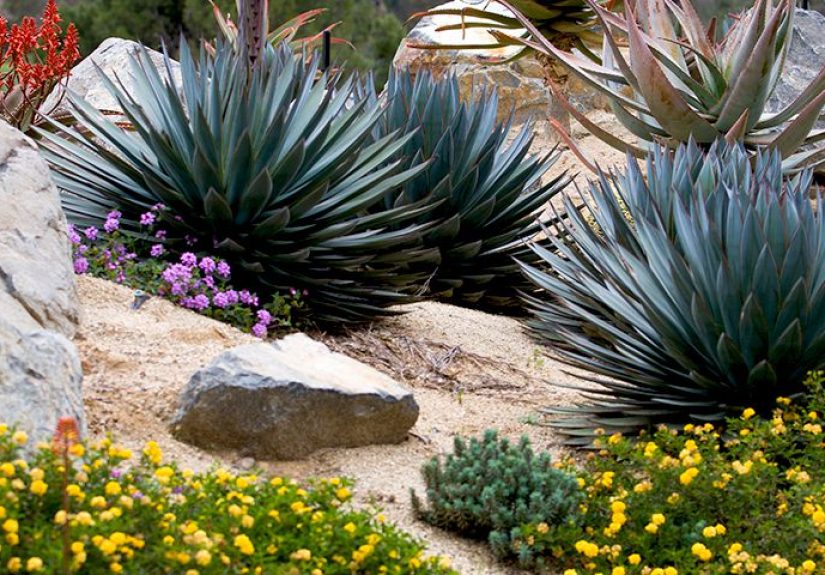
Desert gardening is not “impossible.” It’s just… very honest. The sun is intense, humidity is low, and summer can be so hot that plants don’t grow
they merely endure. Successful desert gardeners lean hard on timing, shade, and irrigation efficiency.
What works well
- Shoulder-season vegetables: leafy greens, carrots, brassicas in cooler months
- Heat survivors: okra, eggplant, some peppers, sweet potatoes (with protection)
- Herbs: rosemary, thyme, oreganooften excellent with the right watering routine
Regional tactics
-
Use shade cloth when temps soarmany desert guides recommend partial shade (often around 30–40%) once temperatures reach the mid-90s°F
and above, especially for vegetables. - Mulch like you mean it: a thick layer helps keep roots cooler and slows evaporation. Keep mulch a bit away from trunks/stems to prevent rot.
- Protect and optimize: desert production guides commonly recommend tools like shade cloth, low tunnels, and frost cloth to buffer extremes.
Mountain West: High Elevation, Short Season, Big Personality
Mountain gardening is a thrilling mix of bright sun, cool nights, and a growing season that sometimes feels like it lasts 17 minutes. Higher elevation means
cooler temps and shorter frost-free windows. You also get bonus challenges like wind and hail, because the mountains like to keep things interesting.
What works well
- Short-season crops: peas, lettuce, spinach, radishes, bush beans, many herbs
- Cold-tolerant staples: potatoes, carrots, beets, brassicas
Regional tactics
- Choose short-season varieties and start seeds indoors where it makes sense.
- Use season extension: low tunnels, row covers, and cold frames are not “extra” herethey’re how you actually finish a season.
- Plan for cold nights: temperature drops with elevation, and frost dates can arrive early.
Pacific Northwest: Cool, Green, and Occasionally Slimy
The Pacific Northwest has a reputation for mild temperatures and plentiful moistureexcellent for many plants, less excellent for your patience when soil
warms slowly in spring. The biggest plot twist is often drainage: too much moisture plus cool temps can stunt seedlings and invite root issues.
Also, slugs. Always slugs.
What works well
- Cool-season crops: peas, greens, brassicas, carrots
- Summer crops with a head start: tomatoes and peppers can do well, especially with warm microclimates or protection
- Berries: many areas are fantastic for raspberries and blueberries (with soil tweaks as needed)
Regional tactics
- Improve drainage with raised beds and organic matter.
- Start seeds indoors so transplants go out ready to grow when the soil finally cooperates.
- Protect young plants with cloches or row covers to boost warmth and reduce pest pressure.
California & Mediterranean Climates: Winter Rain, Summer Dry
In much of California (and other Mediterranean-style pockets), the seasonal rhythm flips: most rain comes in cooler months, while warm-season growing often
happens during the driest part of the year. Translation: irrigation is not optional for vegetables, and watering strategy becomes part of
your garden design.
What works well
- Long-season warm crops: tomatoes, peppers, squash, beans (with consistent watering)
- Almost year-round gardening in many areas: cool-season crops can thrive in fall/winter where frost is light
- Drought-adapted ornamentals: California natives and Mediterranean plants can be great fits
Regional tactics
- Water deeply and thoughtfully: check soil moisture, avoid frequent shallow watering, and adjust by season.
- Mulch aggressively: a thick layer helps reduce moisture swings, moderate soil temperature, and suppress weeds.
- Design for efficiency: drip irrigation, grouping plants by water needs, and improving soil organic matter all pay off.
Region-Proof Habits That Make Any Garden Better
Regions matter, but so do fundamentals. These habits travel welllike a good pair of gloves and a snack you forgot in your pocket until it became
compost (still counts as soil-building, right?).
1) Start with the right mapthen add local reality
Use your USDA hardiness zone to choose perennials that can survive winter. Then layer in frost dates, heat, humidity, rainfall patterns, and your yard’s
microclimates. If you only use one data point, use frost dates for annual vegetables and flowers, and hardiness zones for perennials.
2) Extend your season (without turning your backyard into a space station)
Row covers and low tunnels can protect plants from light frosts and create a warmer microclimate. Different weights offer different levels of protection,
and they can also reduce wind stress while helping seedlings establish.
3) Mulch is regional magic
Mulch is the closest thing gardeners have to a “cheat code.” In wet climates, it reduces soil splash and helps suppress weeds; in dry climates, it can
dramatically cut evaporation. In hot climates, it keeps roots cooler. In cold climates, it buffers temperature swings. Basically, mulch is the friend who
shows up early and stays late.
4) Water like a strategist, not like a panicked firefighter
Most gardens do best with deep, less frequent watering that encourages deeper root growth. Adjust for your soil type and weather. Sandy soils drain fast;
clay soils hold water longer. Containers dry out quickly everywhere.
5) Keep a simple “regional garden journal”
Write down last frost, first frost, what you planted, what thrived, what flopped, and any weird weather events. After two seasons, you’ll have a guide more
accurate than generic adviceand it’s tailored to your exact yard.
Conclusion: Garden Where You Live, Not Where the Advice Lives
Gardening by region isn’t about limiting what you can growit’s about choosing battles you can win. When you match plant choices and timing to your local
climate, you spend less time fighting nature and more time enjoying the part where your garden actually grows. Use your zone for winter survival, your frost
dates for planting timing, and your local climate realities for everything in between. Your plants will thank you. Your weekends will too.
Experience Notes: What Gardeners Learn After “One More Season” (About )
If you ask gardeners what finally made things “click,” you’ll rarely hear, “I bought a fancier trowel.” You’ll hear storiesregional storiesbecause weather
and timing teach faster than any how-to list.
Gardeners in short-season areas (think parts of the Northeast and the Mountain West) often say their biggest upgrade was simply starting earlier.
Not by planting outdoors sooner (nature has receipts), but by starting seeds indoors and using a lightweight cover outside. The first time someone harvests
tomatoes before September because they transplanted strong starts and protected them from spring chills, it’s hard not to feel like you’ve unlocked a secret
level.
In humid regions of the Southeast, the “aha” moment is usually about airflow. People will describe how they used to plant everything close
together (because more plants = more food, obviously), then wonder why leaves spotted, wilted, or melted in mid-summer. After they trellis cucumbers, prune
tomatoes, space peppers, and water early enough that foliage dries quickly, disease pressure often drops. The garden still isn’t effortless, but it stops
feeling cursed.
Desert and Southwest gardeners tend to develop a healthy respect for shade as a tool. Many describe the first time they used shade cloth and
realized their plants weren’t “lazy”they were heat-stressed. Shade, mulch, and drip irrigation turn a harsh environment into something plants can actually
grow in, not merely survive. Another common desert lesson: you don’t always garden “in summer.” You garden in the seasons that behaveoften fall, winter, and
springthen you protect what remains through the worst heat.
In the Great Plains, you’ll hear about wind like it’s a character in the storyan antagonist with unlimited stamina. Gardeners talk about
how a simple fence, hedge, or temporary windbreak changed everything: less moisture loss, fewer snapped stems, and happier pollinators that can actually land
without being launched into next week. Mulch becomes non-negotiable, and “deep watering” becomes a point of pride.
Pacific Northwest gardeners often become drainage detectives. They’ll tell you the day they stopped blaming their seedlings and started improving soil
structureraised beds, compost, better pathwaysand suddenly plants stopped sulking. And yes, they’ll talk about slugs with the seriousness usually reserved
for major sports rivals.
Across regions, the shared experience is this: once gardeners stop forcing the same plan everywhere and start adapting to local patternsfrost timing, heat,
humidity, rainfall, and soilthey get better results with less stress. The best gardens aren’t the ones that fight their region. They’re the ones that
collaborate with it.