Table of Contents >> Show >> Hide
- Gene vs. chromosome: The simple difference
- What is a gene?
- What is a chromosome?
- How genes and chromosomes work together
- Why noncoding DNA matters more than people think
- Gene changes vs. chromosome changes
- Examples that make the difference clearer
- How doctors test genes and chromosomes
- Common misconceptions about genes and chromosomes
- Why this difference matters in everyday life
- Experiences that bring the topic to life
- Final takeaway
If DNA were a giant instruction library, a gene would be a recipe card and a chromosome would be the binder holding thousands of cards in order. That is the fast answer. The longer answer is where things get interesting, because genes and chromosomes do not just sit around looking scientific. They help direct how cells work, how traits are passed down, and how certain health conditions happen.
People often use the words gene and chromosome like they are basically cousins who borrow each other’s sweaters. Close, but not the same. A gene is a specific stretch of DNA with a job to do. A chromosome is a larger package of DNA and proteins that organizes many genes into one manageable unit. One is the instruction. The other is the storage system.
Understanding the difference matters for more than winning a biology argument at dinner. It can help explain inherited traits, genetic testing, chromosome disorders, and why one condition may be caused by a tiny DNA change while another happens because an entire chromosome is missing, duplicated, or rearranged.
Gene vs. chromosome: The simple difference
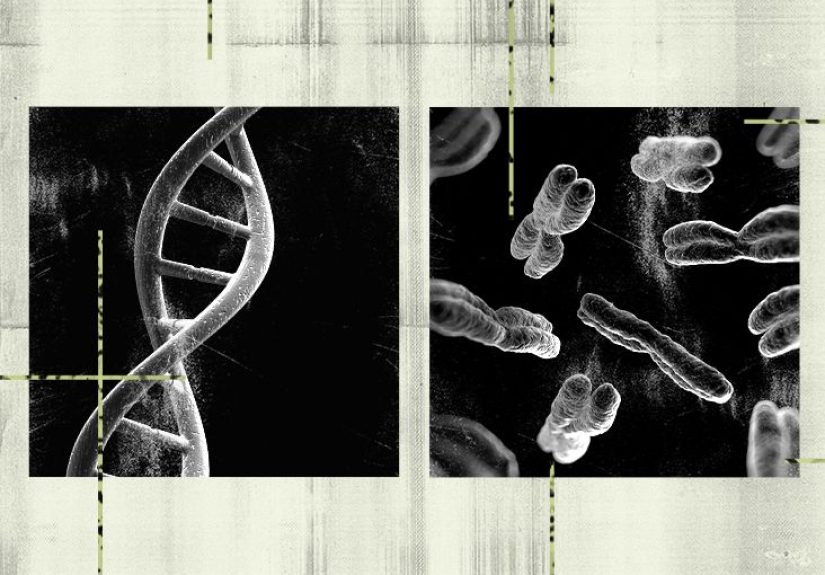
A gene is a section of DNA that contains instructions. In many cases, those instructions help the body make a protein. In other cases, genes help regulate when other genes turn on or off. A chromosome is a long, tightly packed structure made of DNA wrapped around proteins. It contains many genes, plus large stretches of noncoding DNA that help organize and regulate the genome.
So the relationship is not gene or chromosome. It is gene inside chromosome. Think “chapter” and “book,” not “book” and “book but with extra confidence.”
| Feature | Gene | Chromosome |
|---|---|---|
| What it is | A segment of DNA with a specific function | A larger package of DNA and proteins |
| Main role | Provides instructions or helps regulate cell activity | Organizes, stores, and distributes DNA during cell division |
| Size | Usually much smaller | Much larger and contains many genes |
| What changes can do | May affect one protein or one pathway | May affect many genes at once |
| How problems are often detected | Gene sequencing, gene panels, exome or genome testing | Karyotype, chromosomal microarray, FISH, and related tests |
What is a gene?
A gene is often described as the basic physical and functional unit of heredity. That sounds very textbook, because it is. In practical terms, a gene is a meaningful stretch of DNA sequence that carries biological instructions. Many genes contain directions for making proteins, and proteins are the workhorses of the body. They build tissues, move molecules, send signals, support immunity, and keep cells from falling apart before lunch.
Not every gene makes a protein directly. Some genes produce functional RNA molecules, and some help control how other genes behave. That matters because biology is not just about having the recipe. It is also about knowing when to cook, where to cook, and whether to cook at all. A gene switched on in the wrong tissue or at the wrong time can create major problems.
What genes do
Genes help determine traits and body functions such as blood type, eye color tendencies, growth, metabolism, and parts of immune response. They also influence risk for certain diseases. Some genetic changes are harmless. Some are helpful. Some are a biological typo with unfortunate consequences.
Are genes the whole story?
No, and this is where many simplified articles wave cheerfully and leave the room. Genes matter a lot, but so do environment, lifestyle, development, and social factors. A person’s traits and health are usually shaped by a combination of genetic variants and non-genetic influences. Your genes can load the dice, but they do not always dictate every roll.
What is a chromosome?
A chromosome is a long strand of DNA that is wrapped around proteins called histones. This packaging keeps DNA compact, organized, and easier for the cell to manage. Without that structure, your DNA would be less like a neat filing cabinet and more like a headset cable from 2012.
Most human cells contain 46 chromosomes, arranged in 23 pairs. Of those, 22 pairs are autosomes, and one pair is the sex chromosomes. Typically, one chromosome in each pair comes from one biological parent and the other comes from the other biological parent.
Chromosomes do not just store DNA. They also help ensure DNA is copied and separated correctly when cells divide. That is a big deal. If chromosomes are duplicated or distributed incorrectly, the result can affect many genes at once, which is one reason chromosome abnormalities can have broad effects.
What chromosomes contain
Each chromosome contains many genes, but genes make up only part of the DNA on a chromosome. Large portions of DNA are noncoding. That does not mean useless. Much of this DNA helps regulate gene expression, maintain chromosome structure, or support processes such as replication and packaging. Biology loves efficiency, but it also loves complexity, and noncoding DNA is one reason genetic explanations are rarely one sentence long.
How genes and chromosomes work together
The easiest way to understand the relationship is this: genes are located on chromosomes. A chromosome is the larger physical structure, while a gene is a functional segment within that structure.
Imagine Chromosome 7 as a long street. Different genes sit at different addresses along that street. Those addresses matter because scientists can map genes to precise chromosome locations. When a gene changes, the effect may be narrow and specific. When a large chromosome segment is deleted, duplicated, or rearranged, multiple genes at neighboring addresses can be affected at once.
This is why a gene disorder and a chromosome disorder may look very different in real life. One may involve a change in a single instruction. The other may involve a change in the organization of the instruction manual itself.
Why noncoding DNA matters more than people think
For years, noncoding DNA got the unfair reputation of being “junk DNA,” which in hindsight was a little rude. Scientists now know that many noncoding regions help regulate gene activity. Promoters, enhancers, silencers, and other regulatory elements influence whether a gene is active, how much product it makes, and in which cells it works.
So when people ask, “Is a gene just a protein recipe?” the honest answer is: not exactly. Genes operate in a larger regulatory neighborhood. If the recipe is fine but the kitchen timer is broken, dinner can still go sideways. In the same way, a change in noncoding DNA can disrupt gene function even if the protein-coding part of the gene stays intact.
Gene changes vs. chromosome changes
This is where the gene-versus-chromosome distinction becomes medically useful.
Gene changes
A gene-level change, often called a variant or mutation, can alter the instructions in one gene. Depending on the gene and the type of change, the effect may be mild, severe, or none at all. Some single-gene conditions happen because one changed gene disrupts a key protein. Examples include certain forms of cystic fibrosis, sickle cell disease, and Huntington disease.
Chromosome changes
Chromosome abnormalities affect larger amounts of DNA. These may involve:
- Extra chromosomes, such as trisomy 21 in Down syndrome
- Missing chromosomes, such as monosomy X in Turner syndrome
- Extra or missing chromosome pieces, such as 22q11.2 deletion syndrome
- Rearrangements, including translocations or inversions
Because chromosome changes can involve many genes at once, they often affect growth, development, fertility, or multiple organ systems. That does not mean every chromosome condition looks the same. Not even close. Some are severe, some are subtle, and some may not be discovered until adulthood.
Examples that make the difference clearer
Single-gene example
Imagine a condition caused by a change in one gene that affects one protein. The structure of the chromosome may still be normal. The problem is in one instruction line, not in the whole binder. That is what happens in many classic inherited disorders.
Chromosome example
Now imagine an extra copy of chromosome 21. The genes themselves may be completely ordinary, but there are too many copies of them. That altered dosage affects development across the body. In that case, the issue is not a misspelled gene. It is having too much chromosome material.
That distinction is one of the most important takeaways in genetics: normal genes in abnormal amounts can still cause disease. Biology, once again, refuses to be boring.
How doctors test genes and chromosomes
Not all genetic tests look for the same kind of problem. This is why understanding the gene-versus-chromosome difference matters in clinics, labs, and family counseling.
Tests that often look at genes
- Single-gene testing for a suspected condition
- Gene panels that check several related genes at once
- Whole exome sequencing to analyze the protein-coding regions of many genes
- Whole genome sequencing to look more broadly across DNA
Tests that often look at chromosomes
- Karyotyping to examine the number and overall structure of chromosomes
- Chromosomal microarray to find missing or extra chromosome segments
- FISH to target specific chromosome regions or rearrangements
In plain English, if the concern is a tiny spelling change, sequencing may help. If the concern is that a whole chapter is duplicated or missing, chromosome-focused testing may be more useful. Sometimes clinicians use both because genetics likes layered plot twists.
Common misconceptions about genes and chromosomes
“A gene and a chromosome are basically the same thing.”
No. A gene is part of a chromosome, not a synonym for it.
“All DNA makes proteins.”
Also no. Only a small percentage of human DNA is protein-coding. Much of the rest helps regulate or support genome function.
“If you have a genetic condition, it must come from your parents.”
Not always. Some changes are inherited, while others arise spontaneously for the first time in a person.
“Chromosome disorders are always obvious.”
No again. Some chromosome changes cause clear developmental differences, but others can be mild, mosaic, or discovered only during fertility workups, pregnancy screening, or unrelated testing.
Why this difference matters in everyday life
The phrase “it’s genetic” can mean several different things. It might mean a person inherited a variant in one gene. It might mean there is a change involving an entire chromosome or part of one. It might mean a family is considering carrier screening, prenatal testing, cancer testing, or evaluation after unexplained symptoms.
Understanding whether a result is gene-level or chromosome-level helps answer practical questions:
- How many genes are likely involved?
- Could the condition affect multiple body systems?
- What test is most appropriate?
- What is the chance of passing it on?
- Should family members consider testing or counseling?
This is also why genetic counseling is so useful. A lab result can look like alphabet soup wearing a lab coat. A counselor helps translate that into something human, actionable, and far less intimidating.
Experiences that bring the topic to life
For many people, the difference between a gene and a chromosome stays abstract until it becomes personal. A parent may hear during pregnancy that a screening test suggests a chromosome condition and suddenly realize that the word genetic covers a much bigger landscape than expected. In that moment, one of the most common experiences is confusion. Families often assume a genetic result means “a bad gene,” when the actual issue may involve an entire extra chromosome, a missing chromosome segment, or a rearrangement affecting several genes at once.
Students have their own version of this experience. Plenty of people sail through school thinking genes are tiny trait buttons for freckles, dimples, and whether cilantro tastes like betrayal. Then a college biology course, a medical appointment, or a DNA test report forces the upgrade. The lightbulb moment usually comes when they realize genes live on chromosomes, and chromosome changes can alter the dosage of many genes simultaneously. Suddenly, the subject goes from memorized vocabulary to a system that actually makes sense.
Patients who go through genetic testing often describe a similar shift. Someone may spend years looking for an explanation for developmental differences, infertility, recurrent pregnancy loss, or unexplained symptoms. When testing begins, they quickly learn that not all tests answer the same question. One experience many families share is frustration after a “normal” result from one test, only to find out later that the test looked at genes but not chromosome copy number, or vice versa. That does not mean the first test was wrong. It means genetics is layered, and the right tool depends on what kind of change doctors suspect.
There is also an emotional side to all of this. When a result points to a single-gene condition, some families feel relief because the cause is finally identified. Others feel guilt, especially if the variant was inherited. When a chromosome change is found, parents may worry that they did something wrong, even when the answer is no. In reality, many genetic and chromosomal changes occur naturally and unpredictably. Science can often explain the mechanism, but that does not always make the moment feel easy.
Another common experience is empowerment. Once people understand whether they are dealing with a gene-level issue or a chromosome-level issue, questions become clearer. What treatments are available? What specialists should be involved? Does this affect siblings? Is future pregnancy testing an option? Knowledge does not remove uncertainty completely, but it can replace panic with direction.
Even outside medical settings, this topic changes how people think about identity and inheritance. Learning that humans share nearly all of their DNA, yet still have meaningful variation, can be humbling. Learning that a chromosome is not a “super gene” but an organized package of many genes helps people stop treating genetics like destiny carved in stone. In real life, the most valuable experience is often this one: moving from fear and oversimplification to a more accurate, more compassionate understanding of how biology actually works.
Final takeaway
A gene is a specific segment of DNA with a function. A chromosome is a larger DNA package that contains many genes and helps organize the genome. Genes provide instructions. Chromosomes store and manage those instructions. When something changes in one gene, the effects may be narrow or targeted. When a chromosome changes, the effects can be broader because many genes may be involved at once.
Once you see that distinction, genetics gets a lot less mysterious. Still complicated, yes. But at least the confusing parts now have labels. And in science, that is half the battle.