Table of Contents >> Show >> Hide
- Belly Fat 101: Not All Fat in the Middle Is the Same
- Why Belly Fat Gets So Much Attention (Beyond Vanity)
- How to Tell If Your Belly Fat Is in the “Risk Zone”
- Why Belly Fat Shows Up: The Greatest Hits (and a Few Deep Cuts)
- Belly Fat Myths That Need a Timeout
- What Actually Works to Reduce Belly Fat (Science-Backed, Human-Friendly)
- 1) Create a modest calorie deficitwithout misery
- 2) Build meals around protein and fiber
- 3) Choose an eating pattern you can live with
- 4) Combine aerobic exercise and resistance training
- 5) Sleep like it’s part of the plan (because it is)
- 6) Reduce alcohol and quit smoking (your waist will thank you)
- 7) Track progress the smart way
- A Practical 4-Week Starter Plan (No Gym Required, But Allowed)
- Real-World Experiences: What People Notice When They Tackle Belly Fat (About )
- Conclusion: The No-Nonsense Takeaway
Belly fat has a marketing team. It’s been rebranded as “stubborn,” “hormonal,” andmy personal favorite“just water weight.” Meanwhile, your abdominal fat is quietly doing what body fat does best: storing energy, sending hormonal signals, and occasionally throwing a little metabolic tantrum when there’s too much of the wrong kind in the wrong place.
This guide breaks down what belly fat actually is, why it can matter more than the number on the scale, how to tell whether you’re in a higher-risk range, and what reliably helps reduce itwithout magic teas, circus workouts, or living on celery.
Belly Fat 101: Not All Fat in the Middle Is the Same
Subcutaneous fat: the “pinchable” kind
Subcutaneous fat sits just under the skin. It’s the layer you can pinch at your waistline and lower belly. It can be annoying for jeans, but it’s generally less metabolically aggressive than the deeper kind.
Visceral fat: the “wraps-around-organs” kind
Visceral fat lives deeper in the abdomen, surrounding internal organs. Everyone has some, and you need a little for cushioning and protection. The issue is excess visceral fat, which is strongly linked with higher cardiometabolic riskthink type 2 diabetes and heart disease risk factors. Visceral fat is more “biologically active,” meaning it’s more likely to influence inflammation, insulin sensitivity, and fat storage patterns.
Bottom line: two people can weigh the same and have very different health risk profiles depending on how much fat they carry around the abdomen, and how much of that is visceral.
Why Belly Fat Gets So Much Attention (Beyond Vanity)
Abdominal fatespecially visceral fathas been associated with higher risk of health problems like type 2 diabetes, high blood pressure, unhealthy cholesterol patterns, and cardiovascular disease. It’s also tied to fatty liver disease risk and other metabolic complications. That doesn’t mean “a soft stomach equals illness.” It means your waistline can be a useful clueone that sometimes catches risk that BMI alone can miss.
The good news: visceral fat is responsive to lifestyle changes. No secret handshake required.
How to Tell If Your Belly Fat Is in the “Risk Zone”
1) Measure your waist circumference (the right way)
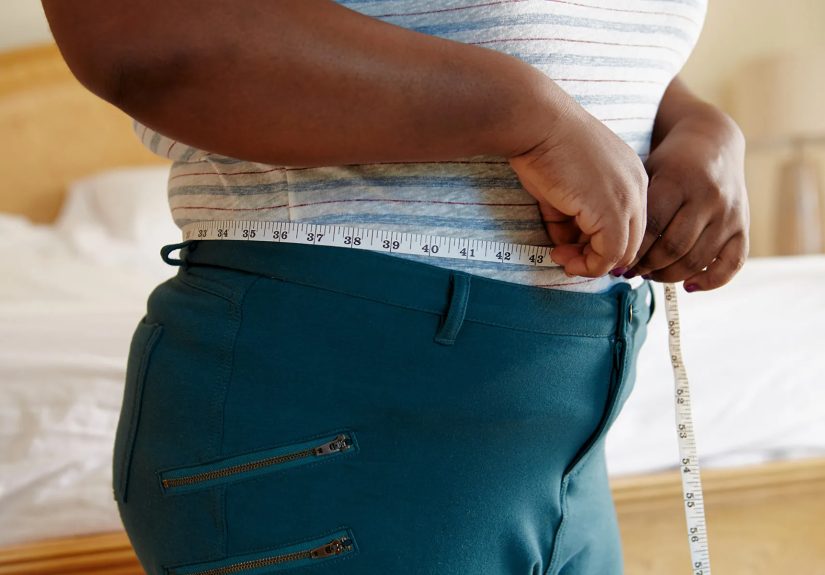
Waist circumference is a practical proxy for abdominal fat stores. In the U.S., a commonly used risk threshold is more than 40 inches for men and more than 35 inches for women. These cutoffs are general guidelines, and some populations may have different risk thresholdsso treat them as a starting point, not a final verdict.
- Stand up straight and relax your abdomen (no “sucking in,” this isn’t a middle-school photo day).
- Place a tape measure around your midsection just above the hip bones.
- Measure after you breathe out normally.
- Use the same method each time for consistency.
2) Consider waist-to-height ratio
A simple rule of thumb used in many health discussions: try to keep your waist circumference to less than half your height. It’s not perfect, but it’s a helpful “quick screen” that accounts for body size.
3) Use the scale as one data point, not the whole story
Weight can change for reasons that have nothing to do with fat (water, sodium, hormones, travel, stress, sleep, muscle gain). Tracking waist measurement, fitness improvements, and key health markers (blood pressure, blood sugar, lipids) often tells a clearer story.
Why Belly Fat Shows Up: The Greatest Hits (and a Few Deep Cuts)
Belly fat isn’t caused by one villain. It’s more like a group chat where multiple factors keep reacting with the fire emoji. Here are common contributors:
Calorie surplus (yes, still a thing)
When you consistently take in more energy than you burn, the body stores the extraoften in the abdomen, especially for many men and post-menopausal women. You don’t need to “eat clean” perfectly; you need a sustainable overall pattern that creates a modest, repeatable deficit if fat loss is the goal.
Added sugars and ultra-sweet drinks
Added sugars can contribute to excess calorie intake and weight gain. Sugary beverages are especially sneaky because they’re easy to drink fast and don’t fill you up like solid food.
Low activity and long sitting hours
Less movement means fewer calories burned and less muscle stimulation. Over time, that can make it easier to gain fat and harder to maintain muscleboth of which can nudge body composition toward more abdominal fat.
Sleep deprivation
Short sleep can dysregulate appetite and stress hormones, making cravings louder and self-control quieter. (Ever notice how “I should go for a walk” becomes “I should order nachos” after a bad night?)
Chronic stress
Prolonged stress can influence eating behavior and hormonal signals related to fat storage. Stress doesn’t “create fat from air,” but it can make you more likely to overeat and less likely to recover well from exercise.
Alcohol
Alcohol adds calories, can increase appetite, and often brings snacky sidekicks (“just a little something” becomes “a whole pizza cameo”). Cutting back is a common lever for reducing waist circumference.
Aging, menopause, genetics, and muscle loss
As we age, we tend to lose muscle unless we actively maintain it. Hormonal shifts (including menopause) can also change where fat is stored. Genetics influences fat distribution toomeaning your “default settings” matter, but they’re not destiny.
Belly Fat Myths That Need a Timeout
Myth: “I can spot-reduce belly fat with ab workouts.”
Ab exercises strengthen and tone abdominal muscles, which is great for posture and core stability. But they don’t selectively burn belly fat. Fat loss happens system-wide through sustained energy deficit and improved body composition.
Myth: “Detox teas melt belly fat.”
If something “melts fat” in 72 hours, it’s usually water loss, a laxative effect, or marketing. True fat loss takes time and consistent habits. Also, your liver and kidneys already have full-time detox jobsno influencer discount code required.
Myth: “Carbs are the problem; eliminate them.”
Many people lose belly fat by reducing refined carbs and added sugarsbecause it lowers total calories and improves food quality. That doesn’t mean all carbohydrates are “bad.” Fiber-rich carbs (beans, oats, fruit, vegetables) often help with satiety and metabolic health.
What Actually Works to Reduce Belly Fat (Science-Backed, Human-Friendly)
1) Create a modest calorie deficitwithout misery
Sustainable fat loss usually comes from a modest, consistent calorie deficit. Translation: you don’t need to suffer, but you do need a plan. Most people do best with small changes they can repeat: fewer sugary drinks, smaller portions of calorie-dense snacks, and more high-satiety meals.
2) Build meals around protein and fiber
Protein supports muscle maintenance (crucial when losing weight) and helps you feel full. Fiber slows digestion, steadies appetite, and improves meal satisfaction. A practical approach:
- Protein: eggs, Greek yogurt, poultry, fish, tofu/tempeh, beans, lean meats.
- Fiber: vegetables, berries, apples/pears, oats, lentils, chickpeas, chia/flax.
- Healthy fats: olive oil, nuts, avocadomeasured with a friendly eye, not a fear-based one.
3) Choose an eating pattern you can live with
Many people do well with Mediterranean-leaning or DASH-style patterns (lots of plants, lean proteins, whole grains, legumes, healthy fats). You don’t need to label your diet; you need consistency.
4) Combine aerobic exercise and resistance training
The strongest “two-for-one” strategy is pairing cardio (for energy burn and cardiovascular health) with strength training (to build/keep muscle). A common baseline recommendation for adults is at least 150 minutes of moderate-intensity activity per week, plus muscle-strengthening work. More can help, but “some” beats “none,” and consistency beats occasional heroic bursts.
If you enjoy intervals (like HIIT), they can be effectivejust keep them appropriate for your fitness level and recovery. If you hate HIIT, you’re allowed to walk briskly and still make progress. Your body doesn’t require suffering to change.
5) Sleep like it’s part of the plan (because it is)
Aim for 7–9 hours for most adults. Better sleep supports appetite regulation, training recovery, and decision-making. In other words: sleep makes you less likely to trade your long-term goal for a late-night bowl of “oops.”
6) Reduce alcohol and quit smoking (your waist will thank you)
Cutting back on alcohol often produces a noticeable waistline change for frequent drinkers. If you smoke, talk to a clinician about quitting strategies. Your metabolic health and cardiovascular system benefitfar beyond body composition.
7) Track progress the smart way
Consider tracking:
- Waist circumference (weekly or every two weeks)
- Body weight (if it doesn’t trigger obsessive behavior; otherwise skip it)
- Strength markers (more reps, more weight, better form)
- Cardio capacity (longer walk, lower heart rate at same pace)
- Energy, sleep quality, cravings, mood
A Practical 4-Week Starter Plan (No Gym Required, But Allowed)
Week 1: Make one change you can repeat
- Swap one sugary drink per day for water, sparkling water, or unsweetened tea.
- Add one “protein + produce” snack (e.g., yogurt + berries, tuna + cucumber).
- Walk 15–20 minutes, 4 days this week.
Week 2: Add structure
- Plan 2 simple meals you can rotate (e.g., chili + salad; chicken/beans + veggies + rice).
- Walk 25–30 minutes, 4–5 days this week.
- Do 2 short strength sessions (squats, hinges, push-ups or incline push-ups, rows, planks).
Week 3: Improve the “food environment”
- Make the default snack high-protein/high-fiber (nuts portioned, fruit, jerky, hummus).
- Keep ultra-processed snack foods out of sight (or out of the house if that’s easier).
- Add 1 interval day if you enjoy it (e.g., 1 minute brisk + 2 minutes easy, repeat 6–8 times).
Week 4: Make it personal
- Look at what’s working: sleep, meals, movement, stress.
- Double down on the easiest wins.
- Set a sustainable target: “I can do this for 12 weeks,” not “I can do this until Thursday.”
Real-World Experiences: What People Notice When They Tackle Belly Fat (About )
When people start addressing belly fat, the first “results” often show up in unexpected placeslike energy, appetite, and how their clothes fitlong before they see a dramatic change in the mirror. A common experience: the scale acts unimpressed for two weeks, then suddenly drops after a stretch of better sleep and more consistent meals. That’s not the universe trolling you; it’s water shifts, glycogen changes, and your body recalibrating as habits stabilize.
Another frequent storyline is the “I do crunches every day” chapter. Many people pour effort into ab workouts because it feels targeted and productive. The twist ending is realizing the waistline responds more to full-body movement, strength training, and diet quality than to 200 daily sit-ups. Once they swap some of that ab-only time for brisk walks and two weekly strength sessions, their midsection starts changingoften with better posture and less back discomfort as a bonus.
People also notice how strongly belly fat progress is tied to the evenings. If afternoons are chaotic and dinner becomes a frantic scavenger hunt, it’s easy to overshoot calories and under-shoot protein and fiber. A simple fixlike a planned “bridge snack” (protein + fruit) at 4 p.m.can turn nighttime eating from a free-for-all into a normal dinner followed by, shockingly, being done. Many report this feels less like dieting and more like finally giving their hunger an adult supervisor.
Social habits matter, too. Someone might eat reasonably all week and still feel “stuck,” then realize that two or three nights of heavy drinking or restaurant meals are quietly erasing the deficit. The experience here isn’t about perfection; it’s about awareness. When people cut alcohol back to one or two planned occasions, choose one indulgence instead of three, and keep a high-protein breakfast the next day, their waist measurement often starts trending down even if they still enjoy life (and yes, still have fries sometimes).
Then there’s the stress factor. Many people don’t think of stress as “calories,” but it changes how they eat and sleeptwo of the biggest levers for abdominal fat. A common report is: “I didn’t change my diet much, but I started going to bed earlier and walking at lunch, and my cravings dropped.” That combination can lower the odds of late-night snacking and improve recovery from workouts. The midsection often follows.
Finally, people are surprised by how motivating waist tracking can be compared to weight alone. The scale may stall when you gain muscle or retain water, but your waistband doesn’t negotiate. Measuring every week or two can feel like turning on the lights: you see trends sooner, adjust faster, and stop getting emotionally whiplashed by normal daily fluctuations.
Conclusion: The No-Nonsense Takeaway
Belly fat isn’t a moral failing, a personality trait, or a sign you’ve offended the fitness gods. It’s body fatsome of which sits under the skin and some of which sits deeper around organs. Excess visceral fat is associated with higher metabolic and cardiovascular risk, and waist circumference can be a helpful, practical way to assess that risk.
If you want to reduce belly fat, skip the gimmicks. Build a modest calorie deficit, prioritize protein and fiber, cut back on added sugars and liquid calories, move more, lift a little, sleep better, manage stress, and keep alcohol in check. Do that consistently, and your waistline will usually follow not instantly, but reliably.
If you have existing health conditions (diabetes, heart disease, fatty liver disease, or concerns about rapid weight change), it’s smart to partner with a clinician or registered dietitian for individualized guidance.