Table of Contents >> Show >> Hide
- Why Giada’s tomato obsession makes perfect sense
- What makes tomatoes the ingredient of the year?
- The many lives of the tomato
- The tomato trend got bigger than pasta night
- How to cook tomatoes more like Giada
- Why home cooks are so ready for a tomato era
- Simple ways to celebrate your own year of the tomato
- Tomato-year experiences: what it feels like when you actually lean into it
- Conclusion
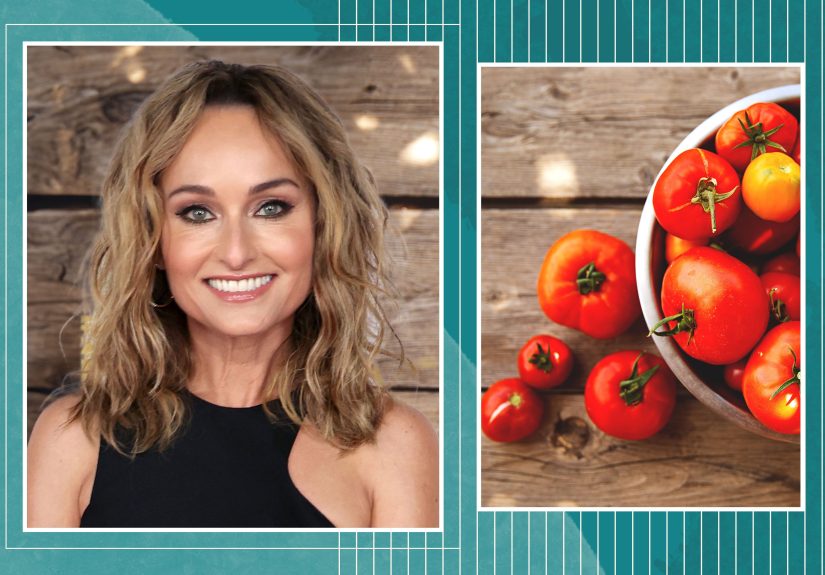
If 2024 needed a mascot, Giada De Laurentiis nominated one with glossy skin, juicy attitude, and a tendency to steal the whole meal with almost no effort: the tomato. Not the fussy kind of ingredient that demands a chemistry degree and three specialty stores. The tomato. The humble overachiever. The ingredient that can turn into a silky sauce, a bright salad, a snack on toast, a cocktail base, andbecause apparently tomatoes never stop networkingeven dessert.
Giada’s declaration that 2024 is the year of the tomato feels less like a random food trend and more like an official recognition of something home cooks already knew in their bones. Tomatoes are one of those rare ingredients that can be luxurious and everyday at the same time. They can be sun-warmed and fancy on a burrata platter, or tipped out of a pantry can at 6:17 p.m. on a Tuesday when dinner needs to happen immediately and nobody wants a speech about patience.
That is exactly why the idea works so well. Giada has spent years building a style of cooking that celebrates Italian ingredients without making them feel unreachable. Her food is polished, yes, but never in a “you must churn your own emotions into the sauce” kind of way. Tomatoes fit her entire culinary worldview: simple, vibrant, versatile, and capable of doing a lot of heavy lifting with very little drama.
Why Giada’s tomato obsession makes perfect sense
Giada De Laurentiis has always cooked in a way that puts ingredient quality front and center. Olive oil matters. Pasta matters. Cheese matters. And tomatoes absolutely matter. If you’ve watched her cook, read her recipes, or followed her broader food brand, you already know tomatoes are not some side character wandering through the kitchen. They are one of the stars of the show.
That helps explain why her “year of the tomato” message landed. It wasn’t a sudden pivot. It was more like Giada looking at the food world and saying, “Finally, we are giving this ingredient the respect it deserves.” In her cooking, tomatoes are useful in every form: fresh, canned, sun-dried, slow-roasted, and blended into smooth sauces. That flexibility is part of the appeal. Tomatoes let cooks choose their own adventure without losing the plot.
And honestly, tomatoes have range. A ripe heirloom can be treated like a precious jewel. Cherry tomatoes can burst into a quick pasta sauce in minutes. Whole canned tomatoes can save a weeknight. Passata can give you bright, clean tomato flavor when you want a smoother sauce. Sun-dried tomatoes can show up and make a creamy pasta taste like it suddenly booked a flight to Italy.
What makes tomatoes the ingredient of the year?
Start with flavor. Tomatoes are one of the few ingredients that can bring sweetness, acidity, savoriness, and freshness all at once. That balance is why they work in so many dishes. A good tomato can brighten rich foods, deepen light ones, and make a plate feel complete even when the ingredient list is short.
Then there’s accessibility. Not everyone has access to truffles, perfect seafood, or imported specialty greens on a random Wednesday. But tomatoes? Those are democratic. They show up at supermarkets, farmers markets, backyard gardens, and in pantry shelves stacked with cans waiting for their big moment. Giada’s tomato-forward approach works because it meets people where they are. You can cook with whatever version you have.
Tomatoes also reward low-effort cooking. Slice them with salt and olive oil, and they’re delicious. Roast them, and they become sweeter and deeper. Simmer them, and they become comfort food. Blend them, and now you’ve got soup, sauce, or a dressing that tastes far fancier than the amount of work you actually did. Some ingredients need handling instructions and emotional support. Tomatoes mostly need a knife and decent judgment.
The many lives of the tomato
Fresh tomatoes: the summer show-offs
Fresh tomatoes are the extroverts of the group. They want attention, natural light, and a nice plate. When they’re truly in season, they don’t need much beyond flaky salt, olive oil, and maybe basil if everyone is feeling classic. This is the world of Caprese salads, tomato toast, panzanella, bruschetta, and simple pastas where the tomato does most of the talking.
Fresh tomatoes also invite variety. Heirlooms bring color and personality. Beefsteaks are juicy and generous. Cherry tomatoes are sweet little overachievers that roast beautifully and burst into sauces with almost no coaxing. Giada’s tomato year idea taps into this sense of abundance. One ingredient, dozens of textures and flavors, zero boredom.
Canned tomatoes: the reliable pantry heroes
If fresh tomatoes are the stars, canned tomatoes are the seasoned professionals. They show up on time, know their lines, and never complain about the lighting. Giada has been very clear that canned tomatoes are not the sad backup plan. In many cooked dishes, they are the smart choice.
That makes sense. Canned tomatoes are picked and processed at peak ripeness, which means they can deliver consistent flavor all year. They’re especially useful in marinara, braises, soups, and quick pasta sauces. They also make life easier for cooks who would prefer not to peel, seed, chop, and negotiate with mediocre off-season produce. There is no shame in opening a can. In fact, there may be wisdom in it.
Passata, paste, and sun-dried tomatoes: the supporting cast with main-character energy
One of the most fun parts of tomato cooking is realizing that “tomato” is not one-note. Passata gives sauces a bright, smooth base without the chunkiness of whole canned tomatoes. Tomato paste delivers concentrated depth in a spoonful. Sun-dried tomatoes bring sweetness, chew, and intensity. Tomato jam adds a sweet-savory curveball to cheese boards and sandwiches. Suddenly, the tomato is not just an ingredient. It’s a whole department.
This is where Giada’s broader tomato philosophy feels especially modern. She doesn’t treat tomatoes like they belong only in red sauce. They can slip into dips, grain bowls, cocktails, sandwiches, roasted vegetable platters, and more. That’s how an ingredient becomes a trend without feeling trendy. It starts showing up everywhere because it actually belongs there.
The tomato trend got bigger than pasta night
One reason Giada’s declaration caught attention is that tomatoes were already moving beyond their usual culinary lanes. Tomato-forward cocktails were getting buzz. Tomato jam and tomato-based spreads were popping up in more conversations. Even the aesthetic side of food culture leaned into tomato imagery, with playful “tomatocore” energy giving the fruit a little lifestyle sparkle.
But the smartest part of the trend is that it isn’t silly. Underneath the fun is genuine culinary logic. Tomatoes can move between savory and sweet because they have natural sugars and acidity. They can work raw or cooked. They pair well with dairy, bread, herbs, seafood, eggs, beans, and pasta. Once you notice how flexible they are, Giada’s tomato-year proclamation stops sounding dramatic and starts sounding overdue.
How to cook tomatoes more like Giada
Know when fresh is worth it
Use fresh tomatoes when their texture and brightness are the point. Think salads, bruschetta, sandwiches, chilled soups, and quick uncooked or barely cooked sauces. If you have ripe summer tomatoes, let them be themselves. Do not bury them under twelve ingredients and a personality crisis.
Know when canned is smarter
For long-simmered sauces, soups, and hearty braises, canned tomatoes are often the better move. They’re consistent, convenient, and rich. Giada’s practical approach here is part of what makes her style so appealing. She doesn’t insist that “fresh” always means “better.” She uses the form that makes the most sense for the dish.
Use the carrot trick
One of Giada’s more charming tomato-sauce tips is adding a whole peeled carrot to the pot. It softens the sauce’s edge naturally instead of dumping in sugar. It’s the kind of trick that sounds almost too simple until you try it and realize your sauce tastes rounder, sweeter, and more balanced. Kitchen magic, but in a very practical cardigan.
Store tomatoes like you actually want them to taste good
Unripe tomatoes do best at room temperature while they finish ripening. Very ripe tomatoes can go in the refrigerator if you need to hold them a little longer, but let them come back toward room temperature before eating so the flavor wakes back up. Translation: don’t sabotage your own sandwich by serving it with a tomato that tastes like cold disappointment.
Why home cooks are so ready for a tomato era
The idea of the tomato as the ingredient of the year also reflects how people actually cook now. They want recipes that feel fresh but not fussy, healthy but not joyless, and special without requiring an entire weekend. Tomatoes fit that mood beautifully.
They also align with a more flexible pantry style. You can keep canned tomatoes on hand, buy fresh when they’re gorgeous, and use specialty tomato products when you want extra punch. That means you can build meals around what’s available instead of chasing perfection. A tomato salad in August and a canned-tomato rigatoni in January can both feel completely right.
There’s also a nutrition angle that helps explain the love. Tomatoes bring vitamin C and the antioxidant lycopene to the table, and cooked or canned tomato products can be especially useful in that regard. So while nobody needs to pretend marinara is a superhero cape, it is nice to know that the ingredient carrying your pasta dinner also arrives with some actual substance.
Simple ways to celebrate your own year of the tomato
You do not need a formal proclamation, a villa in Italy, or an aggressively photogenic kitchen to get in on this. A tomato year can start with very small choices.
Make a real tomato toast with good bread, olive oil, and salt. Roast a tray of cherry tomatoes until they collapse into jammy little flavor bombs. Stir passata into a weeknight sauce. Blend up tomato vinaigrette for salads. Make panzanella when you have stale bread and tomatoes that are one day away from becoming urgent. Add tomatoes to eggs, beans, and grain bowls. Keep canned tomatoes in the pantry like the intelligent adult you are.
And, yes, maybe try something unexpected. A tomato cocktail. A savory tomato jam. A dessert that uses tomato in a way that makes your dinner guests raise one suspicious eyebrow before immediately asking for the recipe. Giada’s whole point is not just that tomatoes are useful. It’s that they’re more exciting than many people give them credit for.
Tomato-year experiences: what it feels like when you actually lean into it
There’s a very specific kind of joy that happens when you decide, even casually, that this is your tomato era. Suddenly the produce section looks less like a chore and more like a casting call. You start picking up heirlooms with the seriousness of someone choosing paint colors for a living. You tell yourself you only need three tomatoes, and five minutes later you are somehow leaving with a rainbow assortment, fresh basil, mozzarella, and bread that absolutely was not on the list. The tomato made you do it.
Then comes the first tomato-on-toast lunch of the season, which feels almost suspiciously easy for how good it is. You rub the bread with garlic, drizzle olive oil, pile on sliced tomatoes, add salt, and suddenly lunch tastes like you have your life together. It is one of the great culinary illusions. You are eating something incredibly simple, but it feels luxurious, a little smug, and completely earned.
There’s also the weeknight experience, which is where the tomato really proves it deserves a crown. You get home tired. You do not want a project. You open a can of tomatoes, add olive oil, garlic, maybe a pinch of chile flakes, and let the whole thing simmer while pasta cooks. In less than half an hour, dinner is deeply comforting and somehow brighter than takeout would have been. Tomatoes are very good at making low-energy cooking feel like a choice instead of a compromise.
And then there’s the garden or farmers market effect. Even people who are not especially sentimental can get dramatic around peak tomato season. One perfect tomato can make you reconsider your standards. It can ruin bland supermarket tomatoes for weeks. It can make you start saying things like “this one just tastes more alive,” which is exactly the kind of sentence you never expect to say until you’re standing over the sink eating slices with salt like it’s a spiritual event.
What makes the whole experience stick is how tomatoes move through real life. They are picnic food, lazy lunch food, dinner party food, pantry emergency food, and “I need to use this up tonight” food. They fit the high-effort meal and the no-effort meal. They can feel nostalgic, elegant, rustic, modern, and comforting all at once. That’s rare.
So when Giada calls it the year of the tomato, the statement lands because it describes more than a trend. It describes a feeling many cooks already understand: that tomatoes are one of the easiest ways to make food taste vibrant, generous, and alive. And in a year when everybody seemed to want more flavor, more flexibility, and less nonsense in the kitchen, the tomato was not just ready for the spotlight. It had been carrying the production the whole time.
Conclusion
Giada De Laurentiis declaring 2024 the year of the tomato works because the idea is both playful and completely practical. Tomatoes are delicious, versatile, and adaptable enough to fit the way people actually cook. They shine raw, simmer beautifully, roast like a dream, and rescue weeknights from mediocrity with almost unfair efficiency.
More than that, tomatoes embody the kind of cooking Giada has always championed: ingredient-driven, unfussy, deeply flavorful, and rooted in pleasure. Whether you celebrate with a tomato toast, a glossy marinara, a burst cherry tomato pasta, or a bold little tomato cocktail, the message is the same. This ingredient is not basic. It is essential. And if 2024 was the year of the tomato, there is no rule saying the celebration has to stop.