Table of Contents >> Show >> Hide
- Why Old Candles Look Like They’ve Given Up
- Safety First: The Non-Negotiables (Because Hot Wax Is Not a Vibe)
- Makeover Level 1: Quick Fixes for “Mostly Fine” Candles
- Makeover Level 2: The Full Glow-Up (Repour + Rewick)
- Step 1: Remove the Leftover Wax (Choose Your Method)
- Step 2: Clean the Jar So It’s Actually “New Candle” Ready
- Step 3: Sort and Prep Your Wax (Because Mystery Blends Get… Weird)
- Step 4: Melt the Wax Gently (Double Boiler Method)
- Step 5: Pick the Right Wick (This Is Where Great Candles Are Made)
- Step 6: Pour, Set, and Cure (Let the Candle Become Itself)
- Makeover Level 3: Fun Upcycles (Because Leftover Wax Is Basically Craft Gold)
- Common Problems and How to Fix Them
- How to Keep Your “New” Candle Looking New
- Real-World Makeover Stories (About )
- Conclusion
You know that sad little “candle graveyard” corner of your home? The one with half-burned jars, cratered wax, and wicks
that look like they’ve been through finals week? Today, we’re turning that mess into something gorgeous (and actually usable).
Because tossing a candle just because it tunneled is like throwing out a pizza because one slice was crooked. Tragic. Unnecessary.
This guide walks you through quick fixes (for candles that are mostly fine, just… cosmetically offended), full makeovers
(repour + rewick), and creative upcycles (wax melts, layered candles, giftable minis). Along the way, we’ll keep things
safe, practical, and pleasantly non-preciousbecause candle wax is forgiving, but hot wax is not.
Why Old Candles Look Like They’ve Given Up
Most “ugly candle” problems aren’t personal. They’re physics, timing, and a little bit of wick drama.
1) Tunneling (a.k.a. the Candle Ate Itself)
Tunneling happens when the candle burns a narrow hole down the center, leaving a thick ring of unused wax around the edges.
One big cause is a too-short first burn: wax can form a “memory ring,” and then it keeps tunneling for the rest of the candle’s life.
2) Soot, Smoke, and “Why Is My Wall Gray?”
If your candle is smoking or leaving soot, the wick is often too long (or the candle is in a draft).
Trimming the wick to about 1/4 inch before each burn helps reduce soot and keep the flame from turning into a tiny
backyard bonfire.
3) Wax “Puddles,” Craters, and Lumpy Tops
Uneven surfaces can come from uneven melting, drafts, or a wick that’s not suited to the container.
The good news: most lumpy wax is purely cosmeticand very fixable.
Safety First: The Non-Negotiables (Because Hot Wax Is Not a Vibe)
Before you start your candle glow-up, set yourself up for a safe, low-stress session. Candle making is very doable at home,
but it’s still a “hot liquids + glass containers” situation.
- Never leave a burning candle unattendedand don’t do makeover steps with an active flame nearby.
- Keep candles at least 12 inches away from things that can catch fire (curtains, books, bedding, that fluffy throw you love).
- Use a double boiler (or a heat-safe pitcher inside a pot of simmering water) to melt wax gentlyno direct pan-on-burner wax cooking.
- Work on a stable, heat-resistant surface and keep kids/pets away from the “craft zone.”
- Do not pour melted wax down the drain. It can harden and clog plumbing.
- Be picky about containers: don’t reuse cracked, chipped, or very thin glass. Some candle jars have cracked/broken during use in real-world incidents, so inspect containers closely and retire anything questionable.
Makeover Level 1: Quick Fixes for “Mostly Fine” Candles
If your candle still smells good and the jar is in good shape, you might not need a full repour. Try these first.
Fix Candle Tunneling (The Foil Trick)
- Make sure the wick is centered and trimmed to about 1/4 inch.
- Wrap a piece of aluminum foil around the top rim of the jar, forming a loose “collar.”
- Leave an opening at the top so the wick can burn safely and heat can circulate.
- Let the candle burn long enough for the outer wax ring to melt and level out.
This works by pushing heat inward so the edges finally melt and join the party. And yes, it feels like candle therapy.
Level a Lumpy Top Without Starting Over
If the top looks like the surface of the moon, you can gently warm it to re-level the wax. A hair dryer on low from a safe distance
can soften the top layer so it smooths out. Keep it slowyour goal is “soften,” not “boil.”
Prevent a Repeat Offense
The first burn matters. A common guideline is burning about one hour per inch of candle diameter to help the wax melt
edge-to-edge and avoid that “memory ring” that leads to tunneling.
Makeover Level 2: The Full Glow-Up (Repour + Rewick)
This is the “new candle in the same life” approach: remove leftover wax, clean the jar, add a fresh wick, and repour a smoother,
better-burning candlesometimes even better than the original.
Step 1: Remove the Leftover Wax (Choose Your Method)
Option A: The Freezer Pop-Out (Easy + Satisfying)
- Put the candle jar in the freezer for a few hours.
- Wax shrinks slightly, making it easier to pop out.
- Remove remaining bits carefully (avoid sharp tools that can scratch or weaken glass).
Option B: Hot Water Float (Fast, But Be Smart)
- Heat water (near-boiling) and pour it into the jar partway.
- The wax melts, floats to the top, then solidifies as the water cools.
- Lift out the wax “disk” and dispose of it in the trash (not the sink).
Use this only for sturdy, heat-safe jars. Thin or damaged glass can be risky when exposed to sudden temperature changes.
Option C: Gentle Heat (Hair Dryer or Double Boiler)
If you’re nervous about thermal shock, you can soften wax with gentle external heat (hair dryer) or place the jar near (not in)
warm water to loosen wax. Several cleaning guides also include oven or microwave methods, but those depend heavily on container safety.
If you’re unsure your jar is heat-rated, skip the high-heat shortcuts.
Step 2: Clean the Jar So It’s Actually “New Candle” Ready
- Wash with warm water + dish soap to remove residue.
- If there’s stubborn film or label glue, some cleaning guides suggest rubbing alcohol or adhesive removers for the last bits.
- Dry completely before you pour wax again (water and wax do not mix politely).
Step 3: Sort and Prep Your Wax (Because Mystery Blends Get… Weird)
If you’re combining wax from different old candles, group them by scent family (vanilla + bakery, fresh + laundry, woods + amber).
Mixing “ocean breeze” with “pumpkin pie” is how you accidentally invent a scent called Confused Bath Mat.
Remove debris like old wick tabs, matches, burnt bits, or anything that looks like it came from the bottom of a purse.
Clean wax melts more evenly and smells better.
Step 4: Melt the Wax Gently (Double Boiler Method)
- Place wax pieces in a heat-safe pouring pitcher or metal container.
- Set it in a pot with simmering water (a double boiler setup).
- Stir occasionally until fully melted.
Many candle-making instructions recommend heating wax to around 185°F before adding fragrance oil (when applicable),
but always follow the specific guidance for your wax type.
Step 5: Pick the Right Wick (This Is Where Great Candles Are Made)
Wick choice depends mainly on wax type and container diameter. A larger diameter generally needs a larger wick,
and within a wick series, bigger numbers typically mean a bigger wick.
Use a wick guide chart as a starting point, then run a burn test. Fragrance and dye can change how the candle burns, and many makers
size up when candles are heavily fragranced or darker.
Quick wick reality check: if your candle tunnels, it may be under-wicked; if it soots heavily or the flame is too tall,
it may be over-wicked (or the wick is too long). Testing is how you dial it in without guessing.
Step 6: Pour, Set, and Cure (Let the Candle Become Itself)
- Attach the wick tab to the bottom of the jar (wick stickers work great) and keep the wick centered.
- Pour slowly to reduce bubbles and splashes.
- Let the candle cool undisturbed.
If you add fragrance, stir thoroughly (but gently) so it binds well with the wax. Some candle-making guidance suggests stirring for a
minute or two for good incorporation and letting candles rest for at least a couple of days before burning, especially for vegetable waxes.
Makeover Level 3: Fun Upcycles (Because Leftover Wax Is Basically Craft Gold)
1) DIY Wax Melts
Melt leftover wax, then pour it into silicone molds. Pop them out once firm, and use them in a wax warmer.
Pro tip: keep scent families together so you don’t create “Lavender BBQ.”
2) Layered “Franken-Candles” (But Make It Chic)
Pour wax in layers (letting each set slightly before adding the next) for a striped look.
Keep scents compatible and colors in the same general family for a cleaner final vibe.
3) Mini Candles in Heat-Safe Containers
Teacups, small tumblers, and thrifted jars can be adorableif they’re heat-safe and free of cracks.
When in doubt, stick with containers made for candles to reduce the risk of breakage.
4) “Candle Confetti” for Fast Melting
Shave or chop wax into small bits and blend scents intentionally (think: citrus + herbs, vanilla + woods).
Smaller pieces melt faster and are easier to measure for repours.
5) A Fresh Look Without a New Pour
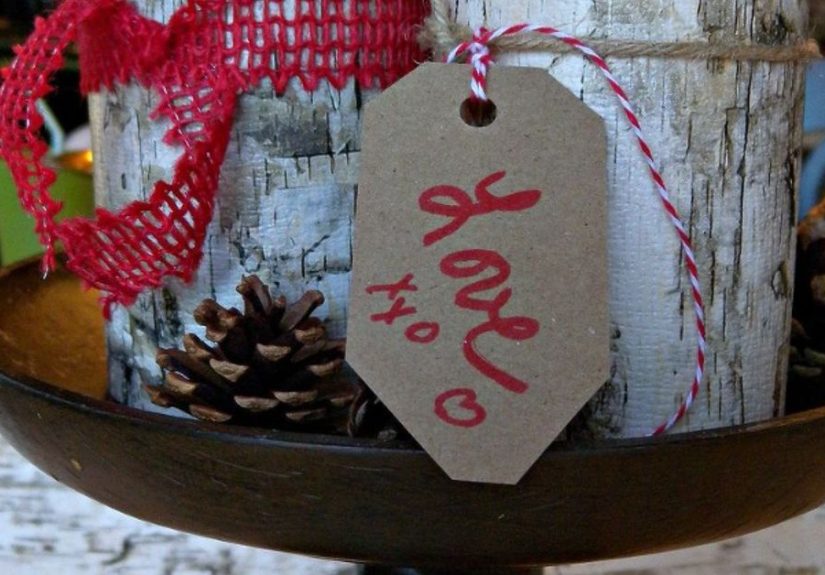
Sometimes the makeover is just the packaging: remove labels, clean the jar, add a minimal label of your own,
tie on a linen ribbon, and boomgift-ready candle that looks like it came from a boutique.
Common Problems and How to Fix Them
My candle is “sweating” (oil beads on top)
That can happen when there’s too much fragrance for the wax to hold, or the fragrance wasn’t mixed in thoroughly.
Try a lower fragrance load next time and stir gently but consistently when adding fragrance.
My candle still tunnels after the makeover
Check three things: (1) wick size, (2) drafty placement, and (3) first burn duration.
Burn long enough for the melt pool to reach the edges, and keep the candle away from vents or open windows.
My candle makes a tall flame and leaves soot
Trim the wick to about 1/4 inch before each burn. If it still soots heavily, you may need a smaller wick or a cleaner burn environment.
How to Keep Your “New” Candle Looking New
- Trim the wick before each burn (about 1/4 inch).
- Avoid drafts so the flame burns evenly.
- Don’t leave it unattendedever.
- Don’t burn all day; long burns can overheat containers and reduce fragrance performance over time.
- Stop burning before the bottom is bare; leaving a bit of wax can help protect the container from overheating.
Real-World Makeover Stories (About )
To make this feel less like a laboratory manual and more like real life, here are a few “you’ll-recognize-yourself” makeover moments
people commonly run into when rescuing old, melted candles.
The “Vanilla Tunnel of Doom” Rescue
You buy a cozy vanilla candle, light it for 40 minutes (because you’re busy being a functional human), and suddenly it starts tunneling.
Now it looks like a waxy donut with a tiny flame in the middle. The first instinct is to declare it broken and move on. But the foil trick
is basically a second chance in aluminum clothing. You wrap the top, let it burn until the wax reaches the edges, andsurprisinglyyour candle
stops acting like it’s digging to freedom. After that, you commit to longer first burns, and the candle behaves. It’s not magic; it’s heat
management. But it feels like magic, which is honestly the point of candles anyway.
The “Mixed Scents” Experiment That Almost Went Sideways
At some point, nearly everyone tries the “let’s melt all the leftovers together” approach. It sounds efficient, like meal prep for home fragrance.
Sometimes it workslike combining citrusy summer candles into one bright, clean blend. Other times, it gets chaotic. One very common lesson:
keep bold seasonal scents (pumpkin spice, pine, strong florals) in their own lane. When you group wax by scent family and test small batches first,
you get blends that smell intentional instead of… confusing. The biggest upgrade isn’t fancy supplies; it’s learning to treat scent mixing like you’d
treat cooking. You don’t dump every spice in the cabinet into one pot and hope for the best (unless you’re actively trying to invent chaos chili).
The “Pretty Jar, Ugly Label” Glow-Up
Some candles are finethe jar is gorgeous, the wax is decentbut the label looks like it survived a flood. Removing wax, washing the jar, and
cleaning off sticky residue turns a “used item” into something that looks brand new. Then you add a simple label (even just a small line of text:
“Cedar + Amber”), tie a ribbon, and suddenly it’s giftable. This is the candle equivalent of washing your car and realizing it was actually a nice
color all along.
The “I Made Minis and Now I’m That Person” Moment
The tipping point is when you repour leftovers into small, heat-safe containers and they come out clean, centered, and smooth. You light one,
it burns evenly, and you think, “Wait… I did that.” Next thing you know, you’re saving jars, keeping a little wick stash, and telling friends,
“Don’t throw that awayI can fix it.” It’s not just about saving money (though you will). It’s about the satisfaction of turning a half-used,
lopsided candle into a fresh, polished one that looks intentional. That’s the makeover: not perfection, but usefulness with a glow.
Conclusion
Giving old, melted candles a makeover is part practical, part creative, and part “I refuse to lose this battle to a wax crater.”
Start with quick fixes like leveling and de-tunneling. If the candle needs bigger help, repour with a fresh wick and better burn habits.
And if you end up with leftover wax, turn it into wax melts or mini candles instead of tossing it. Your home smells better, your candle stash lasts longer,
and your “candle graveyard” becomes a candle comeback story.