Table of Contents >> Show >> Hide
- What Is a Glass Sheet Kitchen Backsplash?
- Why Homeowners Love Glass Sheet Backsplashes
- Popular Design Options for a Glass Sheet Backsplash
- What to Know Before You Commit
- How Much Does a Glass Sheet Kitchen Backsplash Cost?
- Where Glass Sheet Backsplashes Work Best
- How to Style a Glass Sheet Backsplash So It Looks Expensive
- Maintenance and Cleaning Tips
- Real-Life Experience: What It Is Actually Like to Live With a Glass Sheet Kitchen Backsplash
- Final Thoughts
If tile is the chatty extrovert of kitchen design, a glass sheet kitchen backsplash is the cool minimalist in a black turtleneck who somehow makes everyone else look overdressed. It is sleek, glossy, modern, and wonderfully free of grout lines. For homeowners who want a kitchen that feels brighter, cleaner, and a little more custom, sheet glass backsplashes have become a seriously attractive alternative to traditional tile.
That does not mean they are the right fit for every kitchen. A glass backsplash can look stunning, but it also requires smart planning, precise measurements, and realistic expectations about cost, installation, and day-to-day use. In other words, this is not a “slap it on and hope for the best” project. It is more of a “measure twice, admire forever” situation.
Below, we will break down what a glass sheet backsplash is, why so many homeowners love it, where it works best, what it costs, and what the real-life experience is like once the installers leave and the spaghetti sauce starts flying.
What Is a Glass Sheet Kitchen Backsplash?
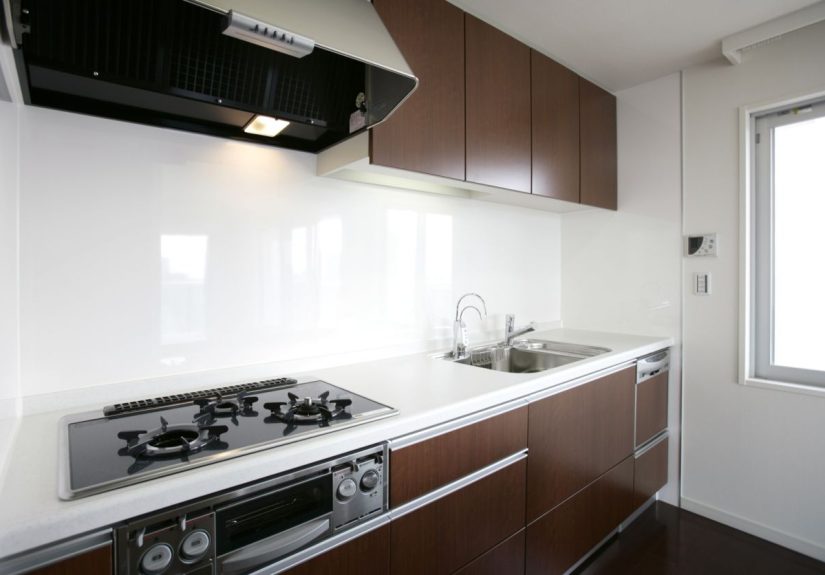
A glass sheet backsplash is exactly what it sounds like: one large panel, or a few custom-cut panels, of glass installed behind counters, sinks, or ranges in place of tile. Unlike glass mosaic or subway tile, it creates a smooth, nearly seamless surface. That grout-free finish is a big part of the appeal. Instead of dozens of little joints collecting grease and mystery splatter, you get one clean plane that wipes down fast.
Most glass sheet backsplashes are back-painted, meaning the color is applied to the reverse side of the glass so the visible surface stays glossy, protected, and easy to clean. Clear tempered glass can also be installed over wallpaper, painted drywall, or another decorative surface if you want protection without visually covering up the design underneath. That makes the material surprisingly flexible, even though it looks very streamlined.
In style terms, glass sheet backsplashes lean modern, contemporary, transitional, and minimalist. But they are not limited to ultra-sleek show kitchens. Used thoughtfully, they can also soften a traditional kitchen, brighten a galley layout, or make a compact cooking zone feel less boxed in.
Why Homeowners Love Glass Sheet Backsplashes
1. They deliver a clean, grout-free look
This is the headline feature. With tile, the eye sees pattern, lines, repetition, and texture. With sheet glass, the eye gets a calm visual break. That smooth finish can make cabinets, countertops, statement hardware, or a sculptural range hood stand out more clearly. If your kitchen already has a lot going on, such as dramatic stone counters, open shelving, mixed metals, or a colorful island, a glass backsplash can act like a visual deep breath.
2. They bounce light around the room
Reflective materials tend to make kitchens feel brighter and more spacious, and glass is especially good at this trick. In small kitchens, narrow galley layouts, and darker cooking zones, a glass backsplash can help light travel farther. It will not magically create a cathedral ceiling or knock down walls, unfortunately, but it can make a modest kitchen feel more open and less cave-like.
3. They are easy to clean
This is where glass sheet backsplashes start sounding like a love letter to busy households. Tomato splatter, coffee drips, oil mist, and the occasional mysterious sauce explosion are much easier to wipe from a flat sheet of glass than from textured tile and grout. Because the surface is nonporous, it does not need sealing the way some natural stone materials do. That is a major plus for homeowners who want a kitchen that looks polished without becoming a part-time cleaning job.
4. They feel custom
Tile can be beautiful, but it is also familiar. A sheet glass backsplash feels a little more tailored. You can choose specific colors, custom dimensions, low-iron glass for a clearer appearance, frosted finishes for softness, or even a clear glass panel installed over wallpaper or painted artwork. It offers a made-for-this-room feel that many off-the-shelf backsplash materials simply cannot match.
Popular Design Options for a Glass Sheet Backsplash
Back-painted glass
This is the classic choice. A color is applied to the back of the glass, creating a smooth, rich surface that reads as one uninterrupted field of color. White, soft gray, warm greige, navy, muted sage, and inky charcoal all work beautifully. If you want a modern kitchen backsplash that still feels timeless, this is often the sweet spot.
Low-iron glass
Standard clear glass often has a slight green cast, especially at the edges. Low-iron glass reduces that tint and gives a cleaner, truer appearance. This matters most with white paint, pale neutrals, pastels, and other colors where clarity is everything. If your dream kitchen is crisp, airy, and quietly expensive-looking, low-iron glass is worth a serious look.
Clear glass over wallpaper or paint
This approach lets you keep pattern, mural work, or a decorative wall treatment while protecting it from kitchen mess. It is an excellent move if you want something artistic or organic but still practical. Think botanical wallpaper behind a coffee station, a moody paint color around a bar nook, or a subtle handmade paper effect behind open shelves.
Frosted or matte-look glass
Not everyone wants maximum shine. Frosted glass softens reflections, hides smudges a bit better, and can make a kitchen feel more muted and architectural. It is a strong option for homeowners who like the clean plane of sheet glass but do not want a glossy finish shouting for attention.
Mirrored glass
This is the bold cousin. A mirrored backsplash can dramatically expand the feel of a small kitchen and add real glamour, but it is a commitment. Done well, it is sophisticated and dramatic. Done poorly, it can feel like your toaster is auditioning for a nightclub. Use with confidence and restraint.
What to Know Before You Commit
Heat matters
If the backsplash will sit behind a stove or cooktop, tempered glass is the smart choice. Tempered glass is designed for better durability and heat resistance, and it is the standard recommendation for higher-heat applications. This is not the place to get creative with shortcuts.
Measurements must be exact
Glass is not forgiving. Once tempered, it cannot be cut, drilled, or casually “adjusted” on-site. Outlet locations, switch plates, corners, seams, and edge details all need to be planned before fabrication. If your wall is a little wonky, which many walls secretly are, the measurements need to account for that too.
Large walls may need seams
One big sheet looks fantastic, but very wide installations may require multiple panels joined together. A seam is not necessarily a design problem, but it should be planned intentionally. If you are expecting a totally continuous wall, confirm what panel sizes are possible before you fall in love with the idea.
Glass can scratch
Glass is durable, but it is not invincible. It can scratch if you attack it with abrasive cleaners, rough pads, or careless hardware. The good news is that normal cleaning is simple. The less-good news is that “normal cleaning” should not involve the kind of sponge you use when you are angry at baked-on lasagna.
Installation is usually a professional job
Because sheet glass is heavy, fragile during handling, and fully dependent on exact fabrication, professional installation is usually the wise route. A backsplash panel may look simple when finished, but getting it there involves careful measuring, proper adhesives, edge sealing, and a very low tolerance for mistakes.
How Much Does a Glass Sheet Kitchen Backsplash Cost?
A glass sheet backsplash is usually not the bargain-bin option. Installed sheet glass commonly lands higher than basic ceramic or porcelain tile, especially when you add custom color, low-iron material, cutouts, or full-height coverage. A useful planning range for sheet glass is roughly $45 to $60 per square foot, though premium finishes and specialty colors can push the number higher.
For the overall kitchen backsplash project, many homeowners still land around the $1,000 mark, but total cost depends heavily on wall size, labor rates, material choice, removal of old backsplash, and how many outlets and tricky cuts are involved. Labor can also add up quickly, especially for full-height installations that extend from the countertop to the ceiling.
In short, if you want the easiest route to “backsplash done,” basic tile is often cheaper. If you want a custom, modern, grout-free statement, glass sheet backsplashes earn their price by looking polished and staying easy to maintain.
Where Glass Sheet Backsplashes Work Best
They shine in modern kitchens, minimalist remodels, and small spaces that need more brightness. They are also great for homeowners who cook often and hate scrubbing grout. If your kitchen has flat-panel cabinets, slab doors, integrated appliances, or a clean-lined hood, sheet glass will look right at home.
They also work well when you want the backsplash to support the rest of the room rather than compete with it. For example, if your quartz countertop has bold movement or your cabinetry color is the star, a single sheet of painted glass can provide protection without creating another pattern war on the wall.
That said, they are not always the best choice for rustic farmhouse kitchens, heavily textured spaces, or rooms where you want the backsplash itself to add handcrafted charm. In those cases, zellige, beadboard, stone, or traditional tile may feel more natural.
How to Style a Glass Sheet Backsplash So It Looks Expensive
- Take it to the ceiling: Full-height installation looks more architectural and intentional than a short strip that stops awkwardly.
- Match the mood of the kitchen: Crisp white and low-iron glass feel airy; deep green or smoky blue feels moody and custom.
- Mind the edges: Clean transitions around windows, shelves, and cabinets make the difference between “designer kitchen” and “weekend experiment.”
- Pair it with strong lighting: Under-cabinet lights and natural daylight help the glass do its reflective, space-enhancing magic.
- Keep surrounding materials intentional: Because the backsplash is smooth and minimal, nearby textures matter more. Wood tones, stone movement, brushed metals, and matte cabinetry all stand out beautifully against glass.
Maintenance and Cleaning Tips
The maintenance routine is refreshingly simple. Use a soft cloth or microfiber towel with a gentle glass cleaner or mild soap and water. Wipe splatters sooner rather than later, especially near the cooktop where grease can build up over time. Avoid abrasive scrubbers, harsh powders, or anything that could dull or scratch the finish.
Also keep an eye on edge caulking and sealed joints. A glass backsplash is low-maintenance, not no-maintenance. If moisture slips behind the panel because of a failing seal, you can end up with the sort of hidden issue nobody wants to discover during a cheerful Sunday cleaning spree.
Real-Life Experience: What It Is Actually Like to Live With a Glass Sheet Kitchen Backsplash
Now for the part homeowners really care about: what is the day-to-day experience like after the Instagram reveal and before the next renovation fantasy begins?
In daily use, a glass sheet backsplash tends to make the kitchen feel calmer. That sounds dramatic for a wall surface, but it is true. Without grout lines, mosaics, or heavy texture, the room reads more cleanly. Counters look less cluttered. Light feels softer and more even. In a small kitchen, especially one with limited windows, the reflective surface can make the space feel awake earlier in the day and less gloomy in the evening.
Homeowners who cook often usually appreciate the easy cleanup first. Splashes from frying, pasta sauce near the range, smoothie drips near the prep area, and coffee splatter around the espresso machine are all easier to spot and wipe away. Instead of scrubbing grout with a toothbrush and questioning every life choice that led to this moment, you can usually handle the mess with a cloth and a quick spray. That convenience becomes more noticeable the longer you live with it.
There is also a visual satisfaction to the material that tile does not always provide. A back-painted glass panel can look polished in both senses of the word. It catches under-cabinet lighting beautifully, reflects candlelight during dinner, and gives even simple kitchens a more finished, intentional look. When paired with quartz counters or slab-front cabinets, it can make the entire room feel more custom without adding visual noise.
Of course, living with glass also means learning its personality. A glossy panel may show fingerprints, streaks, or greasy haze more readily than a textured tile. If you are the sort of person who notices every smudge from across the room, you may find yourself wiping it often. Matte or frosted finishes can reduce that effect somewhat, but most homeowners who choose glossy glass do so because they love the reflective look enough to accept the occasional swipe-down.
Another common experience is that the backsplash quietly changes how the rest of the kitchen is perceived. Because the wall becomes smoother and brighter, cabinets, hardware, and countertop details stand out more. This is wonderful if you love those details. It is less wonderful if you were hoping no one would notice the slightly tired cabinet paint or the outlet cover you forgot to replace. Glass is flattering, but it is also honest.
In family kitchens, the material generally performs well, especially around sinks and high-splash areas. It resists moisture better than many porous materials and does not bring grout-maintenance headaches. In entertaining spaces, it feels sophisticated without being fussy. In compact homes or condos, it can make a kitchen feel larger than its square footage suggests, which is a design trick nobody complains about.
Overall, the lived experience of a glass sheet kitchen backsplash is less about drama and more about ease. It looks sleek, cleans quickly, brightens the room, and makes the kitchen feel a little more tailored every single day. That is not flashy marketing language. That is just what happens when a practical material also happens to look really good.
Final Thoughts
Glass sheet kitchen backsplashes are not the cheapest backsplash option, and they are not the most forgiving for DIY mistakes. But for the right kitchen, they deliver a rare combination of style and practicality. They are bright, modern, easy to wipe down, and wonderfully free of grout drama. They can be colorful or subtle, glossy or soft, boldly custom or quietly architectural.
If you want a kitchen backsplash that feels clean, contemporary, and custom-made for your space, sheet glass deserves a place on your shortlist. Choose tempered glass where heat is involved, get the measurements exactly right, and think carefully about finish, color, and height. Do that, and your backsplash may end up being one of the smartest design decisions in the room.