Table of Contents >> Show >> Hide
- What Are Gorditas de La Villa?
- Ingredients You’ll Need
- Equipment
- Recipe Card: Gorditas de La Villa (Corn Griddle Cakes)
- How to Serve Gorditas de La Villa
- Variations and Smart Substitutions
- Troubleshooting (Because Masa Has Opinions)
- Storage and Reheating
- Quick FAQ
- Nutrition Snapshot (Approximate)
- Final Thoughts
- Experience Notes: The Little Moments That Make Gorditas de La Villa Special (Extra )
If pancakes and tortillas had a delicious little baby who grew up hanging out near a comal in Mexico City,
it would probably be a Gordita de La Villa. These are small, slightly sweet corn griddle cakes
made from masa harina (nixtamalized corn flour), warmed on a skillet until they puff and freckle with golden spots.
They’re simple, nostalgic, and dangerously “just one more” snackable.
This guide walks you through an authentic-style Gorditas de La Villa recipe (the kind sold warm and wrapped
in paper near church plazas), plus smart substitutions, troubleshooting tips, and fun serving ideasfrom
cajeta and jam to dunking into Mexican hot chocolate.
What Are Gorditas de La Villa?
“Gordita” literally translates to something like “little chubby one,” which is honestly adorable and accurate.
But not all gorditas are the same. Many U.S.-based recipes focus on savory gorditas that get sliced and stuffed
with beans, meat, salsa, and cheese. Gorditas de La Villa, on the other hand, are typically:
- Small (often “silver-dollar” sized)
- Slightly sweet, more like a rustic corn cake than a sandwich pocket
- Griddle-cooked on a comal or skillet (not deep fried)
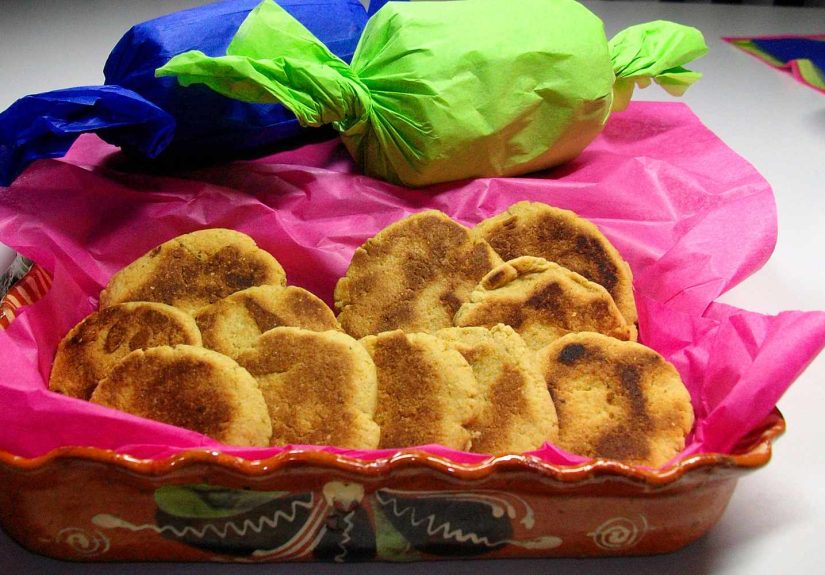
- Best served warm, sometimes wrapped in paper like a cozy edible burrito of joy
The name “La Villa” is tied to the Villa de Guadalupe area in Mexico Citywhere vendors are known for selling
these warm little cakes to visitors and passersby.
Ingredients You’ll Need
This recipe stays true to the classic profile: corn-forward, gently sweet, and tender. The ingredient list is short,
which means each one matters (yes, even the tiny pinch of saltdon’t skip it; it’s doing important emotional labor).
Core Ingredients
- Masa harina (corn flour for tortillas), 1 cup (about 100 g)
- Brown sugar (light or dark), 1/2 cup packed (about 100 g) or piloncillo
- Lard or vegetable shortening, 1 tablespoon (or softened butter as a swap)
- Egg yolks, 2 large
- Warm water, 3–5 tablespoons (as needed)
- Baking soda, 1/2 teaspoon
- Salt, 1/8 teaspoon
Optional Flavor Boosters (Highly Recommended)
- Ground cinnamon, 1/2 teaspoon
- Vanilla extract, 1/2 teaspoon
- Orange zest, 1/2 teaspoon (tiny amount, big personality)
Ingredient Notes (So Your Gorditas Don’t Get Dramatic)
Masa harina is not the same as cornmeal. It’s made from corn treated with an alkaline solution
(nixtamalization), which changes the flavor, aroma, and ability to form a workable dough. Translation:
if you use cornmeal, your dough will act like sand at a beach partyrefusing to hold hands.
Brown sugar gives a gentle molasses note. If you want a deeper, more traditional caramel vibe,
use piloncillo (grate it first). Either way, the goal is subtle sweetnessnot “birthday cake.”
Lard adds tenderness and old-school street-snack flavor. If you don’t use lard, shortening works well.
Butter is tasty too, just slightly different in aroma.
Equipment
- Large mixing bowl
- Fork (or pastry cutter) for mixing in fat
- Measuring cups/spoons
- Nonstick skillet, cast iron skillet, or comal/griddle
- Spatula
- Clean kitchen towel or tortilla warmer (to keep them warm)
Recipe Card: Gorditas de La Villa (Corn Griddle Cakes)
Yield: About 22–26 small gorditas (2-inch cakes)
Prep time: 10 minutes | Cook time: 20–25 minutes
Ingredients
- 1 cup (about 100 g) masa harina
- 1 tablespoon lard or vegetable shortening (or softened butter)
- 1/2 cup packed brown sugar (about 100 g), or grated piloncillo
- 1/2 teaspoon baking soda
- 1/8 teaspoon salt
- 2 large egg yolks
- 3–5 tablespoons warm water (add gradually)
- Optional: 1/2 teaspoon cinnamon, 1/2 teaspoon vanilla, 1/2 teaspoon orange zest
Instructions
- Mix the base. In a bowl, combine masa harina and lard/shortening. Use a fork to mash and blend until it looks evenly crumbly.
- Add sweet + lift. Stir in brown sugar, baking soda, and salt (plus cinnamon/orange zest if using). Mix well so the sugar distributes evenly.
- Hydrate the dough. In a small bowl, whisk egg yolks with 3 tablespoons warm water. Pour into the masa mixture and stir with a fork,
then switch to your hands. Knead gently until a soft dough forms. If it feels dry or cracks, add warm water 1 teaspoon at a time.
The dough should be smooth, pliable, and easy to shapenot sticky. - Shape. Pinch off dough and roll into 1-inch balls. Flatten each into a disk about 2 inches wide and just under 1/2 inch thick.
Keep your hands slightly damp to prevent sticking. - Cook on a comal/griddle. Heat a dry skillet or comal over medium heat. Cook gorditas in batches for about 2–3 minutes per side.
Flip when the edges look drier and the surface starts to puff slightly. Continue until both sides show golden-brown freckles and the centers feel cooked. - Keep warm. Transfer cooked gorditas to a towel-lined basket or plate and cover. Serve warm for maximum joy.
How to Serve Gorditas de La Villa
These are best warmwhen the corn aroma is loud, the sugar is cozy, and your willpower is quietly packing its bags.
Here are classic and crowd-pleasing ways to serve:
Traditional-Style Toppings
- Cajeta (goat’s milk caramel) for a silky, candy-like finish
- Fruit jam (strawberry, guava, apricot)
- Sweetened condensed milk (a little drizzle goes a long way)
- Maple syrup or piloncillo syrup
Drinks That Make It Feel Like a Street-Food Moment
- Mexican hot chocolate (spiced, frothy, perfect for dunking)
- Café con leche
- Atole or champurrado for the ultimate cozy pairing
Party Trick: The Paper “Tube” Wrap
For a fun nod to plaza-style serving, stack 6–8 gorditas and wrap them in parchment or colorful tissue paper,
twisting the ends like a candy wrapper. It’s cute, portable, and makes people feel like you planned a whole vibe.
Variations and Smart Substitutions
Piloncillo Swap
If you can find piloncillo, grate it and use it in place of brown sugar. Start with the same volume and adjust if you want
a deeper caramel flavor. Piloncillo can be stronger, so your gorditas may taste more “toasty-sweet.”
Butter Instead of Lard
Butter works well and tastes great, though the flavor becomes slightly more “breakfast pastry” and less “street snack.”
Still delicious. No one will call the cops.
Egg-Free Option
The yolks add tenderness and richness. If you need egg-free, use 2 tablespoons neutral oil plus a splash more warm water,
and add 1/2 teaspoon baking powder (in addition to the baking soda) for a little lift. Texture will be slightly different,
but you’ll still get a sweet corn cake that cooks up nicely on a skillet.
Make Them a Little More “Dessert”
- Add cinnamon + vanilla
- Top with whipped cream and a dusting of cocoa
- Serve with berries and a thin drizzle of honey
Make Them Less Sweet (Breakfast-Friendly)
Reduce sugar to 1/3 cup and add a tiny pinch more salt. Serve with butter and a smear of jam. It’s not traditional-traditional,
but it’s extremely “I want this again tomorrow.”
Troubleshooting (Because Masa Has Opinions)
Dough is cracking when I flatten it
It’s too dry. Add warm water 1 teaspoon at a time and knead briefly. Masa hydrates gradually, so give it a minute after each splash.
Dough feels sticky
Add a teaspoon of masa harina, knead, and reassess. Sticky usually means over-hydrated (or your kitchen is humid and the dough is living its best life).
Gorditas are browning too fast
Lower the heat. Medium heat is your friendtoo hot and you’ll get dark spots before the centers cook through.
Gorditas taste flat
Add a pinch more salt and try cinnamon or orange zest. Also, make sure your sugar is well distributedsweetness should be even, not spotty.
They’re dry the next day
Reheat gently on a skillet for 30–60 seconds per side, or microwave briefly under a damp paper towel. Warmth brings back tenderness.
Storage and Reheating
- Room temperature: Store in an airtight container for up to 2 days.
- Refrigerator: Up to 4 days, but reheat for best texture.
- Freezer: Freeze in a sealed bag with parchment between layers for up to 2 months.
Reheat tip: A dry skillet over medium-low heat is the best way to restore that fresh-comal feel.
Quick FAQ
Are Gorditas de La Villa gluten-free?
Yeswhen made with 100% masa harina and no wheat flour. Always check your masa harina package for allergen statements if you’re sensitive.
Can I use cornmeal instead of masa harina?
Not for this style. Cornmeal doesn’t form the same cohesive dough because it isn’t nixtamalized in the same way.
Do I need a tortilla press?
Nope. These are thick and smallyour hands are the best tool. Slightly damp hands make shaping much easier.
Can I make them bigger?
You can, but keep them thick and cook a little longer on lower heat so the centers cook through.
The classic charm is in the small, snackable size.
Nutrition Snapshot (Approximate)
Exact nutrition varies by sugar and fat choices, but these are generally a light snack-sized treatsmall cakes with a corn base,
modest fat, and gentle sweetness. If you want to lighten them, reduce sugar slightly and use vegetable shortening or a small amount of oil.
If you want them richer, lard and piloncillo will happily take the job.
Final Thoughts
Gorditas de La Villa are proof that the best foods don’t always need fancy techniquesjust the right ingredients,
a warm griddle, and the patience to cook them gently until they puff and freckle. Make a batch, keep them wrapped in a towel,
and serve them warm with something sweet on top. Congratulations: your kitchen now smells like a tiny festival.
Experience Notes: The Little Moments That Make Gorditas de La Villa Special (Extra )
There’s something uniquely comforting about foods that are meant to be eaten warm, by hand, and without a lot of ceremony.
Gorditas de La Villa fall right into that category. They’re not trying to be a towering brunch masterpiece.
They’re the kind of snack that feels like it’s been around foreverbecause it basically has. The experience starts before you take
a bite: it begins the moment the dough comes together and your kitchen starts smelling like warm corn and brown sugar.
Many home cooks notice the first “aha” moment when they add water to masa harina. It transforms quicklyfrom dry flour to a soft dough
that feels almost like clay. It’s oddly satisfying, like you’re making something with your hands that’s both simple and deeply traditional.
Once you start rolling the little balls, the process becomes rhythmic. Roll, flatten, set aside. Roll, flatten, set aside.
It’s the kind of repetitive cooking that makes time slow down in a good way. If you’ve ever cooked with someone you loveparent, grandparent,
sibling, friendthis is the kind of recipe that naturally invites a second pair of hands.
Then there’s the cooking itself: the quiet drama of the comal (or skillet). At first, nothing happens. The gordita just sits there,
looking pale and innocent. But after a couple minutes, the edges start to dry, and tiny brown freckles appear like constellations.
Sometimes you’ll see a small puff in the centerlike it’s taking a proud little breath. That’s your signal that you’re on the right track.
Flip it, and the second side gets its own golden spots. The smell at this stage is the whole point: toasted corn, caramel warmth, and that
subtle richness from the fat in the dough.
Serving them is where the “experience” really becomes a vibe. Wrapped in a towel, they stay warm and soft, and everyone who walks by
tends to grab one “just to taste.” The first bite is tender and slightly crumbly, not fluffy like cake, not chewy like a tortillasomething
in between, with a gentle sweetness that feels more cozy than sugary. Add cajeta and it turns glossy and dessert-like.
Add jam and it becomes breakfast-friendly. Add condensed milk and suddenly it’s a full-on treat that makes people close their eyes
for a second (you know the look).
If you serve these with Mexican hot chocolate or atole, the experience levels up. Warm gordita plus warm drink is a classic pairing
because it turns snacking into lingering. People slow down. They talk more. They hover near the kitchen because that’s where the warmth is.
And because gorditas are small, they encourage sharingsomeone will offer you one with a different topping, or you’ll end up cutting one in half
to “try both.” Before you know it, the whole batch is almost gone and you’re already planning the next one.
The best part is that gorditas de La Villa don’t demand perfection. If they’re a little thicker, they feel heartier. If they’re a little thinner,
they crisp a bit more. If your brown sugar is darker, they taste deeper. If you add cinnamon, they taste like winter mornings.
This is comfort food that adapts to your kitchenand still feels like it belongs to a bigger story than just one recipe.