Table of Contents >> Show >> Hide
- First Things First: Are They Yams or Sweet Potatoes?
- What Makes Grandma’s Candied Yams So Good?
- Grandma’s Candied Yam Recipe (Classic Baked Version)
- Pro Tips: How to Get That Perfect Sticky-But-Not-Runny Glaze
- Easy Variations (Same Grandma Soul, Different Outfit)
- Common Mistakes (and How to Avoid Them)
- Make-Ahead, Storage, and Reheating (Because Life Is Busy)
- Serving Ideas (Beyond Thanksgiving)
- FAQ
- of “Grandma Candied Yam” Experiences (Because That’s Half the Flavor)
- SEO Tags
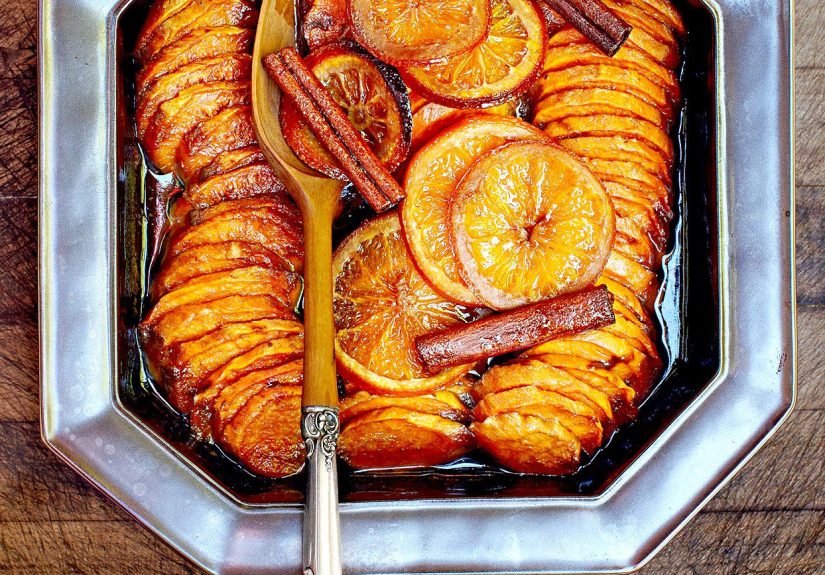
Every family has that dishthe one that shows up like clockwork on holidays, disappears suspiciously fast, and somehow tastes better when served from a slightly chipped casserole dish that “has always been here.” For a lot of us, that dish is Grandma’s candied yams: sweet potatoes baked until tender, then coated in a glossy, buttery brown-sugar glaze that smells like cinnamon, nostalgia, and absolutely zero regrets.
This guide gives you a classic, old-school “Grandma style” candied yam recipe (with a few smart modern touches), plus the why behind each step so you can nail that soft-but-not-mushy texture and that syrup that clings like it pays rent. We’ll also cover easy variations, make-ahead tips, and the most common mistakes that turn candied yams into sweet potato soup (no judgmentonly solutions).
First Things First: Are They Yams or Sweet Potatoes?
In most American kitchens, “candied yams” are made with sweet potatoes. True yams (the tropical tuber with bark-like skin) are a different plant entirely and are relatively uncommon in many U.S. grocery stores. The name “yam” stuck in the U.S. thanks to history, marketing, and a whole lot of family tradition. Bottom line: if your “yams” are orange, sweet, and bake up creamycongrats, you’ve got sweet potatoes, and you’re exactly where you need to be.
What Makes Grandma’s Candied Yams So Good?
Grandma’s version usually has three magic tricks:
- Even slices so everything cooks at the same pace (no crunchy pieces hiding in the corner).
- Low-and-slow baking so the sweet potatoes absorb flavor instead of falling apart.
- A real glazebutter + brown sugar + warm spicesreduced just enough to turn shiny and spoon-coating.
It’s not complicated food. It’s reliable food. And reliable food is what keeps family gatherings from turning into a snack-based free-for-all.
Grandma’s Candied Yam Recipe (Classic Baked Version)
Quick Recipe Snapshot
- Prep time: 20 minutes
- Bake time: 60–75 minutes
- Total time: About 1 hour 30 minutes
- Serves: 8–10 (or 6 if your family “just tastes” it 14 times)
Ingredients
- 3 pounds sweet potatoes (about 5–6 medium), peeled
- 1/2 cup (1 stick) unsalted butter
- 3/4 cup packed brown sugar (dark or light)
- 1/4 cup granulated sugar (optional, for a more “candy” style glaze)
- 1/3 cup orange juice (or apple juice) + 1 teaspoon zest (optional but highly recommended)
- 1 teaspoon ground cinnamon
- 1/4 teaspoon ground nutmeg
- Pinch of cloves (optional, but use a light hand)
- 1/2 teaspoon kosher salt (yes, even in sweet dishes)
- 2 teaspoons vanilla extract
- 2 tablespoons corn syrup or maple syrup (optional, for extra gloss and smoother texture)
Optional Toppings (Pick Your Team)
- Pecans: 3/4 cup toasted, roughly chopped
- Marshmallows: 2 cups mini marshmallows (add near the end)
- “Grown-up” twist: 1–2 tablespoons bourbon (stir into glaze after melting butter)
Step-by-Step Instructions
- Preheat the oven to 350°F. Butter a 9×13-inch baking dish (or any deep casserole dish).
- Slice the sweet potatoes evenly into 1/2-inch rounds.
Grandma note: Thicker slices stay intact better; thinner slices get softer faster. Aim for consistency. - Optional par-cook for insurance (recommended if your sweet potatoes are very large): Place slices in a pot, cover with water, bring to a gentle simmer, and cook 6–8 minutesjust until slightly tender at the edges. Drain well.
Why? Par-cooking helps the middle get tender without over-browning the glaze. - Arrange slices in the baking dish in overlapping layers.
- Make the glaze: In a saucepan over medium heat, melt the butter. Stir in brown sugar (and granulated sugar if using), orange juice, cinnamon, nutmeg, cloves (if using), salt, and corn/maple syrup (if using). Simmer 2–3 minutes until smooth and glossy. Remove from heat and stir in vanilla.
Why simmer? You’re dissolving sugar and starting the syrup so it bakes into a glaze instead of staying grainy. - Pour the glaze evenly over the sweet potatoes. Gently nudge slices so the syrup seeps between layers.
- Cover and bake for 30 minutes (foil works great).
Why cover? It steams the sweet potatoes so they soften before the top gets too dark. - Uncover, baste, and finish: Remove foil. Spoon glaze over the top. Bake 30–45 minutes more, basting every 15 minutes, until the sweet potatoes are fork-tender and the syrup is thick.
- If using marshmallows: Sprinkle them over the top during the last 8–10 minutes of baking. Broil for 30–60 seconds at the end for extra colorwatch closely (marshmallows go from “golden” to “bonfire incident” fast).
- Rest 10–15 minutes before serving. The glaze thickens as it cools slightly, and the whole dish sets up beautifully.
Pro Tips: How to Get That Perfect Sticky-But-Not-Runny Glaze
Tip 1: Don’t drown the dish in liquid
A little citrus juice adds brightness, but too much turns your glaze into sweet potato bathwater. If you want more orange flavor, use zestit delivers fragrance without thinning the syrup.
Tip 2: Salt is not optional
Salt keeps the dish from tasting one-note sweet. It sharpens the butter, deepens the caramel notes, and makes the cinnamon feel warmer instead of dusty.
Tip 3: Baste like you mean it
Basting helps the top stay glossy and keeps slices flavorful all the way through. If you skip it, the top dries out and the sauce pools at the bottom like it’s sulking.
Tip 4: If the glaze is thin, you can fix it
If you pull the dish out and the syrup still seems watery, don’t panic. Remove the sweet potatoes to a serving dish, pour the sauce into a saucepan, and simmer 3–6 minutes until it coats a spoon. Then pour it back over the top. Nobody needs to know. (Except you. And now me.)
Easy Variations (Same Grandma Soul, Different Outfit)
Southern Creamy Candied Yams
Add 1/4 cup heavy cream to the glaze while it simmers. The sauce becomes richer and slightly fudgythink caramel sauce’s responsible cousin.
Maple-Pecan Candied Sweet Potatoes
Swap the optional corn syrup for pure maple syrup, add a pinch of cinnamon + a whisper of ginger, and finish with toasted pecans. It tastes like fall wore a cashmere sweater.
Marshmallow-Top “Holiday Classic”
If your family expects marshmallows, lean in. Add them near the end so they puff and toast without dissolving into the sauce. Want balance? Sprinkle chopped pecans over the marshmallows right after they come outcrunch + gooey is a winning alliance.
Dairy-Free / Vegan Version
Use a good plant-based butter and choose maple syrup instead of corn syrup. The result is still glossy, still cozy, and still very capable of stealing the show.
Common Mistakes (and How to Avoid Them)
- Mistake: Slices are all different thicknesses.
Fix: Cut 1/2-inch rounds. Consistency is the secret ingredient Grandma didn’t write down. - Mistake: Sweet potatoes fall apart.
Fix: Don’t over-parboil. Bake covered first, and handle gently when basting. - Mistake: Grainy sauce.
Fix: Simmer the glaze a few minutes before baking so sugar dissolves completely. - Mistake: Too sweet, almost candy-store intense.
Fix: Use only brown sugar (skip granulated), add extra salt, and use zest for flavor instead of more sugar.
Make-Ahead, Storage, and Reheating (Because Life Is Busy)
Candied yams are a superstar make-ahead dish. In fact, the flavors often deepen overnight.
Make-Ahead Options
- Option A: Assemble everything (sliced potatoes + glaze) in the baking dish, cover, and refrigerate up to 24 hours. Bake when ready.
- Option B: Bake fully, cool, refrigerate, and reheat before serving. Add marshmallows only during the final reheat.
Storage & Food Safety
Refrigerate leftovers promptly. A good rule: get the dish into the fridge within 2 hours of serving (sooner if your kitchen is warm). Store in shallow containers so it cools quickly, and keep your refrigerator at 40°F or below.
Reheating Tips
- Oven (best): 325°F, covered, 20–30 minutes until warmed through. Uncover at the end to re-gloss the top.
- Microwave (fast): Use medium power and stir gently between bursts so the syrup doesn’t scorch.
Serving Ideas (Beyond Thanksgiving)
Candied yams aren’t just a holiday side dish. They’re a sweet-savory MVP alongside roast chicken, glazed ham, pork chops, or even spicy barbecue. Want a fun brunch move? Warm a small scoop and serve it next to bacon and eggsyour breakfast will feel like it got invited to a nicer party.
FAQ
Can I use canned yams?
You can, and it’s quicker, but the texture will be softer and more uniform. If you use canned, reduce baking time significantly and go lighter on extra liquids. Homemade sweet potatoes deliver the best “Grandma” texturetender slices that still hold their shape.
What sweet potatoes are best?
Orange-fleshed sweet potatoes (often labeled Garnet, Jewel, Beauregard, or similar varieties) give you that classic color and creamy interior. Pick firm potatoes without soft spots or wrinkles.
How do I keep the glaze from burning?
Bake covered first, keep the oven at 350°F, and don’t let the dish run drybaste occasionally. If your sauce reduces too quickly, loosely cover with foil for part of the uncovered bake.
of “Grandma Candied Yam” Experiences (Because That’s Half the Flavor)
If you grew up with Grandma’s candied yams, you probably recognize the sound before the taste: the soft clink of a spoon against a pot, the gentle scrape as she “checks” the glaze, and the suspicious pause where you realize she’s tasting it… again… for quality control. (Quality control, obviously, requires multiple samples. It’s basically science.)
The smell is the real time machine. Butter and brown sugar hit the heat and suddenly the whole kitchen feels warmerlike the house itself pulled on a sweater. Cinnamon floats through the air first, then nutmeg follows, and if there’s orange zest in the mix, it’s like someone snapped their fingers and turned “holiday mood” on. Even the people who swear they “don’t like sweet sides” start hovering near the oven as if they were just walking by.
The best part is how the dish brings out everybody’s personality. There’s always someone who calls them “yams” with total confidence, someone else who launches into a passionate sweet potato lecture, and at least one cousin who insists marshmallows are non-negotiable. Grandma, meanwhile, stays calmbecause Grandma knows the truth: people can argue about toppings all they want, but nobody argues with a dish that’s empty by the time plates are cleared.
Then there’s the casserole dish mythology. In many families, the baking dish is practically an heirloom. It may have a tiny chip, a slightly worn pattern, and a vibe that suggests it has seen things. You can make the exact same recipe in a shiny new pan, but it won’t feel quite the same. Put it in the “special dish,” though? Suddenly everyone swears it tastes more authentic. (Is it the dish? Is it the memories? Is it the extra butter? Yes.)
And let’s not forget the sneaky post-meal scoop. When the kitchen is quiet and the party shifts to the living room, somebody always returns “just to wrap leftovers” and somehow ends up with a spoon in hand. The glaze has thickened, the sweet potatoes are even more tender, and the flavors have settled into that cozy, caramel-spiced perfection. It’s the kind of bite that makes you pause and think, Okay. I get why this became a tradition.
That’s the real legacy of Grandma’s candied yams: not just a recipe, but a ritual. A dish that says, “You’re home,” even if you drove six hours to get there. And the best part? When you make them yourselfwhen your kitchen smells like butter and cinnamon and comfortyou’re not just cooking. You’re keeping the story going, one glossy, syrupy spoonful at a time.