Table of Contents >> Show >> Hide
- Why Green Salad Recipes Deserve a Spot on Your Weekly Menu
- How to Build a Great Green Salad (Every Time)
- 5 Fresh Green Salad Recipes to Put on Repeat
- Food Safety and Storage Tips for Leafy Greens
- Making Green Salads Feel Like Real Food (Not a Punishment)
- Real-Life Experiences & Tips with Green Salad Recipes
- Conclusion
If your idea of a green salad is a lonely pile of lettuce hiding under a mountain of croutons and ranch, it’s time for an upgrade.
Modern green salad recipes are colorful, crunchy, satisfying, and anything but boring. With the right mix of leafy greens, toppings, and a good homemade dressing, you can turn a basic bowl of leaves into a crave-worthy meal or side dish.
In this guide, we’ll walk through how to build a balanced green salad, share several easy recipe ideas, and cover tips for keeping your greens safe, fresh, and crisp. Think of it as your friendly, slightly salad-obsessed roadmap to making veggies the best part of the plate.
Why Green Salad Recipes Deserve a Spot on Your Weekly Menu
The nutrition superpower of leafy greens
Leafy greens like romaine, spinach, arugula, kale, and Swiss chard are some of the most nutrient-dense foods you can eat.
They’re typically low in calories and sodium, but rich in vitamins A, C, and K, folate, fiber, and phytonutrients that support heart, brain, and eye health.
Many nutrition experts point out that regularly eating leafy greens is linked with better weight management and a lower risk of chronic disease thanks to their high fiber and antioxidant content.
Different greens bring different strengths. For example:
- Spinach is gentle in flavor but packs iron, folate, and vitamin K.
- Kale and Swiss chard are rich in fiber and vitamin K, plus various antioxidants.
- Arugula offers a peppery kick along with calcium and vitamin C.
- Romaine and green leaf lettuce give you volume, crunch, and hydration with vitamin A and folate.
The short version: when you toss together a big bowl of mixed greens, you’re not just making a side dishyou’re building a vitamin and fiber delivery system.
Healthy fats and toppings that help your body use those nutrients
Many vitamins in leafy greens (like A and K) are fat-soluble, which means your body absorbs them better when you eat them with some healthy fat.
A drizzle of extra-virgin olive oil, a sprinkle of nuts, seeds, avocado, or a bit of cheese helps you get more nutritional mileage from your salad while boosting flavor and texture.
That’s why classic salads often pair greens with olive oil–based vinaigrettes, nuts, or seedsit’s not just taste, it’s smart nutrition strategy.
How to Build a Great Green Salad (Every Time)
The best green salad recipes follow a simple formula. Once you understand the basic structure, you can freestyle with whatever is in your fridge and still end up with something delicious.
The basic green salad formula
-
Start with 1–3 types of greens.
Mix textures and flavors: something crunchy (romaine), something tender (butter lettuce or spinach), and maybe something spicy or bitter (arugula, kale, or radicchio). -
Add colorful veggies or fruit.
Think cucumbers, tomatoes, shredded carrots, bell peppers, radishes, or seasonal fruit like apples, oranges, pears, or berries. -
Layer in crunch.
Nuts (almonds, walnuts, pecans), seeds (pumpkin, sunflower), or whole-grain croutons make the salad feel more satisfying. -
Include a protein if it’s a main dish.
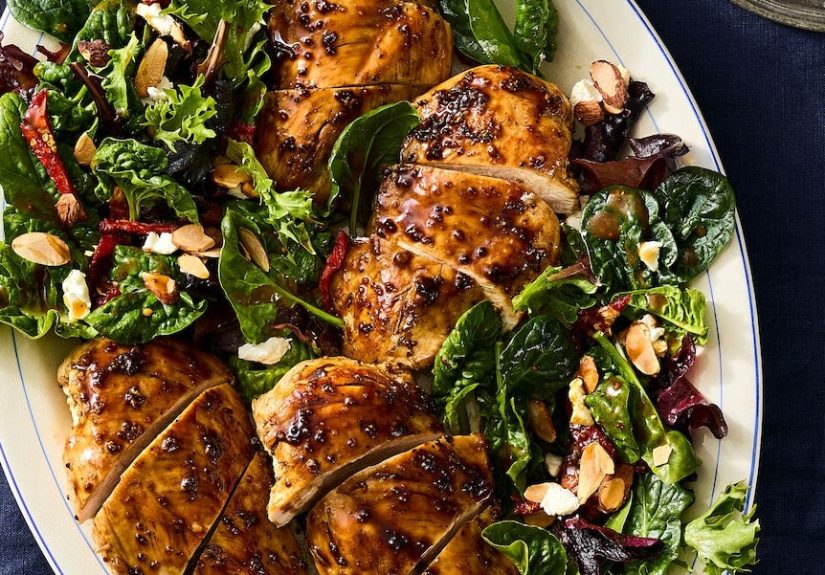
Grilled chicken, chickpeas, lentils, tofu, hard-boiled eggs, or a little deli turkey can turn a side salad into lunch. -
Finish with a good dressing.
A simple vinaigretteolive oil, acid (lemon or vinegar), Dijon mustard, salt, and pepperis usually enough. Creamy dressings can be great too, but you don’t need much if the salad itself is flavorful.
Pro tip: dress lightly and toss well
The biggest mistake people make with salads is drowning them in dressing. Instead, add a little at a time and toss thoroughly so every leaf gets a thin, glossy coat.
You can always add more, but reviving soggy lettuce is… not really a thing.
5 Fresh Green Salad Recipes to Put on Repeat
1. Everyday Mixed Greens with Lemon Vinaigrette
This is your “goes with everything” saladsimple enough for Tuesday nights, classy enough for dinner guests.
You’ll need:
- Mixed greens: romaine, spinach, and arugula
- Thinly sliced cucumber
- Cherry or grape tomatoes, halved
- Red onion, very thinly sliced
- Shaved Parmesan or crumbled feta
- Roasted pepitas or chopped walnuts
Lemon vinaigrette: whisk or shake together:
- 3 tablespoons extra-virgin olive oil
- 2 tablespoons fresh lemon juice
- 1 teaspoon Dijon mustard
- 1 small clove garlic, minced (optional)
- Salt and black pepper to taste
Toss the greens with just enough dressing to coat, then add the veggies, cheese, and nuts. Taste and add a pinch of flaky salt or more lemon if needed.
It’s bright, crisp, and endlessly adaptable: add grilled chicken for protein, or swap the nuts and cheese based on what you have.
2. Peppery Arugula Salad with Parmesan and Pine Nuts
If you like a little attitude in your salad, arugula is your leafy soulmate. Its peppery bite pairs perfectly with salty cheese and tangy lemon.
Ingredients:
- Baby arugula
- Shaved Parmesan
- Toasted pine nuts or slivered almonds
- Thin slices of pear or apple (optional, for sweetness)
Dressing: lemon juice, olive oil, salt, pepper, and a small spoonful of Dijon mustard.
Toss arugula with the dressing, then top with Parmesan and nuts. The salad looks restaurant-fancy but comes together in about five minutesideal for busy weeknights or when you want to impress with zero stress.
3. Kale and Crunch Salad with Olive Oil Massage
Kale can be tough and bitter rawunless you show it a little love. “Massaging” kale with olive oil and salt softens the leaves and makes the flavor milder.
You also get the bonus of better absorption of fat-soluble nutrients when you pair kale with a healthy fat like olive oil.
Ingredients:
- Curly or lacinato kale, stems removed and leaves finely chopped
- Olive oil and a pinch of salt (for massaging)
- Shredded carrot
- Thinly sliced red cabbage or radicchio
- Dried cranberries or cherries
- Toasted pumpkin seeds or sunflower seeds
- Crumbled goat cheese or feta (optional)
Dressing idea: olive oil, apple cider vinegar, a little honey or maple syrup, Dijon mustard, salt, and pepper.
Rub the kale with a tablespoon or two of olive oil and salt for 1–2 minutes until it darkens and softens. Add the other ingredients and toss with the dressing.
This salad holds up well in the fridge, making it great for meal prep.
4. Spinach & Arugula Super-Green Salad
This one combines tender spinach with zippy arugula for the best of both worldsmild and peppery, soft and crisp.
Ingredients:
- Half spinach, half arugula
- Sliced cucumber and radishes
- Crumbled feta or shaved Parmesan
- Chopped pistachios or almonds
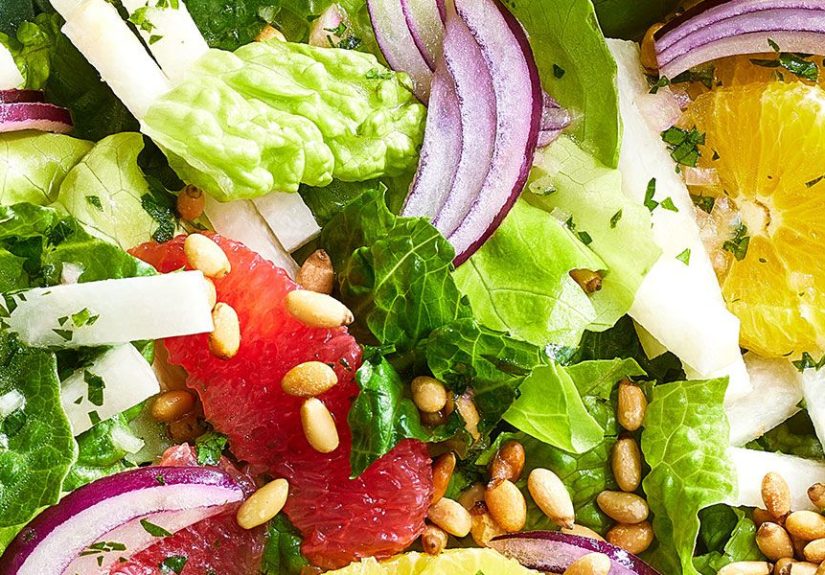
- Optional: sliced strawberries or orange segments
Dressing: a zesty lemon vinaigrette or light balsamic dressing.
Toss everything together just before serving. The mix of creamy cheese, crunchy nuts, and juicy fruit means every bite tastes a little differentin a good way.
5. “Clean Out the Fridge” Green Salad
Not an official name, but very much a lifestyle. This salad is more of a method than a recipe: use whatever greens you have plus odds and ends from your fridge and pantry.
Try this structure:
- Greens: any combination of romaine, leaf lettuce, spinach, arugula, or spring mix.
- Fresh veggies: half a bell pepper, the last carrot, leftover roasted veggies, that slightly lonely cucumber.
- Protein: leftover chicken, steak slices, beans, tofu, or boiled eggs.
- Extras: cheese ends, nuts, seeds, olives, pickled onions, or a spoonful of cooked grains.
- Dressing: your favorite vinaigrette or a quick mix of oil, vinegar, salt, and pepper.
It’s efficient, reduces food waste, and somehow feels fancy when you pile it into a big bowl. The secret is balance: aim for something crunchy, something creamy, something tangy, and something fresh.
Food Safety and Storage Tips for Leafy Greens
How to wash salad greens properly
Whether you’re using whole heads of lettuce or loose baby greens, it’s worth taking a minute to wash them well:
- Rinse leaves under cool running water, gently rubbing to remove dirt or debris.
- For heads of lettuce, remove and discard any wilted or damaged outer leaves.
- Use a clean bowl of cool water to soak and swish loose leaves, then lift them out so grit stays behind.
- Never use soap, bleach, or commercial produce washesplain water works, and cleaners can leave unsafe residues.
After washing, dry greens thoroughly using a salad spinner or clean kitchen towel. Extra moisture is the enemy of crispness and can shorten the shelf life of your greens.
How to keep greens fresher for longer
If you’re tired of discovering a sad, slimy bag of spinach hiding in the back of the fridge, try these storage tips:
- Inspect your greens when you buy themskip any that look wilted, bruised, or slimy.
- Store greens in the crisper drawer in a breathable container or resealable bag lined with paper towels.
- Wash only what you plan to use that day; washing everything at once adds moisture and can make greens spoil faster.
- Keep greens away from raw meat, poultry, and seafood to prevent cross-contamination.
- Use pre-washed greens by the “best by” date and keep them well-chilled.
With a little care, your lettuce can stay crisp long enough for you to actually make all those healthy salad ideas you had in mind.
Making Green Salads Feel Like Real Food (Not a Punishment)
The quickest way to fall in love with green salad recipes is to stop treating them like an obligation and start treating them like a canvas.
- Play with texture: Combine soft greens with crunchy veggies, nuts, seeds, and croutons.
- Layer flavors: Include something salty (cheese, olives), something sweet (fruit, dried fruit), and something tangy (vinegar, citrus).
- Season like any other dish: A pinch of salt and fresh-ground black pepper at the end can wake everything up.
- Use seasonal produce: Think citrus and pomegranate arils in winter, berries and cucumbers in spring and summer, roasted squash in fall.
When your salad looks like it could be on the cover of a cookbook instead of in a sad breakroom fridge, you’re much more likely to eat itand enjoy it.
Real-Life Experiences & Tips with Green Salad Recipes
Here’s where things get practicaland a little personal. Green salad recipes sound great in theory, but what actually works when you’re busy, hungry, and staring into your fridge at 8 p.m.?
The five-minute “save dinner” salad
One of the easiest habits to build is adding a quick green salad to whatever you’re already making. Pasta night? Add a simple mixed greens salad with lemon vinaigrette. Frozen pizza in the oven? Throw together arugula, shaved Parmesan, and olive oil with lemon juice and pepper.
You don’t need a formal recipejust a handful of greens, something crunchy, and a simple dressing.
Over time, this little five-minute habit quietly boosts your daily veggie intake and makes meals feel more complete and restaurant-style, even when the main dish came from the freezer section.
Meal prep without soggy sadness
Green salads can work surprisingly well for meal prep if you build them smart:
- Use sturdier greens like kale, romaine, or cabbage as the base instead of delicate spring mix.
- Keep dressing on the side until just before eating to prevent wilting.
- Layer your containers: put firm add-ins (beans, grains, chopped veggies) on the bottom and greens on top.
- Add crunchy toppings later so nuts, seeds, and croutons stay crisp.
Many people find that prepping 2–3 days of salad componentswashed greens, chopped veggies, a jar of homemade dressingmakes it much easier to choose a salad over takeout at lunchtime, simply because the “assembly” step feels quick and doable.
Making salads family-friendly
If you’re cooking for kids or salad-skeptical adults, start with milder greens like romaine or butter lettuce instead of bitter varieties.
Add familiar favorites: shredded cheese, crunchy croutons, a light ranch or honey mustard on the side, maybe some sliced grapes or apples.
Let everyone build their own bowl from a “salad bar” spreadgreens first, then toppings, then dressing. When people can customize, they’re more likely to eat what they create.
Over time, you can slowly introduce stronger flavors like arugula and kale, mixing them with milder greens so the change isn’t drastic.
Think of it as leveling up everyone’s salad game one handful of spinach at a time.
Learning your dressing personality
People have a “dressing personality” more than they realize. Some love bright, citrusy vinaigrettes; others prefer sweet-tangy balsamic; some are firmly team “creamy dressing or nothing.”
Once you figure out what you (or your household) likes, you can keep a favorite dressing on hand and build green salad recipes around it.
A basic formula that fits most tastes:
- 3 parts olive oil
- 1 part acid (lemon juice, red wine vinegar, apple cider vinegar)
- 1 teaspoon Dijon mustard per 1/4 cup of dressing
- Salt, pepper, and a pinch of sugar or honey if you like it a bit sweet
Shake it in a jar, taste, and adjust. You’ll quickly get a feel for what tastes “right” to you, and buying bottled dressing will start to feel unnecessary.
Salads as main events, not just side kicks
One of the best mindset shifts is treating green salads as a legitimate main course.
Add a solid source of protein (chicken, tofu, shrimp, beans, lentils, tempeh, or eggs), a high-fiber carb like quinoa or farro, and a variety of textures, and your salad becomes a full meal that actually keeps you full.
For example:
- A big bowl of mixed greens topped with grilled chicken, roasted sweet potatoes, black beans, avocado, pumpkin seeds, and a lime-cilantro dressing is basically a burrito bowl wearing a leafy green disguise.
- A kale and spinach base with lentils, roasted carrots, feta, and a lemon-tahini dressing feels cozy and hearty while still being loaded with greens.
Once you experience how satisfying a well-built salad can be, the idea of “just a salad” starts to sound a lot less sad and a lot more appealing.
Building a sustainable green salad habit
At the end of the day, the best green salad recipes are the ones you’ll actually make.
That usually means sticking to a short list of favorite combinations and keeping the ingredients on hand:
- Buy a couple of different greens each week for variety.
- Keep a stash of nuts, seeds, and whole-grain croutons in the pantry.
- Make a small jar of your go-to vinaigrette every few days.
- Add whatever seasonal produce looks good, and don’t stress about perfection.
Over time, your “default” plate might quietly shift from beige and starchy to colorful and crunchywith zero crash dieting, just better habits and a very reliable salad bowl.
Conclusion
Green salad recipes aren’t just diet foodthey’re a flexible, flavorful way to get more leafy greens, fiber, and nutrients into your everyday meals.
With a few basic formulas, a good dressing, and some smart storage habits, you can turn salad from a last-minute afterthought into the part of dinner you look forward to.