Table of Contents >> Show >> Hide
- What Is the Guppyfriend Washing Bag?
- Why Microfibers From Laundry Are a Big Deal
- How the Guppyfriend Washing Bag Works (In Plain English)
- Benefits of a Guppyfriend Washing Bag
- Limitations, Tradeoffs, and “Read This Before You Buy” Notes
- How to Use a Guppyfriend Washing Bag the Right Way
- How to Cut Microfiber Shedding Even More (With or Without the Bag)
- Guppyfriend vs Other Microfiber-Catching Options
- Who Should Consider Buying a Guppyfriend Washing Bag?
- FAQ: Quick Answers People Actually Want
- Conclusion: A Small Bag With a Surprisingly Big Job
- Real-World Experiences Related to the Guppyfriend Washing Bag (Extra Detail)
If you’ve ever cleaned the dryer lint trap and thought, “Wow, that’s a lot of fuzz,” congratulations:
you’ve met the idea behind the Guppyfriend Washing Bag. The twist is that your washing machine also
creates “lint”except that in the wash, a chunk of it can slip past wastewater treatment and into rivers,
lakes, and oceans as plastic microfibers. The Guppyfriend is basically a bouncer for your laundry water:
it can help keep a portion of those fibers from leaving your home in the first place.
This guide breaks down what the Guppyfriend Washing Bag is, how it works, what it can (and can’t) do,
how to use it correctly, and how to get the biggest microfiber-reduction payoff without turning laundry day
into a science fair. Spoiler: the bag helps, but your laundry habits matter a lot, too.
What Is the Guppyfriend Washing Bag?
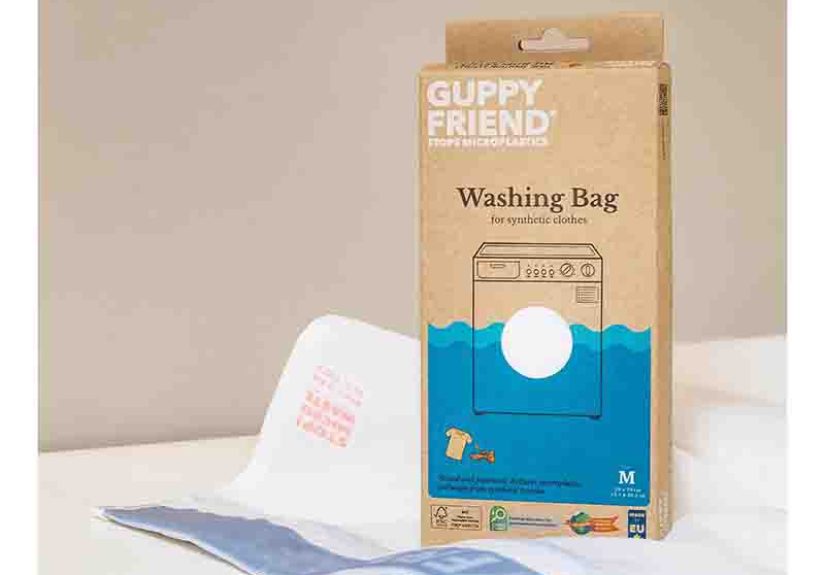
The Guppyfriend Washing Bag is a reusable laundry bag designed to reduce microfiber pollution from washing
synthetic textiles. You place synthetic itemsthink fleece, workout gear, swimwear, and many “performance”
fabricsinside the bag, zip it closed, and wash it like normal. Its mesh structure is designed to do two things:
reduce friction on the garments (so fewer fibers break loose) and capture some of the fibers that do shed so you
can throw them away in the trash instead of sending them down the drain.
It’s important to keep expectations realistic. The Guppyfriend isn’t magic, and it doesn’t turn polyester into
a nature-friendly leaf. It’s more like a seatbelt: it reduces risk, but it doesn’t eliminate it. If your goal is
“zero microplastics,” the only honest answer is that we’re not there yet. But if your goal is “less,” the
Guppyfriend can be a practical step.
Why Microfibers From Laundry Are a Big Deal
Microplastics: tiny pieces, huge reach
Microplastics are plastic pieces or fibers smaller than 5 millimetersoften much smaller than you can see.
Synthetic clothing made from materials like polyester, nylon, acrylic, and rayon can shed microfibers during
everyday wear and especially during washing and drying. Once released, microplastics show up in water,
sediments, wildlife, and even the air. That “my hoodie is shedding” moment doesn’t stay in your laundry room.
It travels.
How fibers get from your washer to the environment
During a wash cycle, agitation and fabric-on-fabric friction dislodge tiny strands. The wash water leaves your
house, heads to wastewater treatment, and many fibers get captured in solidsbut some can pass through due to
their small size. Captured fibers don’t necessarily disappear, either; they can end up in sewage sludge, which
may be land-applied in some settings. Meanwhile, any fibers that escape into treated effluent have a direct route
to waterways.
How much are we talking?
Estimates vary by garment type, age, washing conditions, and machine style. But the overall picture is consistent:
laundry is a meaningful source of microfiber pollution. One widely cited estimate suggests the average household
in the U.S. and Canada releases hundreds of millions of microfibers to wastewater streams each yeardespite treatment
systems filtering out a majority. That’s why prevention at the household level gets so much attention: once the fibers
are out, they’re hard to retrieve.
How the Guppyfriend Washing Bag Works (In Plain English)
Job #1: Reduce shedding by lowering friction
A key idea behind the Guppyfriend is that less abrasion equals less shedding. When synthetic garments tumble around
with zippers, buttons, towels, and whatever else is in your load, that friction can mechanically “comb” fibers out
of the fabric. The Guppyfriend isolates your synthetics inside a separate space, helping reduce the rough-and-tumble
contact that makes shedding worse.
Job #2: Catch some fibers that still break loose
Even gentle washing can shed fibersespecially from fleeces and brushed fabrics. The bag’s mesh is designed to retain
a portion of the fibers that release into the bag’s water flow. After the wash, you remove the bag, take the clothing
out, and collect the fibers that have gathered in corners or seams of the bag. Those fibers go into the trash.
Why you still need good laundry habits
The bag only works on what you put inside it. If you wash ten synthetic items loose in the same load, you’ve essentially
invited microfibers to a pool party and forgot to provide a lifeguard. The Guppyfriend can help most when it’s used
consistently for the items most likely to shed: fleece, activewear, and lightweight synthetics.
Benefits of a Guppyfriend Washing Bag
1) A practical way to reduce microfiber release right now
Big systemic solutionslike washing machines with built-in microfiber filterstake time to become standard. The
Guppyfriend is available now, works with most machines, and doesn’t require installation. It’s one of the simplest
“consumer-level” actions for microfiber control.
2) Helps protect delicate synthetics
Many people already use garment bags to prevent snagging and stretching. The Guppyfriend adds the microfiber-capture
angle to the usual “don’t let my leggings meet the zipper of doom” purpose. Less abrasion can also mean your gear lasts
longer, which is an underrated sustainability win.
3) Makes the invisible visible
There’s a weirdly motivating moment when you see the fibers you caught. It turns “microplastic pollution” from an abstract
concept into something you can literally pinch between your fingers. That often leads people to adjust habitswashing less,
air drying more, and choosing fabrics more intentionally.
Limitations, Tradeoffs, and “Read This Before You Buy” Notes
It won’t catch everything
Microfibers are tiny, and no single consumer tool catches 100% in every scenario. Depending on fabric type and wash conditions,
fibers can still escape into the surrounding wash water or remain on other garments. Think of the Guppyfriend as a reduction tool,
not a total solution.
It only covers items you wash inside it
If you toss one fleece into the bag but wash a load of synthetic blends loose, the bag can’t help those loose items. The best
results come from using it strategically: put the biggest shedders inside, and keep the rest of the load lower-shed if possible
(like cotton towels or sturdier knits).
You still have to dispose of fibers responsibly
The point is to keep fibers out of waterways. So after you collect lint-like fibers from the bag, place them in the trash in a
sealed tissue or container. Don’t rinse the bag under running water (which would send fibers straight back to the drain). “Caught”
only counts if it stays caught.
The bag itself is a plastic product
Yes, it’s ironic. Microfiber mitigation tools are often made from plastics. The sustainability argument is about net impact:
a durable, reusable tool that reduces ongoing releases can still be beneficial. But it’s fair to expect durability and to treat
it like a long-term tool, not a disposable accessory.
How to Use a Guppyfriend Washing Bag the Right Way
The biggest mistake people make is treating it like a normal garment bag and stuffing it like a sleeping bag at summer camp.
The Guppyfriend needs room for water flow to do its job.
Step 1: Load it halfway (yes, really)
Place synthetic items inside and avoid overfilling. The bag works best when clothes can move a bit inside, allowing water
circulation while reducing abrasion. If you cram it full, you reduce washing performance and limit the bag’s ability to trap
fibers.
Step 2: Zip it fully and protect the zipper
Close it completely, and make sure the zipper is tucked or covered if your model includes a flap. This helps reduce wear on
both the bag and your other laundry.
Step 3: Choose a gentler wash setup
Pair the bag with microfiber-smart habits: cold water, shorter cycles, and full loads (full loads can reduce friction between
garments). If you have a front-loading washer, that can help, too. The Guppyfriend is most powerful when it’s part of a system,
not a solo act.
Step 4: Remove clothing and collect fibers
After washing, take clothing out of the bag and look for lint-like fiber clumps along the seams or corners. Use your fingers
to gather them. If you want to be extra neat, use a small piece of tape or a damp paper towel (damp, not dripping) to pick up
straysthen throw the towel/tape away.
Step 5: Dispose of fibers in the trash
Place collected fibers in the trash. The goal is containment. You’re preventing a direct route to waterways, even if you can’t
control every pathway.
Step 6: Air dry when possible
Dryers can also release microfibers through vents. Air drying reduces both energy use and airborne fiber release. If you do use
a dryer, clean the lint filter every load and consider an outdoor lint trap if that’s an option where you live.
How to Cut Microfiber Shedding Even More (With or Without the Bag)
Wash less often (without being gross about it)
Not every garment needs a full wash after one wear. Jeans, hoodies, and many outer layers can go longer. If something is truly
sweaty or dirty, wash ithealth and hygiene matter. But if it’s just “worn,” airing it out can often do the trick.
Use cold, shorter cycles
Cold water and shorter cycles reduce the mechanical and thermal stress that can increase shedding. Many modern detergents are
formulated to work well in cold water, and shorter cycles are often enough for lightly soiled everyday clothing.
Choose a front-loader if you’re already replacing a washer
Research commonly finds that top-loading washers with central agitators can be harsher on fabrics than front-loading machines,
increasing fiber loss. If you’re already shopping for a replacement, this is one of those “bonus sustainability” considerations
that can align with fabric care and efficiency.
Buy fewer, better synthetics
This isn’t about guilt-tripping anyone for owning workout clothes. It’s about noticing patterns: low-quality fleece can shed more,
and heavily aged garments often shed more than new ones. Buying fewer pieces that last longer can reduce the “shed per year” story
in a way no single accessory can.
Guppyfriend vs Other Microfiber-Catching Options
External washing machine filters
External filters attach to a washing machine’s outflow line and trap fibers before wastewater leaves your home. Studies and
field tests often show these filters can capture a high percentage of fibersespecially on high-shedding loads like fleece.
The tradeoff is cost, maintenance, and installation.
Laundry balls (like fiber-catching spheres)
Laundry balls designed to snag fibers can reduce microfiber release, though performance varies. They’re simple to usejust toss
them into the drumbut they may capture less than an external filter. They can be a helpful “easy add-on” for people who won’t
consistently use a wash bag.
So where does Guppyfriend fit?
The Guppyfriend sits in the “low effort, no installation, reusable” lane. It’s especially useful for synthetic garments that
you can isolate in a bag. For many households, the best approach is layered: bag for high-shedding garments, plus improved wash
habits, plus (if feasible) an external filter for broader coverage.
Who Should Consider Buying a Guppyfriend Washing Bag?
- Activewear and fleece-heavy households: If your closet looks like an athletic catalog, you’ll likely see more benefit.
- People who already use garment bags: The learning curve is small, and the habit is familiar.
- Anyone trying to reduce microplastic pollution without renovating their laundry room: No installation required.
- Eco-minded gift shoppers: It’s a practical gift that isn’t another reusable straw (no shade to reusable straws).
If you rarely wear synthetics, your biggest microfiber wins may come from other habitslike washing less, choosing natural fibers,
and air drying. The Guppyfriend is most compelling when you have consistent synthetic loads.
FAQ: Quick Answers People Actually Want
Does the Guppyfriend Washing Bag stop microplastics completely?
No. It can reduce shedding and capture some fibers, but it won’t eliminate microfibers entirely. Use it as part of a broader
microfiber-reduction strategy.
Will my clothes get clean if they’re inside the bag?
Generally, yesespecially for lightly to moderately soiled items. The key is not overfilling. If you cram the bag, water and
detergent won’t circulate as well, and cleaning performance can drop.
What fabrics should go inside?
Prioritize high-shedding synthetics: fleece, brushed knits, polyester blends, running shirts, leggings, swimwear, and many
“performance” items. If it’s synthetic and feels like it was engineered by a sports scientist, it’s a good candidate.
How do I dispose of the fibers?
Collect them and throw them in the trash (ideally wrapped or sealed). Avoid rinsing the bag under running water.
Is it worth it?
If you frequently wash synthetics, it’s one of the simplest ways to reduce microfiber release without installing equipment.
The most “worth it” version is using it consistently for your biggest shedders and pairing it with microfiber-smart wash habits.
Conclusion: A Small Bag With a Surprisingly Big Job
The Guppyfriend Washing Bag is a practical, reusable tool designed to reduce microfiber pollution from synthetic laundry. It works
by lowering friction on garments and capturing a portion of the microfibers that shed during washing. It’s not a total solution,
but it’s a meaningful reduction strategyespecially when combined with smarter laundry habits like washing less often, using cold
shorter cycles, and air drying when possible.
If you’re looking for a realistic way to make your laundry routine a little kinder to waterways without buying a new washer or
installing plumbing accessories, the Guppyfriend is a solid option. The planet may not send a thank-you note (it’s terrible at email),
but your conscience might.
Real-World Experiences Related to the Guppyfriend Washing Bag (Extra Detail)
People who start using a Guppyfriend often describe the same first reaction: surprise at how much fiber shows up. The bag can turn an
invisible issue into something you can see, and that visibility tends to change behavior. It’s common for users to notice lint-like
clumps in the corners or seams of the bag after washing a fleece or a set of synthetic workout clothes. That “wait… this was going to
the ocean?” moment is usually when the Guppyfriend stops being a novelty and becomes a habit.
Another frequent experience is discovering which items in a wardrobe are the worst offenders. Many people assume all synthetics shed the
same, but in practice, brushed fabrics (like fuzzy fleece) often leave more behind than smooth, tightly knit pieces. That can lead to
a simple system: put fleeces, microfiber towels, and heavily used athletic wear in the bag, while washing sturdier or natural-fiber items
normally. Over time, households often develop a “microfiber MVP list”the pieces that always go in the Guppyfriend because they’re the ones
that reliably produce visible shed.
There’s also a learning curve with loading. New users sometimes overstuff the bag, expecting it to work like a standard delicates bag.
When the bag is packed too tight, the clothes may come out less clean, and the bag is harder to handle. People who stick with it usually
end up following a simple rule: half-full, max. That can mean doing a separate “synthetics bag wash” once or twice a week instead of mixing
everything together every time. The routine feels slightly more organizedlike meal prepping, but for leggings.
Comfort-wise, some users say the bag provides peace of mind rather than dramatic “before/after” changes to clothing. It’s not like your
hoodie suddenly becomes softer or your socks start paying rent. The benefit is more about reducing shedding and being more intentional.
That said, plenty of people do report that delicate synthetic items look less stressed over timefewer snags, fewer stretched straps, and
less pillinglikely because the bag reduces aggressive contact with other garments and hardware like zippers.
A common “I wish someone told me” lesson is disposal: the Guppyfriend only helps if the captured fibers don’t go right back down the drain.
People who get into the groove often keep a small jar, envelope, or tissue near the laundry area specifically for fiber collection. After
each wash, they gather the fibers, seal them, and toss them in the trash. It takes about the same amount of time as emptying a lint trap
and many users compare it to that: “This is just the wash version of dryer lint, except I’m not letting it escape.”
Finally, many people find that the Guppyfriend becomes a gateway to other small upgrades rather than a one-and-done solution. Once you see
fibers collected, it’s easier to justify washing in cold water, shortening cycles, and air drying when possible. In that sense, the bag
doesn’t just catch microfibersit can also catch your attention, which is arguably the most powerful sustainability tool of all.