Table of Contents >> Show >> Hide
- The Viral Moment That Got Everyone Talking
- What “Mental Load” Actually Means
- Why the Internet Applauded and Side-Eyed at the Same Time
- What the Viral Husband Actually Did Right
- Why Reducing Mental Load Matters More Than People Think
- How Couples Can Share the Load Without Turning Home Into a Boardroom
- Experiences That Show What Mental Load Looks Like in Real Life
- Final Thoughts
Every once in a while, the internet latches onto a story that feels tiny on the surface but huge underneath. This was one of those stories. A husband shared a video explaining how he was trying to reduce his wife’s mental load before leaving town, and people online reacted like they had just discovered a mythical creature: an adult man who understands that family life does not magically run on vibes, dry shampoo, and one exhausted woman remembering everything.
The viral moment was funny, sweet, and just a little depressing. Sweet, because the husband clearly cared enough to think ahead. Depressing, because so many viewers responded as if he deserved a parade for doing what should probably be Relationship Basics 101. The comments ranged from applause to eye rolls to a collective, “Ladies, why is the bar in the basement again?”
Still, the conversation struck a nerve for good reason. The story was not really about one helpful husband. It was about the invisible work that keeps homes, kids, schedules, meals, supplies, appointments, emotions, and routines from falling into complete chaos. In other words, it was about the mental load, that invisible project-management job that too often lands on women by default.
This article breaks down why the video went viral, what “mental load” actually means, why the internet reacted so strongly, and what couples can learn from the whole thing without turning one competent husband into a folk hero with his own merch line.
The Viral Moment That Got Everyone Talking
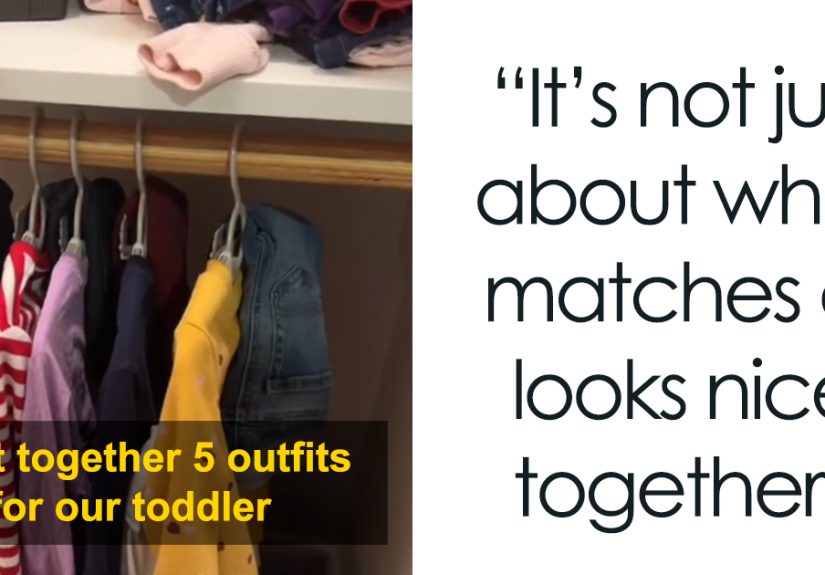
The now-famous example came from a dad who shared the small things he was doing before heading off to a conference for several days. None of the tasks were flashy. That was the point. He vacuumed the house. He washed and folded laundry. He planned ahead for dishes. He pre-packed parts of the toddler’s lunch. He laid out five outfits for the child based on the weather forecast. And after returning, he arranged for his wife to get some time to herself.
That list did not sound revolutionary. It sounded like adulthood. But viewers understood something important right away: he was not merely doing chores. He was reducing the amount of thinking his partner would have to do while solo-parenting. That distinction matters.
Doing a task after being asked is helpful. Anticipating the task before it becomes a problem is different. It means someone is carrying the planning, tracking, and decision-making part of family life. That is the part many people miss when they insist household labor is split “pretty evenly.” Maybe one person takes out the trash and grills on weekends, but the other person is quietly running the family operating system in the background 24/7.
The husband in the video seemed to understand that if he left without preparing anything, his wife would inherit not just extra work, but extra mental traffic. She would have to notice what needed to be done, decide when to do it, remember what the kids needed, solve small problems before they turned into medium disasters, and hold all of it in her head while keeping life moving. That is why the internet paid attention.
What “Mental Load” Actually Means
The phrase mental load gets tossed around a lot now, but it is not just a trendy label for being tired. It refers to the invisible cognitive labor involved in managing a home and family. Think planning, anticipating, organizing, remembering, monitoring, scheduling, and making decisions. It is the work behind the work.
For example, cooking dinner is one task. But the mental load version of dinner includes noticing the fridge is empty, remembering one child hates mushrooms, checking whether there is enough milk for tomorrow, planning around soccer practice, deciding whether leftovers will cover lunch, and realizing you also need to buy cupcakes for Friday’s class celebration. Congratulations: you are now the unpaid executive director of Tuesday.
Sociologists and family researchers have spent years studying this invisible labor, and their findings are painfully unsurprising. Women often carry more of the cognitive work in heterosexual households, even when both partners are employed and even when couples believe they are fairly egalitarian. Recent research on U.S. parents has found that mothers shoulder a disproportionate share of the household mental load, and that this imbalance is connected to higher stress, burnout, and poorer relationship well-being.
That is one reason the topic resonates so strongly. The mental load is exhausting not because each task is individually impossible, but because the job never really clocks out. It is the ongoing state of being the person who must remember. The pediatrician’s office does not call itself. Birthday gifts do not buy themselves. School forms do not sign themselves. The dog does not schedule his own vaccinations, though honestly that would be a huge breakthrough.
Why the Internet Applauded and Side-Eyed at the Same Time
The response to the viral husband was fascinating because it contained two opposite reactions that were both valid.
Reaction No. 1: “Finally, a man who gets it.”
Many viewers loved the video because it modeled initiative. Instead of asking, “What do you need me to do?” he thought through what would make the week easier and did it. That matters. For people who feel chronically unsupported at home, seeing a partner take responsibility without being managed can look downright cinematic.
Reaction No. 2: “Why are we giving out gold stars for basic partnership?”
Just as many viewers were frustrated that a man doing thoughtful household prep was treated like a unicorn. Women do this kind of planning every day with very little applause. They remember the rain boots, the lunch containers, the medicine refill, the pajama day notice, the teacher gift, the missing permission slip, and the weird spirit-week theme no one asked for. They do not usually go viral for it. They just develop eye twitches.
That tension is really the story. The husband was not wrong to help. He was right. The internet was not wrong to praise initiative. But the larger frustration was with the social standard itself. Competence at home should not be extraordinary. It should be normal, expected, and unsexy in the most beautiful way possible.
What the Viral Husband Actually Did Right
If we strip away the internet noise, the video offered a useful playbook for reducing a partner’s mental load. Here is why his actions stood out.
He prepared for future friction
He did not wait for the week to become hard. He looked ahead and removed obstacles before they showed up. Clean laundry, prepped lunches, and weather-appropriate outfits are not glamorous, but they reduce the number of micro-decisions a solo parent has to make when everyone is tired and one child cannot find a shoe.
He understood that details matter
The outfit example was especially telling. He did not just toss random clothes in a pile and call it teamwork. He checked the forecast and matched the outfits to the weather. That demonstrated something many overburdened partners desperately want: not help, but ownership. True ownership means understanding what the task requires from start to finish.
He planned for recovery, not just survival
Booking a hotel stay for his wife after he returned sent a bigger message than “I bought you a treat.” It said, “I know carrying everything alone is draining, and I want to make space for your recovery.” That kind of thoughtfulness acknowledges invisible strain instead of pretending it never existed.
He did not frame himself as a hero
Part of why the video landed well is that he reportedly described the gestures as small things with big impact. That is exactly right. Reducing mental load is often about unglamorous actions done consistently. It is less about grand gestures and more about not leaving your partner to run the whole circus while you emerge at bedtime asking, “Anything I can do?” Sir. The answer was yes. Three hours ago.
Why Reducing Mental Load Matters More Than People Think
This is not just a domestic fairness issue. It is a health, relationship, and quality-of-life issue.
When one partner consistently carries the mental load, the result is often chronic stress. Parents already report high levels of overwhelm in the United States, and health experts have warned that caregiver stress can fuel anxiety, burnout, resentment, and emotional exhaustion. Add invisible cognitive labor on top of work, financial strain, childcare, and everyday logistics, and it becomes clear why so many couples end up fighting about dishes when they are actually fighting about being mentally maxed out.
There is also a perception gap. Research and surveys have repeatedly found that partners do not always agree on who is doing what. One person may count the visible, occasional jobs; the other counts the continuous, invisible jobs. That is how you end up with a couple where both people sincerely believe they are doing more. One person is thinking, “I mowed the lawn.” The other is thinking, “I kept the family alive this week.”
Over time, unequal mental load can erode goodwill. The overburdened partner begins to feel lonely inside the relationship. The other partner may feel confused or defensive, especially if they think they are helping. This is why the conversation matters. You cannot fix a problem that one person experiences as an ambient reality and the other experiences as a vague mood.
How Couples Can Share the Load Without Turning Home Into a Boardroom
The goal is not perfect equality down to the last sock. The goal is fairness, clarity, and shared ownership. That usually starts with changing how couples think about chores.
Stop dividing only tasks; divide responsibility
There is a big difference between “Tell me what to do” and “I own this category.” If one partner owns school logistics, that includes tracking forms, calendars, supplies, and schedule changes. If one partner owns laundry, that should include noticing detergent is low before the house enters the no-underwear era.
Make invisible work visible
Many couples need to literally write down everything that keeps the home running. Not just cleaning and cooking, but planning meals, booking appointments, monitoring supplies, buying gifts, replacing outgrown clothes, coordinating pickups, and remembering family birthdays. Seeing the full list can be eye-opening in the least romantic but most useful way.
Use systems, not telepathy
Shared calendars, reminders, grocery apps, recurring checklists, and weekly planning conversations can reduce the amount of memory work one person is carrying alone. Technology is not a personality, but it can be a decent assistant.
Accept different styles
If the non-default planner finally takes ownership, they may not do it exactly the same way. As long as the job gets done well, resist the urge to micromanage. Delegating while also editing every detail is just another exhausting side quest.
Experiences That Show What Mental Load Looks Like in Real Life
To understand why this story hit so hard, it helps to look at what mental load feels like on ordinary days. Not dramatic days. Not emergency-room days. Just random, average Tuesdays that somehow require the strategic coordination of a mid-level logistics team.
Imagine a mother waking up before everyone else because she is not just getting ready for the day; she is running a silent checklist. Is there milk? Did the toddler’s cough get worse? Is today library day or gym day? Does the older child need a snack packed separately because the classroom is nut-free? Is the permission slip signed? Are there clean socks? Has anyone remembered the dog food? She may not speak a word for the first ten minutes of the morning, but mentally she has already completed a full shift.
Now picture the father in that same household asking, with complete sincerity, “Why are you stressed?” He is not necessarily lazy. He may love his family deeply. He may work hard. He may even do visible tasks later in the day. But if he is not carrying the anticipatory work, he is living in a cleaner mental landscape. That difference is exactly what many women are reacting to when they say they are tired of being the default parent, the household manager, and the memory bank all at once.
Another common experience happens around travel. One partner hears, “We’re leaving Friday morning.” The other hears, “We need to wash clothes, pack medications, charge devices, arrange pet care, tell the neighbors, confirm hotel check-in, print the soccer schedule, and remember the child’s favorite stuffed animal or nobody sleeps.” The trip has not even started, and one person is already tired from thinking about it.
Holidays are another mental-load carnival. Someone has to remember which cousin is gluten-free, whether the wrapping paper ran out last year, what size the kids wear now, whether Grandma likes candles or thinks they are a fire hazard, and who is bringing ice. This is why a lot of women laugh when someone says, “Just ask for help.” Help with what, exactly? The problem is often not the doing. It is the constant noticing.
And yet, small shifts can change everything. When a partner starts taking initiative, the emotional atmosphere in a home can improve fast. Not because every task disappears, but because one person no longer feels alone in carrying the invisible burden. A husband who notices the school email, restocks the wipes, schedules the oil change, or preps tomorrow’s lunches without prompting is not merely checking boxes. He is communicating, “This family is my responsibility, too.”
That is why the viral husband resonated. He was not acting like a babysitter subbing in for the regular employee. He was acting like a full partner. And for many people online, that image felt both comforting and infuriating. Comforting because it proves this kind of partnership is possible. Infuriating because it should not feel rare enough to go viral.
In the end, the best takeaway is simple: reducing a partner’s mental load does not require genius, perfection, or a TED Talk. It requires attention, initiative, and the willingness to own part of the invisible work. Basically, less “What can I do?” and more “I already handled it.” For a lot of marriages, that one shift would be more romantic than flowers, jewelry, or an overpriced dinner reservation with questionable parking.
Final Thoughts
The viral husband did not invent partnership. He simply demonstrated it in a way that was visible enough for the internet to notice. That is why the story mattered. It reminded people that love at home is not just affection. It is attention. It is preparation. It is remembering that the person you live with should not have to carry every invisible task simply because they are better at noticing them.
So yes, the internet joked about “husbandry classes.” But underneath the jokes was a serious truth: good partnership is teachable. Mental load can be shared. And the hottest domestic flex in 2026 may not be candlelit date night after all. It may just be someone saying, “Don’t worry, I already packed the lunches, checked the forecast, and signed the form.”