Table of Contents >> Show >> Hide
- Why Heartburn and Heart Attack Feel So Similar
- What Heartburn Usually Feels Like
- What a Heart Attack Is More Likely To Feel Like
- Women, Older Adults, and “Not Textbook” Symptoms
- Heartburn vs. Heart Attack: The Fast Comparison
- When To Call 911 Immediately
- When It Might Be More Appropriate To Call Your Doctor Soon
- What Happens at the ER if You Are Not Sure
- If It Turns Out To Be Heartburn, What Helps?
- The Bottom Line
- Experiences People Commonly Describe When They Confuse Heartburn and Heart Attack
- Conclusion
Note: This article is for general education, not diagnosis. When chest pain feels intense, unusual, or hard to explain, do not try to win a guessing contest with your own rib cage. Get urgent medical help.
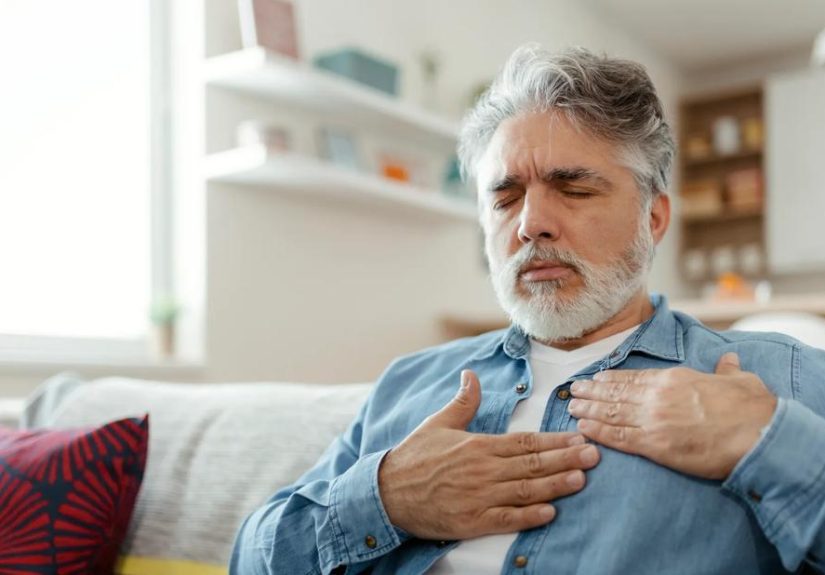
Chest pain has a special talent for ruining a perfectly normal day. One minute you are answering emails, eating tacos, or pretending that stress is just “a personality trait,” and the next minute your chest is burning, squeezing, or acting dramatic enough to make you wonder whether you need an antacid or an ambulance.
That is exactly why this topic matters. Heartburn and heart attack symptoms can overlap more than most people realize. Both can cause chest discomfort. Both can show up with nausea. Both can make you stop mid-sentence and think, “Hmm. That seems bad.” The tricky part is that one is usually a digestive problem, while the other can be a true medical emergency.
If you remember only one thing from this article, let it be this: if you are not sure whether it is heartburn or a heart attack, treat it like a heart problem until a medical professional tells you otherwise. That is not being dramatic. That is being smart.
Why Heartburn and Heart Attack Feel So Similar
The confusion starts with geography. Your esophagus runs through your chest, close to your heart. When stomach acid flows backward into the esophagus, it can cause that classic burning sensation known as heartburn. Meanwhile, when blood flow to the heart is reduced or blocked, the heart can send out a pain signal that also shows up in the chest. To your nervous system, the message may feel frustratingly similar.
In everyday language, people often use “heartburn,” “acid reflux,” “indigestion,” and “chest pain” almost interchangeably. Medicine is less casual about it. Heartburn is usually related to acid reflux or gastroesophageal reflux disease, also called GERD. Heart attack happens when blood flow to part of the heart muscle is blocked. Angina is chest discomfort caused by reduced blood flow to the heart and can be a warning sign that deserves prompt evaluation too.
So yes, two completely different body systems can create symptoms in the same neighborhood. Human anatomy: efficient, but occasionally rude.
What Heartburn Usually Feels Like
Heartburn is most often described as a burning pain behind the breastbone. It may start in the middle of the chest and creep upward toward the throat. Some people also notice a sour, bitter, or acidic taste in the mouth, especially when lying down. Others feel food or stomach contents coming back up, a symptom known as regurgitation.
Classic heartburn tends to follow a pattern. It is more likely to:
- Happen after eating, especially after a large, rich, spicy, or fatty meal
- Get worse when you bend over, lie flat, or go to bed too soon after dinner
- Show up at night and wake you from sleep
- Feel better with antacids or reflux medication
- Come with a sour taste, burping, or fluid creeping into the throat
That said, heartburn does not always read the textbook. Some people with GERD feel chest pressure instead of a neat little burn. Others have cough, hoarseness, throat irritation, trouble swallowing, nausea, or chest pain without the classic acid taste. This is one reason self-diagnosis gets messy fast.
Frequent heartburn can also point to a bigger reflux problem. If symptoms keep coming back, worsen over time, or start interfering with sleep and daily life, that is a good reason to talk with a healthcare professional. Chronic reflux is common, but “common” does not mean “ignore it forever and hope your esophagus sends a nicer email tomorrow.”
What a Heart Attack Is More Likely To Feel Like
Not every heart attack looks like a movie scene where someone grabs their chest and collapses beside a salad. Some do cause sudden, crushing pain. Others begin with mild, vague symptoms that people brush off as stress, overeating, muscle strain, or indigestion.
A heart attack is more likely when chest discomfort feels like:
- Pressure, squeezing, heaviness, tightness, or fullness
- Pain in the center or left side of the chest
- Discomfort that lasts more than a few minutes or goes away and comes back
- Pain that spreads to the arm, both arms, shoulders, back, neck, jaw, or upper stomach
- Shortness of breath, with or without chest discomfort
- Cold sweat, lightheadedness, nausea, vomiting, or sudden weakness
- Unusual fatigue, especially when it feels out of proportion or out of nowhere
Another important clue is context. Symptoms that appear during exertion, emotional stress, or even minimal activity and do not behave like your usual reflux deserve extra caution. Heart-related pain may also not improve in the way your typical digestive symptoms do.
Still, here is the frustrating truth: a heart attack can feel like indigestion or heartburn. That is why persistent or unexplained chest pain should never be dismissed just because dinner was spicy or because you had one too many wings during the game.
Women, Older Adults, and “Not Textbook” Symptoms
Many people still imagine heart attack symptoms as a dramatic chest-clutching event, but that picture is incomplete. Women are more likely to have symptoms that are easier to misread, including nausea, indigestion-like discomfort, upper back pain, jaw pain, shortness of breath, dizziness, and unusual fatigue.
That does not mean women do not get chest pain. They often do. It means the symptoms may be less classic and more likely to be explained away as reflux, anxiety, overwork, menopause, poor sleep, or “just getting older.” That kind of delay is exactly what makes these symptoms dangerous.
Older adults may also report less dramatic chest pain and more shortness of breath, weakness, fatigue, or general unease. In other words, a heart attack does not always arrive wearing a giant neon sign.
Heartburn vs. Heart Attack: The Fast Comparison
Signs that lean more toward heartburn
- Burning pain after eating
- Symptoms worsen when lying down or bending over
- Sour or bitter taste in the mouth
- Regurgitation or burping
- Some relief with antacids
Signs that lean more toward heart attack or angina
- Pressure, squeezing, heaviness, or tightness in the chest
- Pain spreading to the arm, jaw, neck, back, or upper stomach
- Shortness of breath
- Cold sweat, dizziness, nausea, or faint feeling
- Symptoms during activity or stress
- Symptoms that are new, severe, persistent, or unlike your normal reflux
But let’s be crystal clear: this comparison is useful, not magical. A symptom can lean one way and still turn out to be something else. Temporary relief with an antacid does not automatically prove the pain was harmless. Likewise, a burning sensation does not automatically mean reflux. When the situation is unclear, medical evaluation wins.
When To Call 911 Immediately
Call 911 right away if you have chest discomfort and any of the following:
- Pressure, squeezing, fullness, or pain lasting more than a few minutes
- Pain that goes away and comes back
- Pain in the arms, back, neck, jaw, or stomach
- Shortness of breath
- Cold sweat
- Nausea or vomiting
- Lightheadedness, faintness, or unusual weakness
- Symptoms that feel new, intense, or frighteningly “not normal”
Also call 911 if you are not sure what is causing persistent chest pain. Do not drive yourself if you can avoid it. Emergency services can begin care sooner and get you to the right place faster.
If the pain fades after a while, do not assume the danger passed. Heart attack symptoms can come and go. A short episode of unexplained chest pain still deserves attention, especially if you never got it checked.
When It Might Be More Appropriate To Call Your Doctor Soon
Not every episode of chest burning means an emergency room trip. Schedule medical care promptly if you have recurring heartburn or reflux symptoms and you also notice:
- Difficulty swallowing or pain with swallowing
- Persistent vomiting
- Unexplained weight loss
- Black or tarry stools
- Vomiting blood or coffee-ground-like material
- Symptoms that no longer improve with over-the-counter medicine
- Cough, wheezing, hoarseness, or nighttime symptoms that keep returning
Those signs may point to GERD complications or another condition that deserves real evaluation, not endless peppermint gum and crossed fingers.
What Happens at the ER if You Are Not Sure
Many people hesitate to seek help because they fear feeling silly if it “turns out to be just heartburn.” Please retire that fear immediately. Emergency teams evaluate chest pain all the time, and they would much rather rule out a heart problem than miss one.
If you go to the emergency room with chest pain, clinicians may use an electrocardiogram, blood tests, monitoring, and other assessments to look for heart damage or reduced blood flow. That is because a physical exam and symptom description alone may not be enough to tell the difference.
And if the result is reflux? Great. You have not wasted anyone’s time. You have done exactly what people are supposed to do when symptoms are potentially dangerous.
If It Turns Out To Be Heartburn, What Helps?
Once a heart problem has been ruled out, heartburn treatment usually focuses on reducing acid exposure and lowering reflux triggers. Helpful steps often include:
- Eating smaller meals
- Avoiding lying down for a few hours after eating
- Not going to bed on a full stomach
- Limiting trigger foods if you know them
- Reducing alcohol and avoiding smoking
- Managing weight if recommended by your doctor
- Using over-the-counter remedies appropriately
Some people get relief with basic lifestyle changes. Others need a longer-term GERD plan. The point is not to guess forever. If chest burning becomes a frequent guest in your life, let a professional decide whether it is simple reflux, chronic GERD, or something else entirely.
The Bottom Line
Heartburn usually burns. Heart attacks often squeeze, press, or spread. Heartburn often follows meals and gets worse when lying down. Heart attacks may bring shortness of breath, sweating, nausea, dizziness, or pain traveling into the arm, jaw, neck, back, or stomach.
But the overlap is real enough that you should never bet your safety on a symptom checklist alone. When chest pain is persistent, unusual, severe, or simply hard to explain, get emergency help. It is far better to have an awkward story about the time your reflux scared you than a tragic story about the time you waited too long.
Experiences People Commonly Describe When They Confuse Heartburn and Heart Attack
The following are realistic composite scenarios based on common symptom patterns and medical guidance, not individual patient records.
Experience #1: “I thought it was just the pizza.” A man in his fifties finishes a late, greasy dinner and notices a burning discomfort in the middle of his chest. He figures it has to be reflux because the timing seems obvious. But then he starts sweating, feels a little short of breath, and notices the discomfort is not just burning, it is heavy. The pain starts creeping into his jaw. He almost talks himself out of seeking help because he does have a history of heartburn. That is exactly the trap. Familiar symptoms can still hide a new emergency. When he finally gets checked, clinicians find a heart problem that needed fast treatment.
Experience #2: “I didn’t even have crushing chest pain.” A woman in her sixties wakes up feeling off. She is nauseated, tired, and vaguely uncomfortable in her upper chest and back. She assumes she overate or slept in a weird position. She keeps moving through the morning, but walking across the room leaves her breathless. The discomfort is not dramatic, which makes it easier to dismiss. Later she learns that heart attacks do not always come with textbook pain, and that women especially may have symptoms that feel more like indigestion, fatigue, or breathlessness than a movie-style emergency.
Experience #3: “The antacid helped… sort of.” Someone with a long history of reflux gets chest burning after lunch and reaches for an over-the-counter antacid. The sensation softens but does not really disappear. A little later, the person feels pressure in the chest again while climbing stairs. This kind of mixed picture is where people get into trouble. Temporary symptom changes do not always answer the big question. Sometimes a digestive issue is present. Sometimes a heart issue is present. Sometimes both exist in the same person. Relief that is partial, short-lived, or inconsistent should not create false confidence.
Experience #4: “I felt it in my throat and thought it was acid.” Another person describes discomfort rising from the chest into the throat, plus a bitter taste. That sounds very reflux-like, and often it is. But on a different day, the same person has throat and jaw discomfort with nausea and cold sweats, without the sour taste or burping they usually get. That difference matters. When symptoms break from your normal pattern, it is a clue. “This feels different from my usual heartburn” is one of the most important sentences a person can say.
Experience #5: “I didn’t want to overreact.” This may be the most common experience of all. People worry about being embarrassed, wasting time, or creating panic. So they wait. They search. They pace. They sip water. They negotiate with the universe. But chest pain is not the moment for pride. The better story is the one where the ER doctor says, “Good news, it was not your heart,” and you go home mildly annoyed but very much alive. Overreacting is not the real risk here. Underreacting is.
These experiences all point to the same lesson: symptoms are clues, not verdicts. When the chest is involved, and especially when the symptoms are new, intense, persistent, or paired with breathing trouble, sweating, dizziness, fatigue, nausea, or radiating pain, it is safer to act first and sort it out second.
Conclusion
If you are trying to tell the difference between heartburn and a heart attack, start with pattern recognition but do not stop there. Burning after meals, a sour taste, and worse symptoms when lying down often point toward reflux. Pressure, squeezing, spreading pain, shortness of breath, sweating, dizziness, nausea, or unusual fatigue raise the stakes for a heart emergency. The catch is that symptom overlap is real, which is why the safest move is simple: when in doubt, get checked out.