Table of Contents >> Show >> Hide
- What is a herbal tincture?
- Benefits and risks of herbal tinctures
- 5 types of herbal tinctures to know
- How to make herbal tinctures safely at home
- 5 beginner-friendly herbal tincture recipes
- How to use and store herbal tinctures
- Who should talk to a professional before using tinctures?
- Real-life experiences and practical tips with herbal tinctures
If you’ve ever wandered into an herbal shop, you’ve probably seen tiny brown bottles with droppers and mysterious labels like “Echinacea” or “Valerian.” Those little bottles are herbal tincturesconcentrated liquid extracts that pack a lot of plant power into a few drops. They’re convenient, shelf-stable, and simple to use, which is why they’ve become so popular for everything from occasional stress to supporting digestion.
But what exactly is a herbal tincture, how do you make one safely at home, and what kinds of recipes are actually worth trying? Let’s walk through the basics, talk about benefits and risks, and then get into five classic tincture types and beginner-friendly recipes you can make in your own kitchen.
What is a herbal tincture?
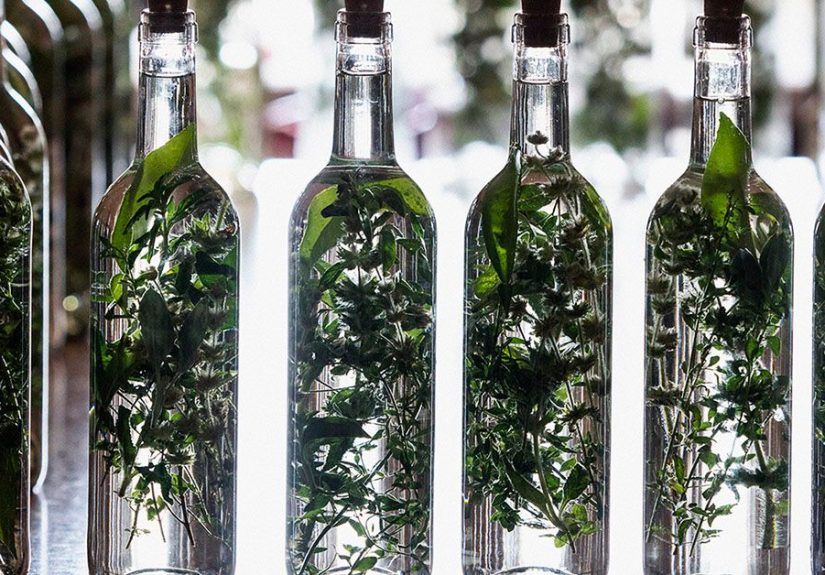
A herbal tincture is a concentrated liquid extract made by soaking plant material (like roots, leaves, or flowers) in a solventusually alcoholfor several weeks. The alcohol pulls out many of the plant’s active compounds, preserves them, and gives you a potent, long-lasting preparation you can take in small amounts.
In modern herbalism, “tincture” usually means an alcohol-based extract. Preparations made with glycerin (called glycerites) or vinegar (like some traditional folk remedies) are often grouped with tinctures in casual conversation, even if they’re technically different types of extracts. Alcohol has some advantages: it’s an excellent solvent for many plant compounds and helps preserve the mixture for years when stored properly.
Most homemade tinctures use a simple ratio of herb to alcohol (for example, 1:5, meaning 1 part dried herb to 5 parts alcohol by volume). You chop or crush the herbs, cover them with alcohol in a glass jar, let them sit in a cool, dark place for 2 to 4 weeks while you shake the jar regularly, then strain and bottle. The result is a concentrated liquid you can measure in drops or milliliters.
Benefits and risks of herbal tinctures
Potential benefits
- Convenient dosing: Instead of brewing tea multiple times per day, you can take a small amount of tincture in water or juice.
- Concentrated extract: Tinctures typically contain more concentrated plant compounds than a standard cup of tea.
- Fast absorption: When taken under the tongue or in a small amount of water, tinctures may be absorbed relatively quickly through the digestive system.
- Long shelf life: Properly prepared alcohol-based tinctures stored away from heat and light can remain usable for several years.
Important safety considerations
Even though they’re “natural,” herbal tinctures are not automatically safe for everyone. Many herbs have active pharmacological effects and can interact with medications or health conditions.
- Drug interactions: Herbs such as valerian, ginger, turmeric, chamomile, and others may affect blood clotting, sedation, blood sugar, or blood pressure, and can interact with medications like blood thinners or sedatives.
- Allergies: Plants like echinacea and chamomile are in the daisy family, and people allergic to ragweed or similar plants may react to them.
- Pregnancy, breastfeeding, and children: Safety data is limited for many herbs in pregnancy, breastfeeding, and young children. Always talk with a healthcare professional before using herbal tinctures in these situations.
- Liver and kidney concerns: Because tinctures are concentrated and involve the body’s detox systems, people with liver or kidney disease should be especially cautious and consult a clinician before use.
- Alcohol content: Even a small dose of tincture contains some alcohol. For people avoiding alcohol for medical, religious, or personal reasons, non-alcoholic preparations (like glycerites or teas) may be better.
Bottom line: Herbal tinctures can be part of a wellness routine, but they’re not a substitute for medical care. Before using them regularly or for specific health concerns, check in with a doctor, pharmacist, or qualified herbal practitionerespecially if you take prescription medicines or have chronic conditions.
5 types of herbal tinctures to know
There are countless herbs you can turn into tinctures, but these five are popular, widely available, and commonly used in traditional herbal practices.
1. Echinacea tincture
Echinacea (often Echinacea purpurea) is one of the most popular herbs for immune support. Traditional use and some modern studies suggest it may help support the body’s natural defenses, particularly around cold and flu season.
Echinacea tinctures are usually taken in short bursts, such as at the first sign of symptoms or during times of increased exposure, rather than every single day for months. Because echinacea is in the daisy family, people with related allergies should be cautious.
2. Chamomile tincture
Chamomile is famous as a bedtime tea, but as a tincture it’s a compact way to tap into the same gentle, calming properties. Traditionally, chamomile has been used to support relaxation, mild digestive upset, and occasional stress.
However, chamomile can cause allergic reactions in people sensitive to ragweed and related plants, and in very high amounts it may interact with blood-thinning medications. It’s best to use modest doses and run it by your healthcare provider if you’re on medication.
3. Ginger tincture
Ginger root has a long history of use for nausea, motion sickness, digestive discomfort, and general digestive support. Modern research backs up its role in easing mild nausea in several settings. A tincture form can be helpful when you’d rather not sip tea or suck on candy.
Ginger is generally considered safe for most adults in moderate amounts, but high doses may increase bleeding risk or interact with certain medications, so it’s wise to keep your provider in the loop if you’re using it regularly.
4. Lemon balm tincture
Lemon balm is a lemon-scented member of the mint family often used for gentle mood support, occasional stress, and to promote relaxation before bed. As a tincture, it’s easy to add to a little water in the evening as part of a wind-down routine.
Some people find lemon balm mildly sedating, so it may not be ideal before driving or operating machinery. As with other herbs, long-term daily use should be discussed with a professional, especially if you have thyroid issues or take medications for mood or sleep.
5. Valerian root tincture
Valerian root is a classic herb used traditionally to support sleep and relaxation. Tinctures of valerian are often taken before bedtime in small amounts. Some people find it very helpful; others notice little effect, and a few actually feel more wired instead of sleepy.
Valerian can interact with sedatives, alcohol, and many other medications, and may cause side effects like headaches, upset stomach, or next-day grogginess in some people. It’s a good idea to start with a low dose and avoid mixing it with other sleep medications unless your provider specifically approves it.
How to make herbal tinctures safely at home
Making a basic herbal tincture at home is straightforward, but safety and cleanliness are key. Here’s a general method for dried herbs using alcohol:
What you’ll need
- Clean glass jar with a tight-fitting lid (like a mason jar)
- High-proof, food-grade alcohol (like 80–100-proof vodka) unless otherwise specified by a trusted recipe
- Dried herbs (cut and sifted, or lightly crushed)
- Labels and a marker
- Fine mesh strainer, cheesecloth, and dark glass dropper bottles for storage
General step-by-step method
- Measure your herbs. A common ratio for dried herbs is 1:5. For example, 1 ounce (by weight) of dried herb to 5 fluid ounces of alcohol. You don’t have to be exact, but using a consistent ratio improves reliability.
- Add herbs to the jar. Place the dried herb into the jar, leaving some room at the top.
- Cover with alcohol. Pour your alcohol over the herbs until they’re completely submerged by at least an inch. Make sure all plant material is covered to prevent spoilage.
- Seal and label. Close the lid tightly and label the jar with the herb name, type of alcohol, ratio, and date.
- Steep in a cool, dark place. Store the jar in a cupboard or pantry for about 2 to 4 weeks. Shake gently every day or two to help extraction.
- Strain and bottle. When the tincture is ready, strain it through cheesecloth and a fine strainer into a clean bowl, then funnel the liquid into dark glass dropper bottles. Label again with the herb, date, and any dosing notes from your trusted source.
Always follow a reliable recipe from a reputable herbal text or qualified practitioner, especially if you’re using stronger herbs or planning regular use. Never use plants you can’t positively identify.
5 beginner-friendly herbal tincture recipes
1. Basic echinacea tincture recipe
Traditionally used for: Short-term immune support during cold and flu season.
Ingredients
- 1 ounce (by weight) dried echinacea root and/or aerial parts
- 5 fluid ounces 80–100-proof vodka (or similar neutral spirit)
Instructions
- Place the dried echinacea in a clean glass jar.
- Pour the alcohol over the herb until completely covered, using roughly the 1:5 ratio.
- Seal, label, and store in a cool, dark place for about 2 to 4 weeks, shaking every day or so.
- Strain well, then pour into dark glass bottles with droppers and label.
Typical use: Many commercial echinacea tinctures suggest 2–3 mL (about 40–60 drops) up to three times per day for short periods, but always follow your product’s instructions or your practitioner’s guidance.
2. Chamomile “wind-down” tincture
Traditionally used for: Gentle relaxation and mild digestive support in the evening.
Ingredients
- 1 ounce dried chamomile flowers
- 5 fluid ounces 80-proof vodka (or a brandy if you prefer a softer taste)
Instructions
- Add the chamomile flowers to your jar.
- Cover completely with alcohol, leaving a bit of headspace.
- Seal, label, and let steep for 2 to 3 weeks, shaking gently every day.
- Strain, bottle, and store away from heat and light.
Typical use: A small amount (for example, 0.5–2 mL) diluted in a little water before bed may be used, depending on the guidance from your herbal reference or practitioner. Watch for any signs of allergy, especially if you’re sensitive to ragweed or related plants.
3. Ginger digestion and nausea tincture
Traditionally used for: Mild nausea, motion sickness, or occasional digestive discomfort.
Ingredients
- 1 ounce dried ginger root (or 2 ounces fresh ginger, finely chopped, adjusting alcohol amount to fully cover)
- 5 fluid ounces 80–100-proof vodka (for dried ginger; you may need more to cover fresh)
Instructions
- Place the ginger in a jar and cover with alcohol.
- Seal, label, and let steep for about 2 to 4 weeks, shaking regularly.
- Strain and bottle the finished tincture.
Typical use: Small doses (for example, 0.5–1 mL) diluted in water may be used before travel or with meals, following professional guidance and keeping total daily ginger intake within safe limits.
4. Lemon balm calm-down tincture
Traditionally used for: Occasional nervousness, everyday stress, and general relaxation.
Ingredients
- 1 ounce dried lemon balm leaves
- 5 fluid ounces 80-proof vodka
Instructions
- Combine the lemon balm and alcohol in a jar.
- Seal, label, and store in a dark cupboard for 2 to 3 weeks, shaking occasionally.
- Strain and bottle when the mixture smells strongly of lemon balm and has taken on color and aroma.
Typical use: A small dose (for example, 0.5–2 mL) in water or tea once or twice daily, according to guidance from a reliable herbal reference or practitioner.
5. Valerian bedtime tincture
Traditionally used for: Sleep support and relaxation before bed.
Ingredients
- 1 ounce dried valerian root
- 5 fluid ounces 80–100-proof vodka
Instructions
- Place the dried valerian root in a glass jar.
- Cover completely with alcohol, ensuring no plant material is exposed to air.
- Seal, label, and steep for 3 to 4 weeks, shaking periodically.
- Strain and bottle in dark glass containers.
Typical use: Many people start with a small dose (for example, 0.5–1 mL) in a little water, taken 30–60 minutes before bed. Because valerian can interact with sedative medications and may cause drowsiness, it’s crucial to consult your healthcare provider before using it regularly.
How to use and store herbal tinctures
Using tinctures
- Dilute in water or juice: Most tinctures are taken in a small amount of water or juice to soften the taste and reduce alcohol burn.
- Follow trusted dosing guidance: Always follow the dosage on a reputable product label or from a qualified practitioner. More is not always better.
- Short-term vs. long-term use: Some herbs are best used short term (like echinacea during cold season), while others may be used occasionally as needed (like a gentle chamomile tincture before bed).
Storing tinctures
- Keep tinctures in dark glass bottles (amber or cobalt) to protect them from light.
- Store them in a cool, dry place away from heat and direct sunlight.
- Label each bottle clearly with the herb name, type of alcohol, and date of preparation.
- Properly stored alcohol-based tinctures often last several years, but discard any preparation that smells off, grows sediment or mold, or changes in an unusual way.
Who should talk to a professional before using tinctures?
While many herbs are generally considered safe for most healthy adults in moderate amounts, some people should be especially cautious and get individual medical advice before using herbal tinctures:
- Anyone who takes prescription or over-the-counter medications, especially blood thinners, blood pressure medications, sedatives, antidepressants, or diabetes medications
- People who are pregnant, planning pregnancy, or breastfeeding
- Children and adolescents, unless guided by a pediatric professional familiar with herbs
- People with chronic liver, kidney, or heart conditions
- Anyone with a history of significant allergies to plants, especially the daisy family (for echinacea and chamomile)
- People avoiding alcohol for health, religious, or recovery-related reasons
When in doubt, always ask a healthcare provider or a properly trained herbalist before starting a new tincture.
Real-life experiences and practical tips with herbal tinctures
Reading about herbal tinctures in theory is helpful, but it’s often the real-world experiences that show how they fit into everyday life. Below are a few common scenarios and takeaways that many herbal enthusiasts report when they start working with tinctures. These are illustrative examples, not medical advice, but they can give you a feel for what to expect.
Learning to respect the dropper
New users sometimes assume a tincture is like flavored water and casually squeeze the dropper halfway full without thinking. The first surprise is usually the tastestrong, bitter, spicy, or earthy. The second surprise can be how quickly you feel something, especially with herbs like valerian or ginger. Many people eventually learn a simple rule: measure your drops or milliliters, don’t just “eyeball” the dose, and start with the low end of the recommended range to see how your body responds.
Discovering what works for your body
Two people can take the same tincture and have very different experiences. One person may find a small amount of lemon balm tincture deeply relaxing, while another barely notices any change. Some people love valerian root and credit it with helping them fall asleep; others find it makes their dreams vivid or makes them feel heavy and sluggish in the morning. It’s common for herbal enthusiasts to keep a simple journal where they note the herb, dose, time of day, and effects. Over a few weeks, patterns emerge and it becomes easier to know which tinctures truly support you and which ones are just “nice to have.”
The satisfaction of making your own
There’s a special kind of satisfaction that comes from making your own tincture. You choose the herb, chop it, measure the alcohol, label the jar, and watch the liquid darken over time. When you finally strain and bottle it, you have a sense of connection to the process that you’ll never get from grabbing a bottle off the shelf. Many people also find that DIY tinctures encourage more mindful use: when you’ve put in the effort to brew a batch, you’re more careful about how and why you take it.
Realizing that “natural” doesn’t mean “risk-free”
Another common experience is the moment when someone notices a side effectlike unexpected drowsiness from a larger dose of chamomile tincture, or a mildly upset stomach from ginger on an empty stomachand realizes that herbs are active substances, not neutral flavorings. This can be a healthy wake-up call. It reminds us to approach herbal remedies with the same respect we would give any other tool that affects our bodies, to read about possible interactions, and to keep our healthcare team in the loop.
Fitting tinctures into daily routines
For many people, tinctures end up woven into small daily rituals: a few drops of a calming herb in evening tea, a bit of ginger tincture before a long car ride, or an immune-supportive echinacea blend used for a short stretch during high-exposure seasons. When used thoughtfully, tinctures can feel less like “alternative medicine” and more like one of several toolsalongside sleep, nutrition, hydration, movement, and conventional carethat support overall health.
Ultimately, herbal tinctures shine when they’re used with curiosity, patience, and respect. By starting slowly, sticking with well-known herbs, and checking in with professionals when needed, you can explore tinctures as part of a holistic, grounded approach to wellness rather than a quick fix.