Table of Contents >> Show >> Hide
- What High Cholesterol Really Means (and Why Your Arteries Care)
- Who Should Treat High Cholesteroland How Aggressively?
- Natural High Cholesterol Treatment That Actually Moves the Needle
- 1) Upgrade Fats: Replace, Don’t Just Remove
- 2) Go Big on Soluble Fiber (Your Gut’s Cholesterol “Bouncer”)
- 3) Plant Sterols and Stanols: Small Compounds, Real Impact
- 4) Try a Proven Pattern: Mediterranean-Style (or “Portfolio”) Eating
- 5) Move Your Body (No, It Doesn’t Have to Be a Spin Class)
- 6) Weight, Sleep, Stress, and Smoking: The “Supporting Actors” That Matter
- 7) Supplements: Useful for Some, Risky for Others
- Medication Options: From Classic Statins to Newer LDL-Lowering Tech
- Statins: Still the First-Line Heavy Hitters
- Ezetimibe: The Add-On That Often Comes Next
- Bile Acid Sequestrants: Old-School, Still Useful (Sometimes)
- Bempedoic Acid: An Oral Option for Statin Intolerance (and More)
- PCSK9 Inhibitors: Big LDL Drops via Injection
- Inclisiran: Twice-Yearly LDL Lowering (After a Starter Schedule)
- Specialized Therapies for Rare Inherited Conditions
- What’s New in High Cholesterol Treatment Right Now?
- How to Build Your Personal Plan (Without Losing Your Mind)
- Conclusion: Natural, New, and (Most of All) Sustainable
- Bonus: Real-World Experiences (The Part Nobody Puts on the Lab Report)
- Experience #1: “I Swear I Eat Healthy” (and Then We Look at the Details)
- Experience #2: The Statin Side-Effect Scare
- Experience #3: The Busy Person Who Loves the Idea of “Twice a Year”
- Experience #4: The Triglyceride Surprise After “Healthy” Changes
- Experience #5: The Genetic Curveball
- Experience #6: The “I Finally Found a Routine” Moment
Cholesterol has a branding problem. It’s like that one coworker everyone blames for everythingyet the office would collapse without them. Your body actually needs cholesterol to build hormones, make vitamin D, and keep cell walls sturdy. The trouble starts when too much of the wrong kind (usually LDL) hangs around in your bloodstream long enough to help form artery-clogging plaque.
The good news: high cholesterol treatment isn’t a single dramatic “take this pill or else” moment. It’s a menu. Sometimes it’s mostly food and movement. Sometimes it’s medication. Sometimes it’s bothbecause biology doesn’t always respond to kale with the gratitude we feel it should. Let’s break down what works, what’s new, and how to build a plan that actually fits real life.
What High Cholesterol Really Means (and Why Your Arteries Care)
LDL, HDL, and Triglycerides: The Cast of Characters
A standard lipid panel usually reports:
- LDL (“bad”) cholesterol: The main particle linked to plaque buildup in arteries.
- HDL (“good”) cholesterol: Helps transport cholesterol back to the liver for cleanup.
- Triglycerides: A form of fat in the blood; often rises with excess calories, refined carbs, and alcohol.
- Total cholesterol: A summary number that can hide important details (like a group photo where you can’t tell who’s causing the drama).
Many clinicians also pay close attention to non-HDL cholesterol (total cholesterol minus HDL) because it captures several “atherogenic” particles that can contribute to cardiovascular risk.
Why LDL Matters So Much
When LDL levels stay high over time, cholesterol can deposit in artery walls and contribute to plaque. Plaque can narrow arteries slowly (think: “traffic jam”) or rupture suddenly (think: “pileup”), which can trigger a heart attack or stroke. The tricky part is that high LDL typically doesn’t come with warning symptomsso screening and follow-up matter.
Who Should Treat High Cholesteroland How Aggressively?
Not everyone with an “elevated” cholesterol number needs the same approach. Treatment intensity usually depends on your overall cardiovascular risk. Big factors include:
- History of heart disease, stroke, or peripheral artery disease
- Diabetes, high blood pressure, smoking
- Family history of early heart disease
- Very high LDL (especially LDL ≥ 190 mg/dL, where inherited causes are more likely)
- Age and other risk-enhancing factors your clinician may review
Translation: “High cholesterol treatment” is really “risk reduction treatment.” For some people, lifestyle changes can be enough to get LDL to a safer place. For othersespecially those with very high LDL, inherited lipid disorders, or established cardiovascular diseasemedications are often a key part of the plan.
Natural High Cholesterol Treatment That Actually Moves the Needle
Lifestyle changes are not “the boring option.” They’re the foundation. Even when medications are necessary, healthy habits can lower the dose needed, improve triglycerides, reduce inflammation, and boost overall heart health.
1) Upgrade Fats: Replace, Don’t Just Remove
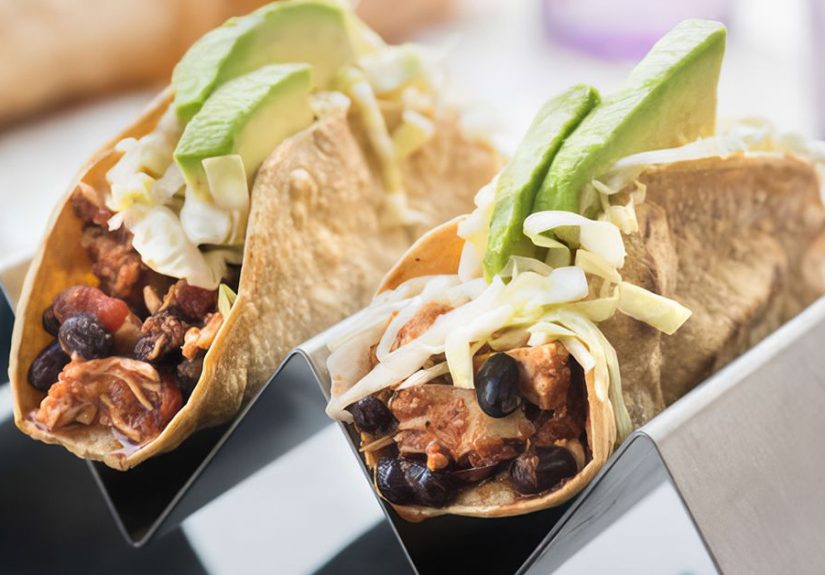
A common pitfall: cutting fat and accidentally replacing it with refined carbs. Instead, aim to replace saturated fats (like fatty red meat, butter, and certain processed foods) with unsaturated fats (olive oil, nuts, seeds, avocados, and fish). This swap supports healthier LDL levels and better overall cardiovascular markers.
Practical example: choose olive-oil-based dressings, snack on a small handful of nuts, and try fish a couple times per week if it fits your diet.
2) Go Big on Soluble Fiber (Your Gut’s Cholesterol “Bouncer”)
Soluble fiber (found in oats, beans, lentils, apples, citrus, and psyllium) can help lower LDL by binding cholesterol-related compounds in the digestive tract. It’s not glamorous, but it’s effectivelike a quiet superhero in sweatpants.
Easy add-ons: oatmeal or oat bran at breakfast, beans in soups and salads, chia in yogurt, or a clinician-approved psyllium supplement.
3) Plant Sterols and Stanols: Small Compounds, Real Impact
Plant sterols/stanols can reduce cholesterol absorption in the gut. They occur naturally in plants and are also added to some fortified foods. Think of them as decoys that distract your intestines from absorbing as much cholesterol.
4) Try a Proven Pattern: Mediterranean-Style (or “Portfolio”) Eating
People stick with diets that taste good, feel satisfying, and don’t require a PhD in meal prep. A Mediterranean-style diet (vegetables, fruits, whole grains, legumes, nuts, fish, olive oil) checks those boxes and has strong evidence for improving cardiovascular risk.
The Portfolio Diet goes even more targeted for cholesterol by emphasizing a “portfolio” of cholesterol-lowering foods (soluble fiber, plant sterols, nuts, and plant protein like soy/legumes). If you like structured goals, it can be a great framework.
5) Move Your Body (No, It Doesn’t Have to Be a Spin Class)
Regular physical activity can improve lipid profiles, support weight management, and strengthen cardiovascular fitness. The best exercise is the one you’ll do consistentlywalking, cycling, swimming, dancing in your kitchen while waiting for the coffee to brew.
6) Weight, Sleep, Stress, and Smoking: The “Supporting Actors” That Matter
Excess body weight is often linked to higher triglycerides and higher LDL, while also affecting blood pressure and blood sugaran unfortunate “team-up episode” your heart did not request. Better sleep and stress management can support healthier habits and metabolic health. Quitting smoking improves cardiovascular risk regardless of cholesterol numbers.
7) Supplements: Useful for Some, Risky for Others
Some supplements can help, but this is where “natural” can get sneaky. A few evidence-backed options under clinician guidance include:
- Psyllium (soluble fiber) to support LDL lowering
- Plant sterols/stanols if you’re not getting them through foods
- Omega-3s (especially for triglycerides, depending on the formulation and dose)
Use extra caution with red yeast rice. It may contain a statin-like compound and can vary widely in potency and quality. “Natural” doesn’t automatically mean “safe,” especially with supplements that aren’t tightly standardized.
Medication Options: From Classic Statins to Newer LDL-Lowering Tech
If lifestyle changes are the foundation, medications are often the scaffoldingespecially for people at higher risk or those with very high LDL. The goal is usually to reduce LDL enough to meaningfully lower the chance of heart attack or stroke over time.
Statins: Still the First-Line Heavy Hitters
Statins reduce cholesterol production in the liver and increase LDL clearance from the blood. They remain the most commonly used medications because they’re effective, well-studied, and proven to reduce cardiovascular events in appropriate patients.
Side effects can occur (muscle symptoms are the most discussed), but many people tolerate statins well. If side effects appear, clinicians often try dose adjustments, switching statins, or alternate dosing strategies rather than abandoning the category entirely.
Ezetimibe: The Add-On That Often Comes Next
Ezetimibe lowers LDL by reducing cholesterol absorption in the intestine. It’s commonly used when statins alone don’t reach the LDL goal, or when someone can’t tolerate a sufficient statin dose.
Bile Acid Sequestrants: Old-School, Still Useful (Sometimes)
These medications bind bile acids in the gut, prompting the liver to use more cholesterol to make replacement bile acids, which can lower LDL. They can be helpful in selected cases, though GI side effects and pill burden can be limiting.
Bempedoic Acid: An Oral Option for Statin Intolerance (and More)
Bempedoic acid is an oral LDL-lowering medication that works upstream of where statins act, but it’s activated primarily in the liver (which may help reduce muscle-related side effects for some people). It can be used alone or in combination (including with ezetimibe) when additional LDL lowering is neededparticularly for people who can’t tolerate statins well.
PCSK9 Inhibitors: Big LDL Drops via Injection
PCSK9 inhibitors (the monoclonal antibodies, such as evolocumab and alirocumab) help the liver remove more LDL from the blood. They can produce substantial LDL reductions and are often considered for people with familial hypercholesterolemia, established cardiovascular disease, or persistently high LDL despite other therapies.
The main hurdles are usually cost/coverage and the fact that they’re injectablesthough many patients find the injection process manageable, especially compared with daily pills.
Inclisiran: Twice-Yearly LDL Lowering (After a Starter Schedule)
Inclisiran (brand name Leqvio) uses small interfering RNA (siRNA) technology to reduce PCSK9 production in the liver. After an initial dose and a follow-up, it’s dosed every six months, typically administered by a healthcare professional. This can be especially appealing for people who struggle with daily medications or frequent self-injections.
One important nuance: LDL lowering is clearly established, while long-term cardiovascular outcomes research has been ongoingso your clinician may weigh individual risk and the broader evidence when choosing among therapies.
Specialized Therapies for Rare Inherited Conditions
For severe inherited cholesterol disorders (like homozygous familial hypercholesterolemia), specialty treatments may be used in lipid clinics. These can include advanced medications and, in rare cases, procedures like LDL apheresis. If LDL is extremely high despite standard therapy, referral to a lipid specialist can be life-changing.
What’s New in High Cholesterol Treatment Right Now?
Guidelines Are Getting More “Nonstatin-Friendly”
Modern cholesterol guidance increasingly emphasizes adding nonstatin therapies when LDL goals aren’t metespecially in higher-risk patients. Instead of “statins or nothing,” the trend is “statins when possible, plus smart add-ons when needed.”
Label Expansions and a Bigger Role for Adherence-Friendly Options
The last few years have highlighted a reality that clinicians have known forever: the best medication is the one you can actually take. Dosing convenience (like twice-yearly administration) and broader indications can help more people reach LDL targetsparticularly those with long-term adherence challenges.
The Next Frontier: Oral PCSK9 and Longer-Lasting Therapies
Researchers are actively exploring additional approaches, including oral agents targeting the PCSK9 pathway and other long-duration strategies. Some early-stage work even looks at gene-based therapies aimed at long-term LDL control. These aren’t everyday options yet, but the direction is clear: fewer doses, steadier LDL lowering, and less friction between “the plan” and real life.
How to Build Your Personal Plan (Without Losing Your Mind)
Step 1: Know Your Starting Point
Ask for your full lipid panel values (LDL, HDL, triglycerides, total cholesterol) and discuss how they fit into your overall cardiovascular risk. If LDL is very high or there’s a strong family history, ask whether inherited lipid conditions should be considered.
Step 2: Pick Two Lifestyle Changes You’ll Actually Keep
“Overhauling everything” often collapses by Wednesday. Instead, choose two high-impact, realistic moveslike oats/beans for soluble fiber and a 20–30 minute walk most days. Once those are stable, add another.
Step 3: Recheck and Adjust
Many clinicians recheck lipids after a reasonable interval to see whether changes worked and whether medication is warranted or needs adjustment. Cholesterol treatment is iterative, not a one-time exam you pass or fail.
Conclusion: Natural, New, and (Most of All) Sustainable
High cholesterol treatment is no longer just “eat better and take a statin.” It’s a layered approach: targeted food choices, regular activity, smarter risk assessment, and a growing set of medicationsfrom classic statins and ezetimibe to injectable PCSK9 inhibitors, twice-yearly inclisiran, and oral options like bempedoic acid for people who need alternatives.
The best plan is the one that matches your biology and your life. If you’re not sure where to start, start small: add soluble fiber, swap saturated fats for unsaturated fats, move more days than you don’t, and talk with a clinician about whether medication belongs in your plan. Your arteries are playing the long gameso should you.
Bonus: Real-World Experiences (The Part Nobody Puts on the Lab Report)
Here’s what cholesterol journeys often look like in real lifemessy, human, and occasionally powered by spite (because nothing motivates like proving a scary number wrong).
Experience #1: “I Swear I Eat Healthy” (and Then We Look at the Details)
A lot of people genuinely do eat pretty wellhome-cooked meals, decent portions, not living on donuts. Then the LDL comes back high anyway. This is where details matter: saturated fat can hide in “normal” foods (cheese, creamy coffees, fatty cuts of meat), and fiber can be surprisingly low if your carbs are mostly white bread, crackers, and snack bars. The win here is that small, specific tweaks often outperform giant vague promises. Adding oats or beans most days, switching to olive oil, and choosing nuts or fruit instead of processed snacks can create meaningful LDL changes without turning your kitchen into a punishment zone.
Experience #2: The Statin Side-Effect Scare
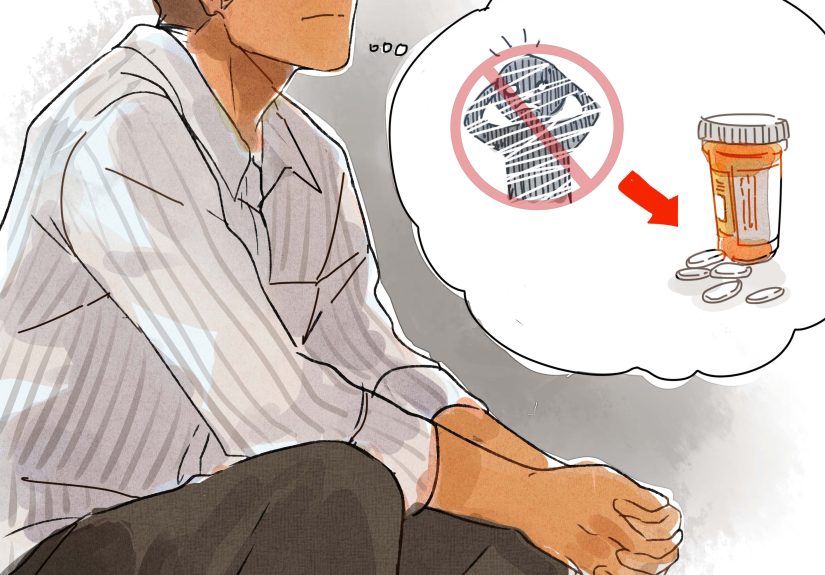
Many people hear “statin” and immediately picture muscle pain, brain fog, or a dramatic montage of someone throwing pill bottles into the ocean. The real-world middle ground is more common: someone tries a statin, feels off, stops it, then assumes the entire category is impossible. What often helps is a calm troubleshooting approach with a clinician: try a different statin, lower the dose, adjust timing, or consider alternate dosing. If statins truly aren’t tolerated, there are now more nonstatin pathways than everso the story doesn’t have to end with “welp, guess I’ll just have high LDL.”
Experience #3: The Busy Person Who Loves the Idea of “Twice a Year”
Daily medication is easy… until you have a life. Some people travel constantly, work long shifts, or manage caregiving and simply don’t want another daily task. This is where longer-interval therapies can be emotionally (and practically) freeing. Fewer dosing events can mean fewer opportunities to forget, fewer “did I take it?” moments, and a plan that feels less like a second job. The key is pairing convenience with the right clinical indication and making sure follow-up labs and appointments still happenbecause “set it and forget it” is great for slow cookers, not always for lipid management.
Experience #4: The Triglyceride Surprise After “Healthy” Changes
Sometimes LDL improves but triglycerides stubbornly stay high. That can happen when diet changes focus on low fat but accidentally increase refined carbs, sugary snacks, or alcohol. People often assume “low fat = heart healthy,” but triglycerides may respond better to reducing added sugars and ultra-processed carbs, prioritizing protein and fiber, and watching alcohol intake. This is also why a full lipid panel matters: one number improving doesn’t guarantee the entire risk picture is solved.
Experience #5: The Genetic Curveball
If LDL is extremely high (especially from a young age), or multiple relatives had early heart disease, lifestyle changes may not be enough. This is not a personal failure; it’s biology. In these cases, medications are often essential, and earlier treatment can make a huge difference over decades. People with familial hypercholesterolemia often describe a mix of relief (“there’s a reason”) and frustration (“so I can’t just smoothie my way out of this?”). The best outcomes usually come from a layered plan: heart-healthy eating, consistent movement, and the right medication strategysometimes including specialty care.
Experience #6: The “I Finally Found a Routine” Moment
The most successful cholesterol plans usually don’t look impressive on social media. They’re boring in the best way: oatmeal, walking, meal repeats, a weekly grocery list, and medication that’s actually taken consistently. People often report that once they stop chasing perfection and start chasing repeatability, the numbers move. And even when medication is needed, lifestyle changes can improve energy, blood pressure, blood sugar, and overall confidencebecause progress feels better than anxiety.