Table of Contents >> Show >> Hide
- What Is Ground Chicken Pizza Crust, Exactly?
- Why This Crust Works (And Why Some Attempts Don’t)
- Ingredients for a High-Protein Chicken Pizza Crust
- Step-by-Step: How to Make Ground Chicken Pizza Crust
- Poultry Safety: The Temperature Rule You Shouldn’t Guess
- Flavor Variations That Don’t Feel Like “Diet Food”
- Tips for a Crispy, Sturdy Chicken Crust (No Fork Required)
- Make-Ahead, Storage, and Meal Prep
- Nutrition: Why This Feels So Filling
- Troubleshooting: Fixes for Common Chicken-Crust Problems
- FAQ
- What It’s Like to Actually Make This (Common Experiences)
- Conclusion
Pizza night is wonderful… right up until the crust shows up like a fluffy carbohydrate mattress and you realize you’d rather
hit your protein goal than take a nap afterward. Enter: high-protein ground chicken pizza crusta flourless,
low-carb, gluten-free(ish) option that’s basically “pizza” wearing gym clothes.
This isn’t a “sad diet hack.” Done right, chicken crust pizza is crispy at the edges, sturdy enough to pick up, and wildly
customizable. It’s also fast. No yeast. No rising. No “I forgot to proof the dough” drama. Just mix, press, bake, top, and
enjoy the most satisfying kind of shortcut: the one that still tastes like a treat.
What Is Ground Chicken Pizza Crust, Exactly?
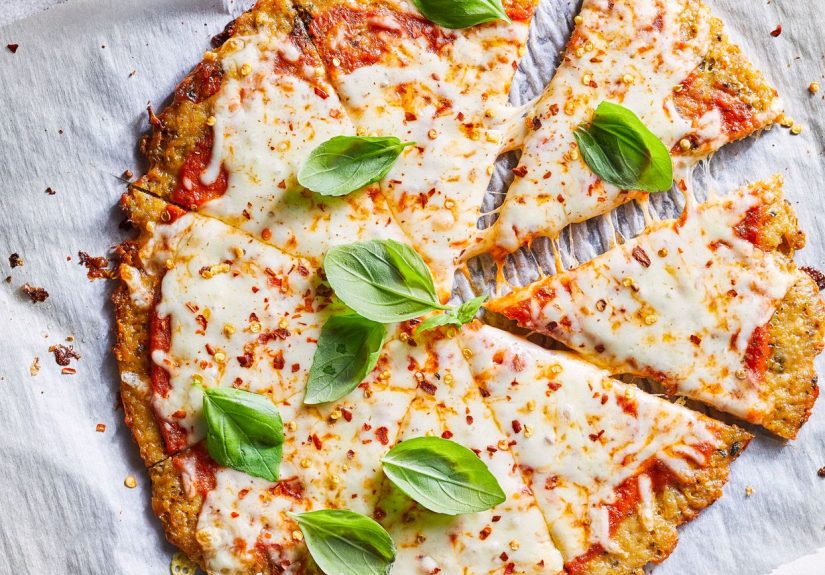
A ground chicken pizza crust is a protein pizza crust made by combining ground chicken with a binder (usually
egg) plus cheese and seasonings. You press it into a thin round (or rectangle, because perfection is overrated), bake it until
it firms up, then add toppings and bake again.
Think of it as a savory “meat flatbread” that just happens to be an excellent vehicle for marinara, melty mozzarella, and all
your favorite toppings. It’s popular with people who want a low-carb pizza crust, a keto pizza crust,
or simply a more filling slice that doesn’t leave you rummaging for snacks 30 minutes later.
Why This Crust Works (And Why Some Attempts Don’t)
The secret is texture management. Ground chicken contains water and fat. If you don’t bake it long enough (or you make it too thick),
you’ll get a soft, steamy base that behaves more like a casserole than a crust. The fix is simple:
press thin, bake hot, and let it rest briefly before topping.
Cheese helps, too. Parmesan adds salty, nutty flavor and promotes browning. Mozzarella adds stretch and structure. Egg acts like culinary
glue, helping the crust hold together when you slice and lift.
Ingredients for a High-Protein Chicken Pizza Crust
This is the classic, reliable combo that shows up across many successful chicken crust recipes. You can tweak seasonings and cheeses
based on what you like and what’s in your fridge.
For the crust
- 1 pound ground chicken (lean is fine; not ultra-lean is often a bit juicier)
- 1 large egg
- 1/3 to 1/2 cup grated Parmesan (freshly grated if possible)
- 1/2 cup shredded mozzarella (optional but recommended for sturdier texture)
- 1 to 2 teaspoons Italian seasoning
- 1/2 to 1 teaspoon garlic powder (or 1–2 minced cloves)
- Salt and black pepper to taste
- Optional: pinch of crushed red pepper flakes, smoked paprika, or dried oregano
For topping (choose your adventure)
- Pizza sauce or marinara
- Shredded mozzarella (or provolone, fontina, pepper jack)
- Pepperoni, cooked sausage, cooked veggies, sliced mushrooms, olives, onions, bell peppers
- Fresh basil or arugula (add after baking)
Equipment
- Large baking sheet
- Parchment paper (your crust’s best friend)
- Mixing bowl
- Spatula or spoon
- Instant-read thermometer (highly recommended for poultry safety)
Step-by-Step: How to Make Ground Chicken Pizza Crust
1) Heat the oven (hotter is better)
Preheat your oven to 400–425°F. Line a baking sheet with parchment paper. If your parchment slides around like it’s
trying to escape the job, lightly grease the pan first so the paper stays put.
2) Mix the crust “dough”
In a bowl, combine ground chicken, egg, Parmesan, mozzarella (if using), and seasonings. Mix until evenly combined. Don’t overmix like you’re
kneading breadjust get everything friendly and cohesive.
3) Press it thin (seriously: thin)
Transfer the mixture to your parchment-lined sheet. Press into a round about 10–12 inches wide and
1/4 to 1/2 inch thick. Thin = crispier + sturdier. Thick = juicy, but also “why is my crust a sponge?”
4) Pre-bake until firm and lightly browned
Bake for 20–25 minutes, or until the surface looks set and there’s some golden browning. If you see excess liquid pooling,
carefully dab it with a paper towel or tilt the pan and spoon it off. (You’re not failing. Chicken is just… enthusiastic about moisture.)
5) Optional but clutch: flip for a sturdier crust
For maximum “pick-up-able” slices, flip the crust: place a second sheet of parchment over the top, invert onto another pan or cutting board,
then slide it back onto the baking sheet and peel off the old parchment. Bake another 5–10 minutes to dry and brown the second side.
6) Rest before topping
Let the crust rest for 5 minutes. This helps it firm up so toppings don’t instantly turn it into a saucy slip-n-slide.
7) Add toppings (but don’t drown it)
Spread a thin layer of sauce, then add cheese and toppings. Go easy on watery vegetables (like fresh tomatoes) unless you pre-cook or pat them dry.
8) Bake again until melty and irresistible
Return to the oven for 8–12 minutes, until cheese is melted and bubbly. For extra browning, broil for 1–2 minutes
at the endwatch closely, because broilers have the attention span of a toddler near markers.
Poultry Safety: The Temperature Rule You Shouldn’t Guess
Because this is a poultry-based crust, food safety matters. The crust should reach a safe internal temperature of
165°F. An instant-read thermometer takes the stress out of “Is it done?” and replaces it with the confidence of a person who
owns at least one grown-up kitchen tool.
Flavor Variations That Don’t Feel Like “Diet Food”
Classic Pepperoni
Marinara + mozzarella + pepperoni + a sprinkle of oregano. Finish with grated Parmesan and red pepper flakes.
BBQ Chicken (Because Chicken on Chicken Is a Vibe)
Use BBQ sauce (thin layer), mozzarella, red onion, and cooked chicken pieces. Add cilantro after baking.
Buffalo Ranch
Buffalo sauce + mozzarella + cooked chicken (or turkey pepperoni). Drizzle ranch after baking and top with scallions.
Mediterranean
Olive oil + garlic as the base (skip marinara), then mozzarella, olives, roasted red peppers, and a little feta. Add arugula after baking.
Breakfast Pizza
Light layer of sauce (or a thin smear of ricotta), mozzarella, cooked turkey sausage, and scrambled eggs added after the final bake.
Finish with chives. Brunch energy, weeknight effort.
Tips for a Crispy, Sturdy Chicken Crust (No Fork Required)
- Use parchment paper: It prevents sticking and makes flipping possible.
- Press evenly: Thin spots burn; thick spots stay soft.
- Flip if you can: This is the difference between “pizza slice” and “delicious topping plate.”
- Don’t overload sauce: A little goes a long way on a low-carb crust.
- Pre-cook watery toppings: Mushrooms, zucchini, and spinach release water. Sauté first or pat dry.
- Let it rest: Five minutes of patience buys you slices that behave.
Make-Ahead, Storage, and Meal Prep
Chicken crust pizza is surprisingly meal-prep friendly. You can pre-bake the crust, cool it, and store it in the fridge for
up to 3 days. When you’re ready, top and bake until hot and melty.
Leftover slices keep well in the fridge. Reheat in a hot oven or air fryer for better texture. Microwaves work, but they’re basically a softness machine,
so don’t blame the crust if it comes out a little… cuddly.
Nutrition: Why This Feels So Filling
The big win here is that the crust is mostly protein (with some fat), which can help with satietymeaning you feel full and satisfied longer.
Protein also takes more energy to digest than carbs and fat, which is one reason many people find higher-protein meals more sustaining.
Exact macros vary by brand and toppings, but here’s a realistic example: a crust made from 1 pound ground chicken, egg, and a modest amount of cheese,
divided into 4 servings, can easily land in the neighborhood of 25–35 grams of protein per serving before toppings.
Add cheese and pepperoni and you’ll raise protein and fat; add veggies and you’ll add volume and fiber with minimal carbs.
One caution: if you’re following a high-protein approach for a medical reason (or you have kidney disease), check with a clinician or dietitian for personalized guidance.
“High-protein” is great for some goals, but it should still fit your overall health picture.
Troubleshooting: Fixes for Common Chicken-Crust Problems
“My crust is soggy.”
- Press it thinner next time.
- Bake longer before topping (and flip if possible).
- Use less sauce; pre-cook watery veggies.
“It fell apart when I lifted a slice.”
- Add mozzarella or a bit more Parmesan for structure.
- Rest the crust before topping and again before slicing.
- Flip-bake for a firmer base.
“It stuck to the pan.”
- Parchment paper is non-negotiable here.
- Lightly grease the parchment or pan underneath if needed.
“It tastes too ‘chicken-y.’”
- Use stronger seasonings: garlic, Italian herbs, chili flakes.
- Parmesan helps a lot, and so does a bold sauce (marinara, BBQ, buffalo).
FAQ
Is ground chicken pizza crust actually keto?
The crust itself is typically very low in carbs, so it’s often keto-friendly. Your toppings decide the final carb countwatch sweet sauces and high-sugar BBQ.
Can I use ground turkey instead?
Yes. Ground turkey works similarly. You may need the same texture tricks: press thin, bake hot, flip if you want sturdier slices.
Do I have to use cheese in the crust?
You can reduce it, but cheese helps browning and structure. If you avoid dairy, try increasing seasoning and using an extra egg white for binding,
but expect a softer crust.
Can I freeze the crust?
Yes. Pre-bake the crust, cool completely, and freeze flat with parchment between layers. Reheat in the oven until hot, then top and finish-bake.
What It’s Like to Actually Make This (Common Experiences)
The first time most people try a high-protein ground chicken pizza crust, the reaction is a mix of curiosity and mild suspicion.
“So… the crust is meat?” Yes. And the good news is that your taste buds are less judgmental than your inner narrator. Once it bakes and browns, the crust
stops feeling like “raw chicken in a circle” and starts feeling like a savory base that’s ready for the usual pizza treatment.
A very common early experience: you press the mixture too thick because you’re thinking in “bread dough” terms. It feels safer, sturdier, more substantial.
Then you bake it and realize thick chicken crust behaves like a juicy chicken patty. Delicious, but not exactly the crisp slice you pictured. That’s usually
the moment the “press thin” advice becomes a personal belief system. The next attempt is thinner, and suddenly the edges crisp, the middle firms up, and the
whole thing feels more pizza-like.
Another shared experience is the sauce confidence problem. With normal crust, you can slather sauce on like you’re painting a fence. With chicken crust,
sauce needs a lighter touch. People often learn (quickly) that the magic is flavor concentration: a thin layer of a bold sauce, plus plenty of cheese,
plus toppings that aren’t dripping with water. Once you nail that balance, the crust stays sturdy and the flavors pop instead of pooling.
Then there’s the flip. Lots of cooks skip flipping the first time because it sounds like a hassle (and because we’ve all had at least one culinary flip go
emotionally wrong). But once you try it, you understand why it’s recommended: baking both sides makes the crust drier, firmer, and more slice-friendly.
The “aha” moment is usually when someone lifts a slice and it holds up without folding like a sad paper plate. That’s when chicken crust goes from “experiment”
to “repeat dinner.”
Socially, chicken crust pizza has a funny pattern: people who are skeptical become the loudest fans after one bite. It’s especially popular in households where
one person wants low-carb or gluten-free options and everyone else just wants dinner to taste good. The easiest way to win the room is to pick a familiar topping
combopepperoni, classic margherita flavors, or BBQ chickenso the novelty is in the crust only, not the entire pizza identity crisis.
Finally, many people notice how satisfying this is compared with typical “light” dinners. Because the base is protein-forward, it often feels like a full meal
rather than a snack pretending to be a meal. That can be a game changer for weeknights: fewer cravings later, less random grazing, and more of that calm “I ate dinner”
feeling. The most common takeaway is simple: the first one teaches you the rules, and the second one tastes like you’ve been doing it forever.
Conclusion
If you want pizza that’s more filling, more protein-forward, and less carb-heavy, a high-protein ground chicken pizza crust is one of the easiest
swaps you can make. Press it thin, bake it hot, flip if you want maximum sturdiness, and keep toppings flavorful (not watery). From there, it’s all customization
classic pepperoni, buffalo ranch, Mediterranean, or anything your fridge can support.
In other words: you don’t have to “quit pizza.” You just have to let pizza evolve. Preferably into something you can hold with one hand while proudly announcing,
“Yes, the crust is chicken,” like that’s the most normal thing in the world.