Table of Contents >> Show >> Hide
- What Counts as a Home Makeover?
- Start With a “Why” (Because Paint Can’t Fix a Bad Layout)
- Budgeting Like a Pro (Even If You’re Not One)
- Plan the Order: The “Messy First” Rule
- Design That Won’t Regret-Text You Later
- High-Impact, Low-Drama Makeover Ideas
- Room-by-Room Home Makeover Playbook
- Kitchen Makeovers: Function first, beauty second (but still beauty)
- Bathroom Makeovers: Clean lines, better ventilation, fewer regrets
- Living Room Makeovers: Layout and layering
- Bedrooms: Make it feel like rest, not storage
- Entry + Hallways: The makeover that improves every day
- Curb Appeal: The “before you even walk in” makeover
- Energy-Efficient Makeovers That Improve Comfort
- DIY vs. Pro: Pick Your Battles (and Keep Your Weekends)
- Hiring a Contractor Without Inviting Chaos
- Makeover Management: Timelines, Change Orders, and Staying Sane
- Common Home Makeover Mistakes (And How to Avoid Them)
- Finish Strong: Styling That Makes the Makeover Feel Complete
- Real-World Home Makeover Experiences ( of Lessons People Actually Learn)
A home makeover is basically a glow-up for your living spaceexcept instead of a new haircut and a better attitude,
it’s paint, lighting, and finally replacing the “temporary” shelf that’s been leaning like the Tower of Pisa since 2019.
Whether you’re refreshing one room or rethinking the whole house, a smart makeover makes your home feel more functional,
more comfortable, and (bonus) more like you.
This guide walks you through home makeovers the way pros do it: start with goals, plan the messy parts first, spend
where it counts, and avoid the classic mistakes (like choosing a white sofa when your household includes a dog, a toddler,
and a spaghetti habit). You’ll get room-by-room ideas, budgeting tips, and practical decision-making advicewithout the
“just knock down a wall!” energy that leads to… surprise beams.
What Counts as a Home Makeover?
“Home makeover” is a flexible phrase. It can mean anything from styling a living room with better lighting and layered
textiles to a full-blown home renovation that involves permits, contractors, and learning what a “change order” is (spoiler:
it’s rarely free).
- Refresh: Cosmetic upgrades like paint, hardware, lighting, decor, and furniture layout.
- Remodel: Changes to layout or functionnew kitchen cabinets, bathroom reconfiguration, built-ins.
- Renovation: Bigger improvements that may involve systems, structure, or multiple rooms.
The sweet spot for many homeowners is a “high-impact refresh” first. You’d be amazed what a thoughtful lighting plan,
updated paint, and cleaner sightlines can dowithout pulling out a single permit.
Start With a “Why” (Because Paint Can’t Fix a Bad Layout)
Before you price a backsplash or fall in love with a faucet, define what you actually want to improve. Great home
makeovers solve real-life problems, not just Instagram ones.
Ask yourself:
- What feels annoying every day? (No drop zone? Poor lighting? Not enough storage?)
- What’s not working functionally? (Traffic flow, cramped prep space, awkward furniture layout.)
- What needs repair before it needs style? (Leaks, electrical issues, ventilation, worn flooring.)
- Are you staying putor prepping for resale in the next 1–3 years?
Write down three priorities. Not ten. Three. This is how you avoid turning a makeover into a multi-season drama.
Budgeting Like a Pro (Even If You’re Not One)
A home makeover budget isn’t just “materials.” It’s also labor, surprises behind walls, delivery fees, disposal, and the
small-but-mighty costs that sneak in like a raccoon into an open trash can.
Budget building blocks
- Hard costs: Materials and labor (flooring, cabinets, tile, paint, installation).
- Soft costs: Design help, drawings, permits, inspections (when needed).
- Contingency: A buffer for surprisesespecially in older homes.
Industry cost guides often estimate whole-home remodeling in broad per-square-foot ranges depending on scope and finishes.
Use those ranges as a starting point, not a promise. The more detailed your plan (and material selections), the more
accurate your budget becomes.
A simple budgeting strategy that actually works
- Decide your maximum spend first (your “sleep-at-night number”).
- Split wants vs. needs (repair/health/safety first, pretty second).
- Pick 1–2 splurge items and keep everything else sensible.
- Write specs down so you don’t get “builder-basic” surprises.
If you only remember one thing: clarity is cheaper than confusion. Confusion is how you end up paying extra for the
“oh, I thought that was included” upgrade.
Plan the Order: The “Messy First” Rule
The smartest home makeovers follow a sequence that protects your time, money, and sanity. Do the loud, dusty, behind-the-scenes
work firstthen finishes.
Typical order of operations
- Fix problems: leaks, moisture, electrical concerns, ventilation, structural issues.
- Systems and efficiency: insulation, air sealing, HVAC upgrades, wiring (if needed).
- Layout changes: walls, doorways, built-ins, storage planning.
- Big surfaces: floors, tile, cabinets, counters.
- Finish layer: paint, lighting, hardware, styling.
This approach prevents painful moments like installing brand-new floors and then realizing you still need to open walls
for plumbing. (That sound you hear is your budget crying.)
Design That Won’t Regret-Text You Later
Trends are fun. Timeless choices are comforting. A great makeover uses bothlike a good outfit: classic base, interesting
accessories.
The “70/30” makeover rule
- 70% timeless: flooring, big cabinetry colors, classic tile shapes, durable counters.
- 30% trend or personality: paint colors, lighting fixtures, textiles, art, hardware.
That way, if your taste evolves (or 2026 decides beige is “back”), you can update the fun layer without redoing the
expensive layer.
High-Impact, Low-Drama Makeover Ideas
If you want maximum transformation with minimal demolition, start here. These are the changes that make spaces feel
“done” fast.
1) Paint: The fastest room reset
Paint changes mood, brightness, and perceived cleanliness. It’s also the easiest way to correct “builder beige fatigue.”
Consider one of these approaches:
- Whole-room repaint in a warmer neutral for cohesion.
- Accent architecture (a niche, arch, or built-in back panel) for character.
- Color zoning to define an office nook or reading corner.
2) Lighting: The underrated makeover MVP
Good lighting makes everything look betteryour walls, your furniture, your life choices. Use layers:
overhead + task + ambient. Swap dated fixtures, add floor lamps, and consider dimmers where appropriate.
3) Hardware and small metals: Tiny parts, big difference
Replacing cabinet pulls, faucet finishes, and door handles can modernize a room quickly. The key is consistency:
pick a finish family and stick to it within a space.
4) Declutter + storage: The makeover no one wants to do (but everyone loves)
Less visual noise makes rooms feel bigger and calmer. Add baskets, drawer inserts, and closed storage to hide the
“daily chaos collection.” Create a drop zone near the entry so backpacks and mail stop migrating.
5) Textiles and styling: The “collected, not cluttered” look
Rugs, curtains, pillows, and throws help a room feel finished. Layer textures for depth. If you want a budget-friendly
pop, a colorful throw or quilt can wake up a neutral room instantly.
Room-by-Room Home Makeover Playbook
Kitchen Makeovers: Function first, beauty second (but still beauty)
Kitchens can eat budgets for breakfast, so be strategic. If the layout works, focus on upgrades that improve the “front
view” and daily workflow.
- Cabinet refresh: paint or reface instead of replacing (when boxes are solid).
- Lighting upgrade: under-cabinet lights + better overheads for real task lighting.
- Backsplash or wall refresh: a clean, classic tile or a simple painted wall upgrade.
- Sink and faucet: choose a reliable, easy-to-clean setup (and confirm compatibility).
- Smart storage: pull-out trash, drawer organizers, pantry zones.
Bathroom Makeovers: Clean lines, better ventilation, fewer regrets
Bathrooms feel “new” when the lighting is flattering, the mirror is right-sized, and the fixtures don’t look tired.
If you’re remodeling, prioritize moisture control and safety.
- Vanity + mirror: scale matters; oversized mirrors can make a bathroom feel larger.
- Ventilation: a properly vented fan helps prevent moisture and musty smells.
- Shower refresh: regrout/clean, new door, or updated tile for a real transformation.
- Aging-in-place features: subtle reinforcements or layouts that support long-term living.
Living Room Makeovers: Layout and layering
If a living room feels “off,” it’s often not the furnitureit’s the layout and lighting. Start by rethinking how you
use the room: conversation, TV, reading, or all three.
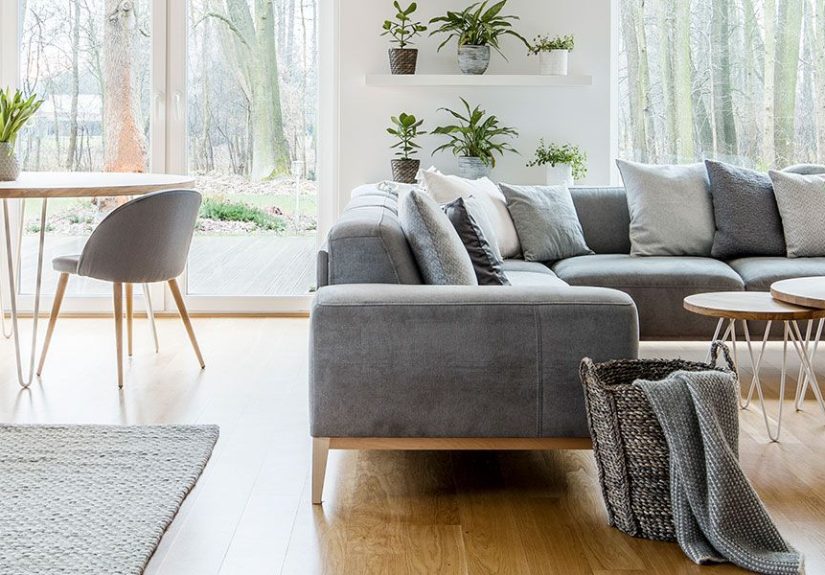
- Furniture flow: create clear walkways and anchor seating around a focal point.
- Wall color: choose tones that work with your flooring and daylight.
- Layered look: mix vintage and modern pieces for personality without chaos.
- Art and shelves: edit and group items; leave breathing room.
Bedrooms: Make it feel like rest, not storage
- Lighting: bedside lamps or sconces for a calmer vibe.
- Window treatments: privacy + light control = better sleep and comfort.
- Closet systems: simple upgrades (double rods, drawers) make mornings smoother.
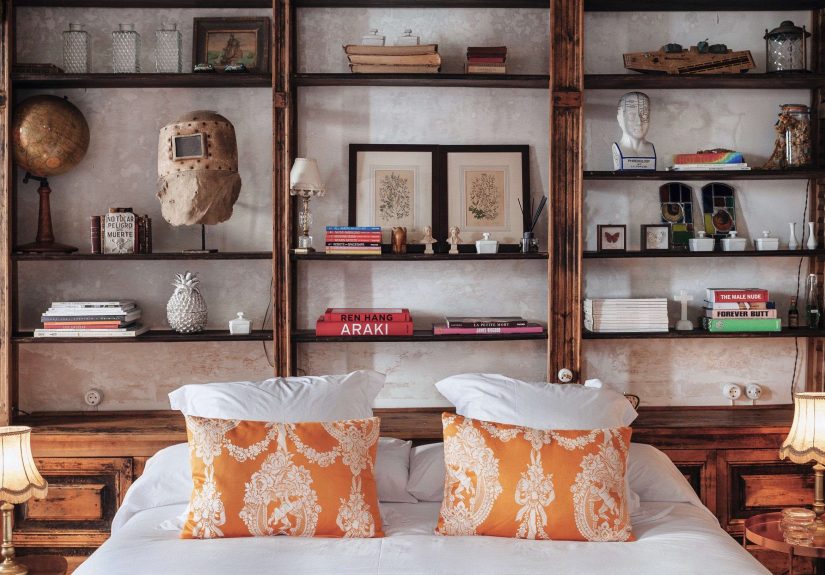
- Soft surfaces: a rug and layered bedding can “hotel-ify” the room quickly.
Entry + Hallways: The makeover that improves every day
Your entry is your home’s handshake. Even a small refresh can make arrivals feel organized instead of frantic.
- Drop zone: hooks, bench, tray for keys, and a basket for shoes.
- Durable runner: hides traffic wear and adds style.
- Better lighting: warm bulbs and brighter coverage improve the whole vibe.
Curb Appeal: The “before you even walk in” makeover
Exterior upgrades can deliver huge perceived value. Focus on cleanliness, contrast, and a welcoming focal point.
- Front door moment: paint, new hardware, updated house numbers.
- Exterior lighting: safer entry + better nighttime curb appeal.
- Landscaping basics: trimmed edges, fresh mulch, seasonal color.
- Pressure wash: siding, walkways, and porch floors look newer fast.
Energy-Efficient Makeovers That Improve Comfort
The best home makeovers don’t just look goodthey feel good. Comfort upgrades can reduce drafts, balance temperatures,
and lower energy use. Start with the basics: air sealing and insulation. From there, consider bigger moves like modern
heating and cooling equipment.
High-value efficiency upgrades
- Air sealing: reduce drafts around doors, windows, and attic penetrations.
- Attic insulation: helps stabilize indoor temps and reduce HVAC workload.
- Smart thermostat: improves control and can reduce waste.
- Heat pumps: efficient heating and cooling in one system (when appropriate for your home/climate).
- Window improvements: targeted replacements or storm solutions where it matters most.
Depending on your situation, certain energy-efficient home improvements may qualify for tax credits. If you’re planning
multiple upgrades, it can be smart to map them out so you get the most value from incentives and timing.
DIY vs. Pro: Pick Your Battles (and Keep Your Weekends)
DIY home improvement can be deeply satisfyinguntil it turns into a three-week “Saturday project” that eats every
Saturday. The best strategy is to DIY what’s low-risk and outsource what’s high-risk or code-sensitive.
Usually DIY-friendly
- Painting, wallpaper (if you’re patient), styling, shelving (non-structural).
- Hardware swaps, faucet swaps when access is straightforward and shutoffs are functional.
- Basic landscaping, power washing, simple storage upgrades.
Usually pro territory
- Electrical work beyond simple fixture swaps (especially panels or new circuits).
- Plumbing moves, major tile waterproofing, structural changes.
- Anything requiring permits, inspections, or specialized equipment.
When in doubt, prioritize safety and compliance. A great home makeover should make your home betternot introduce a
problem you can’t see until it’s expensive.
Hiring a Contractor Without Inviting Chaos
If your makeover needs a contractor, treat hiring like a serious decisionbecause it is. Good pros protect your
investment; bad ones create a “lesson” you’ll be paying off for years.
What a solid hiring process looks like
- Multiple bids: compare scope, not just price.
- Verify credentials: licensing (where applicable) and insurance.
- Written contract: scope, materials, timeline, payment schedule, change order process.
- Clear permit plan: who pulls permits and schedules inspections when required.
- Communication fit: if it’s weird now, it’ll be worse mid-demo.
Watch for red flags like pressure tactics, avoiding paperwork, vague material specs, or “we can skip permits” offers.
Skipping the right steps can lead to safety issues, insurance headaches, and resale complications.
Makeover Management: Timelines, Change Orders, and Staying Sane
Even small home renovations can run long when materials are delayed or decisions take time. The cure is structure:
pick finishes early, confirm lead times, and build a simple rhythm of communication.
A low-drama communication routine
- Weekly check-in: what’s done, what’s next, what decisions are needed.
- Document everything: selections, approvals, and changes in writing.
- Change orders: get cost and timeline impacts before saying yes.
- Punch list: final walkthrough list before final payment.
Renovations are messy. Dust containment, protected walkways, and a plan for pets/kids can reduce stress dramatically.
The goal isn’t “perfect.” The goal is “livable while improving.”
Common Home Makeover Mistakes (And How to Avoid Them)
- Skipping planning: decisions made mid-project tend to be expensive decisions.
- Not specifying materials: “standard” can mean “cheapest available.”
- Underestimating lighting: great design falls flat under bad bulbs.
- Chasing trends too hard: your house shouldn’t feel dated in two years.
- Forgetting storage: pretty rooms still need places for real-life stuff.
- Ignoring comfort: drafts and poor ventilation can ruin a gorgeous space.
- Assuming timelines are linear: they rarely arebuild flexibility.
Finish Strong: Styling That Makes the Makeover Feel Complete
The final 10% of a home makeover is what makes it feel intentional: consistent hardware, cohesive paint sheen, a few
well-chosen textiles, and art that’s actually hung (not leaning on the floor, waiting for “the right time”).
Quick “done” signals
- Matching bulb temperature throughout a space
- Trim and doors touched up
- Hardware aligned and consistent
- One strong focal point per room
- Clear surfaces (with a few purposeful items)
If you’re prepping to sell, focus on clean, bright, and functional. If you’re staying, lean into personality. Either
way, a good home makeover should support the way you live.
Real-World Home Makeover Experiences ( of Lessons People Actually Learn)
The internet makes home makeovers look like a smooth montage: pick paint, wave a roller, sip coffee in your “new” room.
Reality is more like: pick paint, test paint, question your identity, test more paint, realize the lighting changes
everything, then finally commit. That “paint sample marathon” is one of the most common makeover experiencesbecause
color is emotional, and your walls are very opinionated.
Another classic experience is the “small change that changed everything.” Many homeowners start with one simple swaplike
replacing a dated light fixture or upgrading cabinet hardwareand suddenly the whole room feels less tired. It’s not magic;
it’s contrast and polish. A new fixture can modernize an entire kitchen because it signals intention. It says, “Yes, we
live here on purpose.”
Then there’s the moment people learn why contractors love clarity. Imagine choosing “white tile” for a bathroom remodel.
Sounds straightforwarduntil you discover there are dozens of whites (warm, cool, creamy, stark), multiple finishes, and
grout shades that can make the same tile look crisp or dingy. Homeowners often describe the day they realized grout is not
a background character; it’s a co-star. Choosing materials earlyand writing them into the planprevents the awkward “Wait,
why does it look different than I pictured?” conversation.
A very real makeover lesson: living through construction is a skill. People who do best tend to create “zones” quickly:
a temporary kitchen setup, a clean room that stays clean, and a daily reset routine. Even a minor remodel can generate dust
that travels like it bought a first-class ticket. Those who plan dust containment, protect floors, and set expectations with
everyone in the house usually feel far less overwhelmed.
Budget surprises are another shared experienceespecially in older homes. A project begins as “just updating the bathroom,”
then a hidden issue shows up (ventilation problems, old plumbing, outdated wiring). The emotional whiplash is real: you’re
choosing a mirror and suddenly discussing repairs. Homeowners who build a contingency buffer into the budget tend to make
better decisions under pressure because they’re not forced to choose between “safe” and “pretty.”
Finally, many people talk about the unexpected joy of finishing. Not just the revealthough that’s funbut the daily
improvements: the entryway that now catches shoes and keys, the kitchen lighting that makes cooking easier, the living room
layout that finally supports conversation, the bedroom that feels calmer at night. The best home makeovers don’t just look
better; they remove friction from your day. And that’s the kind of upgrade you feel every time you walk in the door.