Table of Contents >> Show >> Hide
- Why Babylonstoren Stands Out in the Cape Winelands
- Where It Is and How to Get There
- Choosing Your Lodging: A Quick Guide to the Stay Options
- The Design Story: Cape Dutch Bones, Contemporary Confidence
- Food & Drink: Come Hungry, Leave… Still Thinking About Lunch
- Spa & Wellness: Reset Mode, Activated
- Things to Do (Besides Eating Everything)
- How Long to Stay: Two Sample Itineraries
- Best Time to Visit (And How to Think About Seasons)
- Practical Tips for US Travelers
- Is Babylonstoren Worth It?
- Conclusion: The Farm Stay That Feels Like a Tiny, Beautiful Universe
- Experience Add-On (500+ Words): What a Stay at Babylonstoren Feels Like
Some hotels give you a key card. Babylonstoren gives you a key card and a front-row seat to a living, breathing food ecosystem the kind where breakfast might involve honey from bees that have a better work ethic than most of us on a Monday. It’s a luxury farm stay in the Cape Winelands that somehow manages to feel both wildly designed and totally grounded: whitewashed Cape Dutch buildings, modern glass details, vineyards, orchards, a spa, and an edible garden that basically whispers, “Sure, go ahead… try to eat your way through me.”
If you’re the sort of traveler who likes your lodging to come with a sense of place (and a side of absurdly good bread), Babylonstoren hits the sweet spot: part high-design hotel, part working farm, part choose-your-own-adventure for food and wine lovers. It’s not “a place to sleep near the sights.” It is the sightand you’re sleeping inside it.
Why Babylonstoren Stands Out in the Cape Winelands
Plenty of wine-country hotels offer pretty views and a tasting menu. Babylonstoren goes further: it’s built around the idea that hospitality gets better when it’s tethered to the land. The result is a stay that feels curated but not precious. You can dress up for dinner at Babel, then spend the next morning in sneakers, pedaling a bicycle past fruit trees like you’re in a very chic agricultural daydream.
- Farm-to-fork isn’t a slogan here. The garden drives the menu, not the other way around.
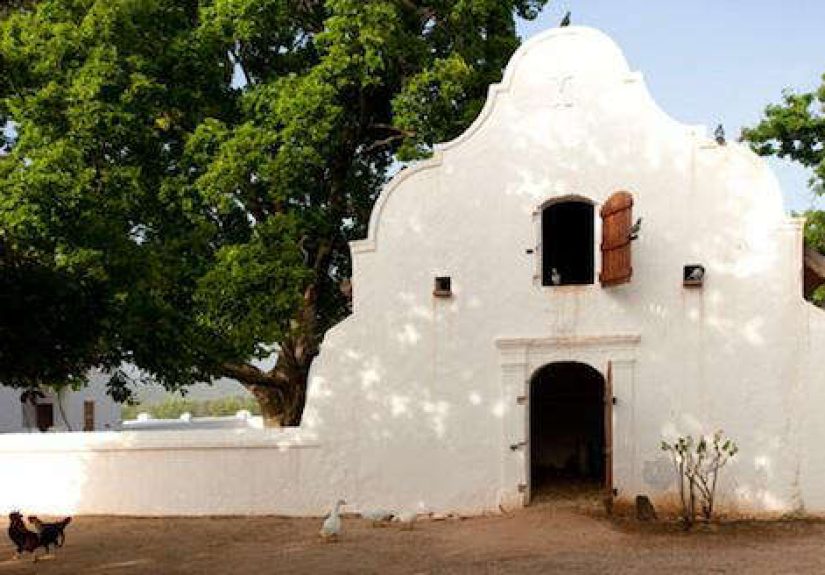
- Design has range. Think thick whitewashed walls and gables paired with sleek modern lines and glass additions.
- It rewards curiosity. There’s always something to dotours, tastings, workshops, wandering, “accidental” shopping at the farm shop.
- It’s luxurious without being loud. The vibe is calm, confident, and quietly overachieving.
Where It Is and How to Get There
Babylonstoren sits in the Cape Winelands, roughly an hour from Cape Town by car, making it an easy add-on to a city itineraryor an entire trip if your vacation goals include “eat seasonally” and “stare at mountains until my brain stops doom-scrolling.” Most visitors arrive via Cape Town International Airport, rent a car, and make a scenic drive into wine country. If you’d rather not drive, private transfers are common in the region (and your future self may thank you after an enthusiastic wine tasting).
Choosing Your Lodging: A Quick Guide to the Stay Options
Babylonstoren’s accommodations lean into privacy and spacemany options feel like standalone homes rather than standard hotel rooms. The best choice depends on whether you’re traveling as a couple, with friends, or with kids who need room to roam (and adults who need room to breathe).
Garden Cottages: Close to the Action (and the Garden)
These sit adjacent to the cultivated fruit and vegetable garden, with that signature Cape Dutch lookthick whitewashed walls, elegant gables, and fireplaces that make even a slightly chilly evening feel romantic instead of “why didn’t I pack a sweater?” Interiors skew contemporary, and many cottage layouts include a modern glass addition that functions as a kitchen/dining areapractical luxury that lets you snack like a champion without leaving your space.
Best for: Couples and small groups who want to be near the garden, restaurants, and the heart of the property.
Vibe: Farmhouse-chic meets design-magazine clean lines.
Fynbos Cottages: A More Adventurous, Nature-Forward Feel
Set near vineyards and orchards, the Fynbos Cottages are designed to immerse you in the Western Cape’s natural plant habitat. They keep the Cape Dutch style, but with a slightly more “out there” settingideal if you like your mornings quiet and your views dramatic. Like the Garden Cottages, they often pair traditional forms with modern glass elements for kitchens and dining spaces.
Best for: Travelers who want privacy, scenery, and the sense that they’re staying on the edge of something wild (but still with excellent linens).
The Farmhouse: Moody, Romantic, and a Little Bit Magical
The Farmhouse leans into a darker, moodier palettestill elegant, but with a more intimate tone. One standout detail is the communal library space known as the Butterfly Room, featuring a rare butterfly collection. There’s also a loft suite described as a honeymoon-worthy favoritean upgrade for anyone who considers “quiet luxury” a love language.
Best for: Couples, celebrations, and travelers who want the most romantic version of “farm stay” imaginable.
Family Houses: When You Want a Whole House (and No One Wants a Tiny Hotel Room)
For families and groups, Babylonstoren offers exclusive-use houses designed for shared living without shared stress. The Fynbos Family House is built for togethernessmultiple en-suite bedrooms, a fully equipped kitchen, generous lounge space, and a private courtyard with a pool. There’s also a historic Manor House (dating to the late 1700s) for travelers who want heritage architecture with modern comfort.
Best for: Multi-generation trips, friend groups, and anyone who believes the best vacations include a living room, a kitchen, and a pool.
The Design Story: Cape Dutch Bones, Contemporary Confidence
Babylonstoren’s design approach is a balancing act done well: preserve the Cape Dutch characterwhite walls, gables, thatched elementsthen add modern touches that don’t feel like an afterthought. One of the smartest moves is the use of glass “cubes” or contemporary additions that add light and function while letting the older forms remain the hero.
The overall look is calm and intentional. You’re not drowning in decorative clutter. Instead, you get clean lines, thoughtful textures, and a property aesthetic that quietly tells you: someone cared about every detail, from the architecture to the way the light hits the table when your salad arrives. (And yes, the salad will probably be the best-looking salad you’ve ever met.)
Food & Drink: Come Hungry, Leave… Still Thinking About Lunch
Babylonstoren is a dream destination for food-focused travelers because so much of what you eat is grown on-site. The garden is a central character not just scenery. Expect seasonal produce, creative plates, and a strong farm-to-fork philosophy that shows up in everything from breakfast spreads to full dinners.
Babel Restaurant: The Flagship Farm-to-Fork Experience
Babel is the headline act. It’s housed in a repurposed farm building (a former cow shed) that blends Cape Dutch architecture with contemporary glass walls. The menu is guided by what’s in seasonmeaning it changes with the garden’s calendar. If you’re the type who needs the exact same dish every time you travel, consider this your gentle nudge toward culinary spontaneity.
Greenhouse and Old Bakery: Casual(ish) Options with the Same DNA
Beyond Babel, you’ll find additional dining spots on the propertyuseful when you want something more relaxed or you’re trying to pace yourself between tastings, tours, and the very serious business of “one more pastry.” The best strategy is to mix one planned “big meal” with lighter meals that let you keep exploring without needing a nap the size of a duvet.
Wine, Tastings, and the “I’m Not Drinking Today” Options
As a working wine farm, tastings and cellar-focused experiences are part of the draw. There’s also a wine museum mentioned by travel outlets, which fits the property’s larger theme: hospitality should be immersive, not passive. And if you’re skipping alcohol, you’re not punished with sad sparkling waterthere are house-made, farm-inspired non-alcoholic drinks too.
Spa & Wellness: Reset Mode, Activated
In wine country, “wellness” can mean a sunrise yoga classor it can mean sitting quietly with a view until your nervous system stops behaving like a smoke alarm. Babylonstoren offers a spa and wellness component that matches the property’s tone: refined, nature-connected, and not overly performative. Guests can expect treatments designed to relax and restore, plus quiet spaces to linger.
If you’re staying in areas associated with the Farmhouse, you may also run into wellness extras like a courtyard pool and sauna/salt-room style features referenced in travel guidesanother reason the property appeals to travelers who want both indulgence and recovery in the same itinerary.
Things to Do (Besides Eating Everything)
The experience menu is broad, and that’s part of the appeal: you can design a stay that’s as active or as slow as you want. A few favorites that regularly show up in reviews and travel coverage:
- Garden tours: Ideal for understanding how the property’s food philosophy actually works in real life.
- Cellar and tasting experiences: Great for wine lovers who want context, not just a pour.
- Workshops: Bread baking and other hands-on sessions that make you feel productive (even if you mostly came to relax).
- Bikes and exploring: The property’s scale and layout lend themselves to wandering.
- Water activities: Rowing/canoeing on the dam is often mentioned as a scenic way to see the farm.
- Soetmelksvlei: An “interactive farmyard” experience designed like a step back in timean immersive add-on for history and craft lovers.
How Long to Stay: Two Sample Itineraries
2 Nights: The “Greatest Hits” Weekend
- Day 1: Arrive, settle in, take a garden walk, dinner at Babel.
- Day 2: Morning tour (garden or cellar), casual lunch, spa or pool time, sunset tasting, relaxed dinner option.
- Day 3: Big breakfast, last-minute farm shop haul, depart.
3–4 Nights: The “Actually Unplug” Stay
- Add a workshop (bread baking is a classic) and plan at least one slow morning with no agenda.
- Split your meals: One “signature” dinner, one casual meal, and one picnic-style spread from the farm shop.
- Do a regional day trip: Explore nearby wine estates and return for a quiet evening on the property.
Best Time to Visit (And How to Think About Seasons)
The Cape Winelands are compelling year-round, but the “best” time depends on what you want. Warmer months lean toward long outdoor meals, bikes, and garden wandering. Cooler months can be especially cozyfireplaces, slower days, and spa time feel extra satisfying. Because so much of the experience revolves around the garden, seasonality matters: different harvest moments shape what you’ll see and eat.
Practical Tips for US Travelers
- Plan transportation early. Self-driving is common, but transfers can reduce stressespecially if wine tastings are involved.
- Pack for variety. Even when days are warm, evenings can cool down in wine country.
- Book dining and experiences ahead. Popular restaurants and tours may have limited availability.
- Remember: this is a working farm. You’ll see animals, production spaces, and day visitors. That’s part of the charm.
Is Babylonstoren Worth It?
Value at a luxury farm hotel isn’t just “room size divided by nightly rate.” The question is whether the property delivers an experience you’d struggle to replicate elsewhere. Here, the answer is usually yesbecause Babylonstoren integrates lodging, food, wine, design, and activities into one cohesive story. You’re paying for a stay where the garden shapes your schedule, the architecture shapes your mood, and the details shape your memory of the trip.
For travelers who want a traditional “hotel plus a nearby winery,” there are other options in the region. But if you want a place where the winery, the garden, the restaurants, and the lodging all feel like one interconnected world, Babylonstoren is in a category of its own.
Conclusion: The Farm Stay That Feels Like a Tiny, Beautiful Universe
Babylonstoren isn’t trying to be everything to everyone. It’s trying to be one thing exceptionally well: a luxury stay rooted in land, craft, and seasonality. The result is a hotel experience that feels immersive, restorative, andat timesalmost unfairly photogenic. If your ideal trip includes design, nature, food, and the kind of calm you can’t bottle, this is the Cape Winelands stay you’ll compare everything else to.
Experience Add-On (500+ Words): What a Stay at Babylonstoren Feels Like
Imagine waking up and realizing your “view” isn’t a parking lot, a rooftop HVAC unit, or the side wall of a building that definitely did not consent to be photographed. Instead, it’s vines, orchards, and mountains that look like they were arranged by someone with a very generous budget and impeccable taste. The air feels cleanernot in a smug way, just in a “your lungs are having a good day” way.
Morning starts with the kind of breakfast that makes you question every sad muffin you’ve ever eaten in an airport terminal. There’s fresh fruit, house-made yogurt, honey that tastes like it came from flowers that went to finishing school, and bread that’s still warm enough to feel mildly emotional about. You tell yourself you’ll “keep it light,” and thenfive minutes lateryou’re negotiating with your conscience about whether a second helping is truly necessary. (It is. Your conscience is just jealous.)
After breakfast, you wander. Not the frantic “I have 14 sights to see today” kind of wanderingmore like slow drifting, the kind that makes your phone feel unnecessary. Paths run through gardens that are both beautiful and productive, which is honestly a little intimidating. You’ll spot herbs, vegetables, and fruit trees, and at some point you’ll realize the landscaping is basically edible. This is where Babylonstoren does its magic: it turns “farm” into something aspirational without losing the realness of the work behind it.
Midday might involve a tourgarden or cellarwhere you learn that the farm isn’t a theme park backdrop. It’s a functioning operation with systems, seasons, and a kind of rhythm you can feel even if you can’t name it. Or you skip the structured stuff and take a bicycle out, cruising past orchards like you’re starring in a movie where the biggest problem is deciding between a nap and a swim.
Lunch is where you start to understand the property’s personality: food that’s deeply tied to what’s growing right now, prepared with confidence, and served in spaces that feel stylish but not stiff. You can have a meal that looks like art, tastes like a garden, and still leaves you comfortable enough to keep living your day. Later, you might pick up something from the farm shopjams, olive oil, snacks, maybe a cookbook you swear you’ll use. Your suitcase begins to look concerned.
By late afternoon, the pace slows naturally. Maybe you head to the spa, or you lounge near the pool with the kind of calm you can’t fake. Evening brings that “golden hour” glow that makes everyone’s camera roll explode, and dinner feels like a finaleespecially if you book the flagship restaurant. You eat, you linger, you laugh a little louder than usual, and you notice that nobody’s rushing you.
The next day, you repeat the best parts with slight variations: a different walk, a different plate, a different corner of the property that somehow feels new. That’s the secret sauce of the experienceBabylonstoren isn’t a checklist. It’s a place that rewards time. And when it’s finally time to leave, you’ll understand why so many people describe it less like a hotel and more like a small, beautiful world they wish they could keep in their pocket. (If you figure out how to pack the garden, please share your method. For science.)