Table of Contents >> Show >> Hide
- The Big Deal: What’s In It for the Insect?
- Visual Advertising: Color, Contrast, and “Follow the Runway Lights”
- Scent Marketing: The Invisible Billboard
- Micro-Details Insects Notice (That Humans Usually Don’t)
- Deception: When Flowers Get a Little Too Creative
- Real-Life Examples: What Attraction Looks Like in the Wild (and Your Yard)
- How to Use This Knowledge (Without Turning Your Garden Into a Bug Nightclub)
- Experiences and Observations: of “Try This and Watch What Happens”
- Conclusion
Flowers look sweet and innocent, but make no mistake: they’re running a full-blown marketing campaign.
Insects are the target audience, and the “product” is a win-win dealfood for the insect, pollination for the plant.
To pull that off, flowers combine flashy visuals, irresistible smells, and cleverly designed “landing pads” that guide
insects right where pollen transfer happens. If that sounds like a tiny airport with snacks, honestly… you’re not far off.
The cool part is that insects don’t experience flowers the way humans do. Bees can see ultraviolet patterns we can’t.
Moths navigate by scent on the night shift. Some flies are lured by odors that can only be described as “dumpster chic.”
And many insects learn: once they find a reliable nectar buffet, they’ll return like regulars to their favorite food truck.
The Big Deal: What’s In It for the Insect?
Attraction is rarely just “pretty petals.” Most successful flowers offer at least one concrete benefitcalled a floral reward.
Rewards keep insects coming back, and repeat visits are exactly what plants need to move pollen efficiently.
Nectar: The High-Energy Fuel
Nectar is basically an energy drink made by plantssugar-rich liquid that fuels insect flight. Many flowers position nectar
deep inside the bloom so visitors must brush past stamens (pollen producers) and stigmas (pollen receivers) to reach it.
That “accidental” contact is the entire point.
Pollen: Protein, Vitamins, and Baby Food
For many insectsespecially beespollen isn’t just a side quest; it’s essential nutrition. Adult bees eat pollen, and they
also collect it to feed their larvae. A flower that produces nutritious pollen can become a hotspot, as long as it can “afford”
to share without losing all its reproductive potential. Plants often produce lots of pollen so that even after some is eaten,
plenty still gets transported to other flowers.
Floral Oils, Shelter, and Other Perks
Some flowers offer specialized rewards like floral oils (used by certain bees), and many blooms double as temporary shelter:
a place to rest, warm up, or hide from wind. A flower isn’t only a billboardit can be a cozy waiting room with snacks.
Visual Advertising: Color, Contrast, and “Follow the Runway Lights”
Visual cues help insects find flowers from a distance and then navigate efficiently once they land. But insects don’t all prefer
the same look, so flowers “choose” different designs depending on which visitors they’re trying to recruit.
Color as a Targeted Signal
Different pollinators tend to respond to different colors. Bees commonly favor bright whites, yellows, blues, and purples.
Butterflies often visit vivid reds, oranges, pinks, and purples. Nocturnal pollinators like moths are drawn to pale or white flowers
that stand out in low light. Some flies are attracted to darker reds and purplesespecially when paired with the right (wrong) smell.
Nectar Guides: The Hidden Map (Including UV Patterns)
Many flowers include nectar guideslines, dots, bullseyes, or contrasting zones that point insects toward nectar and pollen.
Here’s the plot twist: some of the most useful guides are in ultraviolet (UV), which bees can see but humans can’t.
To a bee, a flower can look like it has a glowing “LAND HERE” sign even if it looks plain to you.
Shape, Size, and Landing Pads
Flower shape is not random decoration. Wide, open blooms can act like easy landing platforms for insects that prefer to land while feeding.
Tubular flowers may favor insects with longer mouthparts (like butterflies and some moths), while also discouraging “robbers” that would steal
nectar without pollinating. Some flowers even require a bit of strength or techniquelike blooms that a bumblebee must pry openso only the right
visitor can do the job.
Scent Marketing: The Invisible Billboard
Smell is a major driver of insect behavior. Flowers release blends of volatile compounds that drift through the air, effectively announcing:
“Food available. Limited-time offer.” Insects can follow scent concentration gradients to locate a flower, even when it’s not visually obvious.
Sweet, Spicy, Musty, or… “Rotting?”
Many bee- and butterfly-visited flowers smell sweet or fresh to humans. But other blooms use odors that are strongly musty, spicy, fruity,
or downright unpleasant. Why? Because different insects cue in on different scents. Some flies are attracted to aromas that mimic rotting flesh
or dung, and those flies can become efficient pollinatorsthough they may not get much of a reward.
Timing Is Everything (Day Shift vs. Night Shift)
Flowers can “schedule” their scent output. Fragrance often peaks when the intended pollinators are active and when the flower is ready to be pollinated.
Day-blooming plants may ramp up scent when bees and butterflies are flying. Night-blooming plants often intensify scent after sunset to attract moths.
Once a flower has been sufficiently pollinated, it may reduce scent or otherwise become less attractivenudging insects toward fresher, unpollinated blooms.
Micro-Details Insects Notice (That Humans Usually Don’t)
Beyond color and scent, flowers can provide subtle cues that insects use to forage efficiently. These details can influence how long an insect stays,
how many flowers it visits, and whether it returns tomorrow.
Texture, Temperature, Humidity, and Static Electricity
Bees in particular can use a surprising mix of information when locating flowers: petal texture, temperature, humidity, and even electrostatic charge.
Think of it as a multi-sensory user interfaceone that makes it easier for insects to find rewards quickly, which increases the odds of pollen transfer.
Clustering and Visibility
A single flower can be hard to notice. A patch of flowers is easier to spot and more efficient to forage. Many pollinator-friendly planting strategies
recommend grouping the same species in clumps so insects can feed without burning extra energy searching. Flowers that “invite” repeat visitsby offering
small rewards consistentlyoften get better pollination outcomes.
Deception: When Flowers Get a Little Too Creative
Most flowers pay insects in nectar or pollen. Some… do not. A handful of plants use deception, luring insects with false promisesmimicking food,
egg-laying sites, or other cues insects find compelling.
Carrion and Dung Mimicry
Certain flowers attract carrion-associated flies by resembling decaying matter in color and odor. The insect arrives expecting a place to feed or lay eggs,
then ends up transferring pollen instead. In these cases, the plant benefits more than the insect does (awkward).
False Advertising, but Make It Evolution
Deceptive strategies can still “work” in nature because insects don’t need to be fooled foreverjust long enough for a few visits that move pollen
between flowers. The plant’s goal is reproduction, and nature doesn’t require a customer satisfaction survey.
Real-Life Examples: What Attraction Looks Like in the Wild (and Your Yard)
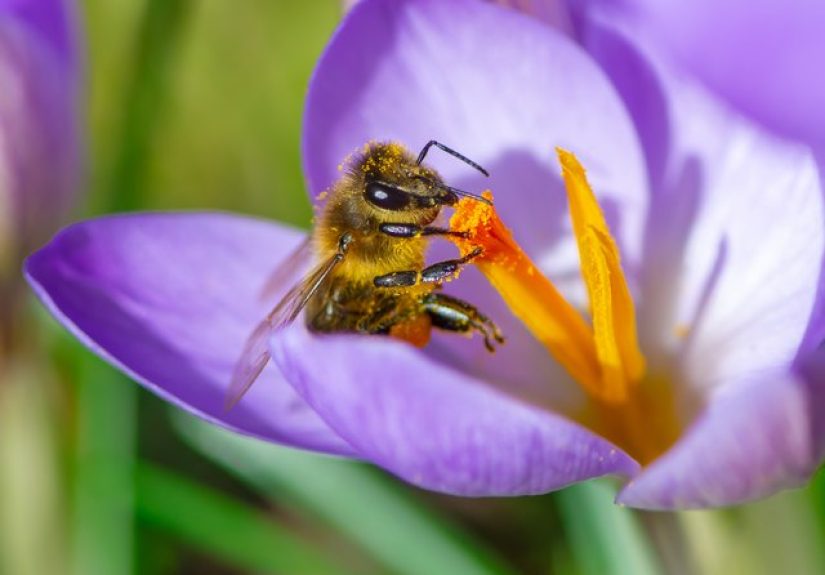
A Bee and a UV Bullseye
Many bee-pollinated flowers include UV patterns that guide bees to the center. To us, a bloom might look uniformly yellow.
To a bee, it can look like a bullseye with a target zone. That’s efficient for the bee and great for the plantbecause it steers
the visitor right past pollen and stigma.
White Flowers and Night-Shift Moths
Night-blooming flowers often lean into pale colors and strong scent to attract moths. White blossoms stand out after sunset,
and a powerful fragrance helps moths locate flowers from farther away. If you’ve ever walked outside at night and caught a sweet,
heavy floral perfume “out of nowhere,” you may have been standing downwind of a moth’s dinner plan.
Open, Flat Blooms and “Easy Access” Visitors
Many flies and beetles prefer flowers that are open and accessibleless acrobatics required. These insects may not be as agile in flight
as bees, so broad petals and exposed floral structures can function like a stable landing zone.
How to Use This Knowledge (Without Turning Your Garden Into a Bug Nightclub)
If you want to support pollinators, the best approach is variety: different flower shapes, colors, and bloom times.
Include native plants where possible, plant in clusters, and avoid pesticides that can harm beneficial insects.
The goal isn’t to attract “more bugs” in generalit’s to support the insects that help ecosystems and food systems function.
Experiences and Observations: of “Try This and Watch What Happens”
You don’t need a lab coat to see flower–insect attraction in action. If you have access to any garden, park, balcony planter,
or even a sidewalk weed that refuses to quit, you can run tiny, real-world observations that make the science feel obvious.
Here are a few experiences people commonly reportand a few simple experiments you can try to see what flowers are “saying” to insects.
1) The “Color Draft” Experiment
On a sunny day, stand near a mixed patch of blooms (or a nursery table of flowering plants) and quietly watch for 10 minutes.
Many gardeners notice that bees spend more time working blue, purple, yellow, and white flowers, often moving methodically from bloom to bloom.
Butterflies may wander more and pause longer on bright, open flowers where they can land comfortably. The fun part is that you’ll start to see
patterns: certain flowers are like busy diners, while others are quiet cafés.
2) Follow the “Runway Lines”
Pick two flowers of the same species, if possible. Look closely at the petals. Do you see stripes, dots, or darker zones near the center?
Those markings can act like nectar guides. Watch a bee land. Often it will head straight for the center with very little hesitation,
as if it already knows where the “good stuff” is. If you have access to a UV-capable camera or filter, the effect can be even more dramatic
the flower may reveal a bullseye pattern you can’t see with your eyes.
3) Night Walk, Big Payoff
If you can safely step outside after dark, take a short walk near fragrant plants (jasmine, certain lilies, moonflower, or other night-scented blooms).
People are often surprised by how intense some scents become at night. That’s not a random mood swingit’s timing. Night-active pollinators like moths
rely heavily on smell, and strong fragrance is how flowers advertise in the dark.
4) The “Double Flower” Reality Check
Try comparing a classic single-flower type (where you can clearly see the center) with a heavily doubled variety (extra petals, stuffed look).
Many gardeners observe that insects visit the single type more often. Why? Access. If pollen and nectar are harder to reach, the flower is less useful
as a food stop. Beautiful to humans, inconvenient to insectslike a gorgeous restaurant with a door that says “PULL” but actually needs a secret handshake.
5) Clumps vs. Singles
Planting in clumps doesn’t just look goodit changes insect behavior. When flowers of the same kind are grouped, pollinators can forage efficiently
with fewer long flights. Watch a bee in a dense patch: it often moves quickly from flower to flower with a steady rhythm. In contrast, isolated plants
may get visits, but less frequently, because they’re harder to spot and less efficient to work.
6) The “Gross Smell” Surprise
If you ever encounter a flower that smells foul (some people describe it as “rotting meat” or “old socks”), don’t assume it’s failing at being a flower.
It may be succeeding at attracting a specific audienceflies and beetles that respond to those cues. The experience is memorable, partly because it flips
the usual idea that nature is always “pleasant.” In pollination, effectiveness beats elegance.
After a few sessions of watching, you’ll start noticing something almost comforting: insects aren’t random. They’re responding to signals and rewards.
Flowers aren’t passive decorations. They’re active communicatorsusing light, scent, shape, and timing to recruit exactly the visitors they need.
Conclusion
Flowers attract insects by combining rewards (nectar, pollen, oils, shelter) with signals that insects can detect (color, UV nectar guides, scent, shape,
and subtle cues like temperature and texture). Some plants even use deception, “hiring” insects through trickery instead of payment. Whether you’re
looking at a simple daisy or a weird bloom that smells like trouble, the same principle applies: the flower is guiding an insect to the precise spot where
pollination happensbecause reproduction is the ultimate goal, and flowers are surprisingly good at sales.