Table of Contents >> Show >> Hide
- Typical Electrical Panel Replacement Cost (National Ranges)
- Replacement vs. Upgrade: Same Box, Bigger Power, or Something Else?
- What’s Included in the Price (and What Usually Isn’t)
- The Biggest Cost Drivers (a.k.a. Why Your Neighbor Paid Half)
- Permits, Inspections, and Timeline: The Unavoidable Trio
- Three Specific Budget Examples (So You Can “Math” This at Home)
- Signs You Might Need a Panel Replacement (Not Just a New Breaker)
- How to Get the Best Quote (and Avoid Paying for Mystery)
- Tax Credits and Rebates (Read This Before You Schedule)
- Bottom Line: A Smart Budget Range (and the One Question That Matters Most)
- Experiences: What It’s Really Like to Replace an Electrical Panel (About )
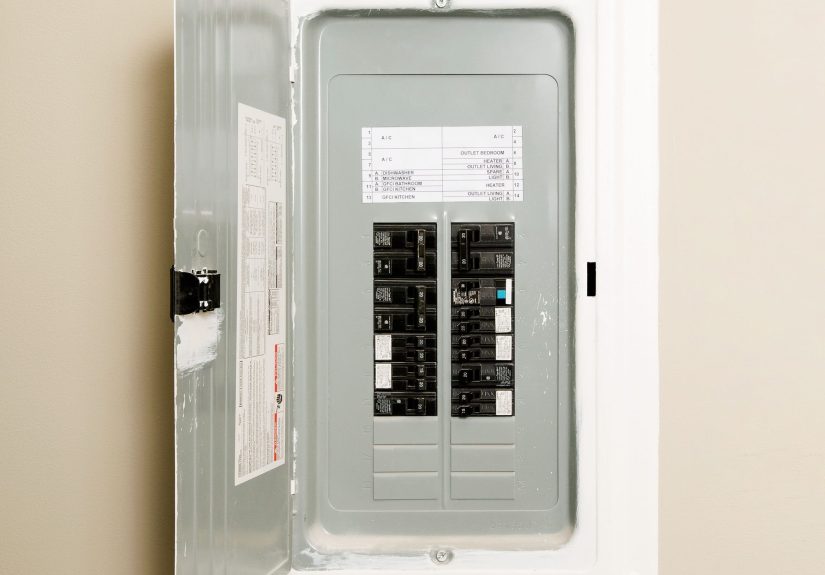
Your electrical panel is the backstage manager of your home’s power: it doesn’t get applause, but if it quits,
the whole show stops. Replacing it can feel like one of those “adulting” moments where you learn new words
(like panelboard) and suddenly care deeply about labels, permits, and whether something called a “bus bar”
should ever be warm.
Sohow much does it cost? In most U.S. homes, an electrical panel replacement typically lands somewhere in the
high hundreds to a few thousand dollars, with the final price swinging based on amperage,
the panel’s location, code upgrades, and how many “surprises” your walls have been hiding since 1978.
Typical Electrical Panel Replacement Cost (National Ranges)
Across widely cited U.S. cost guides, you’ll see a common theme: basic replacements often cluster around
the low-to-mid $1,000s, while bigger upgrades, relocations, and service changes can push the project higher.
The “right” number is the one that matches your home’s situationsame size panel vs. bigger service,
inside vs. outside, clean wiring vs. “mystery spaghetti.”
| Scenario | Typical Ballpark | What That Usually Means |
|---|---|---|
| Like-for-like panel replacement (same amperage) | $500–$2,500 | Swap panel, reconnect existing circuits, permit/inspection vary |
| Upgrade to 200-amp service (common modernization) | $1,300–$4,500 | New 200A panel + service work; may include meter/grounding updates |
| Higher-capacity (300–400 amp) or complex installs | $2,000–$6,000+ | Larger equipment, more labor, sometimes more utility coordination |
| Relocating the panel during the project | +$1,500–$3,500 (often) | Extra labor/materials to move circuits, reroute feeders, patching not included |
If you’re reading a dozen different numbers online and thinking, “Cool, so it costs somewhere between
a nice toaster and a used car,” you’re not wrong. The price range is wide because the scope is wide.
A simple swap in a modern home can be straightforward. A 1960s home with limited capacity, corrosion, and
outdated equipment can turn into a “while we’re in here…” situation very quickly.
Replacement vs. Upgrade: Same Box, Bigger Power, or Something Else?
1) Panel replacement (same amperage)
This is the “keep the same service size, get a safer/newer panel” option. It’s common when a panel is damaged,
overloaded from too many circuits, corroded, or tied to older equipment types. If your electrical demand hasn’t changed
much, this can be the most cost-controlled route.
2) Service upgrade (more ampsoften 100A to 200A)
This is what people often mean by “upgrade the panel,” even though it can include more than the panel:
service conductors, meter equipment, grounding/bonding updates, and sometimes new outside disconnects depending on
local code adoption. If you’re adding an EV charger, heat pump, big kitchen appliances, or finishing a basement,
a load calculation may point you toward a 200-amp service.
3) Adding a subpanel (extra circuit space without changing service)
Sometimes you don’t need more total poweryou just need more breaker spaces for a remodel or addition.
A subpanel can be a smart middle ground when the main service is adequate but the main panel is cramped.
(It’s also one way electricians keep your kitchen remodel from becoming a “choose between the toaster and the microwave” lifestyle.)
What’s Included in the Price (and What Usually Isn’t)
Quotes vary, but most professional panel replacement estimates include the core electrical work and required compliance steps:
- Panel and main breaker (the enclosure, bus, and main disconnect if applicable)
- New breakers (some quotes include a set number; others itemize per breaker)
- Labor to transfer circuits, torque connections, label the panel, and test
- Permit and inspection coordination (fees may be separate or included)
- Utility coordination if power must be disconnected/reconnected
What’s often not included: drywall repairs, repainting, carpentry, or chasing down every unrelated wiring issue in the house.
Panel work can uncover problems, but “uncovered” doesn’t always mean “included.”
The Biggest Cost Drivers (a.k.a. Why Your Neighbor Paid Half)
Amperage and capacity
Bigger service typically means bigger equipment and more involved work. A 200-amp panel is common for many
modern households; 400-amp setups are more specialized (large homes, heavy electric loads, or major additions).
Even if the panel itself isn’t wildly expensive, the related service work can be.
Number of circuits (and how fancy the breakers need to be)
More circuits = more time. And certain breakers cost more than standard ones, especially where code or safety
calls for added protection (like AFCI or GFCI protection). Translation: your panel might be “just a box,”
but the breakers are the box’s tiny, expensive security guards.
Panel location and access
A clean, accessible garage wall is easier (and cheaper) than a panel squeezed into a closet behind a mountain
of holiday decorations you haven’t emotionally processed since 2014.
Relocating the panel
Moving a panel commonly adds meaningful cost because it involves rerouting feeders and branch circuits,
extending wiring, and meeting clearance rules. If you’re relocating for a remodel or to meet modern clearance
requirements, plan for the move to be its own line itemnot a free “while you’re here.”
Service entrance work: overhead vs. underground
Upgrading service can involve the meter base, service conductors, weatherhead/mast (for overhead), or conduits
(for underground). The more utility coordination and physical work required, the more the price climbs.
Code updates that often come along for the ride
Local code adoption varies, but many jurisdictions follow versions of the National Electrical Code (NEC).
Two updates that frequently show up in discussions around service equipment work:
- Surge protection at dwelling services (NEC 230.67): newer NEC editions require a Type 1 or Type 2
surge protective device at dwelling unit services, including when service equipment is replaced. - Emergency disconnect requirements (NEC 230.85 in NEC 2020+): some jurisdictions require an outdoor
emergency disconnecting means for one- and two-family dwellings under newer code adoption.
These can add equipment and labor. The upside is you’re buying safety and resilience, not just compliance.
The downside is your budget may briefly consider switching to candlelight and interpretive dance.
Permits, Inspections, and Timeline: The Unavoidable Trio
Electrical panel replacement typically requires a permit and inspection. Permit fees are highly local, but many
homeowners see permit costs in the roughly $50–$500 range, sometimes more in large metros or where
the scope is bigger. Inspections are usually scheduled quickly, but utility disconnect/reconnect timing can be the
real pacing item.
The hands-on work is often done in a single daycommonly a few hours for a straightforward jobthough complex upgrades,
relocations, or unexpected wiring repairs can extend the timeline.
Three Specific Budget Examples (So You Can “Math” This at Home)
Example 1: Straightforward like-for-like replacement
Home: 1990s house, 100-amp panel, accessible garage location, circuits in good condition.
Goal: Replace aging panel with a new one of similar capacity.
Budget feel: Often in the $800–$2,000 range depending on breakers, permit costs, and region.
Why it stays reasonable: Minimal service work and no relocation.
Example 2: Upgrade from 100 amps to 200 amps for modern loads
Home: 1970s house adding an EV charger and a heat pump water heater.
Goal: Increase service capacity to 200 amps and modernize equipment.
Budget feel: Often $1,800–$4,500, with the spread driven by service entrance needs,
local code items, and whether wiring/grounding requires updates.
Why it costs more: This is a service project, not just a box swap.
Example 3: Replacement + relocation for a renovation
Home: Older home; renovation moves the laundry and finishes a basement, requiring panel relocation.
Goal: Relocate the panel to meet clearance and remodeling plans, then replace/upgrade it.
Budget feel: Panel relocation alone often runs $1,500–$3,500, and that’s before any
amperage upgrade or wiring repairs. Total project costs can easily push beyond “simple replacement” territory.
Why it costs more: More labor, more materials, more coordination, and more things that can’t be guessed
until the panel is opened and evaluated.
Signs You Might Need a Panel Replacement (Not Just a New Breaker)
- Breakers trip frequently or you notice flickering/brownouts under normal use
- Corrosion, rust, or moisture damage around the panel
- Overheating, buzzing, or a burning smell (call a licensed electrician promptly)
- No room for new circuits and you’re relying on “creative” workarounds
- An older fuse box or a panel type with a concerning track record in the field
A quick note on older panel brands: some legacy equipment (like certain Federal Pacific “Stab-Lok” breakers) has long been
controversial. Even though government actions around these products can be complicated historically, many electricians and
insurers still treat certain older setups as a “replace when feasible” category. If you’re unsure, ask for an evaluation
from a licensed electricianthis is one area where guessing is not a personality trait you want to cultivate.
How to Get the Best Quote (and Avoid Paying for Mystery)
- Get 2–3 written estimates and compare what’s included: breakers, permits, surge protection, labeling, cleanup.
- Ask whether it’s a replacement or a service upgradethose are different scopes with different costs.
- Request a line-item list for add-ons like relocation, meter work, grounding updates, or specialty breakers.
- Plan for a contingency in older homes. If wiring is brittle or connections are unsafe, fixes may be required for inspection approval.
- Don’t DIY this one. Panel replacement is high-risk work and is typically permit/inspection governed.
Tax Credits and Rebates (Read This Before You Schedule)
If your panel upgrade is done specifically to enable qualified energy improvements (like certain heat pumps, heat pump water heaters,
or other qualifying equipment), you may have been eligible for a federal tax credit in recent years. For example, ENERGY STAR notes
that the electric panel upgrade tax credit was effective for purchases and installations between January 1, 2023 and December 31, 2025,
offering 30% of project cost up to $600, with specific eligibility requirements (including a 200-amp load capacity and being installed
in conjunction with qualifying improvements).
Because incentives can change by year and program rules can be very specific, it’s smart to verify what’s currently available for
your tax year and location before the work beginsespecially if a panel upgrade is being bundled with other electrification projects.
Bottom Line: A Smart Budget Range (and the One Question That Matters Most)
If you want a practical planning number for a typical U.S. home: many homeowners will see quotes somewhere between
about $800 and $4,500, with like-for-like replacements skewing lower and service upgrades/relocations skewing higher.
The most important question to answer early is:
Are you simply replacing a panelor upgrading the electrical service to increase capacity and meet newer requirements?
Once you know that, an electrician can size the scope correctly, you can compare estimates apples-to-apples, and your budget can stop
doing that fun thing where it pretends not to see you.
Experiences: What It’s Really Like to Replace an Electrical Panel (About )
If you’ve never replaced a panel before, the experience usually starts with a very normal thought like,
“Why does the microwave hate the air fryer?” and ends with you learning the difference between a breaker and a bus,
plus developing strong opinions about label makers.
One of the most common “first experiences” homeowners describe is the quote phase. You call three electricians and get three prices that
look like they’re for three different houseswhich, to be fair, is basically true. One quote might be a like-for-like swap:
new panel, new breakers, permit, done. Another quote might include surge protection, a new exterior disconnect,
grounding upgrades, and AFCI/GFCI breaker coverage that makes the estimate look bigger but may also make the home safer and more compliant.
The lesson here: the number matters, but the scope matters more. A cheap quote that skips required items can turn expensive later.
The day of the replacement is often equal parts boring and weirdly dramatic. Boring because the electrician is doing careful, methodical work.
Dramatic because your house is temporarily without power, and you suddenly realize how many things in life require electricityincluding, somehow,
your ability to decide what to eat. Many homeowners plan it like a mini “power outage party”: charge devices, keep the fridge closed,
and accept that your Wi-Fi will be taking a short nap.
Then there are the surprisesespecially in older homes. Homeowners often report that once the panel cover comes off, an electrician might find
issues that were invisible from the outside: messy circuit labeling, crowded wiring, corrosion, or connections that don’t meet today’s standards.
Sometimes it’s minor (re-labeling and tidying connections). Sometimes it’s a bigger conversation about safety fixes that need to happen for the
installation to pass inspection. This is why panel replacement quotes often include language like “subject to field conditions,” which is a polite
way of saying, “Your house may have secrets.”
The inspection is usually the moment homeowners feel the most relief. It’s the official “yes, this is safe and properly installed” stamp.
People who’ve been through it often say that the biggest stress isn’t the inspection itselfit’s scheduling coordination between the electrician,
the local inspector, and sometimes the utility reconnect. When it all lines up smoothly, the project feels like it took one day. When it doesn’t,
the timeline can feel longer even if the actual labor hours didn’t change.
Finally, the after-effects: homeowners frequently say they notice fewer nuisance trips, more room for future circuits, and a general sense of
“okay, that’s handled.” It’s not a glamorous upgrade. Nobody throws a party for a panel. But it’s one of those improvements that quietly supports
every other modern comfortHVAC upgrades, kitchen remodels, EV charging, and all the gadgets we somehow can’t live without. And yes, you may still
love your air fryer. Now it can coexist peacefully with your microwave. Progress!