Table of Contents >> Show >> Hide
- Why asking your boyfriend out still matters
- Step 1: Decide what kind of date you want (and why)
- Step 2: Pick a date idea that fits his personality, too
- Step 3: Choose a time window that sets you up to win
- Step 4: Make it specific (vague invites get vague answers)
- Step 5: Use a warm, confident opener (not a press conference)
- Step 6: Make it a “bid,” not a test
- Step 7: Offer two good options (so it’s easier to say yes)
- Step 8: Say what you want without blame (“I” statements help)
- Step 9: Keep the plan realistic (budget, energy, and life logistics)
- Step 10: Make the moment feel special (tiny details = big impact)
- Step 11: Confirm the plan and remove friction
- Step 12: If he says no (or not now), respond with grace
- Quick troubleshooting: common bumps and easy fixes
- Experiences: what it looks like in real life (about )
- Conclusion
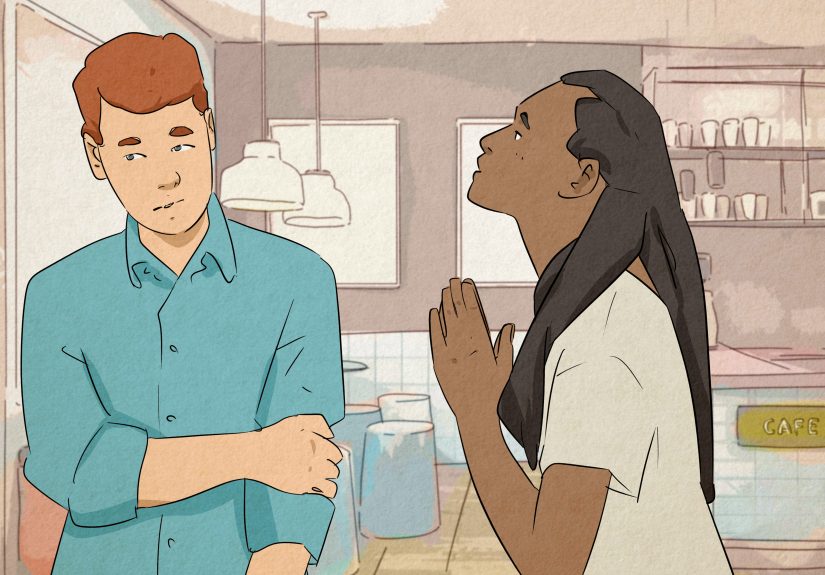
Asking your boyfriend out on a date might sound funny at firstlike, “Wait… aren’t we already dating?”
But that’s exactly why it works. When life gets busy, relationships can slip into “same couch, same snacks, same scroll”
mode. Planning a real date is a simple way to say, “I choose you on purpose.” And yes, you can do it without
sounding like a movie trailer narrator or accidentally scheduling something that feels like a work meeting.
Below are 12 practical, low-stress steps to ask your boyfriend out on a date (whether you’ve been together for two weeks
or two years), with real scripts, realistic ideas, and a little humorbecause if you can’t laugh together, what are we even doing?
Why asking your boyfriend out still matters
Couples don’t stay close by accident. They stay close by making timesometimes in big ways, but often in small, consistent ones.
A date is basically a “connection appointment” that’s way more fun than it sounds. It helps you create novelty, talk without distractions,
and remember you’re not just co-managers of chores, school, work, or life logistics.
Step 1: Decide what kind of date you want (and why)
What to do
Before you ask, take 60 seconds to figure out the vibe. Do you want cozy, playful, adventurous, romantic, low-budget, or “we can wear sweatpants and still call it a date” energy?
When you’re clear on the goal, the ask becomes easierand you’re less likely to plan something that secretly stresses you out.
- Reconnect: Talk, walk, coffee, picnic, quiet dinner.
- Laugh: Comedy night, silly mini-golf competition, arcade.
- New memory: Try a new neighborhood, new food, new hobby.
- De-stress: Low-key movie at home, board games, dessert run.
Step 2: Pick a date idea that fits his personality, too
What to do
Asking him out isn’t about impressing him with “the perfect plan.” It’s about choosing something you’ll both enjoy.
Think: what makes him light up? What makes him feel seen? If he loves outdoors, a sunset walk hits. If he’s a foodie,
a new taco spot wins. If he’s shy, a crowded event might feel like emotional cardio.
Quick shortcut
Use the “3 likes” rule: choose a plan that includes at least one thing he likes, one thing you like,
and one thing that’s new (even if it’s small, like a new dessert place).
Step 3: Choose a time window that sets you up to win
What to do
Timing isn’t everything, but it’s a lot. If you ask him out when he’s stressed, distracted, or rushing, you might get a half-answer like,
“Uh… sure?” which is not the vibe. Aim for a calm moment: after dinner, during a relaxed call, or when you’re already chatting.
- Pick a day when neither of you is overloaded.
- Keep travel time realistic (especially if school, work, or family schedules are involved).
- If your weeks are chaotic, try a shorter “micro-date” first (10–30 minutes still counts).
Step 4: Make it specific (vague invites get vague answers)
What to do
“We should hang out sometime” is basically the relationship version of “Let’s do lunch!” (Translation: it may never happen.)
Specific plans make it easy to say yes. Include what, when, and (if needed) where.
Example
- Instead of: “Do you want to go out?”
- Try: “Want to go on a date Friday after school/workice cream and a walk?”
Step 5: Use a warm, confident opener (not a press conference)
What to do
The best opener is simple and sincere. You don’t need a speech. You also don’t need to pretend you’re “chill” if you’re nervous.
Confidence is not the absence of nervesit’s the willingness to be real anyway.
Openers that work
- “I’ve been missing you. Can I take you out this weekend?”
- “I want a real date with youphone-free. Are you in?”
- “I had an idea that’s very us. Want to hear it?”
- “I’m claiming you for a date night. I’ll be respectful about it… mostly.”
Step 6: Make it a “bid,” not a test
What to do
Sometimes people ask in a way that secretly tests lovelike, “You probably don’t want to…” or “If you cared, you would…”
That puts pressure on the moment. A healthier approach is to treat the invite as a friendly request to connect:
you’re offering an opportunity, not evaluating his worth as a boyfriend based on his calendar.
Keep the tone: inviting, not accusing. This helps him respond openly instead of defensively.
Step 7: Offer two good options (so it’s easier to say yes)
What to do
If you’re not sure what works for him, offer choices. This feels collaborative, not controlling, and it speeds up planning.
The key: both options should be genuinely okay with youno “Option A is amazing and Option B is a punishment.”
Examples
- “Do you want to do dinner out Friday, or a movie-and-dessert night Saturday?”
- “Arcade date or coffee datepick your fighter.”
- “We can do something adventurous, or something cozy. What do you need this week?”
Step 8: Say what you want without blame (“I” statements help)
What to do
If the reason you want a date is that you’ve felt disconnected lately, it’s okay to say thatgently.
Use “I” language that focuses on your feelings and needs, not what he’s “doing wrong.”
Scripts
- “I’ve been feeling a little disconnected, and I’d love a date where we can really talk.”
- “I miss our quality time. Can we do something just us this week?”
- “I feel happiest when we have intentional time togetherwant to plan a date night?”
Step 9: Keep the plan realistic (budget, energy, and life logistics)
What to do
The best date is the one you’ll actually do. Consider money, transportation, curfews, work shifts, and energy levels.
A fancy plan that causes stress is not romanceit’s homework with candles.
- Budget date ideas: picnic, museum free day, library event, sunset walk, cook together, game night.
- Short date ideas: smoothie run, 30-minute walk, quick dessert, mini “errand date” with music.
- At-home date ideas: themed dinner, “phone basket” challenge, DIY pizza, puzzle + playlist.
Step 10: Make the moment feel special (tiny details = big impact)
What to do
You don’t need fireworks. You need intention. A small detail signals “I planned this because I care.”
That could be his favorite snack, a playlist, a note, or simply choosing a place that means something to you both.
- Pick a place where you can actually talk (music that doesn’t yell at you is a gift).
- Build in one “memory moment”: a photo, a dessert, a scenic stop, a shared activity.
- Consider a “no phones for 30 minutes” agreementkindly, not like a prison warden.
Step 11: Confirm the plan and remove friction
What to do
The difference between a planned date and a “we’ll see” date is usually one thing: confirmation.
Send a simple message the day of, or the night before. Include time, meeting place, and any details that make it easy.
Confirmation texts
- “Still good for 6:30? I’ll meet you at the front.”
- “Date night check: comfy shoes or cute shoes?”
- “I’m excited. Also, I will not challenge you to mini-golf unless you start it.”
Step 12: If he says no (or not now), respond with grace
What to do
A “no” isn’t automatically rejectionit’s often timing, stress, or scheduling. The healthiest response is curious and calm:
ask what would work better, or suggest an alternative. If “no” becomes a pattern and you never get quality time, that’s worth a bigger conversation.
Healthy replies
- “No worrieswhen would be better for you?”
- “Okay. Want a shorter date this week and a bigger one next week?”
- “Got it. I still want us-time soonlet’s pick a day that works.”
Quick troubleshooting: common bumps and easy fixes
If you feel awkward asking
Keep it short. Confidence grows through repetition. Start with a simple invite and let it be normal.
You’re not auditioningyou’re building a relationship.
If your boyfriend is indecisive
Offer two options and a deadline: “Friday or Saturday?” If he still can’t pick, you choose and invite him along.
Decision fatigue is real; be kind and practical.
If you’re long-distance
Plan a “virtual date” with structure: same meal, same movie, or a shared game. Start and end at a set time so it feels intentional.
If you want more romance without pressure
Romance doesn’t require grand gestures. It’s attention, appreciation, and a little novelty. Think: handwritten note, favorite treat,
a walk with a “get to know you again” question list.
Experiences: what it looks like in real life (about )
In real relationships, asking your boyfriend out is rarely a dramatic, candlelit scene with perfect lighting and a soundtrack.
It’s usually more like: you’re both tired, your week is packed, and you suddenly realize you miss the version of you two
that laughs more and scrolls less. That’s often when the best dates get startedwhen someone decides connection is worth a little effort.
One common experience: the “tiny date that saves the week.” Maybe you planned a whole evening, but he had a rough day and your energy is low.
Instead of canceling, you pivot to a 20-minute dessert run and sit in the car talking. It feels small, but it’s powerfulbecause you still chose
each other. Those short dates are often the ones people remember, because they happen in real life, not fantasy life.
Another classic: the “I thought you weren’t interested” misunderstanding. Someone says, “We should do something sometime,” and the other person
hears, “They’re not that excited.” Then both of you wait. When you finally ask directly“Can I take you out Friday?”the relief is immediate.
Clear invitations reduce guessing, and guessing is where unnecessary drama grows like a weed.
There’s also the “he says yes, but he’s not a planner” scenario. Many couples have one person who naturally organizes and one who’s happy to show up.
That doesn’t mean he doesn’t care. It often means he expresses care differently. In that situation, offering two options works like magic.
“Do you want tacos and a walk, or movie night at home?” Suddenly planning is easy, and you don’t feel like you’re carrying the whole relationship calendar.
And yessometimes there’s the “no, not this week” moment. That can sting, especially if you built up courage. But when you respond calmly“Okay,
what day would be better?”you’re teaching your relationship a valuable skill: honesty without punishment. If he comes back with an alternative,
great. If he never does, that tells you something important, too. Healthy relationships aren’t about never hearing “no.” They’re about how both people
handle needs, time, and respect.
The most consistent experience people describe is this: asking your boyfriend out gets easier the more you do it. The first time feels awkward.
The fifth time feels normal. And eventually it becomes part of your culture as a couplelike a small tradition that says,
“Even when life is busy, we still show up for us.”
Conclusion
Asking your boyfriend out on a date is one of the simplest ways to keep your relationship strong, fun, and connected.
You don’t need perfectionyou need intention. Choose a vibe, make it specific, ask warmly, and treat it like an invitation to connect (not a test).
Then enjoy the date you createdbecause you’re not just dating by default. You’re dating on purpose.