Table of Contents >> Show >> Hide
- Why Stovetop Bread Actually Works
- What You Need to Bake Bread on the Stovetop
- How to Bake a Simple Yeast Bread on the Stovetop
- Best Types of Bread for the Stovetop
- Common Stovetop Bread Mistakes
- How to Troubleshoot Stovetop Bread
- Pro Tips for Better Stovetop Bread
- Conclusion
- Real-Life Stovetop Bread Experiences: What It’s Actually Like
Let’s be honest: most bread recipes act like every kitchen comes with a perfect oven, endless counter space, and the patience of a monastery baker. Real life is messier. Sometimes it’s too hot to turn on the oven. Sometimes you’re in a tiny apartment. Sometimes your oven bakes one side of a loaf beautifully and the other side like it holds a personal grudge. That’s where stovetop bread comes in.
If you have a heavy pot, a skillet with a lid, and a little common sense about heat, you can absolutely make bread on the stove. Not just flatbread, either. You can cook a real loaf, plus skillet breads, soda breads, naan-style breads, English-muffin-style rounds, and other no-oven favorites. The trick is understanding that stovetop bread is less about blasting heat and more about creating a miniature bread chamber: steady warmth below, trapped steam above, and enough time for the dough to cook through without scorching the bottom into a hockey puck.
In this guide, you’ll learn how to bake bread on the stovetop step by step, what equipment works best, which breads are easiest to start with, and how to avoid the classic disasters: burned bottoms, gummy centers, and the sad, dense loaf that looks like it gave up halfway through the rise.
Why Stovetop Bread Actually Works
Stovetop bread works because bread does not care about your appliances nearly as much as it cares about heat, moisture, and time. In a traditional oven, hot air surrounds the dough. On the stovetop, a heavy pot or covered skillet creates a similar enclosed environment on a smaller scale. The bottom heat cooks the loaf, while the lid traps moisture and helps the crumb stay tender as the dough expands.
This is why cast iron and Dutch ovens show up so often in bread discussions. They hold heat well, deliver it steadily, and create a more even cooking environment than a thin pan. A covered pot also helps mimic the steamy conditions bakers love for good oven spring and a better crust. No, the stovetop version is not a magic portal to a Paris bakery, but it can absolutely get you a handsome, sliceable loaf with real structure and flavor.
The biggest mindset shift is this: on the stovetop, low and slow wins. You are not frying bread. You are gently baking it in disguise.
What You Need to Bake Bread on the Stovetop
Best Equipment
A heavy-bottomed pot or Dutch oven with a tight-fitting lid is the gold standard for a stovetop loaf. A deep cast-iron skillet with a lid can also work. The heavier the pan, the better your odds of even cooking. Thin cookware tends to overheat on the bottom before the center is done, which is a fancy way of saying your bread becomes toast on one side and wet ambition on the other.
Helpful extras include parchment paper for easier lifting, a digital thermometer, a heat diffuser if your burner runs hot, and a clean kitchen towel for covering dough during its rise. If you are using enameled cast iron, heat it gradually instead of cranking the burner like you’re launching a rocket.
Basic Ingredients
You do not need a bakery supply catalog. A simple stovetop loaf can be made with flour, yeast, water, salt, and a little sugar or fat. Bread flour gives a stronger rise and chewier structure, but all-purpose flour can still work well for beginner loaves. For faster breads, baking powder or baking soda may replace yeast, especially in skillet breads and soda breads.
How to Bake a Simple Yeast Bread on the Stovetop
Ingredients for One Small Loaf
Use 2 2/3 cups all-purpose flour or bread flour, 1 1/2 teaspoons active dry yeast, 1 1/2 teaspoons sugar, 1 1/2 teaspoons salt, 1 cup warm water, and 2 tablespoons melted butter or neutral oil. This makes a manageable loaf that fits a medium covered pot and cooks more evenly than an oversized dough ball.
Step 1: Make the Dough
Combine the warm water, sugar, yeast, and melted butter. Let it sit for a few minutes until the yeast looks foamy. Add the flour and salt, then mix until a shaggy dough forms. Knead for about 6 to 8 minutes by hand, or until the dough feels smooth and elastic. If it is sticky, add a little more flour, but do not turn the bowl into a sandpit. Slight tackiness is normal.
Step 2: Let It Rise
Place the dough in a lightly greased bowl, cover it, and let it rise until doubled. In a warm kitchen, that usually takes about 1 hour. If your kitchen is chilly, give it more time. Bread follows dough physics, not your personal schedule.
Step 3: Prepare the Pot
Butter or lightly oil your pot or line it with parchment. Shape the risen dough into a round that fits comfortably inside. Place it in the pot, cover, and let it rise again until puffy, usually 30 to 45 minutes. A smaller second rise is still worth it; it helps the loaf stay lighter instead of dense and moody.
Step 4: Cook Over Medium-Low Heat
Put the covered pot on the stove over medium-low heat. This is the critical part. Not medium-high. Not “I’m hungry, let’s speed this up.” Medium-low. Cook for about 20 to 30 minutes, depending on the size of your loaf and the thickness of your pot. Rotate the pot once or twice if your burner has obvious hot spots.
Resist the urge to peek every 90 seconds. Lifting the lid dumps heat and steam. You want the pot to act like a mini bread chamber, not a revolving-door bakery window.
Step 5: Check for Doneness
The loaf is done when it sounds hollow when tapped and the center reaches about 190 to 200 degrees Fahrenheit on an instant-read thermometer. If the bottom is browning too fast before the center is done, lower the heat or use a diffuser. If the loaf looks pale on top, that is normal for stovetop bread. The reward is usually a soft, tender upper crust and a more deeply colored bottom and sides.
Step 6: Cool Before Slicing
Yes, waiting is rude. Do it anyway. Cooling helps the crumb finish setting. Slicing too soon can make the inside seem gummy even when the bread is technically baked.
Best Types of Bread for the Stovetop
1. Small Yeast Loaves
A modest sandwich-style loaf or rustic round is the best place to start. Smaller loaves cook through more predictably on the stove. Giant artisan boules are glamorous, but they are not the ideal beginner choice unless you enjoy suspense.
2. Soda Bread
Soda bread is one of the easiest stovetop options because it relies on baking soda instead of a long yeast rise. The texture is hearty, the crumb is tighter, and the method is forgiving. If you want bread today and not after a dough meditation retreat, soda bread is your friend.
3. Skillet Flatbreads
Flatbreads are basically the overachievers of stovetop baking. They cook fast, need very little equipment, and make you feel unusually competent in under an hour. Naan-style breads, roti, skillet garlic flatbreads, and similar doughs puff beautifully in a hot pan and are perfect for beginners.
4. English Muffin-Style Breads
These are cooked more like a slow dry-fry than a traditional bake, which makes them ideal for stovetop cooking. They take patience, but the payoff is a crisp exterior and a soft interior with those lovely nooks and crannies everyone pretends not to be emotionally attached to.
Common Stovetop Bread Mistakes
Using Heat That Is Too High
This is the number-one error. High heat burns the bottom before the inside finishes cooking. Bread is a slow project. Treating it like bacon will only lead to regret.
Choosing the Wrong Pan
A flimsy pan is trouble. Heavy cast iron or another thick, sturdy pot works best because it spreads heat more steadily and reduces scorching.
Making the Loaf Too Large
The thicker the loaf, the harder it is for stovetop heat to reach the center before the crust overcooks. Keep your first loaf small and round or gently flattened.
Skipping the Lid
If you want a true stovetop loaf, use a lid. It traps steam, keeps heat inside, and improves both texture and rise. Without a lid, you are closer to griddle bread than baked bread.
Cutting Too Soon
Fresh bread smells amazing, which is a trap. Letting it cool is not optional if you want a clean slice and a proper crumb.
How to Troubleshoot Stovetop Bread
Burned Bottom, Raw Middle
Lower the heat, reduce the loaf size, or place a heat diffuser under the pot. You can also set a small metal rack or inverted trivet inside a deeper pot to lift the dough slightly from direct bottom heat.
Dense Loaf
Give the dough enough time to rise, make sure the yeast is active, and do not overload the dough with extra flour. Stiff dough often bakes up heavy.
Pale Crust
That is common on the stovetop, especially on the top of the loaf. You can brush with melted butter after cooking for color and softness. If you want dramatic bronzing, the oven still wins, but stovetop bread is about practicality and good texture, not runway lighting.
Gummy Texture
Use a thermometer to confirm doneness, then cool the loaf fully before slicing. Most “gummy bread” problems are really “I cut it while it was still steaming like a tiny flour volcano” problems.
Pro Tips for Better Stovetop Bread
Measure flour carefully. Scooping directly from the bag can pack in too much flour and dry out the dough. Spoon and level for better consistency. Keep the dough slightly soft, because a dry dough struggles to expand well. If you want a chewier loaf with better lift, use bread flour. If your burner runs unevenly, rotate the pot during cooking. And if you are using cast iron, remember that it holds heat very well, so once it gets hot, you often need less flame than you think.
Also, do not underestimate the value of simple breads. Flatbreads, skillet naan, and soda breads are not “lesser” breads. They are weeknight heroes. They show up, cook fast, and do not ask you to rearrange your life.
Conclusion
Learning how to bake bread on the stovetop is less about breaking the rules and more about understanding what bread needs. Give dough steady heat, a covered environment, and enough time, and it will reward you. A stovetop loaf may not look exactly like a bakery boule baked in a professional oven, but it can still be delicious, tender, beautifully structured, and deeply satisfying.
If you are just starting out, begin with a small covered-pot loaf or a simple skillet flatbread. Once you get comfortable, branch into soda bread, English muffins, and other no-oven breads. The real victory is not just the loaf itself. It is knowing you can make fresh bread in a regular kitchen, on a regular stove, without acting like you own a wood-fired oven in the countryside. Charming as that would be.
Real-Life Stovetop Bread Experiences: What It’s Actually Like
The first time many people try stovetop bread, they expect one of two outcomes: either a miracle loaf worthy of a magazine cover or a dense, tragic puck that could be used for self-defense. The reality lands somewhere in the middle, and that is good news. Stovetop bread is usually a skill that improves fast because the feedback is immediate. You notice right away whether the burner is too hot, whether the pot is heavy enough, and whether the dough needed more time to rise. The learning curve is short and very edible.
One common experience is surprise at how different the bread sounds while it cooks. Oven baking feels distant. Stovetop baking feels interactive. You hear the faint hiss of heat under the pot, smell the dough turning into actual bread, and start hovering around the kitchen like a concerned but hopeful parent. It is wonderfully low-tech. There is no dramatic oven spring through a glass door. There is just you, a pot, and a lot of character-building restraint not to keep lifting the lid.
Another shared experience is discovering that the burner matters more than expected. Gas burners, electric coils, and glass tops all behave a little differently. On some stoves, medium-low is perfect. On others, medium-low is secretly chaos wearing a fake mustache. Many home cooks end up learning the personality of one specific burner and using it for bread forever after. There is something oddly comforting about that. The front-right burner becomes the bread burner. It has a job now.
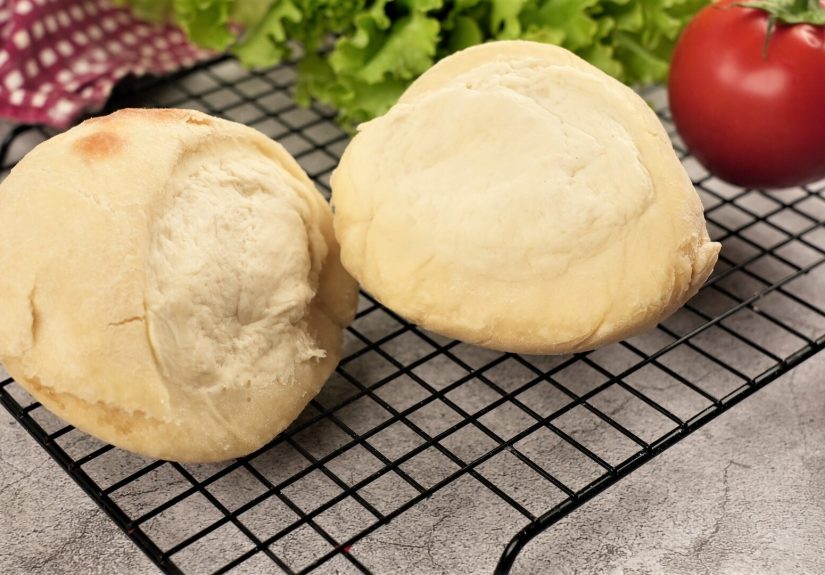
Texture also surprises people. A stovetop loaf often has a softer top crust than an oven-baked boule, while the bottom and sides can be more deeply colored. Instead of seeing that as a flaw, many bakers start to love it. The softer top makes excellent sandwich slices, and the stronger bottom crust gives the loaf just enough structure. It feels homemade in the best possible way: rustic, practical, and proud of itself.
Flatbreads are where confidence usually takes off. Once someone makes a few skillet breads and watches them puff, blister, and brown in minutes, the whole idea of bread making becomes less intimidating. Suddenly bread is not a weekend project with dramatic music. It is Tuesday night, a bowl of dough, and a skillet doing good work. That change in attitude is huge. It turns bread from a “someday” activity into a normal kitchen skill.
There is also the climate factor. In warm weather, stovetop bread feels almost rebellious in the best way. You get fresh bread without heating the whole house. For people in small apartments, dorm-style setups, cabins, or kitchens with unreliable ovens, that is not just convenient. It is freeing. The experience becomes less about novelty and more about usefulness. Fresh bread stops being dependent on ideal equipment.
And then there is the final emotional truth: homemade stovetop bread tends to disappear fast. Maybe it is because the loaf is smaller. Maybe it is because everyone is impressed you made bread on a burner. Maybe it is because warm bread with butter does not believe in leftovers. Whatever the reason, the experience often ends the same way: with a cutting board full of crumbs, a strong sense of victory, and the thought, “Wait, that actually worked. I should make another one.”