Table of Contents >> Show >> Hide
- Why Bake Fish in Packets?
- Parchment vs. Foil: What’s the Difference?
- The Best Fish for Baking in Parchment or Foil
- Step-by-Step: How to Bake Fish in Parchment
- Step-by-Step: How to Bake Fish in Foil
- Doneness, Food Safety, and Common Mistakes
- FAQs About Baking Fish in Parchment or Foil
- Real-World Experiences & Pro Tips for Packet-Baked Fish
- Final Thoughts
If you’ve ever bought beautiful fish and then panicked about overcooking it, this guide is for you. Baking fish in parchment or foil is like putting your dinner in a tiny spa: it steams gently in its own juices, stays moist, and emerges perfectly seasonedwith almost no cleanup. Once you know the basics, you can turn whatever’s in your fridge into a fast, healthy, and seriously impressive meal.
Why Bake Fish in Packets?
Both parchment and foil packets use the same basic idea: you create a sealed pouch, add fish plus seasonings and veggies, and let the oven’s heat turn everything into a steamy flavor bomb.
- Healthier cooking method: Baking fish preserves more delicate omega-3 fats than frying or microwaving and can help retain vitamin D.
- Moist, tender texture: The enclosed steam cooks fish gently, so it’s much harder to dry it out.
- Built-in side dish: Toss in vegetables, herbs, citrus, or olives and they cook right along with the fish.
- Easy cleanup: When dinner is done, you’re basically throwing away the pan liner. Your future self (and your sink) will thank you.
- Restaurant-style presentation: Opening the packet at the table releases a cloud of fragrant steam. It looks fancy, but you did it in about 20 minutes.
Parchment vs. Foil: What’s the Difference?
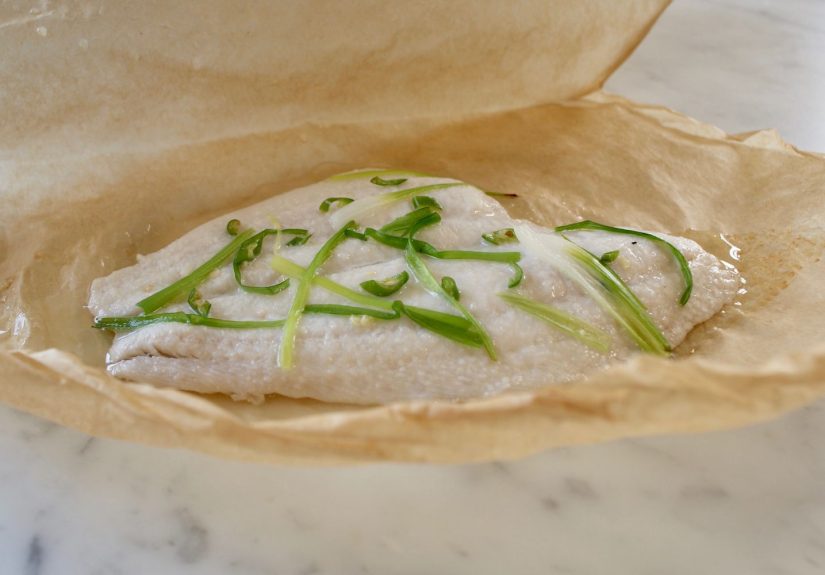
Parchment Packets (a.k.a. Fish en Papillote)
En papillote is the classic French method of baking food in parchment paper. The paper traps steam, giving you ultra-moist fish and soft, flavorful veggies. Most recipes bake fish en papillote at 400–425°F (200–220°C) for about 10–15 minutes, depending on thickness.
Pros of parchment:
- Beautiful, rustic presentation
- Doesn’t react with acidic ingredients like lemon or tomatoes
- Promotes gentle, steamy cooking with minimal browning (great for delicate fillets)
Cons of parchment:
- Not ideal for the grill or broiler (it can scorch or burn)
- Requires a bit of folding technique to fully seal the packet
Foil Packets
Foil packets use the same idea but are a bit more rugged. They’re great for the oven, grill, or campfire. Many foil recipes bake fish at 350–400°F (175–200°C) for 15–20 minutes until the fish flakes easily.
Pros of foil:
- Perfect for grilling or camping
- Very easy to crimp and seal tightly
- Can handle more robust seasonings and a bit of browning
Cons of foil:
- Acidic ingredients (lemon, tomatoes, vinegar) can react slightly with aluminum over longer cooking times
- Not as “Instagram cute” as parchment, if that’s important to you
Quick rule of thumb: Use parchment when you want a delicate, steamy result and pretty presentation. Use foil when you want flexibility (especially for grilling) and don’t mind a more rugged look.
The Best Fish for Baking in Parchment or Foil
Most firm or moderately firm fish work beautifully in packets. Great options include:
- White fish: cod, halibut, haddock, pollock, tilapia, snapper
- Oily fish: salmon, trout, Arctic char
- Delicate fish: sole, flounder (watch the timethey cook fast!)
What really matters is the thickness. A 1-inch-thick fillet will generally bake in about 12–15 minutes at 400–425°F, while a thicker piece might need a couple more minutes. For food safety, the USDA recommends cooking fish to an internal temperature of 145°F (63°C) or until the flesh is opaque and flakes easily with a fork.
Flavor Combination Ideas
- Lemon Herb White Fish: Cod or halibut with lemon slices, garlic, olive oil, parsley, and thinly sliced zucchini.
- Mediterranean Style: Any white fish with cherry tomatoes, olives, red onion, a drizzle of olive oil, oregano, and a splash of white wine.
- Garlic Butter Salmon: Salmon with softened butter, garlic, dill or chives, and lemon. Simple and indulgent.
- Asian-Inspired: White fish with ginger, garlic, soy sauce or tamari, sesame oil, scallions, and snap peas or bok choy.
- Taco Night Fish: Mild fish with chili powder, cumin, lime juice, bell peppers, and onionserve the cooked fish in tortillas.
Step-by-Step: How to Bake Fish in Parchment
Once you do this a few times, you’ll be able to assemble parchment packets in your sleep (please don’t actually cook while sleeping, though).
Preheat the oven.
Heat your oven to 400–425°F (200–220°C). This higher temperature helps create steam quickly so the fish cooks fast and stays tender.Cut your parchment.
Cut a large piece of parchmentabout 12–15 inches. Many cooks like to fold it in half and cut a big heart shape; when you open it, you get a symmetrical space that’s easy to fold back over the fish.Build a veggie “bed.”
Place thinly sliced vegetables (zucchini, bell pepper, fennel, carrots, or green beans) on one side of the parchment. This keeps the fish off the hot pan and turns into a ready-made side dish.Add the fish.
Pat the fillet dry and place it on top of the vegetables. Season with salt and pepper. Add your flavorings: lemon slices, herbs, flavored butter, olive oil, or a splash of wine or broth.Seal the packet.
Fold the parchment over the fish to close the “heart,” then make small overlapping folds along the open edge, crimping tightly as you go. You’re basically making a half-moon sealed pocket. The goal: no steam leaks.Bake.
Place packets on a sheet pan. Bake for 10–15 minutes, depending on fish thickness. Thinner fillets may be done closer to 10 minutes; thicker ones can need a couple more. If you’re nervous, you can open one packet and check for flakiness.Serve in the packet.
Transfer each packet to a plate and let guests open them at the table for a burst of fragrant steam. (Bonus: no one complains about portion sizes because they each get their own little present.)
Step-by-Step: How to Bake Fish in Foil
Foil packets are great when you’re cooking for a crowd or using the grill. The method is similar, but the material is more forgiving.
Preheat the oven or grill.
For the oven, 375–400°F (190–200°C) is a good range. On the grill, use medium heat.Prepare the foil.
Tear off a sheet of heavy-duty aluminum foil, about 12–14 inches long. If your fish is large or you’re adding lots of vegetables, you can layer two sheets for extra security.Add vegetables and fish.
Add sliced onions, cherry tomatoes, zucchini, or other quick-cooking veggies. Place the fillet on top, drizzle with olive oil or dot with butter, and season well. Don’t be shy with salt, herbs, and citrus.Seal the packet.
Bring the long sides of the foil together and fold them over several times to seal. Then crimp the ends closed so steam doesn’t escape.Bake or grill.
Cook for 15–20 minutes, depending on fillet thickness. Check for flakiness or use an instant-read thermometer to confirm 145°F (63°C) at the center of the thickest part.Open carefully.
Use tongs to move the packet to a plate or tray. Open away from your face so the hot steam doesn’t give you an at-home facial you didn’t ask for.
Doneness, Food Safety, and Common Mistakes
How to Tell When Fish Is Done
- Temperature: Aim for an internal temperature of about 145°F (63°C) for fish, per U.S. food safety guidelines.
- Texture: The flesh should be opaque and flake easily with a fork.
- Visual cues: Thicker white fish may look just barely translucent in the center; it will continue to cook slightly from residual heat.
Avoid These Common Mistakes
- Overcooking: The steam in a packet makes it easy to forget that the fish is still cooking. Start checking on the early side of the time range, especially for thin fillets.
- Too many veggies, not enough space: Overloading the packet with dense vegetables can slow cooking. Slice them thinly or par-cook harder vegetables like carrots or potatoes.
- Uneven fillets: If one end of the fillet is much thinner, it will cook faster and may dry out. A clever restaurant trick is to fold the thin tail end under itself so the piece is more uniform in thickness.
- Skipping seasoning: Fish is mild. Don’t be afraid of salt, herbs, lemon, or bold sauces. The packet actually mutes some flavors, so season confidently.
FAQs About Baking Fish in Parchment or Foil
Can I use skin-on fish?
Yes. Skin-on fillets work, especially in foil. In parchment, the skin will soften rather than crispthink of it more as flavor and moisture insurance than a crispy element. If you want crispy skin, cook the fish skin-side-down in a pan first, then finish briefly in the oven without enclosing it.
Can I prep packets ahead of time?
Absolutely. You can assemble the packets (especially with sturdy fish like salmon or cod) up to a few hours in advance and refrigerate them. Just keep them chilled and bake straight from the fridge, adding a minute or two to the cooking time.
Can I use frozen fish?
Ideally, thaw fish in the refrigerator overnight for even cooking. In a pinch, you can bake from partially frozen in foil, but it may release extra liquid and the timing will be less predictable. Thawed fish gives you the best texture.
Is baking fish this way really healthier?
Compared with frying, baking uses less added fat and preserves more omega-3s and vitamin D. Pair your fish with veggies and whole grains and you’ve got a heart- and gut-friendly meal, with emerging research even suggesting baked fish may be linked to lower colorectal cancer risk in some populations.
Real-World Experiences & Pro Tips for Packet-Baked Fish
Once you start baking fish in parchment or foil, it tends to turn into one of those “why wasn’t I doing this years ago?” habits. Here are some experience-based tips and scenarios that show how flexible this method can be.
Weeknight Lifesaver
Imagine it’s 6:30 p.m. You’re tired, the sink is already full of dishes from breakfast (somehow), and you’re staring at a couple of fillets you optimistically bought earlier. Packet baking lets you go from “What are we eating?” to “Dinner’s ready” in about 20 minutes with almost no mess.
- Throw sliced veggies on the parchment or foil.
- Top with fish, olive oil, salt, pepper, and lemon.
- Bake while you change clothes, answer a few texts, or unload the dishwasher.
By the time you sit down, you’ve got a complete meal: protein, vegetables, and a built-in sauce from the flavorful cooking juices.
Cooking for Different Tastes (Without Losing Your Mind)
If you’re feeding people with wildly different preferencesspicy vs. mild, butter vs. olive oil, “no green things touching my food”packets are brilliant. Each person gets a custom packet:
- Kid packet: Mild fish, a tiny bit of butter, potatoes, and maybe one brave carrot slice.
- Spice lover’s packet: Chili flakes, garlic, lime, and extra herbs.
- Light eater’s packet: Extra veggies, a drizzle of olive oil, lemon, and capers.
You assemble and bake everything at once, but everyone feels like their preferences were respected. That’s low-key magical hosting.
Entertaining Without Stress
Packet-baked fish also shines when you’re entertaining. You can prep the packets earlier in the day, stack them on a tray in the fridge, then simply pop them into the oven when guests arrive. No last-minute stove juggling, no oil splattering on your nice shirt.
Serving is equally simple: place a packet on each plate, bring them to the table, and let guests open them themselves. The aroma does half the “wow” factor for you. Add a loaf of crusty bread and a green salad and you’ve just pulled off a dinner party with almost no drama.
Learning From Little Mistakes
Most people who cook fish this way hit a few minor bumps early on:
- Too much liquid: Adding wine, lemon juice, broth, and lots of watery vegetables can result in a brothier packet than you meant to create. It still tastes good, but next time you’ll use just a splash of liquid and let the fish and veggies release their own juices.
- Under-seasoning: Steam can soften flavors. After a couple of mellow batches, most home cooks naturally adjustmore salt, more herbs, maybe a finishing sprinkle of flaky salt or squeeze of lemon at the table.
- Uneven cooking: That one extra-thick salmon portion might lag behind the thinner fillet next to it. Over time, you get used to checking the thickest packet first and arranging similarly sized pieces together.
How Packet Baking Changes Your Shopping Habits
Another real-world effect: people who embrace parchment or foil packets often find themselves buying more fish and more vegetables. When you know you can throw both into the oven in a hands-off way, it’s easier to choose seafood over heavier, more complicated meals. Suddenly, that bag of green beans or carton of cherry tomatoes looks like an opportunity instead of a guilt-inducing fridge decoration.
In short, baking fish in parchment or foil isn’t just a recipeit’s a flexible method that fits real life. It works when you’re tired, busy, hosting, or just trying to eat better without feeling like you’ve signed up for a second job in the kitchen.
Final Thoughts
Baking fish in parchment or foil is one of the easiest ways to get restaurant-quality results at home: moist, flavorful fillets, minimal cleanup, and endless flavor variations. Whether you gravitate toward delicate parchment packets or sturdy foil wraps, the core method stays the sameseason well, seal tightly, cook hot and fast, and aim for that just-flaky texture.
Once you’ve tried a few combinations, you’ll start treating packets as a template: change the fish, swap the veggies, switch herbs, adjust the sauce, and you’ve got a completely different dinner with almost no extra effort. That’s the kind of cooking habit that sticksin the best possible way.
SEO META (JSON)