Table of Contents >> Show >> Hide
- Why Red Potatoes Are Great for Boiling
- How Long to Boil Red Potatoes
- How to Boil Red Potatoes: 11 Steps
- 1. Choose red potatoes that are similar in size
- 2. Scrub them well
- 3. Decide whether to leave them whole or cut them
- 4. Put the potatoes in a pot and cover with cold water
- 5. Salt the water generously
- 6. Bring the pot to a boil over medium-high heat
- 7. Lower the heat to a gentle boil or simmer
- 8. Cook until just fork-tender
- 9. Drain immediately
- 10. Let them cool briefly or dry off
- 11. Finish and serve
- How to Tell When Red Potatoes Are Done
- Common Mistakes to Avoid
- Easy Ways to Serve Boiled Red Potatoes
- How to Store and Reheat Boiled Red Potatoes
- Conclusion
- Extra Kitchen Experience: What Boiling Red Potatoes Is Really Like
Boiling red potatoes sounds almost too simple to need a guide. You put potatoes in water, you boil them, you eat them, and everybody claps. In reality, there is a difference between red potatoes that are beautifully tender, creamy, and ready for potato salad or butter-and-herb glory, and red potatoes that split, turn grainy, or taste like they were cooked by someone in a hurry and mildly annoyed at dinner.
The good news is that red potatoes are one of the easiest potato varieties to boil well. Their waxy texture helps them hold their shape, their thin skin means you usually do not need to peel them, and their naturally creamy interior makes them ideal for side dishes, salads, smashed potatoes, and simple weeknight meals. Once you learn a few key moves, like starting with cold water and keeping the heat at a lively simmer instead of a violent rolling boil, you can nail this every time.
This guide walks you through exactly how to boil red potatoes in 11 clear steps, plus how long they take, how to tell when they are done, what mistakes to avoid, and how to store leftovers safely. Because nobody deserves mushy potatoes unless they specifically asked for mashed.
Why Red Potatoes Are Great for Boiling
Red potatoes are considered a waxy potato, which means they have a lower starch content than russets and a firmer, moister texture when cooked. That is a big deal when you are boiling them. Instead of falling apart the second you look at them too hard, they stay intact and slice neatly. That makes them perfect for potato salad, soup, side dishes with butter and herbs, and recipes where you want distinct pieces instead of fluffy mash.
Another bonus is the skin. Red potato skins are thin and tender, so after a good scrub, they can stay on during cooking and eating. That saves prep time and helps preserve flavor and texture. It also gives the finished dish a nice pop of color, which is always welcome on a plate that might otherwise be fifty shades of beige.
How Long to Boil Red Potatoes
Boiling time depends on size and whether the potatoes are whole or cut:
- Small whole red potatoes: about 15 to 20 minutes
- Medium whole red potatoes: about 20 to 25 minutes
- Halved or quartered red potatoes: about 12 to 18 minutes
- Small cubes for potato salad: about 10 to 15 minutes
These are guidelines, not carved into a kitchen stone tablet. The real test is texture. A fork, paring knife, or skewer should slide in with little resistance, but the potato should still hold its shape.
How to Boil Red Potatoes: 11 Steps
-
1. Choose red potatoes that are similar in size
Uniform size matters more than people think. If one potato is golf-ball small and another is shaped like a paperweight, they will not cook at the same pace. Try to pick potatoes that are roughly the same size so they finish together. This keeps you from fishing out one done potato while the rest are still stubbornly undercooked.
-
2. Scrub them well
Since red potatoes are often cooked with the skin on, give them a good scrub under cool running water. Use a vegetable brush or your hands to remove dirt. Do not soak them for long periods. A quick, thorough cleaning is enough.
-
3. Decide whether to leave them whole or cut them
If your potatoes are small, you can boil them whole. If they are medium or large, cut them into halves or quarters. For potato salad or faster cooking, cut them into evenly sized chunks. Even pieces cook more evenly, which means fewer mushy edges and fewer hard centers.
-
4. Put the potatoes in a pot and cover with cold water
This is one of the most important steps. Add the potatoes to the pot first, then cover them with cold water by about 1 to 2 inches. Starting in cold water helps the potatoes heat gradually, so the insides and outsides cook more evenly. If you drop potatoes into already boiling water, the exterior can overcook before the center is tender.
-
5. Salt the water generously
Potatoes need seasoning while they cook, not just after. Add a generous pinch or two of salt to the water. Think of it as giving the potatoes a flavor head start. If you want an extra layer of taste, you can also add a smashed garlic clove, a bay leaf, or a sprig of thyme, though plain salted water works perfectly well.
-
6. Bring the pot to a boil over medium-high heat
Place the pot on the stove and bring the water up to a boil. There is no need to blast it on the highest heat your stove can produce like you are launching a spacecraft. Medium-high gets you there just fine and gives you a little more control.
-
7. Lower the heat to a gentle boil or simmer
Once the water reaches a boil, reduce the heat so the potatoes cook at a gentle boil or steady simmer. This keeps the skins from splitting too aggressively and helps the potatoes cook more evenly. A furious, bubbling pot may look dramatic, but your potatoes are not auditioning for an action movie.
-
8. Cook until just fork-tender
Now watch the clock, but trust the potato more than the timer. Start checking smaller pieces around the 10-minute mark and whole medium potatoes around 15 minutes. Insert a fork or paring knife into the thickest part. It should go in easily, but the potato should not crumble apart. If you are making potato salad, slightly firmer is better than too soft.
-
9. Drain immediately
As soon as the potatoes are done, drain them in a colander. Do not let them sit in the hot water, because they will keep cooking. That is how perfectly nice boiled potatoes become a pot of red-skinned regret. If you are serving them warm, let excess steam escape for a minute or two so they do not taste watery.
-
10. Let them cool briefly or dry off
If you are tossing them with butter, herbs, or olive oil, let them sit just long enough for surface moisture to evaporate. If you are using them for potato salad, allow them to cool until they are comfortable to handle, then slice or cube as needed. Some cooks like to dress warm potatoes so they absorb flavor more readily, which is a smart move for vinaigrette-style salads.
-
11. Finish and serve
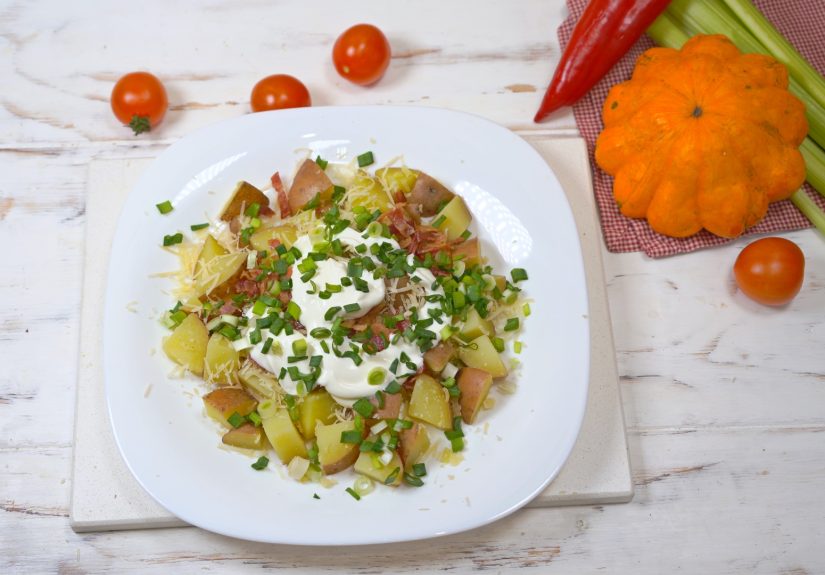
Now comes the reward. Toss the boiled red potatoes with butter, chopped parsley, chives, dill, olive oil, black pepper, or a squeeze of lemon. You can also use them as the base for mashed red potatoes, smashed potatoes, soups, breakfast hash, or classic potato salad. In other words, boiling is not the end of the journey. It is the very tasty beginning.
How to Tell When Red Potatoes Are Done
The best test is a fork or paring knife. If it slides into the center without much resistance, the potatoes are ready. If you have to force it, keep cooking. If the potato splits wide open and starts collapsing like it had a rough day, you have gone a little too far.
You can also taste one. It should be creamy and fully cooked through, with no chalky center. For salads and side dishes, you want tender potatoes that still hold their shape. For smashing or mashing, you can let them go a touch longer.
Common Mistakes to Avoid
- Starting in boiling water: This often leads to uneven cooking.
- Not salting the water: Potatoes need seasoning from the inside out.
- Cutting uneven pieces: Small chunks overcook while large ones lag behind.
- Boiling too aggressively: A hard boil can split skins and rough up the texture.
- Overcooking: Great for accidental mashed potatoes, not so great for potato salad.
- Leaving potatoes in hot water after cooking: They continue to soften and can become waterlogged.
Easy Ways to Serve Boiled Red Potatoes
Once your potatoes are cooked, you have options. Very good options.
- Butter and herbs: Toss with melted butter, parsley, dill, chives, salt, and pepper.
- Garlic finish: Add olive oil, minced garlic, and a little lemon zest.
- Potato salad: Cool slightly, cube, and mix with dressing while still a little warm.
- Smashed potatoes: Boil, smash, oil, then roast until crisp.
- Breakfast skillet: Chill, slice, and pan-fry the next day with onions and peppers.
- Simple side dish: Sprinkle with flaky salt and serve next to chicken, fish, or steak.
How to Store and Reheat Boiled Red Potatoes
If you have leftovers, cool them promptly and refrigerate them in shallow containers. Properly stored cooked potatoes generally keep well in the refrigerator for 3 to 4 days. Reheat them in the microwave, in a skillet with a bit of oil or butter, or in the oven until heated through. If they have been sitting out too long at room temperature, do not take chances. Potatoes are affordable; food poisoning is not.
For best texture, use refrigerated boiled potatoes in hash, soup, skillet meals, or smashed potato recipes. Chilled boiled red potatoes are also excellent in meal prep because they are sturdy and easy to portion.
Conclusion
Boiling red potatoes is not complicated, but a few small choices make a big difference. Start with evenly sized potatoes, use cold salted water, simmer gently, and pull them off the heat as soon as they are fork-tender. That is the formula. Follow it, and your red potatoes will be creamy, flavorful, and ready for just about anything.
Whether you are building the world’s most dependable potato salad, making a quick weeknight side dish, or preparing potatoes for a crispy smashed-potato encore, this is one kitchen skill worth getting right. It is simple, practical, and surprisingly satisfying. Also, it makes you look like the kind of cook who has things under control, even if there is still a mystery lid with no matching container somewhere in your cabinet.
Extra Kitchen Experience: What Boiling Red Potatoes Is Really Like
Once you boil red potatoes a few times, you start to realize this is one of those humble kitchen tasks that teaches more than it seems. At first, most people treat it like background cooking. Potatoes go in water, the stove goes on, and that is that. But after a few rounds, you begin to notice how much tiny details matter. The size of the pieces changes the timing. The amount of salt in the water changes the flavor. The difference between a hard boil and a gentle simmer changes the texture. Suddenly, this sleepy little side dish becomes a master class in paying attention.
One of the most useful real-world lessons is that boiled red potatoes are forgiving, but not infinitely forgiving. They give you a decent window of doneness, especially compared with starchier potatoes, yet they still have limits. Leave them a minute or two too long and they may start splitting. Try to rush them with high heat and the skins can burst while the centers lag behind. It is a good reminder that cooking is often less about force and more about patience. Potatoes, like people in long checkout lines, do not respond especially well to being rushed.
There is also something satisfying about how versatile they are once cooked. A plain bowl of boiled red potatoes can become three completely different meals with almost no extra work. Toss them with butter and herbs, and they are dinner-ready. Chill them and add a mustardy dressing, and you have lunch. Smash them, roast them, and suddenly they become the crispy crowd-pleaser everyone reaches for first. That kind of flexibility is why so many home cooks keep coming back to red potatoes. They are practical without being boring, which is a rare and admirable quality.
Another thing experience teaches you is confidence. The first time you cook potatoes, you may stare at the pot like it is a science experiment. By the fifth or sixth time, you know what a nearly done potato looks like, how a knife should slide in, and when to drain them without second-guessing yourself. That confidence spills into other parts of cooking too. Learning to boil red potatoes well can make you better at judging vegetables, seasoning water, timing side dishes, and trusting your senses instead of relying only on a recipe timer.
And maybe that is the best part. Boiling red potatoes is ordinary in the nicest possible way. It is the kind of kitchen skill that quietly supports dozens of meals. It is not flashy. Nobody films a dramatic slow-motion scene of steam rising from a colander and wins an award for it. But it works. It feeds people well. It makes dinner easier. In a kitchen full of trendy gadgets and complicated techniques, that kind of reliable, no-nonsense cooking deserves a little respect.