Table of Contents >> Show >> Hide
- Why Can Applesauce?
- Safety First (The Part That Keeps Applesauce From Becoming a Science Project)
- What You’ll Need
- Choosing Apples for the Best Applesauce
- Step-by-Step: How to Can Applesauce (Water-Bath Method)
- Step 1: Prep your canner and jars
- Step 2: Wash, peel, core, and slice apples
- Step 3: Cook the apples until tender
- Step 4: Purée to your favorite texture
- Step 5: Sweeten (optional) and reheat to boiling
- Step 6: Fill jars (and mind the headspace)
- Step 7: Process in a boiling-water canner
- Processing times for applesauce (boiling-water canner)
- Step 8: Cool, check seals, and store
- Our Favorite Recipe: Cinnamon-Maple Applesauce for Canning
- Troubleshooting: Common Applesauce Canning Problems
- Storage, Shelf Life, and When to Toss a Jar
- Serving Ideas That Go Beyond “Eat With Spoon”
- Kitchen Notes: Real-Life “Experience” Tips That Make Canning Applesauce Easier (Extra )
- SEO Tags
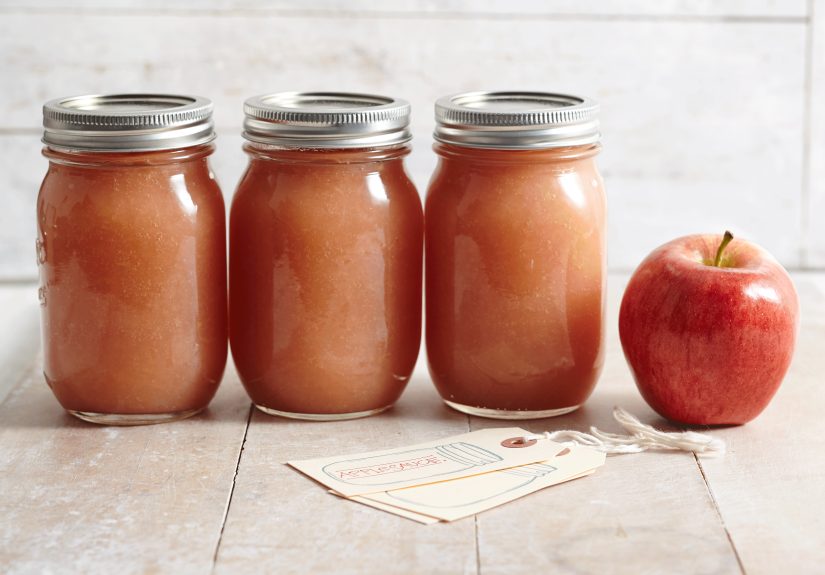
If applesauce season had a theme song, it would be: chunk-chunk-whirr (that’s the sound of a food mill doing the Lord’s work). Canning applesauce is one of the most beginner-friendly ways to stock your pantry with something you’ll actually usebreakfasts, snacks, baking, and those “I need dessert but I’m pretending I don’t” moments.
This guide walks you through safe, tested water-bath canning basics, smart apple choices, exact jar prep steps, altitude-adjusted processing times, and our favorite cinnamon-maple applesauce recipe that tastes like a cozy sweater smells. (Yes, that’s a compliment.)
Why Can Applesauce?
Sure, you can freeze applesauce. But canning has a few unbeatable perks:
- Pantry-ready convenience: Shelf-stable jars mean no freezer Tetris.
- Peak-season flavor: You capture apples at their bestsweet, tart, and aromatic.
- Control the ingredients: Sugar-free, lightly sweetened, extra cinnamonyour kitchen, your rules (within safe canning limits).
- Zero-waste vibes: A great way to use imperfect apples (as long as they’re not spoiled).
Safety First (The Part That Keeps Applesauce From Becoming a Science Project)
Applesauce is a high-acid food, which is why boiling-water (water-bath) canning is the standard method when you follow a tested recipe. “Tested” is the canning equivalent of “seatbelt”: it’s not glamorous, but it’s how you arrive safely.
Use the right method (and skip the internet dares)
- Use a boiling-water canner (or a deep pot with a rack): jars must be covered with at least 1 inch of boiling water during processing.
- Don’t use open-kettle canning: “hot fill and hope” is no longer recommended for safe home canning.
- Don’t “thicken it up” before canning: adding starches or extra thickeners can interfere with heat penetration. If you want thicker sauce, you can simmer it longer before canningbut don’t add flour/cornstarch/other thickeners.
Follow tested jar sizes and headspace
For applesauce, the common tested sizes are pints and quarts. You’ll fill hot applesauce into hot jars leaving 1/2-inch headspace. Headspace matters because it helps create a strong vacuum seal and reduces messy siphoning.
What You’ll Need
Equipment
- Boiling-water canner with rack (or a deep stockpot + rack)
- Mason jars (pints or quarts), new lids, bands
- Jar lifter (highly recommendedhot glass is not a personality trait)
- Canning funnel, bubble remover/headspace tool (or a thin spatula)
- Large pot for cooking apples
- Food mill, chinois, blender, or immersion blender (depending on your preferred texture)
- Clean towels and a cooling rack or folded towel for resting jars
Ingredients
- Apples (a mix of sweet and tart is ideal)
- Water
- Optional: sugar, maple syrup, cinnamon, lemon juice, ascorbic acid (for color)
Choosing Apples for the Best Applesauce
Great applesauce isn’t about one “perfect” apple. It’s about balance:
- For sweetness: Fuji, Gala, Golden Delicious
- For bright tartness: Granny Smith, Jonathan, McIntosh
- For that classic applesauce aroma: Honeycrisp, Jonagold
A smart rule of thumb: use mostly sweet apples, then toss in a couple pounds of tart apples per several pounds of sweet fruit. Your taste buds will do a standing ovation.
Step-by-Step: How to Can Applesauce (Water-Bath Method)
Step 1: Prep your canner and jars
Wash jars in hot, soapy water and rinse. Keep jars hot until filling (hot food into cold jars can crack them). Set the canner rack in the canner and preheat the water. For hot-packed foods like applesauce, preheating the canner water to about 180°F is a common best practice.
Lids: Follow the manufacturer’s directions. Many modern lids are designed to work best at room temperature (not simmered).
Step 2: Wash, peel, core, and slice apples
Wash apples well. Peel and core them, then slice. If browning bugs you, hold slices in water with ascorbic acid (or a little lemon juice) while you work.
Step 3: Cook the apples until tender
Put apple slices in a large pot with about 1/2 cup water to prevent scorching. Bring to a quick heat, then cook until the apples are tendertypically 5 to 20 minutes, depending on variety and ripeness. Stir occasionally to avoid sticking.
Step 4: Purée to your favorite texture
Choose your applesauce personality:
- Silky-smooth: run cooked apples through a food mill/sieve or blend until smooth.
- Chunky: mash with a potato masher or blend briefly.
Step 5: Sweeten (optional) and reheat to boiling
Applesauce can be canned without sugar. If you want it sweeter, add sugar to taste. A classic tested baseline is about 1/8 cup sugar per quart, then adjust if desired. Add cinnamon or other spices now if you like. Bring the sauce back to a boil so you’re filling jars with hot applesauce.
Step 6: Fill jars (and mind the headspace)
Working one jar at a time:
- Fill with hot applesauce, leaving 1/2-inch headspace.
- Remove air bubbles (slide a tool around the inside edge).
- Wipe the rim cleantiny sauce smears can sabotage sealing.
- Apply lid and band to fingertip tight (snug, not Hulk-tight).
Step 7: Process in a boiling-water canner
Lower jars onto the rack. Make sure the water covers the jars by at least 1 inch (add hot water if needed). Cover the canner, bring to a vigorous boil, and start timing only when the water is at a full rolling boil. Maintain a steady boil the entire time.
If the water ever stops boiling, bring it back to a boil and restart the timer from the beginning. (Annoying? Yes. Important? Also yes.)
Processing times for applesauce (boiling-water canner)
| Jar Size | 0–1,000 ft | 1,001–3,000 ft | 3,001–6,000 ft | Above 6,000 ft |
|---|---|---|---|---|
| Pints | 15 min | 20 min | 20 min | 25 min |
| Quarts | 20 min | 25 min | 30 min | 35 min |
Step 8: Cool, check seals, and store
When processing time is done, turn off the heat, remove the lid, and wait about 5 minutes before lifting jars out. Place jars upright on a towel or rack, leaving space between them. Don’t tighten bands or press lids while cooling.
After 12–24 hours, check seals: the lid should be concave and not flex when pressed. Remove bands, wipe jars, label, and store in a cool, dry, dark place.
Our Favorite Recipe: Cinnamon-Maple Applesauce for Canning
This is our go-to because it tastes like apple pie’s more responsible cousin. It’s warmly spiced, not candy-sweet, and it holds up beautifully in jars.
Ingredients (makes about 4–5 pints, depending on apple variety)
- 8 pounds apples (mix sweet + tart)
- 1/2 cup water (to start the cook)
- 2–4 tablespoons lemon juice (optional, for brightness and color)
- 1–3 teaspoons ground cinnamon (start small; you can always add more)
- 1/4 cup pure maple syrup (optional) or sugar to taste
- Pinch of salt (optional, but it makes the apple flavor pop)
Directions
- Prep apples: Wash, peel, core, and slice.
- Cook: Add apples and water to a large pot. Cover and cook over medium heat, stirring occasionally, until apples are very tender (about 10–20 minutes).
- Purée: Run through a food mill for smooth sauce or blend lightly for a chunkier texture.
- Season: Stir in lemon juice (if using), cinnamon, maple syrup/sugar, and salt. Bring the applesauce back to a boil.
- Jar it up: Fill hot jars, leaving 1/2-inch headspace. Debubble, wipe rims, apply lids and bands fingertip tight.
- Process: Water-bath can using the time table above for your jar size and altitude.
Flavor variations (safe, simple swaps)
- Vanilla-cinnamon: add 1 teaspoon vanilla extract per batch (stir in right before filling jars).
- Apple-pie spice: use a blend (cinnamon + a touch of nutmeg/clove). Keep it modestspices get louder over time.
- Unsweetened: skip maple/sugar entirely; choose naturally sweet apples for the best flavor.
Troubleshooting: Common Applesauce Canning Problems
“My jars leaked a little in the canner.”
That’s usually siphoningliquid bubbling out during processing. It can happen if jars are overfilled, bands are too tight, or jars are moved/tilted while hot. As long as the jar sealed properly, a bit of mess is usually cosmetic (wipe jars after cooling).
“My applesauce is darker than I expected.”
Oxidation happens. You can reduce browning by treating slices with ascorbic acid, adding lemon juice for brightness, and working efficiently. But also: darker applesauce still tastes great. It’s not a beauty pageant; it’s a snack.
“Can I double the batch?”
You can cook more applesauce, surebut keep a close eye on consistent heating, keep sauce hot while filling, and don’t change jar size or processing times. When in doubt, do multiple canner loads rather than a mega-load that cools down midstream.
Storage, Shelf Life, and When to Toss a Jar
Store sealed jars in a cool, dry, dark place. For best quality, aim to use within about a year. Once opened, refrigerate and use within about a week (or freeze for longer storage).
When to discard: If a lid is unsealed, bulging, leaking, spurting when opened, or the contents smell “off,” don’t taste itdiscard it safely. When it comes to canned foods, your nose is a consultant, not a quality-control lab.
Serving Ideas That Go Beyond “Eat With Spoon”
- Swirl into oatmeal with toasted nuts
- Use as a baking swap for some oil in muffins
- Top pancakes or waffles like a fruit syrup
- Stir into yogurt with granola
- Warm with cinnamon as an easy dessert base
Kitchen Notes: Real-Life “Experience” Tips That Make Canning Applesauce Easier (Extra )
Here’s the part nobody tells you: canning applesauce is less about “perfect technique” and more about “setting yourself up to not lose your mind.” The first surprise is how quickly applesauce turns your kitchen into a cozy fog machine. You’ll start out thinking, “What a wholesome autumn activity!” and then ten minutes later your windows are steamed, your sleeves smell like cinnamon, and your countertop is mysteriously sticky in places you didn’t even visit. That’s normal. Applesauce is a charming little chaos gremlin.
The second surprise is how much your apple choice changes the final texture. Some apples break down into velvet; others keep a little structure no matter how sweetly you ask them. If you want super smooth sauce, a food mill is your best friend because it creates a consistent texture without over-whipping air into the sauce. If you prefer chunky applesauce, resist the urge to over-blend. Pulse once, taste, and stop. Your future self will thank you when you open a jar and it tastes like apples, not apple-flavored pudding.
Timing matters, toobut not in a scary way, more in a “make life easier” way. Keep your jars hot, keep your sauce hot, and work in a steady rhythm: fill, debubble, wipe, lid, band, into the canner. If you stop to answer texts mid-fill, your sauce cools down, your funnel gets crusty, and suddenly you’re living in a tiny apple-based sitcom. Put on a playlist, tell everyone you’re in a “do not disturb unless the house is on fire” window, and treat it like a mini production line.
Also: headspace feels like a fussy detail until the day you overfill and watch applesauce burp out of jars like an offended volcano. Leaving that 1/2-inch headspace gives the sauce room to expand and boil without forcing its way under the lid. Wiping the rim is similarly unglamorousbut skipping it is the canning equivalent of forgetting deodorant. You might get away with it, but you’re rolling the dice for no good reason.
Finally, the most satisfying moment is the cooling stage. You’ll set jars down, walk away, and then hear it: ping! That little sound is the canning universe giving you a gold star. It’s weirdly thrilling. Just remember: don’t poke the lids while they’re cooling, don’t tighten bands, and don’t tilt jars “just to check.” Let them rest, let the vacuum form, and let yourself enjoy the fact that you just turned a pile of apples into shelf-stable comfort food. Future you is going to open one of those jars on a random weekday and feel like you time-traveled a hug into the pantry.