Table of Contents >> Show >> Hide
- Step 1: Identify what kind of “house gecko” you have (and decide if keeping it is wise)
- Step 2: Choose a secure, properly sized enclosure (bigger is better, taller is smarter)
- Step 3: Build a gecko-friendly interior: climbing routes, cover, and hiding spots
- Step 4: Pick a beginner-safe substrate (and avoid the “looks cool, causes problems” options)
- Step 5: Create a temperature gradient (your gecko needs choices, not one setting)
- Step 6: Dial in humidity and hydration (think “nighttime dew,” not “constant swamp”)
- Step 7: Set a consistent day/night light cycle (and consider gentle UVB)
- Step 8: Feed the right insects (and make dinner work for your gecko, not against it)
- Step 9: Supplement wisely: gut-load and dust (because insects aren’t complete nutrition by default)
- Step 10: Handle gently (or don’t handle much at all)
- Step 11: Keep the habitat clean and monitor health (for the gecko and for you)
- Common Mistakes to Avoid (So Your Gecko Doesn’t Have to “Tough It Out”)
- Conclusion
- Real-World Experiences: What People Commonly Learn When Keeping a House Gecko (Extra Notes & Lessons)
House geckos are the tiny, wide-eyed “apartment neighbors” of the reptile world: quiet most of the day, busy at night, and
weirdly good at finding the one gap you didn’t know existed. If you’ve decided to keep one as a pet (or you’re temporarily
caring for a surprise gecko guest), the goal is simple: recreate the basics they rely on in naturesafe shelter, the right
temperature range, the right humidity cycle, and a steady supply of appropriately sized bugs.
Before we jump in, a quick reality check: many “house geckos” in the U.S. are non-native species that live around buildings,
and many are wild-caught when sold cheaply. Whenever possible, choose captive-bred animals and follow local regulations. If you
found a gecko indoors, you may be better off safely releasing it outside (if legal and appropriate) than turning it into an
involuntary roommate. That said, if you’re caring for one now, these 11 steps will help you do it responsibly.
Step 1: Identify what kind of “house gecko” you have (and decide if keeping it is wise)
“House gecko” is a casual label, not a single species. In the U.S., common types include Mediterranean house geckos and other
small Hemidactylus species. Care is similar across many small, insect-eating, wall-climbing geckos, but fine details (like
ideal humidity swings) can vary.
What to do
- Confirm it’s an insect-eating, climbing gecko (sticky toe pads, vertical pupils, nocturnal behavior).
- Check your local rules about keeping wild reptiles and about invasive species.
-
If it’s wild-caught: consider whether your best “care” is a safe release or contacting a local wildlife
organization for guidance (especially if it appears injured).
Why this matters: Wild animals often carry parasites, get stressed in captivity, and may decline without obvious
warning. Starting with the right animal (and the right plan) is the biggest “quality-of-life upgrade” you can give a gecko.
Step 2: Choose a secure, properly sized enclosure (bigger is better, taller is smarter)
House geckos are semi-arboreal climbers. That means height matters. A tall enclosure lets them do what they’re designed to do:
climb, hide, hunt, and thermoregulate by moving up and down.
Practical setup guidance
- Minimum for one small house gecko: about a 12" x 12" x 18" front-opening terrarium (or larger).
- Ventilation: good airflow helps prevent stale, moldy conditions (especially with higher humidity).
- Security: tight-fitting doors and lid, and no “cord gaps” large enough for a tiny escape artist.
Pro tip: If you can’t confidently say “this enclosure is escape-proof,” assume it isn’t. A gecko only needs one
mistake from you, and then it’s auditioning for a life in your curtain rods.
Step 3: Build a gecko-friendly interior: climbing routes, cover, and hiding spots
A bare tank is stressful. In the wild, house geckos hug cracks, crevices, foliage, and surfaces that help them feel hidden.
Your job is to create an environment where your gecko can move around without feeling exposed.
Must-haves
- Climbing structure: branches, cork bark, vines, textured backgrounds, and vertical surfaces.
- Dense cover: artificial plants or sturdy live plants (non-toxic and pesticide-free).
- At least two hiding zones: one higher/warmer, one lower/cooler.
- A “humidity-friendly” hide: helps during shedding (more on humidity in Step 6).
Why this matters: More cover usually means less stress, better feeding response, and a gecko that actually behaves like
a gecko (instead of a tiny statue of anxiety).
Step 4: Pick a beginner-safe substrate (and avoid the “looks cool, causes problems” options)
Substrate affects humidity, cleanliness, and safety. Some loose substrates can be fine when you know what you’re doing, but a
beginner-friendly choice makes daily care easier and reduces risk.
Good options
- Paper towels (excellent for quarantine, easy monitoring of droppings, easy cleaning).
- Soil-based mixes designed for reptiles (helpful for humidity, works well in naturalistic setups).
- Bioactive setups (advanced, but great when done correctly and maintained well).
What to avoid (especially at first)
- Loose “calcium sand” or very fine sand marketed for reptiles.
- Highly aromatic woods (strong-smelling chips can irritate sensitive animals).
- Dirty, dusty, or mold-prone materials that turn your enclosure into a sneeze factory.
Step 5: Create a temperature gradient (your gecko needs choices, not one setting)
Geckos are ectothermic: they rely on their environment to manage body temperature. That’s why a gradient matters. A single
“tank temperature” is a mythyour goal is a warm zone and a cooler zone so the gecko can move as needed.
Reliable target ranges for many small house geckos
- Warm/basking zone: about 80–85°F
- Cooler zone: about 70–75°F
- Night range: roughly 65–75°F (a gentle drop is normal)
How to do it safely
- Use overhead heating (low-wattage heat lamp) to warm air and create a realistic gradient.
- Use a thermostat or controller when possible to prevent overheating.
- Measure, don’t guess: digital thermometers placed in both warm and cool areas.
Example: Put your main warm perch (a branch or cork tube) under the heat source near the top, and keep cooler hides
lower down. That vertical “heat ladder” is gecko logic.
Step 6: Dial in humidity and hydration (think “nighttime dew,” not “constant swamp”)
Many house geckos do best with humidity that rises at night and falls during the daysimilar to how outdoor air often behaves.
This also helps them drink, since many will lick droplets from surfaces rather than chugging from a bowl like a dog.
General humidity goals
- Average humidity: commonly around 60–80% overall, with a daily swing (lower by day, higher after misting).
- Night spikes: it’s normal for humidity to climb after evening misting.
How to manage it
- Mist in the evening (when your gecko naturally becomes active) to create droplets for drinking.
- Use a hygrometer with the probe placed mid-enclosure to track real conditions.
- Balance humidity with ventilation to avoid stagnant, moldy air.
- Offer a small water dish anywaysome geckos use it, and it helps stabilize micro-humidity.
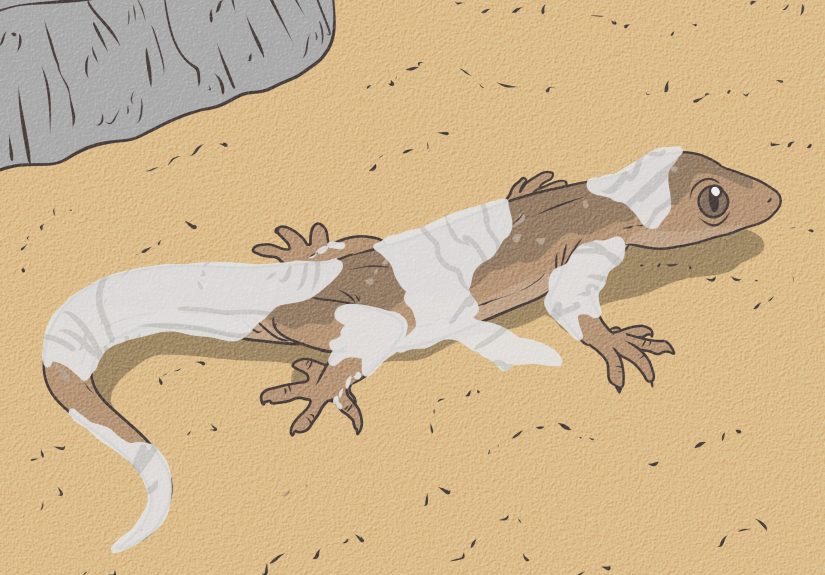
Troubleshooting: If shedding is consistently incomplete, your enclosure may be too dry or lacking a humid hide. If the
tank smells musty or grows mold easily, you may be too wet and not ventilated enough.
Step 7: Set a consistent day/night light cycle (and consider gentle UVB)
Even nocturnal reptiles benefit from a predictable photoperiod. The light schedule helps regulate activity, appetite, and
overall routine. Many modern husbandry standards also support low-level UVB for species that are mostly nocturnal, provided it’s
done safely and not “blasted” like a desert sun.
Best practices
- Use a 12-hour day/night cycle (a timer makes this effortless).
- Give true darkness at nightskip colored “night bulbs” so your gecko can behave naturally.
- If using UVB: choose low-output UVB designed for small enclosures and provide shaded areas so the gecko can opt out.
Why this matters: UVB and proper lighting support vitamin D3 and calcium balance in many reptiles, and good lighting
practices reduce long-term health risks tied to poor husbandry.
Step 8: Feed the right insects (and make dinner work for your gecko, not against it)
House geckos are insectivores. In captivity, you want variety, correct prey size, and a feeding routine that matches their
natural behavior (nocturnal hunting).
What to feed
- Staples: appropriately sized crickets, small roaches, fruit flies, small soft-bodied larvae in moderation.
- Variety items: occasional moths or other safe feeder insects from reputable suppliers.
- Prey size rule: insects should generally be no wider than the space between the gecko’s eyes.
How often to feed
- Juveniles: often daily feeding works best (smaller meals, more often).
- Adults: commonly every other day, or 3–4 times per week depending on body condition.
- Portion guide: offer what an adult can eat in about 5 minutes, then remove extras.
Example routine: Offer a small cluster of insects shortly after lights-out, when your gecko is most likely to hunt.
If your gecko is shy, try feeding in a consistent spot (like a feeder ledge) and reduce room traffic during feeding time.
Step 9: Supplement wisely: gut-load and dust (because insects aren’t complete nutrition by default)
Feeder insects are only as nutritious as what they ate. “Gut-loading” (feeding insects a healthy diet before offering them to
your gecko) boosts nutrition. Dusting insects adds key minerals and vitaminsespecially calcium, which is crucial for healthy
bones and muscle function.
Smart supplementation habits
- Gut-load insects for 24–48 hours with quality feeds and moisture sources.
- Dust lightlythink “powdered donut,” not “snowstorm.”
-
Use a calcium + vitamin strategy that matches your lighting:
if you provide UVB, you often use different supplement balances than if you do not. - Follow product labels and vet guidance to avoid over-supplementation.
Why this matters: Calcium imbalance and poor lighting can contribute to metabolic bone issues in reptiles over time.
Great husbandry is preventative medicine.
Step 10: Handle gently (or don’t handle much at all)
House geckos are usually better as “look, don’t grab” pets. They’re fast, easily stressed, and some can drop their tails when
frightened. You can absolutely build trustbut the trust-building plan is patience, not constant handling.
Safer interaction options
- Use feeding tongs to offer insects and teach your gecko that you’re the bringer of snacks.
- Let the gecko choose proximityopen the enclosure and pause instead of reaching in immediately.
- If you must move your gecko: guide it into a cup/container rather than grabbing it.
If handling happens: Keep sessions short, low to the ground, and calm. No sudden movements. No tail grabbing. And no
dramatic chase scenesyour gecko did not sign up to star in an action movie.
Step 11: Keep the habitat clean and monitor health (for the gecko and for you)
Cleanliness and observation are your two superpowers. A healthy house gecko is alert at night, maintains body condition, and
sheds cleanly. A well-maintained enclosure reduces stress and helps prevent common issues like skin problems, respiratory
trouble, and chronic dehydration.
Cleaning schedule
- Daily: spot-clean droppings, remove uneaten insects, wipe obvious messes.
- Weekly: refresh water dish, wipe down surfaces as needed, check for mold or overly damp areas.
- Monthly (or as needed): deeper clean with a reptile-safe disinfectant, then rinse and dry thoroughly.
Health checks you can do at home
- Body condition: sudden weight loss or a thinning tail can be a warning sign.
- Shedding: stuck shed around toes and tail tip needs attention (often humidity-related).
- Breathing: wheezing, bubbles, or persistent open-mouth breathing is not “cute”it’s vet time.
- Appetite and behavior: a gecko that abruptly stops eating or becomes lethargic should be assessed promptly.
Human hygiene matters, too
Reptiles can carry germs like Salmonella even when they look perfectly healthy. Wash hands after handling your gecko or
enclosure items, keep cleaning supplies away from food areas, and avoid letting reptiles roam in kitchens or on food-prep
surfaces. This is simple, boring, and extremely worth it.
Common Mistakes to Avoid (So Your Gecko Doesn’t Have to “Tough It Out”)
- Guessing temperatures and humidity instead of measuring with reliable tools.
- Overheating the enclosure because the heat source is unregulated or too strong.
- Keeping the tank constantly wet (mold city) or constantly dry (shed problems).
- Feeding only one insect type forever (variety improves nutrition and enrichment).
- Handling too much and wondering why the gecko is stressed (it’s not being dramatic; it’s being a gecko).
- Buying “cheap” gear that fails (escape-proofing and temperature control are not the places to bargain-hunt).
Conclusion
Caring for a house gecko is less about complicated tricks and more about doing the basics consistently: a tall, secure setup;
a realistic temperature gradient; a humidity cycle that mimics nighttime dew; a varied insect diet with smart supplementation;
and a clean, low-stress environment. If you build the habitat like a mini ecosystem (not a display box), your gecko can do what
it does bestclimb, hunt, hide, and thrive.
And remember: the best gecko care is the kind that keeps your gecko healthy and keeps your home peacefulno mystery
smells, no unexpected escapes, and no “why is there a lizard on the ceiling fan” moments. (We’re aiming for delight, not chaos.)
Real-World Experiences: What People Commonly Learn When Keeping a House Gecko (Extra Notes & Lessons)
If you’ve never kept a tiny nocturnal climber before, the first week can feel like owning a pet that’s also a part-time
magician. Many new keepers report the same “Where did it go?” momentbecause house geckos are experts at becoming invisible in
plain sight. That’s not a sign your gecko is unhappy; it’s often a sign your gecko finally feels safe enough to behave
naturally. The trick is to judge progress by outcomes (regular eating, normal droppings, good sheds) rather than by how often
you see it doing parkour at noon.
Feeding time is where expectations get a reality check. A lot of people assume a gecko will immediately chase insects the
second they’re offered. In real life, many house geckos prefer hunting when the room is quiet and lights are outso that
“dramatic dinner show” might not happen while you’re watching. One common keeper workaround is to feed consistently at the same
time each evening and use a feeder ledge or a designated feeding zone. Over time, many geckos learn the routine and become more
confident about eating while you’re nearbyespecially if you use gentle feeding tongs and keep movements slow.
Humidity is another frequent “aha” moment. Beginners often swing between two extremes: making the tank too wet (musty odor,
mold risk) or too dry (stuck shed, cranky gecko, slow appetite). The most successful keepers treat humidity like weather, not a
constant setting: mist in the evening for droplets and a nighttime bump, then allow daytime drying with proper ventilation.
Measuring with a probe hygrometer is the difference between “I think it’s fine” and “I know it’s fine,” and geckos tend to
reward the second option with easier sheds and steadier behavior.
Handling tends to be the biggest emotional adjustment. People want to bond the way they do with mammalsby holding them. But
many house geckos bond by learning you’re predictable, gentle, and associated with food, not by being passed around like a
stress ball. Keepers who handle minimally often report better long-term results: calmer geckos, fewer frantic dashes, and fewer
accidents. When movement is necessary (cleaning, vet visit), the “cup and guide” method is commonly described as less stressful
than trying to scoop a gecko with your hands.
Finally, there’s the quiet joy factor. House geckos are fascinating to observe: the toe pads that stick like gecko Velcro, the
slow stalk before a pounce, the way they choose a favorite perch like it’s prime real estate. Many keepers also enjoy the
practical sidegeckos naturally target insectsthough you should still feed a proper captive diet rather than expecting your
gecko to live off whatever wanders by. The most consistent “success story” experiences are surprisingly simple: a gecko that
eats well, sheds cleanly, explores at night, and looks alert and sturdy. If you’re hitting those marks, you’re doing more than
keeping a gecko aliveyou’re keeping it well.