Table of Contents >> Show >> Hide
- Why Microwave-Safe Containers Matter More Than You Think
- Step 1: Look for the “Microwave Safe” Label
- Step 2: Check the Bottom for Symbols
- Step 3: Know Which Plastics Are Microwave Friendly
- Step 4: Be Careful with Plastic Wrap and Lids
- Step 5: Glass Is Your Best Friend (Usually)
- Step 6: Understand Which Ceramics Are Microwave Safe
- Step 7: Avoid MetalAlways
- Step 8: Watch Out for Takeout Containers
- Step 9: Consider Heat and Fat Content
- Step 10: Test New Containers Carefully
- Step 11: Replace Old or Damaged Containers
- Common Microwave Container Mistakes to Avoid
- Real-Life Experiences with Choosing Microwave Safe Containers (Extended Insights)
- Conclusion
Microwaves are magical boxes. You put in cold leftovers, press a few buttons, andboomhot food. But that magic can turn into a mess (or a health concern) if you use the wrong container. Melted plastic, warped lids, mystery smells, and questionable chemicals are all signs that a container and a microwave were never meant to be friends.
This guide breaks down exactly how to choose microwave safe containers in 11 clear, practical steps. It’s based on widely accepted food safety guidance and best practices from reputable U.S. sources in food science, consumer safety, and kitchenware testing. No scare tactics, no fluffjust smart, everyday advice with a dash of humor.
Whether you’re reheating coffee, meal-prepping for the week, or trying to keep your plastic containers from staging a meltdown, this article has you covered.
Why Microwave-Safe Containers Matter More Than You Think
Microwaves heat food by exciting water molecules. That energy doesn’t always stop at your leftoversit can affect the container too. Some materials overheat, release chemicals, crack, or melt. Others stay stable and safe.
Choosing the right container protects:
- Your food quality and flavor
- Your health and safety
- Your microwave (and your sanity)
Now let’s get into the 11 steps that separate microwave pros from melted-plastic survivors.
Step 1: Look for the “Microwave Safe” Label
This sounds obvious, but it’s step one for a reason. Containers labeled “microwave safe” have been tested to withstand microwave heat without melting or leaching harmful substances.
If the label is missing, scratched off, or suspiciously vague, assume it’s not microwave safe.

Step 2: Check the Bottom for Symbols
Flip the container over. Many microwave-safe containers use symbols instead of words. Common ones include wavy lines or a microwave icon.
No symbol? No promise. When in doubt, choose a safer material.

Step 3: Know Which Plastics Are Microwave Friendly
Not all plastics are villains, but not all are heroes either. Microwave-safe plastics are designed to resist warping and chemical release.
Plastics often considered safer for microwaving include:
- #2 (HDPE)
- #5 (Polypropylene)
Avoid thin, disposable plasticseven if they survive once, they may degrade over time.
Step 4: Be Careful with Plastic Wrap and Lids
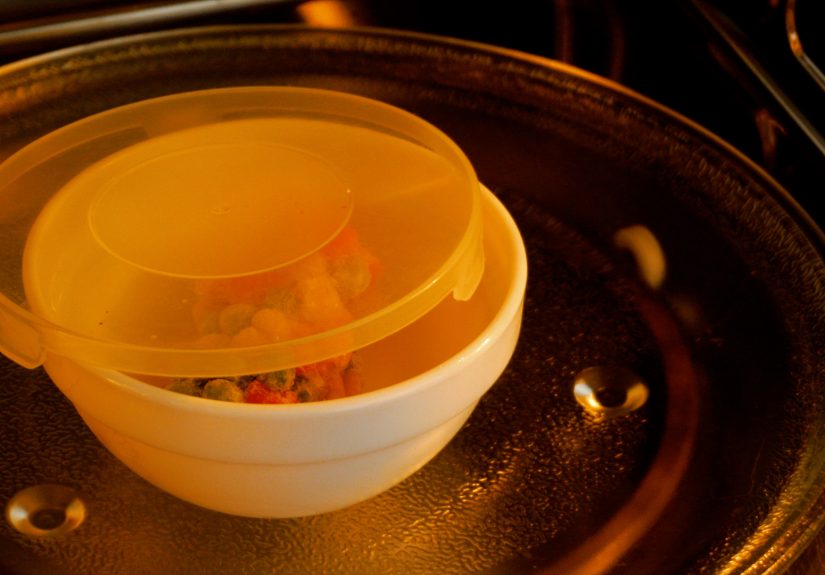
Plastic wrap is a common microwave mistake. Unless it specifically says microwave safe, don’t let it touch food. Steam can cause it to melt into your meal.
For lids, look for vented designs or leave a corner open to release pressure.

Step 5: Glass Is Your Best Friend (Usually)
Glass containers are microwave MVPs. They don’t absorb odors, don’t stain, and don’t leach chemicals.
Tempered glass is best, but even regular glass works welljust avoid sudden temperature changes to prevent cracking.

Step 6: Understand Which Ceramics Are Microwave Safe
Ceramic containers can be microwave safe, but glazes matter. Metallic paints or decorative trims can cause sparks.
Rule of thumb: plain ceramic bowls and plates are safer than decorative ones.

Step 7: Avoid MetalAlways
This is non-negotiable. Metal reflects microwave energy and can cause sparks, fires, or damage to your appliance.
That includes:
- Aluminum foil
- Metal-rimmed dishes
- Stainless steel containers
Step 8: Watch Out for Takeout Containers
Takeout containers are unpredictable. Some are microwave safe, many are not.
Paper containers with plastic linings, black plastic trays, and foam containers should stay out of the microwave unless clearly labeled.

Step 9: Consider Heat and Fat Content
High-fat foods heat faster and hotter than water-based foods. That extra heat can stress containers.
When reheating greasy foods, choose glass or ceramic over plastic.
Step 10: Test New Containers Carefully
Not sure about a container? Do a simple test:
- Fill a microwave-safe cup with water.
- Place it next to the container.
- Heat for one minute.
If the container is hot but the water isn’t, the container isn’t microwave safe.

Step 11: Replace Old or Damaged Containers
Scratched, cloudy, or warped containers are past their prime. Damage increases the chance of chemical migration and uneven heating.
If it looks tired, let it retire.
Common Microwave Container Mistakes to Avoid
- Using disposable plastics repeatedly
- Microwaving containers with unknown materials
- Ignoring lid ventilation
- Heating food for too long in plastic
Real-Life Experiences with Choosing Microwave Safe Containers (Extended Insights)
Most people don’t think about microwave safe containers until something goes wrong. A warped lid. A strange smell. A container that suddenly looks like modern art. These experiences are surprisingly commonand very educational.
One common scenario involves meal prep. People often invest in a stack of affordable plastic containers, only to discover after a few weeks that the lids no longer fit, the plastic stains orange from tomato sauce, and reheated food tastes faintly… plasticky. Switching to glass containers often becomes a “why didn’t I do this sooner?” moment.
Parents frequently share stories about reheating kids’ meals in the wrong containers. Thin plastics can soften or collapse under heat, creating spills and burns. After one close call, many households move exclusively to microwave safe glass or BPA-free plastic with clear labeling.
Office microwaves are another testing ground. Shared kitchens are full of mismatched containers, takeout boxes, and mystery plastics. Employees who bring clearly labeled microwave safe containers tend to avoid awkward smoke alarms and passive-aggressive notes taped to the microwave door.
There’s also the learning curve with ceramics. Many people assume all bowls are microwave safeuntil a decorative plate starts sparking. That experience usually leads to a permanent rule: no metallic trim, ever.
Over time, experienced home cooks develop habits that prioritize safety and convenience. They learn which containers heat evenly, which lids vent properly, and which materials are easiest to clean. The microwave becomes less of a gamble and more of a reliable tool.
Choosing microwave safe containers isn’t about perfectionit’s about reducing risk and improving everyday cooking. A few smart choices can save money, protect your health, and keep your microwave drama-free.
Conclusion
Choosing microwave safe containers doesn’t require a chemistry degreejust a little awareness. By following these 11 steps, you can avoid common mistakes, extend the life of your containers, and heat food safely and efficiently.
When in doubt, remember this simple rule: glass and clearly labeled containers are your safest bets. Your food will taste better, your microwave will last longer, and your kitchen will stay blissfully free of melted plastic surprises.