Table of Contents >> Show >> Hide
- Step 1: Know Your Rug Before You Clean It
- Step 2: Prep the Rug Like a Professional
- Step 3: Mix a Safe, Pro-Approved Cleaning Solution
- Step 4: Deep Clean an Area Rug Like the Pros
- Step 5: Special Care by Rug Type
- Spot Cleaning: How the Pros Treat Stains
- How Often Should You Clean an Area Rug?
- DIY Rug Cleaning Mistakes to Avoid
- When to Call a Professional Rug Cleaner
- Real-World Tips and Experiences: What Actually Works
If your area rug has survived muddy shoes, snack time, and that one mysterious stain you pretend not to see, congratulationsyou officially own a hardworking rug. The good news? You don’t have to roll it up and drag it to a professional cleaner every time it looks tired. With the right tools, a little know-how, and a few pro-level tricks, you can clean an area rug at home and make it look (and smell) fresh again.
This step-by-step guide will walk you through how to clean an area rug like the prosfrom daily maintenance to a full deep clean, plus special care for wool, jute, and shag rugs. We’ll also cover the biggest DIY mistakes to avoid so you don’t accidentally turn your favorite rug into a wavy, faded pancake.
Step 1: Know Your Rug Before You Clean It
Pro cleaners don’t touch a rug until they know exactly what they’re dealing with. You should do the same. The material and construction of your rug dictate how aggressive you can be with water, cleaning solutions, and brushes.
Common rug materials and what they mean for cleaning
- Wool rugs: Naturally stain-resistant and durable, but they don’t love harsh chemicals or super hot water. They prefer gentle cleaners and light agitation.
- Synthetic rugs (nylon, polyester, polypropylene): Usually the easiest to clean. Many can handle stronger cleaners and more scrubbing, as long as you follow the care label.
- Jute, sisal, and other natural fiber rugs: Beautiful and texturalbut extremely sensitive to moisture. Too much water can cause warping, discoloration, and shrinkage.
- Shag and high-pile rugs: Cozy, but magnets for dust, hair, and crumbs. They often need extra vacuuming and slow, gentle cleaning.
- Vintage, hand-knotted, or “dry clean only” rugs: These typically need professional care. When in doubt, don’t DIYespecially if the rug was expensive or has sentimental value.
Before you grab a bucket, flip the rug over and check the care label. If it says “dry clean only” or warns against water, skip the home spa day and call in a pro cleaner.
Step 2: Prep the Rug Like a Professional
Pros don’t start scrubbing right away. They prepare the rug so cleaning is safer and more effective. Here’s how to set yourself up for success at home:
- Clear the area. Remove furniture, lamps, and anything sitting on the rug. If possible, take the rug outside to a patio, driveway, or balcony. If you’re working indoors, lay down a plastic tarp to protect hardwood or laminate floors.
- Shake or beat the rug. For smaller rugs, hang them over a sturdy railing or clothesline and beat them with a broom or rug beater to knock out embedded dust.
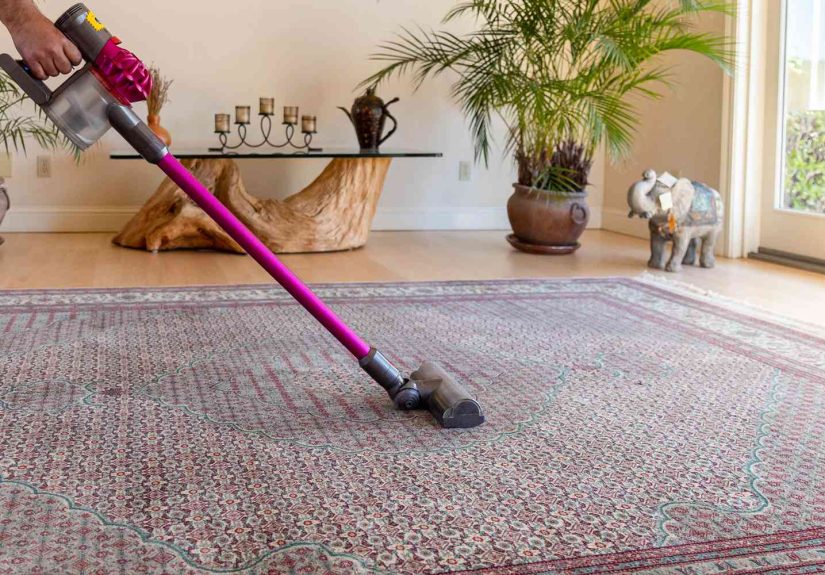
- Vacuum thoroughly. Vacuum the rug slowly, going in multiple directions to remove as much dirt as possible. Then flip it over and vacuum the back. This helps loosen even more dust and grit.
Think of this step as “pre-cleaning.” The more dry soil you remove before adding moisture, the better your deep cleaning will workand the less likely you are to create muddy residue in the fibers.
Step 3: Mix a Safe, Pro-Approved Cleaning Solution
Most area rugs don’t need a fancy specialty cleaner. What they do need is a safe cleanernothing too harsh, too soapy, or too perfumed. A simple DIY solution works for many synthetic and some wool rugs:
- Fill a bucket with lukewarm water (not hot).
- Add a small amount of mild liquid dish soapjust enough to create light suds.
- Alternatively, mix equal parts white vinegar and water with a tiny drop of dish soap for a more natural option.
Always spot test first. Dip a white cloth into your cleaning solution and dab it on a small hidden area. Blot with a dry cloth and check for color bleeding, fading, or texture changes. If anything looks off, stop and either switch products or consult a professional.
Step 4: Deep Clean an Area Rug Like the Pros
Once your rug is vacuumed and your solution is ready, it’s showtime. This method works for many washable or water-safe area rugs.
1. Lightly dampen the rug
Using a clean sponge or a soft-bristle brush, lightly dampen the rug with your solution. You’re not trying to soak itjust moisten the fibers enough to loosen dirt. Over-wetting is one of the fastest ways to damage a rug backing or cause mildew.
2. Gently scrub in sections
Working in small sections, use your sponge or brush to gently agitate the fibers. Move in the direction of the pile if possible, and use short, controlled strokes. Think “massage,” not “attack.” If you find yourself scrubbing like you’re trying to remove baked-on lasagna from a pan, you’re going too hard.
3. Rinse carefully
Rinse your sponge or brush in clean water and go back over each section to lift out soap. If you can, use a second bucket just for clean water. Leftover soap can attract dirt later, making your rug look dull again faster.
4. Blot out excess moisture
Lay clean, dry towels over each area and press firmly to absorb as much water as possible. Replace towels as they become damp. This step helps the rug dry faster and prevents that “wet dog” smell.
5. Dry completely
Let the rug dry fully before bringing it back inside or putting furniture on it. Ideally, hang it or elevate it on a few bricks or chairs so air can circulate on all sides. Use fans or open windows to speed up drying. Avoid direct, harsh sunlight for long periods on delicate or brightly colored rugs, as it can fade the fibers.
Step 5: Special Care by Rug Type
How to clean a wool area rug
- Vacuum often with the beater bar turned off or on the gentlest setting.
- Use cool to lukewarm water and a mild wool-safe detergent or a very dilute dish soap solution.
- Avoid scrubbing aggressivelywool fibers can fuzz and felt.
- Blot spills quickly; wool naturally resists liquid for a short time, so fast action pays off.
How to clean a synthetic area rug
- Most synthetic rugs tolerate stronger cleaners and warm water, but always check the label.
- If the rug is machine washable, follow the manufacturer’s instructions carefully (cold or warm water, gentle cycle, low or no heat in the dryer).
- For non-washable synthetics, the scrub-and-rinse method described above usually works well.
How to clean jute, sisal, and natural fiber rugs
- Focus on dry cleaning techniques: vacuuming, spot cleaning with minimal moisture, and sprinkling baking soda to absorb odors.
- For spills, blot immediately with a dry cloth. If absolutely necessary, use a barely damp cloth with a tiny amount of mild soap, then blot dry again.
- Avoid soaking these rugs. Too much water can cause rippling, staining, or even disintegration.
How to clean shag and high-pile rugs
- Shake outside when possible to remove debris.
- Use a vacuum with the beater bar turned off, or use an upholstery attachment to avoid tangling long fibers.
- For spot cleaning, work carefully around the pile, dabbing rather than scrubbing to prevent matting.
Spot Cleaning: How the Pros Treat Stains
The golden rule of stain removal: act fast. The longer a stain sits, the deeper it sinks into the fibers and backing.
Basic spot-cleaning method
- Blot, don’t rub. Use a clean white cloth or paper towel to blot up as much of the spill as possible. Press, lift, repeat. Rubbing just spreads the stain and drives it deeper.
- Apply a mild solution. Dab on a mix of lukewarm water and a few drops of dish soap, or a vinegar-water solution. Work from the outside of the stain toward the center to avoid expanding it.
- Rinse and blot again. Use a cloth dampened with clean water to remove soap residue, then blot dry with towels.
- Let it fully dry. Prop up the rug or place a fan nearby if needed. A damp spot can collect dirt and turn into a permanent “shadow” stain.
For greasy stains, a tiny bit of dish soap or a specialized carpet spot cleaner can help. For odor-heavy messes (looking at you, pets), sprinkle baking soda after cleaning, let it sit until dry, then vacuum thoroughly.
How Often Should You Clean an Area Rug?
Professional cleaners look at usage, not just the calendar. For a typical household, a general rule of thumb looks like this:
- Vacuuming: Once or twice a week in normal-traffic rooms; several times a week (or daily) in high-traffic areas or homes with pets and kids.
- Spot cleaning: As neededideally within minutes of a spill.
- Deep cleaning at home: Around every 6–12 months, depending on traffic and visible soil.
- Professional cleaning: About once a year for heavily used rugs, or every 1–2 years for lower-traffic wool or specialty rugs.
If anyone in your home has allergies or asthma, more frequent deep cleaning can help reduce dust, dander, and pollen trapped in the fibers.
DIY Rug Cleaning Mistakes to Avoid
Even the best intentions can go sideways. Here are common mistakes that pros see all the timeand how you can avoid them.
1. Using the wrong cleaning products
Bleach, high-alkaline cleaners, and strong solvents might remove the stain, but they can also strip color, damage fibers, or leave residue that attracts more dirt. Stick to mild, pH-balanced cleaners designed for rugs and carpets, or gentle DIY solutions.
2. Over-wetting the rug
Soaking a rug can cause the backing to loosen, dyes to bleed, and mold to grow. Remember: damp, not drenched. If water squishes when you step on the rug, it’s too wet.
3. Scrubbing like there’s no tomorrow
Hard scrubbing frays fibers, spreads stains, and can make spots look worse over time. Gentle agitation works better and keeps the pile looking smooth.
4. Skipping the rinse
Leaving cleaning solution in the rug can create a slightly sticky surface that pulls in dirt. Rinsing (even lightly with a damp cloth) and blotting dry helps keep the rug cleaner, longer.
5. Ignoring “dry clean only” labels
If your rug label warns against water and you ignore it, you risk irreversible damagebuckling, fading, and texture changes. For delicate, vintage, or very valuable rugs, go straight to a professional cleaner.
When to Call a Professional Rug Cleaner
There’s a lot you can safely do at home, but there are also times when DIY isn’t worth the risk:
- The rug is valuable, vintage, hand-knotted, or has sentimental value.
- You see heavy staining from red wine, ink, pet accidents, or mold.
- The rug smells musty even after cleaningthis can indicate deep moisture or mildew in the backing.
- The label specifies dry cleaning or a specialized process.
Think of pro cleaning as a “spa day” for your rug. Regular home maintenance plus occasional professional care can dramatically extend the life and look of your favorite pieces.
Real-World Tips and Experiences: What Actually Works
Guides and rules are helpful, but real-life rug cleaning usually involves kids, pets, snacks, and the occasional coffee catastrophe. Here are some experience-based insights and practical examples that can help you clean your area rug more like a seasoned pro and less like a panicked homeowner with a roll of paper towels.
The pet owner’s reality check
If you share your home with pets, your rug lives a harder life. One dog with muddy paws or a cat who occasionally “forgets” where the litter box is can quickly turn a neutral rug into abstract art. Many pet parents find that creating a simple “pet cleaning kit” is a game changer. Keep a small caddy near high-traffic areas stocked with:
- A spray bottle of diluted white vinegar and water.
- A mild, pet-safe enzymatic cleaner for organic stains.
- White cotton cloths or microfiber rags.
- Baking soda in a shaker jar for odor control.
The trick is speed: blot first, then treat. Over time, you’ll notice patternsmaybe the dog always drips water in the same spot or the cat has a favorite corner. Placing a washable runner or small mat over these “danger zones” can spare your main rug from constant spot cleaning.
The family movie-night stain strategy
Living rooms and area rugs under coffee tables tend to collect snack stains: soda, chocolate, greasy chips. Instead of banning food (no fun), many families adopt a simple routine:
- Vacuum the rug the day after movie night as a rule, whether you see crumbs or not.
- Do a quick “stain patrol” under the coffee table with a flashlightit’s easier to catch small spots before they darken.
- Keep a tiny dish of your favorite mild rug solution under the sink so you don’t talk yourself out of dealing with a fresh stain.
One common experience: people often assume a faint stain will “fade over time.” In reality, most stains sink deeper and become more visible as the surrounding fibers get cleaner. Treating small spots right away keeps the rug looking consistently fresh instead of patchy.
Lessons from over-cleaning (yes, that’s a thing)
Many DIY cleaners learn the hard way that “more” is not always “better.” More soap, more water, and more scrubbing usually lead to wavy edges, crunchy fibers, and dull patches. If you’ve ever cleaned a rug and thought it felt stiff afterward, you probably left behind soap or overworked the fibers.
A better approach is to focus on frequency and gentleness rather than intensity. Light but regular vacuuming, quick attention to spills, and a moderate deep clean once or twice a year usually outperform infrequent, aggressive cleaning sessions. It’s the rug equivalent of brushing your teeth every day instead of waiting and getting one terrifying dentist visit every five years.
Small-space and apartment tips
If you live in an apartment or don’t have outdoor space, cleaning an area rug can feel trickybut it’s still doable. Lay down a waterproof tarp or plastic sheet, place the rug on top, and work in smaller sections with less water. Use a wet/dry vacuum if you have one to pull out moisture faster, and aim a fan directly at the rug once you’re done.
Some people find it easier to schedule rug cleaning on the same day as laundry and cleaning the bathroom. That way, fans, open windows, and dry time are all part of one big “reset” day, and you’re less tempted to roll the rug up while it’s still slightly damp.
The “good enough” mindset
Finally, a pro-level perspective: even professional rug cleaners don’t always aim for perfection with every single stain, especially on older rugs. The goal is to make the rug cleaner, fresher, and healthier, not factory-new. A faint, older stain that doesn’t smell and barely shows is often not worth aggressive treatment that could damage fibers.
If you’re realistic about what your rug has been through, consistent with routine care, and gentle but thorough when you deep clean, you’ll get professional-looking results at homewithout professional equipment or a truck-mounted machine parked outside your house.
In short: know your rug, act quickly on spills, be kind with cleaners and water, and don’t be afraid to bring in the pros when the job is bigger than your bucket. Your area rug will reward you by looking good, feeling soft, and surviving many more movie nights, muddy days, and pet zoomies.