Table of Contents >> Show >> Hide
- Why Do Eggs Crack While Cooking?
- The Best Easy Method for Hard-Boiled Eggs Without Cracking
- How to Prevent Cracks Every Single Time
- Should You Add Salt, Vinegar, or Baking Soda?
- How Long Should You Cook Hard-Boiled Eggs?
- How to Peel Hard-Boiled Eggs Without Destroying Them
- What If an Egg Cracks Anyway?
- How to Store Hard-Boiled Eggs Safely
- Best Uses for Perfect Hard-Boiled Eggs
- Common Mistakes to Avoid
- Final Thoughts
- Kitchen Experiences and Real-Life Lessons From Making Hard-Boiled Eggs
- SEO Tags
Hard-boiled eggs should be one of the easiest foods in the kitchen. In theory, you put eggs in water, wait a bit, cool them down, and boom: breakfast, snack, salad topper, or deviled egg destiny. In real life, though, eggs sometimes crack like they are auditioning for a dramatic soap opera. The whites leak out, the shells split, and suddenly your “simple” meal looks like a science fair project gone rogue.
The good news is that cracked eggs are not a mystery. They usually crack for a few predictable reasons: sudden temperature changes, rough boiling, overcrowding, or a pot that turns into an egg bumper-car arena. Once you understand what causes the problem, it becomes much easier to avoid it. And once you avoid it, you get hard-boiled eggs with tender whites, fully cooked yolks, and shells that stay where they belong until you decide otherwise.
This guide walks you through the easiest method for cooking hard-boiled eggs without cracking, plus practical tips for peeling, storing, and rescuing the occasional rebel egg. You do not need fancy gadgets, a culinary degree, or a motivational speech from a celebrity chef. You just need a pot, some water, a little patience, and the willingness to treat eggs less like maracas and more like tiny edible porcelain.
Why Do Eggs Crack While Cooking?
Before fixing the problem, it helps to know what is going on inside the shell. Eggs crack during cooking for a few common reasons.
1. Thermal shock
If very cold eggs go straight from the refrigerator into aggressively hot water, the sudden temperature swing can stress the shell. Eggs are sturdy, but they are not thrilled by extreme surprises.
2. Water that boils too hard
A rolling boil may look impressive, but it can knock eggs into one another and against the pot. That impact can create cracks even if the shell was fine to begin with.
3. Overcrowding the pan
When too many eggs are packed into one pot, they bump around more easily. A single layer gives them room to stay put and cook more evenly.
4. Tiny shell weaknesses
Sometimes an egg already has a hairline crack you cannot see. In those cases, cooking reveals the problem. That is annoying, yes, but it is also a reminder to handle the carton like it contains eggs. Because it does.
The Best Easy Method for Hard-Boiled Eggs Without Cracking
If your main goal is preventing cracks, the most reliable approach is gentle heat, not kitchen chaos. This method keeps the eggs from knocking around, reduces temperature shock, and gives you consistent results.
What You Need
- 6 to 8 large eggs
- A saucepan or pot large enough to hold them in a single layer
- Cold water
- A bowl of ice water
- A slotted spoon
Step 1: Let the eggs lose their refrigerator shock
You do not need to leave eggs out for ages. Just take them out of the fridge while you gather your pot and water. Even that short pause can help reduce the temperature jump. Keep it brief and sensible.
Step 2: Arrange eggs in a single layer
Place the eggs in the pot in one layer. Do not stack them. Stacking makes even cooking harder and increases the odds of bumps, cracks, and heartbreak.
Step 3: Cover with cold water
Add enough cold water to cover the eggs by about 1 inch. Starting with cold water helps the eggs heat gradually, which is useful when your top priority is keeping shells intact.
Step 4: Heat until the water just reaches a boil
Set the pot over medium-high heat and watch for the moment when the water reaches a gentle boil. Not a wild, furious, “call the fire department” boil. Just a full boil.
Step 5: Turn off the heat, cover, and let the eggs sit
Once the water boils, turn off the heat, cover the pot, and let the eggs stand in the hot water. For large eggs, 10 to 12 minutes usually gives you a firm yolk without turning the whites rubbery. If you prefer a slightly softer center, lean toward 10 minutes. If you want a fully set yolk for egg salad or deviled eggs, 12 minutes is the sweet spot.
Step 6: Transfer immediately to an ice bath
Use a slotted spoon to move the eggs to a bowl of ice water. This stops the cooking, helps prevent that gray-green ring around the yolk, and makes peeling easier later. Let the eggs cool for at least 5 to 10 minutes.
How to Prevent Cracks Every Single Time
If you want a short answer, here it is: be gentle. But since that sounds like advice from a yoga instructor, let’s make it more useful.
Choose the right pot size
Eggs should sit comfortably in a single layer. If they have to elbow one another for space, you are already inviting trouble.
Avoid a violent boil
The phrase “hard-boiled” has fooled generations into thinking the water should behave like a volcano. It should not. Gentle cooking is the goal.
Lower eggs carefully if using a hot-start method
Some cooks prefer adding eggs to already-hot water because it can help with peeling. If you do that, lower each egg gently with a spoon instead of dropping it in like a coin into a fountain.
Do not pierce the shells
Some old-school tips suggest poking a tiny hole in the shell. It sounds clever, but it is not necessary for great results, and it can create tiny openings or cracks you do not want. A simple, gentle method works just fine without extra drama.
Use older eggs if easy peeling matters
Very fresh eggs are wonderful for frying and poaching, but they can be more stubborn when boiled and peeled. Slightly older eggs often peel more cleanly. Not ancient eggs. Just eggs that have been in the fridge a bit longer, not eggs with a backstory.
Should You Add Salt, Vinegar, or Baking Soda?
This is one of those kitchen debates that can turn surprisingly intense. Here is the practical answer: none of these are essential.
Some home cooks swear by salt. Others vote for vinegar. A few wave the baking soda flag like it is campaign season. These add-ins may help a little in certain kitchens, especially if an egg cracks and you want the leaking white to set faster. But the biggest difference usually comes from handling and temperature control, not secret potion energy.
If you like using one of these ingredients because it works for you, great. Keep doing your thing. But if you want a reliable baseline method, focus first on the single layer, gentle heating, and ice bath. That trio does most of the heavy lifting.
How Long Should You Cook Hard-Boiled Eggs?
Cooking time depends slightly on egg size and how done you want the yolk, but this guide is built for classic hard-boiled eggs with fully set centers.
- 10 minutes: firm white, slightly creamy center
- 11 minutes: mostly firm yolk, balanced texture
- 12 minutes: fully set yolk, ideal for slicing and salads
Going much longer can lead to dry yolks and that unappealing sulfur smell. The egg is still edible, but it loses charm fast.
How to Peel Hard-Boiled Eggs Without Destroying Them
Sometimes the shells stay intact during cooking, only to become clingy, stubborn little monsters when it is time to peel. Here is how to make peeling easier.
Cool them first
An ice bath is not just for show. Cooling helps the egg contract slightly away from the shell.
Crack the wide end first
The wider end often has a small air pocket, which gives you a natural place to start peeling.
Crack all over, then peel under running water
Gently tap the shell all around so it breaks into small pieces. Then peel under cool running water if needed. The water helps separate the membrane from the egg.
Do not rush warm, fragile eggs
If the eggs are still very hot, the whites can tear more easily. Let them cool enough to handle before peeling unless you enjoy solving edible puzzles.
What If an Egg Cracks Anyway?
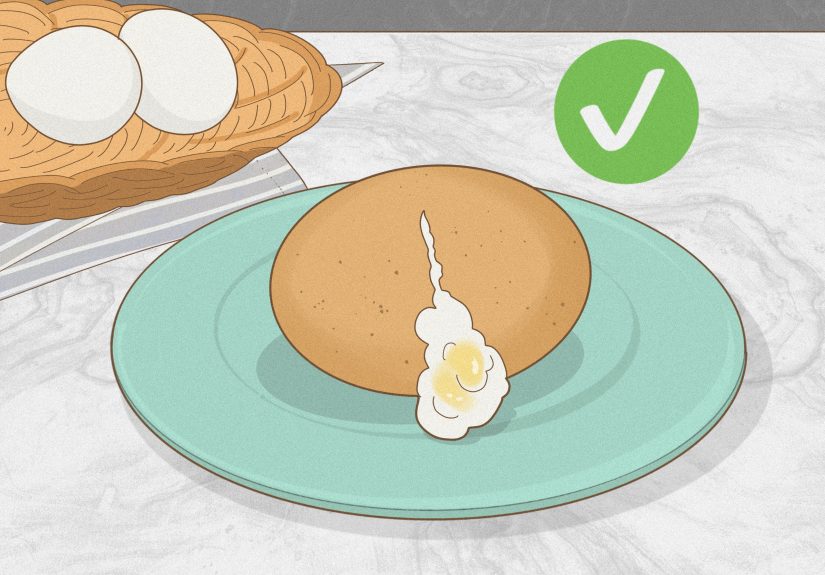
First: do not panic. A cracked egg during cooking is not always a disaster. If the shell cracks in the pot and a little white leaks out, you can usually still peel and eat the egg just fine once it is cooked. It may not win a beauty contest, but it can absolutely still join your breakfast plate.
That said, if an egg is badly cracked before cooking or leaking in the carton, it is better to use it right away in a thoroughly cooked dish rather than saving it for later. When in doubt, choose safety over frugality.
How to Store Hard-Boiled Eggs Safely
Once the eggs are cooked and cooled, refrigerate them promptly. Hard-boiled eggs should not hang around at room temperature for hours like they own the place.
- Store hard-boiled eggs in the refrigerator within 2 hours of cooking.
- Keep them in the shell if possible until you are ready to eat them.
- Use them within 1 week for best safety and quality.
- If they are already peeled, store them in a covered container and use them sooner rather than later.
If an egg smells off, feels slimy, or seems suspicious, toss it. Eggs are affordable. Food poisoning is not.
Best Uses for Perfect Hard-Boiled Eggs
Once you master crack-free eggs, you suddenly become the kind of person who casually has useful food in the fridge. It is a good feeling.
- Slice them over avocado toast
- Make classic egg salad
- Use them in potato salad or Cobb salad
- Turn them into deviled eggs
- Sprinkle with salt, pepper, and paprika for a quick snack
- Add them to lunch boxes for easy protein
Common Mistakes to Avoid
- Using too small a pot: crowded eggs crack more easily.
- Boiling too aggressively: rough water equals rough treatment.
- Skipping the ice bath: the eggs keep cooking and may peel poorly.
- Overcooking: rubbery whites and chalky yolks are not the goal.
- Leaving cooked eggs out too long: safety matters as much as texture.
Final Thoughts
Cooking hard-boiled eggs without cracking is not about luck. It is about a calm method: start with a single layer, use water to cover the eggs, heat them gently, let them finish in hot water, and cool them quickly in an ice bath. That is the formula. No wizardry required.
Once you try this approach a couple of times, it becomes second nature. You stop guessing. You stop overboiling. You stop peeling eggs that look like they survived a minor earthquake. Instead, you get neat, reliable hard-boiled eggs that are ready for breakfast, meal prep, or a snack that makes you feel oddly accomplished for someone who just boiled water.
And honestly, that is one of the best kitchen wins: simple food, done well, with no unnecessary chaos.
Kitchen Experiences and Real-Life Lessons From Making Hard-Boiled Eggs
There is a special kind of frustration that comes from boiling eggs and hearing that soft little tick from the pot. You know the sound. It is the sound of a shell giving up. Then you stare into the water and watch a ribbon of egg white float out like a tiny culinary ghost. It is not tragic, exactly, but it is annoying in a way only simple recipes can be. Nobody expects a boiled egg to become emotionally complicated.
For a lot of home cooks, the early experience with hard-boiled eggs is strangely chaotic. The water is boiling too hard because “hard-boiled” sounds like a challenge. The pot is too small because it was closer. The eggs came straight from the refrigerator because who has time to think deeply about egg feelings? And then the result is a mixed bag: two perfect eggs, three cracked ones, one mystery egg with a crater in the side, and a pot that smells faintly like sulfur and regret.
What usually changes everything is not a secret ingredient. It is slowing down. The moment you stop treating eggs like they need to survive a water park ride, they start behaving much better. A larger pot helps. A single layer helps. Turning off the heat and letting them rest instead of blasting them into oblivion helps even more. The ice bath feels a little extra the first time you do it, but after you peel a few smooth eggs with clean surfaces, it quickly starts to feel less “extra” and more “obviously correct.”
Another very real experience: the difference between eggs that are cooked well and eggs that are simply cooked long. A lot of people assume extra time equals extra certainty. In practice, it often just means dry yolks and whites with the texture of a pencil eraser. Once you hit that sweet spot where the yolk is firm but still pleasant, you realize hard-boiled eggs are not supposed to be punishment food.
Then there is the peeling phase, which deserves its own comedy special. Some eggs practically undress themselves. Others cling to the shell like they signed a lease. That is where cooling, cracking at the wide end, and peeling under water can save the day. It may not make every egg perfect, but it usually turns a frustrating chore into a manageable one.
In everyday cooking, these little improvements matter. They make meal prep faster. They make deviled eggs prettier. They make egg salad less chunky in the wrong way. And maybe most importantly, they remove the weird feeling that you are somehow losing an argument with breakfast. Once you get the method down, hard-boiled eggs become exactly what they should have been all along: easy, useful, dependable, and blissfully boring in the best possible way.