Table of Contents >> Show >> Hide
- Meet the Lentils: Who Holds Shape, Who Turns Creamy
- The Texture Levers (a.k.a. Why Lentils Sometimes Misbehave)
- Buying (and Storing) Lentils for the Texture You Want
- Do You Need to Soak Lentils?
- Liquid Strategy: “Pasta Method” vs. Absorption
- The Reliable Stovetop Method (Your Default Setting)
- How to Hit “Perfect” and Stop There
- Lentil Cooking Times by Type (Stovetop)
- Choose-Your-Texture Playbook
- Salt and Acid: The Simple Rule That Keeps You Sane
- Flavor Upgrades That Don’t Mess Up Texture
- Instant Pot / Pressure Cooker Lentils (Fast, Consistent)
- Common Mistakes (and Quick Fixes)
- Storage and Meal Prep
- Real-World Experiences: What Cooking Lentils Feels Like in an Actual Kitchen ()
- Conclusion: Lentils, Exactly the Way You Want Them
Lentils are the pantry MVP: cheap, fast, and mysteriously capable of tasting like you really have your life together. But they’re also a little picky. Cook the wrong type the wrong way and your “salad lentils” turn into “oops, soup base.” This guide shows you how to cook each common lentil typebrown, green, French (Puy), black beluga, and red/yellowso you get the exact tenderness you want every time.
Meet the Lentils: Who Holds Shape, Who Turns Creamy
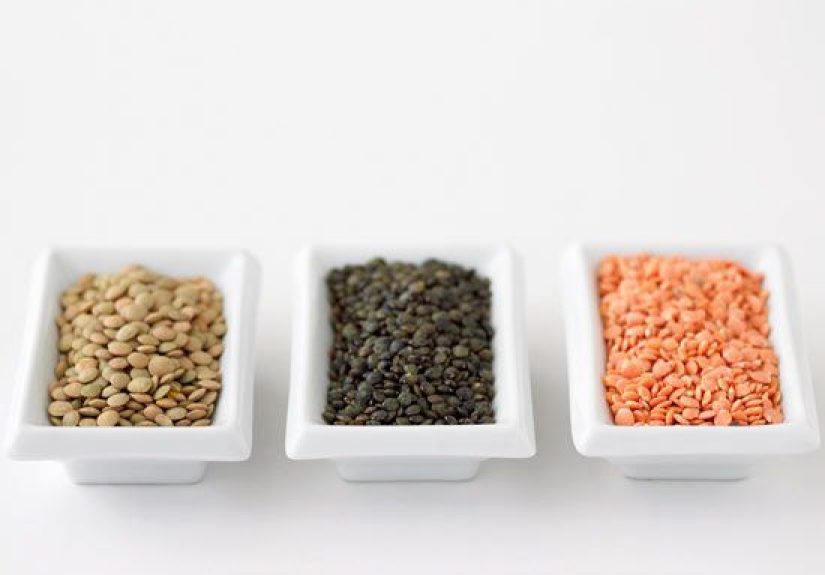
Brown lentils
Mild and versatile. They can stay intact for bowls and salads, or soften into soups and fillings when cooked longer.
Green lentils
Firmer and slightly peppery. Great when you want defined lentils that don’t collapse under dressing.
French green (Puy) lentils
Small and famously shape-holdingideal for warm salads and bistro-style sides.
Black beluga lentils
Tiny, glossy, and sturdy. They cook up firm-tender and look fancy with almost no effort.
Red and yellow lentils
Usually split and hulled, so they cook quickly and break downperfect for dal, creamy soups, and purées.
The Texture Levers (a.k.a. Why Lentils Sometimes Misbehave)
- Type: Whole lentils hold shape; split reds/yellows dissolve faster.
- Age: Older lentils can take longer and cook less evenly.
- Heat: A gentle simmer = tender lentils. A hard boil = split skins and mushy outsides.
- Liquid: Cooking in plenty of water (like pasta) gives you the most control.
- Salt + acid timing: Salt seasons; acid can slow softening if added too early.
Buying (and Storing) Lentils for the Texture You Want
Freshness matters. Lentils don’t “go bad” quickly, but older lentils can cook unevenly and stay firm in the center longer than you’d like. If you consistently get stubborn lentils, try buying from a store with high turnover or choosing a brand with a faster restock cycle. Smaller lentils (like Puy and beluga) also tend to cook more evenly than larger, flatter brown lentils.
Read the label like it owes you money. “Green lentils” can mean regular green lentils or French green (Puy)and they behave differently. If you’re cooking for salads and want neat, separate lentils, look for “French green,” “Puy,” or “beluga.” If you’re cooking for soup, “brown” or standard “green” is usually perfect.
Storage tip: Keep lentils in an airtight container in a cool, dry spot. Humidity can make them smell stale, and pantry mysteries are never the fun kind.
Do You Need to Soak Lentils?
Almost never. Lentils are small and thin-skinned compared to many beans, so they cook quickly without soaking. The one time soaking is useful is when you’re aiming for a special effect, like extra-crispy lentils for salad toppers, or when you want a slightly faster cook for very old lentils. Otherwise, rinse and go.
Liquid Strategy: “Pasta Method” vs. Absorption
Pasta method (recommended): Cook lentils in plenty of water, then drain. This gives you maximum control over texture, makes scorching unlikely, and lets you stop the cook instantly when the lentils hit your sweet spot.
Absorption method: Use a measured ratio and let lentils soak up most of the liquid. This can be great for dals and thick soups where you want the starch in the pot, but it’s less forgivingespecially for salad-style lentils.
The Reliable Stovetop Method (Your Default Setting)
1) Sort + rinse
Pick out any tiny stones (yes, really), then rinse lentils under cool water to remove dust.
2) Cook in plenty of water
Lentils are happier in abundant water than strict absorption cooking. If you want a simple starting point, use about 3 cups liquid to 1 cup dry lentils, but don’t stress: the goal is “barely covered or more,” not “perfect ratio.”
3) Boil, then simmer
Bring water (or broth) to a boil, add lentils, then immediately reduce to a gentle simmer. Partially cover and stir occasionally.
4) Taste early, stop the cook on purpose
Start tasting a few minutes before the typical time range. When the texture is right, drain for firm lentils (and spread them out to cool fast), or keep them in the pot if they’re going into soup.
How to Hit “Perfect” and Stop There
- Drain fast for firm lentils: The moment they’re done, get them out of hot water.
- Cool fast: Spread on a rimmed sheet pan so steam escapes. For very firm salads, a quick rinse with cool water is fine (just re-season afterward).
- Leave them in liquid for soups: If the goal is tender, storing or simmering in their liquid keeps them from drying out.
Lentil Cooking Times by Type (Stovetop)
Times vary by brand, age, and your definition of “simmer.” Use these ranges, then trust your spoon.
| Lentil type | Texture sweet spot | Typical simmer time | Best uses |
|---|---|---|---|
| Red / yellow (split) | Creamy, breaks down | 5–15 minutes | Dal, soups, purées, thick sauces |
| Brown (whole) | Tender with shape | 20–30 minutes | Soups, stews, tacos, veggie burgers |
| Green (whole) | Firm-tender | 25–45 minutes | Salads, bowls, side dishes |
| French green (Puy) | Neat, intact, elegant | 20–30 minutes | Warm salads, composed sides |
| Black beluga | Very firm-tender | 20–25 minutes | Meal prep, salads, pilafs |
Choose-Your-Texture Playbook
Firm but tender (salads, grain bowls)
Best lentils: Puy, beluga, green. Cook in plenty of water and drain the moment they’re tender with a slight bounce. If you’re dressing them, stop a touch earlythey soften as they sit.
Tender and cozy (soups, stews)
Best lentils: brown or green. Simmer until tender, then let them finish in the soup base. If your soup includes tomatoes or lemon, add the acidic ingredients after lentils are mostly tender to avoid slowing the softening.
Creamy on purpose (dal, purées, dips)
Best lentils: split red/yellow. Use extra liquid and stir occasionally; they’ll naturally break down into a velvety texture. Add more water/broth if the pot thickens too quickly.
Salt and Acid: The Simple Rule That Keeps You Sane
- Whole lentils: Lightly salt the cooking water or use low-sodium broth, then adjust at the end. This seasons them through without risking over-salting.
- Split red/yellow: Salt whenever; texture changes are minimal because they break down anyway.
- Acid (tomatoes, vinegar, lemon): Add near the end if you need lentils to soften quickly. Acid can lengthen the cook when added early.
Flavor Upgrades That Don’t Mess Up Texture
- Aromatics: onion, garlic, carrot, celery, bay leaf, thyme, rosemary.
- Spices: cumin, coriander, smoked paprika, turmeric, chili flakes, curry blends. Bloom in oil for bigger flavor.
- Finish strong: olive oil or butter, fresh herbs, black pepper, and your acid of choice (added at the end).
Instant Pot / Pressure Cooker Lentils (Fast, Consistent)
Pressure cookers are great when you want predictable tenderness with less babysitting. Cook times depend on the model and desired texture, but these ranges are reliable starting points:
- Whole brown/green: 8–15 minutes at high pressure (shorter for firm), then a brief natural release.
- Puy/beluga: similar, often best at the shorter end for salads.
- Split red/yellow: 3–6 minutes (they can go from creamy to paste quickly).
Common Mistakes (and Quick Fixes)
- Rolling boil: dial it back to a simmer to prevent splitting and mush.
- Not enough liquid: add more hot water; lentils shouldn’t cook dry.
- Chalky centers: keep simmering gently; time is the fix. If the dish is acidic, finish softening first, then add acid back.
- Overcooked salad lentils: pivotblend into soup, mash into patties, or stir into sauce for body.
Storage and Meal Prep
Cool drained lentils quickly (spread on a tray), then refrigerate in an airtight container for up to about a week. Freeze soups and dals for easy future meals.
Real-World Experiences: What Cooking Lentils Feels Like in an Actual Kitchen ()
Lentils are tiny, but your kitchen variables are not. The same “20–30 minutes” can land you in different outcomes depending on how enthusiastic your simmer is, how old your bag is, and whether you’re multitasking. The good news: lentils are one of the easiest foods to course-correct mid-cookif you know what to look for.
Experience #1: Salad lentils are won or lost in the last five minutes. If you want lentils that stay perky, choose a naturally sturdy type (beluga or French green). Then treat them like pasta: lots of water, gentle simmer, and a very impatient tasting schedule. Start tasting earlyaround 15 minutes for beluga and 18–20 for Puybecause carryover heat is real. When they’re tender with a slight bounce, drain immediately and spread them out so they cool fast. Piling hot lentils into a deep container traps steam, and steam is basically “extra cooking” in disguise.
Experience #2: Creamy dal has a dramatic plot twist. Split red lentils often look watery at first, then suddenly thicken like they got promoted to sauce. That shift is normal: the lentils soften, split further, and release starch into the liquid. If the pot thickens before everything is fully soft, just add more hot water or broth and keep simmering. If you’re adding tomatoes, lemon, or vinegar, hold them until the lentils have softenedacid can stretch the cook time. When it’s done, a brief whisk (or a quick blend) turns “homemade” into “restaurant-smooth.”
Experience #3: Soup lentils should be tender, not gritty. Grittiness usually means undercooked centers, often caused by boiling too hard or by adding acidic ingredients too early. The fix is boring but effective: gentle simmer, time, and enough liquid. If your soup base includes tomatoes, you can soften lentils in broth first, then stir in tomatoes after the lentils are mostly tender. It’s a small timing change that often saves 10–15 minutes of “why are you still firm?” frustration.
Experience #4: The salt debate is mostly about flavor, not tenderness. You’ll see advice to avoid salt until the end, and advice to salt early. What many cooks actually run into is this: unsalted lentils taste flat even after you season them later. A reliable compromise is to lightly salt the cooking water for whole lentils (or use low-sodium broth), then adjust at the end. For split red lentils, it’s even more forgivingsalt, taste, adjust, move on with dinner.
Experience #5: When lentils go too soft, change the job. If your belugas turned mushy, don’t toss themturn them into something intentionally creamy. Blend with olive oil, garlic, and a squeeze of lemon (added at the end) for a quick spread, or stir into marinara to make a hearty pasta sauce. And if you still want texture on top, sprinkle on toasted breadcrumbs, nuts, or even roasted chickpeas. You can’t un-mush a lentil, but you can absolutely give it a new purpose.
Once you’ve cooked lentils a few times with these “texture levers” in mindtype, simmer strength, liquid amount, and salt/acid timingyou’ll stop needing strict instructions. You’ll taste one spoonful and know what to do next. That’s the real skill: not memorizing minutes, but learning how lentils tell you what they need.
Conclusion: Lentils, Exactly the Way You Want Them
Pick the right lentil for the job (beluga/Puy for salads, brown for soups, red for dal), simmer gently, taste early, and use salt and acid with intention. Do that, and lentils go from “healthy idea” to “weekly staple” fast.