Table of Contents >> Show >> Hide
- What Are Twin Block Braces (and Why Do They Feel So Weird at First)?
- The First 72 Hours: Your “Welcome to Twin Block” Starter Pack
- Eating with Twin Block Braces (Without Turning Dinner into a Disaster Movie)
- Speaking with a Twin Block: How to Get Your Voice Back Fast
- Drool, Sore Spots, and Jaw Tiredness: Comfort Fixes That Actually Work
- Cleaning & Caring for Your Twin Block (So It Doesn’t Smell Like Regret)
- Wear Time: The One Habit That Makes Everything Easier
- School, Sports, Sleep, and Social Life
- Common Problems & Quick Fixes
- When to Call Your Orthodontist
- FAQ: Quick Answers for Real Life
- Conclusion: You’ve Got This (Even If Your Tongue Disagrees Right Now)
- Experience Corner (Extra ): What It’s Really Like Living with a Twin Block
Getting Twin Block braces is a little like moving into a new apartment… inside your mouth.
Suddenly your tongue has a roommate. Your cheeks keep bumping into furniture. And your bite?
Your bite is in a whole new zip code.
The good news: Twin Blocks are designed to be “patient-friendly” (orthodontist-speak for “we promise you’ll adapt”).
The even better news: with a few smart habits, you can eat, speak, and live your life without feeling like you’re
auditioning for a role as a medieval knight in a mouthguard.
What Are Twin Block Braces (and Why Do They Feel So Weird at First)?
A Twin Block is a removable functional orthodontic appliance made of two partsone for the upper teeth and one for the lower.
It uses angled “bite blocks” that guide your lower jaw forward, commonly to help correct a Class II bite (often an overbite).
Think of it as gentle, consistent coaching for your jaw: “A little forward… yep, right there.”
Because it changes how your teeth meet and where your jaw rests, your mouth needs a short learning period.
Most of the awkwardness is your muscles and tongue re-mapping their daily commute.
The First 72 Hours: Your “Welcome to Twin Block” Starter Pack
1) Expect extra saliva (your mouth is confused, not broken)
Saliva often ramps up at first. Your mouth thinks, “Foreign object detectedprepare the waterfall!”
This typically settles as your brain decides the appliance is not, in fact, a potato chip.
Keep water nearby and swallow normallydon’t fight it like it’s a boss battle.
2) Soreness is normal; sharp pain is not
Mild aching in cheeks, jaw muscles, or teeth can happen early onespecially when your jaw posture changes.
If you feel a sharp spot rubbing your gums or a “stabby” edge, that’s a fit issue, not a character-building exercise.
Make a note of where it hurts and call your orthodontist if it doesn’t improve quickly.
3) You’ll talk funny… briefly
Most people sound a little “lispy” at first. You’re not losing your ability to speak English; you’re just learning English 2.0
with a jaw appliance installed. Practice helpsmore on that soon.
Eating with Twin Block Braces (Without Turning Dinner into a Disaster Movie)
Here’s the big question: Do you eat with the Twin Block in? The honest answer:
follow your orthodontist’s instructions, because protocols vary.
Some practices want full-time wear including meals, while others recommend removing it for eating (especially at first
or for hard/sticky foods). Either way, the coping strategies below will save your sanity.
Phase 1: The “Soft Foods & Small Bites” Week
When chewing feels clumsy, switch to foods that don’t demand Olympic-level bite power:
- Scrambled eggs, yogurt, oatmeal, smoothies (drink with a spoon if your bite feels odd)
- Mac and cheese, soft pasta, rice bowls, soft sandwiches
- Soups (let them coolhot liquids + plastic appliances are not best friends)
- Soft fish, meatballs, shredded chicken, tofu
- Applesauce, bananas, mashed potatoes, steamed veggies
How to chew when your bite doesn’t “match” yet
- Cut everything smaller than you think you need. If you’re debating the size, go smaller.
- Chew slowly and evenly on both sides to reduce jaw fatigue.
- Avoid “front biting” (like biting into whole apples or crusty bread). Slice it first.
- Take breaks. Your jaw muscles are learning a new posture, and they complain like they’re paying rent.
Foods that are most likely to cause breakage or drama
Twin Blocks aren’t indestructible. Avoid the usual orthodontic villains:
- Sticky: gum, caramel, taffy (they cling and tug)
- Hard: nuts, hard candy, ice (breakage city)
- Chewy: bagels, tough jerky (jaw workout you didn’t request)
- Crunchy “edge” foods: popcorn kernels, chips (irritation + debris)
If you must eat out (a real-world survival guide)
- Order foods that are naturally soft: tacos with soft tortillas, rice bowls, pasta, fish, soups.
- Ask for a knifequietly. Cutting food is not embarrassing; it’s strategic.
- If you remove the appliance for meals, store it in a case (not a napkinfuture you will thank you).
Speaking with a Twin Block: How to Get Your Voice Back Fast
Practice like an athlete (but for consonants)
The fastest way to normalize speech is to use your mouth the way you normally do: talking.
Read out loud for 5–10 minutes a dayanything works: homework, a book, subtitles you’re pretending not to read.
Go slow and over-enunciate for a few days, then let your brain automate it.
Trouble sounds (and how to fix them)
- S / Z / “sh”: Slow down; keep tongue tip light and forward rather than pushing hard into acrylic.
- T / D / N: Aim the tongue to the same spot behind the front teethsmall, precise touches.
- L / R: Practice with words like “really” and “little” until the tongue stops panicking.
A quick confidence trick for school or meetings
If you’re nervous, start with shorter sentences and breathe between thoughts.
People usually notice your confidence more than your pronunciation. Also, most humans are too busy worrying about themselves to be orthodontic critics.
Drool, Sore Spots, and Jaw Tiredness: Comfort Fixes That Actually Work
Salt-water rinses for irritation
For tender spots or general mouth irritation, a warm salt-water rinse can help you feel more human.
A common mix is about 1 teaspoon of salt in 8 ounces of lukewarm water. Swish gently, then spit.
(Do not chug it like a sports drink. Your stomach did not sign up for the ocean.)
Orthodontic wax: your emergency “bumper sticker”
If a rough edge is irritating your cheek or lip, orthodontic wax can create a smooth barrier.
Dry the spot, roll a small piece of wax between clean fingers, and press it where it rubs.
Wax is great for temporary comfortif the appliance keeps rubbing the same area, your orthodontist may need to adjust it.
Jaw fatigue tips (especially after school)
- Choose softer dinner foods on high-fatigue days (yes, “twin block tired” is a real vibe).
- Try a warm compress on the jaw muscles for 10 minutes.
- If your orthodontist approves, use an OTC pain reliever as directed on the label.
Cleaning & Caring for Your Twin Block (So It Doesn’t Smell Like Regret)
Twin Blocks are removable, which is fantastic for hygieneif you actually clean them.
Here’s a simple routine that works for most people (and keeps bacteria from throwing a party on your appliance).
Daily cleaning: quick and consistent
- Rinse with lukewarm water whenever you remove it. Avoid hot waterheat can warp acrylic.
- Brush the appliance with a dedicated toothbrush. Many orthodontic guides recommend mild soap for removable appliances;
some orthodontists prefer toothpaste for Twin Blocks specificallyfollow your office’s instructions. - Brush and floss your teeth before reinserting. Food trapped under acrylic is a fast track to plaque and bad breath.
Weekly deep clean (the “freshen up” move)
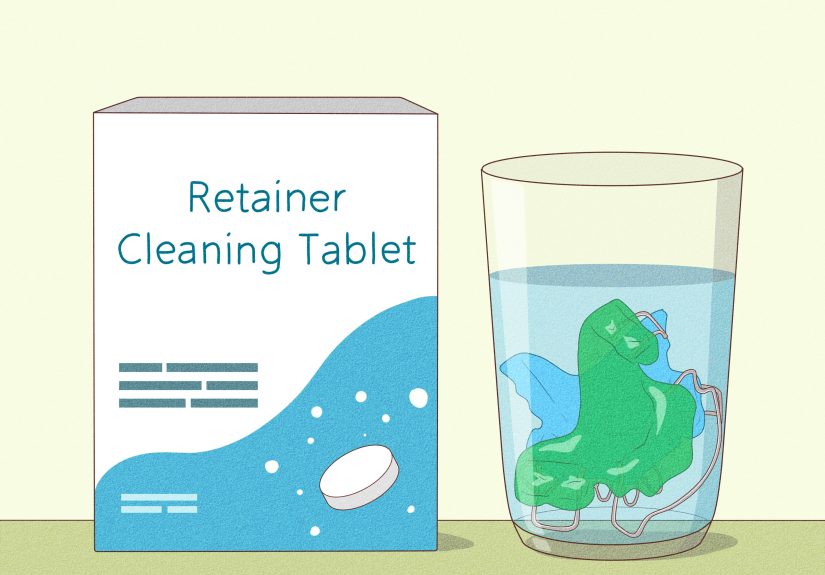
Use a retainer/appliance cleaning tablet or solution about once a week (again, follow your orthodontist’s preferences,
especially if your Twin Block has metal components).
Rinse thoroughly before putting it back in your mouth.
Storage rules (aka “how appliances get lost”)
- Always use a case. Napkins are basically “throw me away” signs.
- Keep it away from heat (hot cars, radiators, steaming sinks).
- Beware pets. Dogs treat orthodontic appliances like a chew toy with bonus human flavor.
Wear Time: The One Habit That Makes Everything Easier
Most Twin Block plans require heavy wear timeoften close to full-time.
The more consistently you wear it, the faster your mouth adapts and the more predictable your results are.
If you “forget” it for hours, it may feel tight and uncomfortable when you put it back inlike your teeth are saying,
“Oh, so now you’re back?”
If your orthodontist allows you to remove it for meals or sports, do it intentionally and put it back in promptly.
Consistency matters more than perfection.
School, Sports, Sleep, and Social Life
At school
- Pack a case, travel toothbrush, and water.
- If you remove it at lunch, clean your teeth (or at least rinse well) before reinserting.
- Practice speaking in the morning so you feel confident by first period.
Sports
Many orthodontists recommend removing removable appliances for contact sports and using a properly fitted mouthguard.
If you’re unsure, ask your orthodontic office what they prefer for your activity.
Sleep
Sleeping with a Twin Block can feel strange for a few nights.
Try sleeping on your back or side with your jaw relaxed. If you clench, focus on slow breathing and unclenching before drifting off.
Most people adapt quickly once the “new normal” kicks in.
Common Problems & Quick Fixes
“It feels loose.”
A small amount of movement can be normal, but a noticeably loose fit or clicking that’s new should be checked.
Don’t adjust wires yourselfcall your orthodontist.
“It hurts in one sharp spot.”
Use wax as a temporary buffer and call the office for an adjustment if it persists.
A Twin Block should not be carving your gums like a tiny plastic snowboard.
“I can’t stop gagging.”
This often improves as your tongue adapts. Practice short wear intervals (if your orthodontist approves),
breathe through your nose, and distract yourself (music helps). If gagging is intense or ongoing, your appliance may need modification.
“My appliance smells.”
That’s usually a cleaning issue. Increase daily brushing of the appliance, rinse after removal,
and add a weekly tablet soak if approved by your orthodontist. Clean the case too.
When to Call Your Orthodontist
- Persistent sore spots, ulcers, or bleeding areas that don’t improve
- Cracks, broken acrylic, bent wires, or an appliance that won’t seat properly
- Sudden changes in fit after you’ve been wearing it consistently
- Lost appliance (the sooner you act, the easier it is to stay on track)
FAQ: Quick Answers for Real Life
How long does it take to get used to Twin Block braces?
Many people feel noticeably better within a week, with continued improvements over a couple of weeks as chewing and speech normalize.
Consistent wear speeds up the adjustment curve.
Can I drink coffee or soda with it in?
Water is safest. Sugary or acidic drinks increase cavity risk, and hot drinks can be a concern for acrylic. If you do drink anything besides water,
rinse afterward and follow your orthodontist’s guidance.
What if I forget to wear it?
Put it back in as soon as you remember. If it feels tight, that’s a sign you need more consistency.
Don’t “power through” painif it won’t fit, call your orthodontist.
Conclusion: You’ve Got This (Even If Your Tongue Disagrees Right Now)
Twin Block braces can feel awkward at first, but they’re a temporary phase with a very real purpose:
guiding jaw growth and improving your bite. The coping formula is simple:
eat smart, practice speech, clean like you mean it, and wear it consistently.
And remember: the first week is the weirdest. After that, you’ll catch yourself talking normally and chewing without thinking
which is the ultimate sign you’ve officially become a Twin Block pro.
Experience Corner (Extra ): What It’s Really Like Living with a Twin Block
Let’s talk about the stuff people don’t always say out loudmostly because they’re busy learning how to pronounce “statistics”
without sounding like a sprinkler. The first day often feels like your mouth is hosting a surprise party you didn’t plan.
You put the Twin Block in, close your teeth, and your brain immediately goes, “So… we live like this now?”
It’s normal to feel clumsy while eating, especially when the bite blocks change where your teeth meet. Many patients say the
fastest win is switching from “biting” to “slicing.” Pizza? Cut it. Burgers? Cut it. Pancakes? Honestly, you’re finepancakes are the hero food.
Speech is the other big moment. People often notice that certain soundsespecially S, Z, and “sh”get weird first.
The secret weapon is reading out loud when nobody’s grading you. A few minutes a day works better than one dramatic,
hour-long “training montage” where you recite the dictionary like you’re preparing for an audition.
Some kids swear by practicing in the car, because you can talk as much as you want and nobody can escape.
If you’re an adult wearing a Twin Block, the best trick is to slow down in meetings and take tiny pauses.
Most listeners won’t care about a temporary lisp; they’ll care if you rush and mumble because you feel self-conscious.
Then there’s the “saliva phase.” People describe it like turning on a faucet you can’t find the handle for.
A water bottle helps, but the real comfort is knowing it usually fades as your mouth adapts.
If you get sore spots, orthodontic wax becomes your best friendthe kind of friend who doesn’t text back but always shows up when you need them.
A lot of people learn a simple rhythm: wax for immediate relief, then call the orthodontist if the same spot keeps rubbing.
You don’t get bonus points for suffering; you get better results by wearing the appliance comfortably.
Real life also includes forgetting the case once. Almost everyone does it.
That’s when appliances get wrapped in napkins, placed on trays, and accidentally launched into the trash like a sad magic trick.
A good habit is keeping a spare case in a backpack, sports bag, or desk drawer.
Another surprisingly common experience: pets. Dogs love Twin Blocks with the passion of a thousand suns.
If you have a dog, treat your appliance like steak you’re not allowed to eatalways in a case, always out of reach.
The long-game experience is actually encouraging: most people report that after the first couple of weeks,
they stop thinking about it constantly. Chewing gets smoother, speech returns, and the appliance becomes part of the routinelike glasses or a watch.
The biggest difference between “this is awful” and “this is manageable” is consistency.
When you wear it as directed, it fits better, feels less tight, and you adapt faster.
In other words: your Twin Block isn’t trying to ruin your life. It’s trying to upgrade your bite.
Your job is simply to show up, wear it, clean it, and let time do the rest.