Table of Contents >> Show >> Hide
- Before You Start: Prerequisites for a Roundoff Back Handspring
- How to Do a Roundoff Back Handspring: 15 Steps
- Warm up like you mean it
- Use the right setup
- Start with a controlled run and hurdle
- Reach long into the roundoff
- Snap your legs together through the handstand phase
- Snap down to your feet with a rebound position
- Set the rebound up, not out
- Sit back slightly with your arms by your ears
- Jump backward with your whole body tight
- Open through the shoulders as you travel
- Place your hands shoulder-width apart
- Block through your shoulders and hands
- Snap your legs down fast
- Finish tall with soft knees and lifted chest
- Connect the rhythm until it feels automatic
- Common Mistakes and How to Fix Them
- Best Drills for a Better Roundoff Back Handspring
- How Long Does It Take to Learn?
- Final Thoughts
- Experience on the Mat: What Learning This Skill Really Feels Like
- SEO Tags
If gymnastics skills had movie trailers, the roundoff back handspring would get the dramatic voice-over. It is fast, powerful, and just flashy enough to make everyone nearby pretend they were not watching when they absolutely were. But this skill is not magic, and it is definitely not a “just throw yourself and see what happens” situation. A strong roundoff back handspring is built on shapes, timing, rebound, shoulder mobility, and a whole lot of smart repetition.
If you want to learn how to do a roundoff back handspring, the good news is that the skill can be broken down into clear parts. The better news is that once those parts start working together, the pass feels less like chaos and more like choreography with attitude. This guide walks through the movement in 15 practical steps, plus common mistakes, drills, and real-world experience notes that make the process feel much more human.
Important note: This is an advanced tumbling skill. Do not practice it alone, on a hard surface, or without a qualified coach or spotter. Your future wrists, shoulders, and lower back would like a word.
Before You Start: Prerequisites for a Roundoff Back Handspring
Before you chase the full skill, make sure the basics are in place. A roundoff back handspring depends on strong body positions and clean fundamentals. If your roundoff lands like a collapsing lawn chair, the back handspring that follows will probably not be your finest work either.
You should be comfortable with:
- A solid roundoff with a fast snap-down and two-foot landing
- Handstand control and straight-arm support
- Backbend or bridge flexibility, especially through the shoulders
- Back walkover or similar backward tumbling progressions
- Basic rebound mechanics, including jumping up out of a snap-down
- Core tension in hollow and arch positions
Think of these prerequisites as your backstage crew. They do not get the applause, but the whole show falls apart without them.
How to Do a Roundoff Back Handspring: 15 Steps
Warm up like you mean it
Start with a full dynamic warm-up. Focus on wrists, shoulders, core, ankles, hip flexors, and thoracic spine mobility. Do light cardio, jumping drills, shoulder openers, bridges or elevated bridges, hollow holds, arch holds, and handstand-based drills. The goal is not to get tired before tumbling. The goal is to get ready.
Use the right setup
Practice on a spring floor or another coach-approved surface with mats and a spotter. A wedge, barrel, resi mat, or smart spotter can make the progression safer and cleaner. This is not the moment for a random patch of grass, a living room rug, or “my cousin said it looked easy.”
Start with a controlled run and hurdle
Approach with enough speed to create power, but not so much that you lose posture. Your hurdle should be quick and lifted, not a desperate leap into the unknown. Keep your chest tall and your arms active as you enter the roundoff.
Reach long into the roundoff
Place your hands confidently and keep your arms straight. Think about reaching through your shoulders instead of collapsing into them. The roundoff should travel forward with length and control, not dive downward like you are trying to inspect the floor up close.
Snap your legs together through the handstand phase
As your body inverts, squeeze your legs together and pass through a tight, straight line. This is where a lazy roundoff becomes obvious. A clean leg snap creates speed, direction, and rhythm for the next skill. Tight legs are your friend here. Bent knees are not invited.
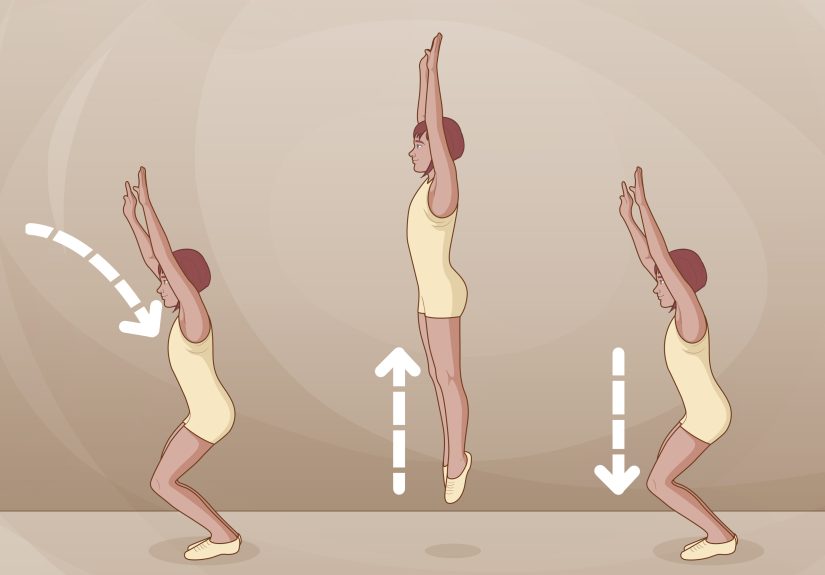
Snap down to your feet with a rebound position
Land the roundoff on both feet together with your chest lifted and your arms rising. You want a quick snap-down into the floor so the floor can give energy back to you. The landing should feel springy, not heavy. A good cue is “land and bounce,” not “land and rethink your life choices.”
Set the rebound up, not out
One of the biggest mistakes in a roundoff back handspring is throwing the chest forward or traveling too much horizontally. The rebound after the roundoff should rise through the ankles, knees, and hips. You are building lift and timing, not sprinting into the next problem.
Sit back slightly with your arms by your ears
After the rebound, let your hips sit back just enough to create the takeoff angle for the back handspring. This is a small, athletic sit, not a deep squat. Your arms should stay tight by your ears. If they fly out to the sides, the skill gets messy fast.
Jump backward with your whole body tight
Push through your legs and drive backward. Think long, not low. Your body should stay connected from fingertips to toes. A roundoff back handspring works best when the athlete jumps back with confidence and tension instead of crumpling backward like a folding beach chair.
Open through the shoulders as you travel
Your shoulders need to stay open so your hands can reach the floor behind you while your body remains long. If you throw your head back or bend your arms early, you make the skill shorter, heavier, and harder to block. Keep your gaze neutral and let the shoulders do their job.
Place your hands shoulder-width apart
As your hands contact the floor, keep them firm and aligned under strong shoulders. Straight arms matter. A bent-arm back handspring usually feels slower, lower, and much less secure. You want to arrive on your hands in a shape that can support force, not negotiate with it.
Block through your shoulders and hands
Do not just let your hands touch the floor and hope for the best. Push through the floor. This blocking action helps transfer momentum back upward and backward. Think of your shoulders as active springs, not decorative accessories.
Snap your legs down fast
As you come off your hands, bring your feet down quickly and together. The faster and tighter this snap is, the more powerful the finish becomes. Slow legs usually mean dead energy. Fast legs make the skill look connected and ready for whatever comes next.
Finish tall with soft knees and lifted chest
Land with your feet under you, knees soft, chest up, and arms finishing high. Avoid landing with your chest collapsed or your hips behind you. A clean finish gives you control, safety, and the option to connect into another skill later.
Connect the rhythm until it feels automatic
The roundoff and the back handspring should eventually feel like one flowing phrase instead of two separate skills awkwardly introduced at a party. Practice the timing: roundoff, snap-down, rebound, jump back, block, snap down, finish. When the rhythm is right, the skill becomes faster, cleaner, and a lot more satisfying.
Common Mistakes and How to Fix Them
1. The roundoff is too slow
If the roundoff drags, the back handspring has no real fuel. Fix it with handstand snap-down drills, stronger hurdle mechanics, and a tighter leg squeeze through the turnover.
2. The athlete sits too low before the back handspring
A tiny sit is helpful. A deep squat is not. Too much sitting kills rebound and forces the skill backward with less power. Think “sit and go,” not “prepare for invisible chair.”
3. The head gets thrown back
This often causes an arched, broken shape and poor hand placement. Keep the neck neutral and the arms glued by the ears. Let the chest open through the shoulders rather than the face trying to spot the ceiling.
4. Bent arms on contact
Bent arms absorb power instead of redirecting it. Build better support with handstands, shoulder pops, push-up holds, and spotted back handspring drills over a barrel or wedge.
5. The skill travels too far backward
This usually comes from a low rebound or a panicked jump back. Focus on punching up out of the roundoff first. Height gives the skill time. Time makes technique much less dramatic.
Best Drills for a Better Roundoff Back Handspring
- Handstand snap-downs: Great for learning the fast feet and rebound feeling out of the roundoff.
- Bridge rocks and elevated bridges: Helpful for shoulder flexibility and comfort in the open shape.
- Jump-back to stacked mats or a smart spotter: Teaches the takeoff shape without requiring the full skill.
- Back handsprings over a barrel or wedge: Builds confidence in the backward travel and hand support phase.
- Rebound drills: Straight jumps, punch rebounds, and snap-down rebounds improve connection and rhythm.
- Handstand pops and shoulder blocks: Useful for teaching active push through the floor instead of passive collapsing.
How Long Does It Take to Learn?
That depends on your strength, flexibility, coordination, fear level, coaching, and how solid your prerequisites are. Some athletes pick up the connection quickly after already having a strong roundoff and standing back handspring progressions. Others need more time because the mental side of going backward is real. Very real. “My brain has left the chat” is a common stage in tumbling.
The smartest approach is not rushing. A roundoff back handspring learned with good technique is much more valuable than one learned fast and spent months fixing later. Sloppy shortcuts have a way of charging interest.
Final Thoughts
Learning how to do a roundoff back handspring is really about learning how to connect power with precision. The roundoff creates speed. The rebound redirects that speed. The back handspring turns it into flight. When those pieces line up, the skill feels smooth, strong, and surprisingly fun.
So yes, the roundoff back handspring looks impressive. But the real secret is less glamorous: warm up properly, master the shapes, respect the progressions, and practice with intention. Do that, and your “15 steps” become less of a checklist and more of a launch sequence.
Experience on the Mat: What Learning This Skill Really Feels Like
The experience of learning a roundoff back handspring is rarely as neat as a highlight reel makes it look. In real life, it usually starts with excitement, then turns into confusion, then briefly becomes fear, and finally settles into that magical zone where the body starts understanding what the coach has been saying for three weeks. One day you hear, “Snap down faster,” and it sounds like a mysterious ancient riddle. Then suddenly your feet whip under you the right way, and you realize the riddle was actually just your legs being late to the party.
A lot of athletes say the strangest part is how different the skill feels from how it looks. From the outside, a roundoff back handspring seems fast and effortless. From the inside, the early attempts can feel like a blur of arms, floor, air, panic, and a coach yelling something useful that your brain stores in a folder called “maybe later.” That is normal. Tumbling skills often click in layers. First you understand the entry. Then the rebound. Then the jump back. Then the hand contact. Then the finish. Eventually the pieces stop arguing and start cooperating.
Another common experience is the mental block phase. This is the stage where an athlete is physically capable of the skill but mentally treats it like a suspicious business deal. The body hesitates, the arms separate, the sit gets weird, or the jump turns into a half-commitment. It happens to beginners, team gymnasts, cheer athletes, and sometimes people who looked fearless five minutes earlier. Confidence in this skill usually grows from good drills, trusted spotting, and lots of successful repetitions that feel safe and repeatable.
There is also the moment when the roundoff itself becomes the hero of the story. Many athletes begin by obsessing over the back handspring portion, only to discover that the real upgrade comes from fixing the roundoff snap-down and rebound. Once the roundoff lands with power and the chest stays lifted, the back handspring suddenly feels less forced. Coaches love this realization because it means progress starts accelerating. Athletes love it because the skill finally stops feeling like an ambush.
The first truly good roundoff back handspring is memorable for another reason: it feels lighter. Not easy, exactly, but lighter. The hands hit the floor without a crash. The shoulders block instead of buckle. The feet land under the body instead of somewhere in the next ZIP code. Most athletes know immediately when they get a real one. It has rhythm. It has pop. It has that “ohhh, that is what you meant” feeling.
Over time, the experience shifts again. What once felt terrifying becomes a warm-up pass. The athlete starts noticing details like tighter knees, better hand placement, faster snap-down, or cleaner direction. That is usually when the skill goes from being something you can do to something you can actually use. And that is the real goal. Not one lucky attempt. Not one dramatic save. A dependable, technically sound roundoff back handspring that feels strong enough to repeat on purpose.