Table of Contents >> Show >> Hide
- First: Should You Express Your Cat’s Anal Glands at Home?
- Signs Your Cat Might Need Anal Gland Help
- What You’ll Need (AKA Your “Smell Happens” Kit)
- How to Express a Cat’s Anal Glands: 8 Simple Steps
- Step 1: Set the scene (and protect your dignity)
- Step 2: Keep your cat calm and safely restrained
- Step 3: Lift the tail and locate the sacs
- Step 4: Place a paper towel “shield”
- Step 5: Use the correct finger placement
- Step 6: Press inward and upwardslowly
- Step 7: Stop at “empty,” not “perfect”
- Step 8: Clean up, reward, and monitor
- What’s “Normal” vs. “Nope” With Anal Gland Fluid?
- Why Do Some Cats Get Anal Gland Problems?
- Prevention and Long-Term Management (Because Nobody Wants a Sequel)
- FAQ: Quick Answers to Common (and Fair) Questions
- Common Mistakes to Avoid (Learn From Other People’s Chaos)
- Real-World Experiences: What It’s Actually Like (500+ Words)
- Conclusion
If you’ve ever been hit with a sudden fishy funk that seems to appear out of nowherecongratulations:
you may have just met your cat’s anal glands. (Not the meet-cute anyone asked for, but here we are.)
Anal glandsmore accurately called anal sacsare tiny pouches that sit just inside the anus at
roughly the 4 o’clock and 8 o’clock positions. They hold a strong-smelling fluid
that usually empties naturally during bowel movements. Most cats go their whole lives without needing any help.
But when those sacs don’t empty well, they can become impacted, irritated, or infectedand your cat will let you
know in the least subtle ways possible.
This guide walks you through a safe, beginner-friendly, external expression method in
8 simple steps, plus the “do not pass go” warning signs that mean it’s time for a veterinarian.
We’ll keep it real, keep it kind to your cat, and yeskeep paper towels within sprinting distance.
First: Should You Express Your Cat’s Anal Glands at Home?
Let’s be honest: “DIY anal gland expression” sounds like a weird home improvement project. And in many cases,
it shouldn’t be a home project at all.
When home expression may be reasonable
- Your veterinarian or a professional groomer has shown you how (in person) and said your cat is a good candidate.
- Your cat has a history of mild impactions and you’re following a vet-approved plan.
- Your cat is calm enough to handle brief restraint without panic.
When you should NOT do it yourself
Skip the DIY route and call a vet if you see any of the following:
- Swelling beside the anus (one-sided swelling can suggest abscess or tumor).
- Redness, heat, open sores, bleeding, or pus.
- Severe pain (growling, yowling, snapping, or trying to bite when you approach the area).
- Fever, lethargy, hiding, loss of appetite, or sudden behavior changes.
- A visible hole/draining tract near the anus (possible rupture).
- Chronic constipation, straining, or difficulty urinating (can mimic anal sac issues and needs a diagnosis).
Important safety note: This article describes external expression only. Do not insert fingers into
your cat’s rectum (“internal expression”) unless you are a trained veterinary professional. Cats are small, the
anatomy is delicate, and a “tiny mistake” can become a “big vet bill.”
Signs Your Cat Might Need Anal Gland Help
Cats don’t usually scoot as dramatically as dogs, but they’re still capable of turning your carpet into a runway
for butt-based interpretive dance. Common signs include:
- Scooting (dragging the rear on the floor).
- Excessive licking under the tail or around the anus.
- Sudden fishy odor that seems to cling to everything you love.
- Discomfort when sitting or a “don’t touch my back end” attitude.
- Straining or discomfort during bowel movements.
- Small wet spots where your cat sat (rare, but possible).
These signs can also come from other issuesparasites, allergies, skin infections, diarrhea, constipation, urinary
problemsso if it’s new or persistent, a veterinary exam matters.
What You’ll Need (AKA Your “Smell Happens” Kit)
- Disposable gloves (nitrile is great).
- Paper towels or soft gauze pads.
- Unscented pet wipes or a warm, damp washcloth.
- A towel for “the purrito wrap” (gentle restraint).
- A helper (highly recommendedcats have opinions).
- Optional: a mask (not for germs… for morale).
- Optional: a shower/tub or easy-to-clean surface.
- Treats (bribery is a love language).
Pro tip: choose a location that’s easy to clean. The fluid can stain fabrics and the smell can haunt upholstery.
Bathrooms are ideal. Carpets are… brave.
How to Express a Cat’s Anal Glands: 8 Simple Steps
This is the external method, meaning you’re applying gentle pressure from outside the body to
encourage the sacs to empty through their tiny ducts. It should never require force.
Step 1: Set the scene (and protect your dignity)
Put on gloves. Tear off a few paper towels before you start. Place your cat in the tub, shower, or on a washable
surface. Keep wipes and treats within reach. If you have a helper, assign roles:
Holder and Expresser.
Step 2: Keep your cat calm and safely restrained
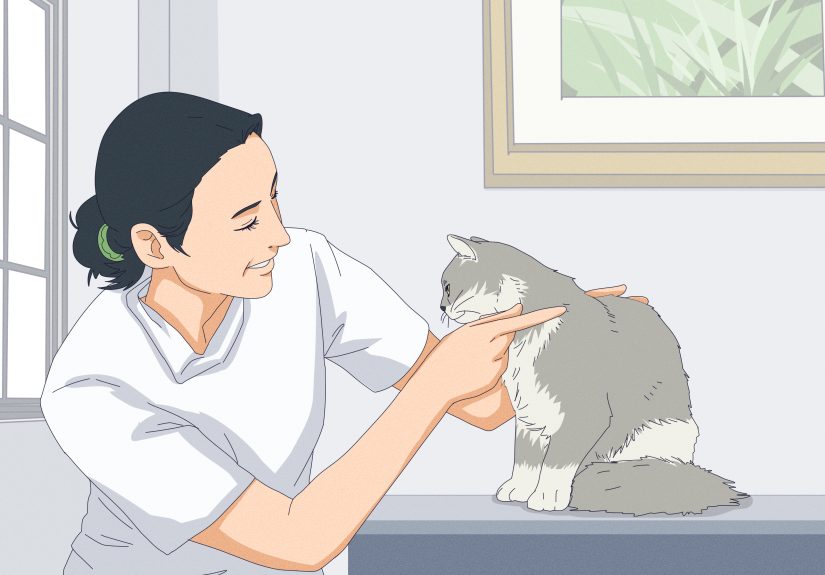
Most cats do best with gentle restraint. A towel wrap can prevent sudden escapes and surprise scratches.
Wrap the towel snugly around the body (like a burrito), leaving the tail end accessible.
Your helper should hold your cat against their body, supporting the chest and keeping the head away from the action.
If your cat is panicking, stop. Stress can turn a simple task into a safety hazard for both of you.
It’s okay to choose the professional routeyour relationship will thank you.
Step 3: Lift the tail and locate the sacs
Gently lift the tail straight up. The anal sacs sit under the skin on either side of the anus at about
4 o’clock and 8 o’clock. In a cat that needs expression, they may feel like
tiny peas or firm little bumps. Sometimes they’re subtlecats don’t always give you a convenient “here I am” lump.
Step 4: Place a paper towel “shield”
Hold a folded paper towel over the anus area (without blocking it completely). This helps catch fluid, reduces
splash risk, and keeps the experience slightly less… cinematic.
Step 5: Use the correct finger placement
Using your thumb and index finger, place your fingertips on either side of the anus where the sacs sit
(again: about 4 and 8 o’clock). You are pressing on the sacs through the skin.
Pressure should be gentle and controlled. Think “checking a ripe peach,” not “trying to crush a
walnut.” If you feel yourself wanting to use more force, stop and call your vet.
Step 6: Press inward and upwardslowly
Apply gentle pressure inward (toward the anus) and slightly upward. Hold for a
moment, then release. Repeat a few times. If the sacs are impacted but not infected, you may see a small amount of
fluid expressed onto the paper towel. The fluid can vary in color and consistencylight brown, yellowish, grayish,
watery, thick, or pastybecause “normal” has a wide range.
If nothing comes out after a few gentle attempts, stop. Impaction can be too thick to express at home and may
require professional expression and sometimes flushing or medication.
Step 7: Stop at “empty,” not “perfect”
You’re aiming to relieve pressurenot to win a cleanliness award from a cat who licks their own butt.
Once you get a small release and the sacs feel less full, stop. Over-expressing can irritate the ducts and tissue.
If you keep squeezing just because you can, your cat will remember. Possibly forever.
Step 8: Clean up, reward, and monitor
Wipe the area gently with a damp cloth or unscented pet wipe. Dispose of gloves and paper towels immediately.
Offer treats, praise, and a calm exit strategy (open the door, don’t chase the catlet them leave with dignity).
Over the next 24–48 hours, watch for worsening redness, swelling, pain, limping, hiding, or ongoing scooting.
If symptoms persist, schedule a veterinary exam. Recurrent issues often mean there’s an underlying cause worth
addressing.
What’s “Normal” vs. “Nope” With Anal Gland Fluid?
Often normal (though unpleasant)
- Brownish to yellowish fluid
- Thin to moderately thick consistency
- Strong odor (yes, fishy is common)
- Small volume (a little goes a long way)
Concerningcall your vet
- Blood or bloody discharge
- Pus (thick, yellow/green, foul beyond the usual)
- Gritty or chunky material plus pain
- Swelling or a firm mass near the anus
- Sudden strong pain or yowling during/after
Anal sac disease can include impaction, inflammation (sacculitis), abscessation, and (rarely) tumors. If you’re
seeing the “concerning” list, don’t wait it out.
Why Do Some Cats Get Anal Gland Problems?
Anal glands typically empty when firm stool passes and applies pressure. When that system doesn’t work well, sacs
can overfill or become impacted. Factors that can contribute include:
- Soft stool or diarrhea (less pressure to empty sacs).
- Obesity or poor muscle tone (mechanical emptying may be less effective).
- Allergies or skin inflammation around the rear end.
- Chronic constipation or straining issues.
- Anatomy (some cats just have narrower ducts or “sticky” secretions).
The key point: recurring anal gland issues are often a symptom, not the whole story. A vet can help identify
whether diet changes, parasite control, allergy management, or GI treatment would reduce recurrences.
Prevention and Long-Term Management (Because Nobody Wants a Sequel)
1) Support healthy stool
Since firm stool helps natural expression, talk with your vet about nutrition, hydration, and managing diarrhea
or constipation. If your cat has recurring soft stool, treat the cause rather than squeezing glands forever.
2) Address itch and inflammation
Cats with allergies or skin irritation may lick excessively and inflame the area, increasing discomfort and
complicating anal sac function. If licking is a pattern, don’t assume it’s “just grooming.”
3) Maintain a healthy body weight
Weight management supports overall mobility, muscle tone, and grooming patterns. It’s not a magic fix, but it can
reduce strain on a lot of systemsincluding the “back end department.”
4) Don’t over-express
Routine expression “just because” isn’t necessary for most cats. Overdoing it can irritate tissue and may make the
ducts more reactive. Follow your veterinarian’s guidance for frequency.
FAQ: Quick Answers to Common (and Fair) Questions
Does expressing anal glands hurt my cat?
It shouldn’t be painful when done gently and when the issue is mild impaction. Pain suggests inflammation,
infection, abscess, or improper techniquestop and seek veterinary care.
How often should anal glands be expressed?
There’s no one-size schedule. Many cats never need it. Cats with recurring impaction may need occasional
expression under a vet’s plan. If you’re expressing frequently, it’s time to investigate underlying causes.
Why does my cat smell fishy all of a sudden?
Cats can release anal sac fluid during stress, fear, or surprise. But repeated odors, scooting, or licking suggest
anal sac disease or irritation that should be evaluated.
Can a groomer do this?
Some professional groomers offer external expression, but cats are harder to handle than dogs and the glands are
smaller. For cats, veterinary clinics are often the safest optionespecially if there’s pain or swelling.
Common Mistakes to Avoid (Learn From Other People’s Chaos)
- Using too much pressure: If you have to squeeze hard, you’re doing it wrongor it’s not a DIY case.
- Attempting internal expression: Not a home technique. Don’t insert anything.
- Skipping the vet when signs are severe: Abscesses can rupture and infections can worsen quickly.
- Trying to do it solo with a spicy cat: Two people is safer. One to hold, one to express.
- Doing it on carpet: This is how rugs get rehomed.
Real-World Experiences: What It’s Actually Like (500+ Words)
Here’s the part nobody includes in the clinical brochures: expressing a cat’s anal glands is less like a neat
“8-step craft project” and more like trying to perform a tiny, smelly magic trick while your assistant actively
questions your life choices.
Many cat owners first realize something’s up when the cat starts licking obsessively under the tail. At first, it
looks like normal groomingcats are famously meticulous. But then you notice it’s targeted grooming:
quick checks, sudden stops, and a “don’t look at me” shuffle away. Some people describe their cat hopping off the
couch and immediately turning around to lick, like they’re chasing an itch they can’t quite reach.
Then comes the smell. Owners often say it’s “fishy,” but that word doesn’t capture the full personality of anal
sac odor. It’s fishy, yesplus a weird metallic sharpness that seems to glue itself to blankets and furniture.
One of the most common experiences is thinking the smell is coming from litter or a dirty box… only to realize the
box is innocent and the cat is the culprit. The moment you figure it out can be emotionally complex.
If you’ve been shown the technique by a veterinarian, the next big hurdle is your cat’s tolerance. Some cats are
surprisingly chill when wrapped in a towel and handled calmly. Others act like you’ve announced your intention to
ruin their entire brand. Owners often report that the helper role is harder than it sounds: holding the cat isn’t
about strengthit’s about steady confidence. A nervous handler creates a nervous cat, and a nervous cat creates a
new level of “wiggle physics” that scientists should study.
The most frequent “I wish someone told me” detail is this: sometimes nothing happens. You do the gentle inward-and-up
pressure, you wait, you repeatno fluid. That doesn’t mean you failed. It can mean the sacs weren’t the issue,
weren’t full, or the contents were too thick to express externally. Many owners learn (the hard way) that forcing
it only makes the area irritated and the cat less cooperative next time. A good outcome is often “we tried gently,
stopped, and booked the vet.” That’s not quitting; that’s competence.
When expression does work, owners often describe a tiny amount of fluid with an outsized impact. It can be watery
or thick; it can show up as a small smear or a sudden little spurt onto the paper towel. The first time it happens,
people tend to freeze for half a secondpart surprise, part victory, part “how is something so small so loud-smelling?”
Cleanup becomes the immediate focus, and most owners become converts to the “do it in the tub” philosophy.
Afterward, many cats bolt like they’ve been personally offended by gravity. Others act relievedless licking, more
normal sitting, and a quick return to being in charge. Owners often say the biggest long-term lesson is that anal
gland problems are usually connected to bigger patterns: soft stools, repeated diarrhea, allergies, or stress.
The most successful stories don’t end with “so I expressed them every month forever.” They end with “we treated the
underlying GI issue” or “we changed diet and managed allergies,” and the anal gland drama faded into the background
where it belongs.
Bottom line (yes, pun intended): if you’re calm, gentle, and realistic about your limits, this can be manageable
for some cats. If you’re forcing it, fighting your cat, or seeing pain and swelling, the best experience you can
give both of you is a professional exam. Your cat gets relief. You keep your fingers. Everyone wins.
Conclusion
Expressing a cat’s anal glands can be safe in select casesespecially when your veterinarian has shown you
how and your cat is calm enough to tolerate gentle handling. The winning formula is simple:
external technique, light pressure, stop early, and call the vet when anything looks painful or abnormal.
If you take only one thing from this article, let it be this: anal glands are small, but the consequences of doing
too much can be big. When in doubt, let a veterinary professional handle the stinky stuff.