Table of Contents >> Show >> Hide
Exposed electrical wires are not only unsightly but can be a serious safety hazard. Whether you’ve noticed a wire hanging out of a wall or an old electrical line that’s been worn down over time, it’s crucial to address the issue promptly to prevent potential accidents. Fortunately, fixing exposed electrical wires doesn’t require a degree in electrical engineering. With the right tools and a bit of patience, you can tackle this problem yourself. Here are three easy options to fix exposed electrical wires safely and effectively.
Why Is Fixing Exposed Electrical Wire Important?
Before diving into the repair process, it’s important to understand why fixing exposed electrical wires is essential. Exposed wires pose several risks, including:
- Electrical Shock: Any exposed wire can cause a dangerous shock if touched, especially when wires are live.
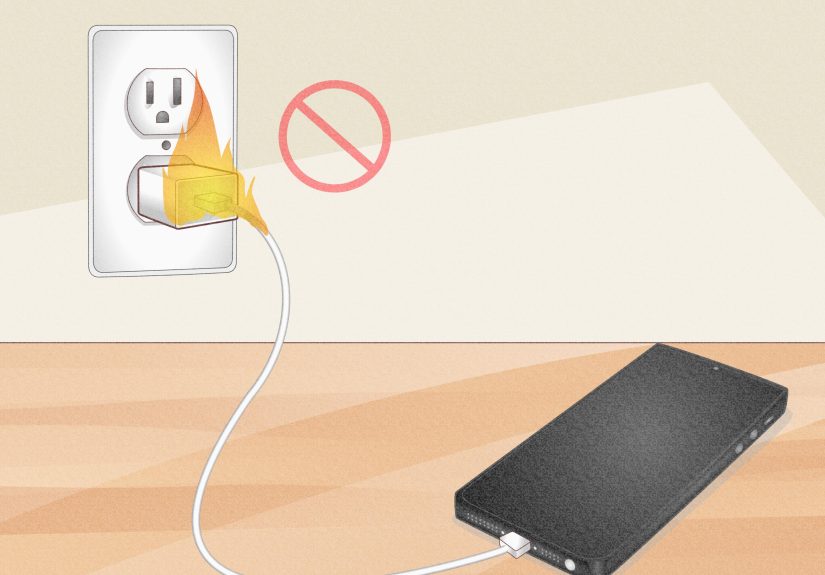
- Fire Hazard: Frayed wires can cause sparks, which may lead to electrical fires.
- Code Violations: In many areas, exposed wires are considered a violation of electrical codes, and not addressing them can result in fines.
Now that you understand the risks, let’s explore some easy and practical solutions for fixing exposed electrical wires.
Option 1: Use Electrical Tape
One of the simplest ways to repair an exposed wire is by using electrical tape. This method is quick and effective for minor damage or when you need to temporarily fix the issue before getting a professional electrician involved.
Materials Needed:
- Electrical tape (insulated tape designed for electrical use)
- Wire stripper (if necessary)
- Scissors (for cutting tape)
Steps to Fix Exposed Wire with Electrical Tape:
- Turn off the Power: Before doing anything, turn off the power at the breaker panel to avoid any risk of electrical shock.
- Prepare the Wire: If the exposed wire is frayed, use a wire stripper to trim the damaged portion, leaving only a clean, undamaged section.
- Wrap with Electrical Tape: Wrap the electrical tape around the exposed part of the wire, ensuring it covers the damaged area completely. Make sure you wrap the tape tightly and in multiple layers for full insulation.
- Check the Repair: After wrapping, check that the wire is well-insulated and that no part of it is still exposed.
This method works best for small sections of exposed wire. Keep in mind that electrical tape is a temporary fix and is not ideal for long-term repairs. For extensive damage, consider other options or contact a professional.
Option 2: Install a Junction Box
If the exposed wires are located where you cannot simply wrap them with tape (like in a wall or ceiling), installing a junction box is a great solution. This option not only covers the wires but also adds an extra layer of protection. Junction boxes are designed to house electrical connections safely.
Materials Needed:
- Junction box
- Wire nuts or connectors
- Screwdriver
- Electrical tape (optional)
- Power drill (if necessary)
Steps to Install a Junction Box:
- Turn off the Power: Always start by turning off the electricity to the area where you are working.
- Remove the Old Cover: If there’s an existing cover or casing over the wires, carefully remove it using a screwdriver or power drill.
- Place the Junction Box: Position the junction box over the exposed wires, ensuring that it covers them completely.
- Connect the Wires: Use wire nuts or connectors to safely join the wires inside the junction box. If the wires are frayed or damaged, trim the exposed parts first.
- Secure the Box: Once the wires are properly connected, attach the junction box to the wall or ceiling with screws. Make sure it’s securely fastened in place.
- Test the Repair: After installing the junction box, turn the power back on and test the connections to ensure everything is functioning correctly.
Installing a junction box is a more permanent and safe solution for exposed wires, especially in areas where the wires will be used frequently. If you’re unsure about making the installation yourself, it’s always a good idea to contact a licensed electrician.
Option 3: Replace the Exposed Wires
If the exposed wires are old or severely damaged, the best option is to replace them. While this method requires a bit more work, it ensures the repair is both safe and long-lasting.
Materials Needed:
- Replacement wire
- Wire stripper
- Wire nuts or connectors
- Electrical tape (optional)
- Screwdriver or power drill
Steps to Replace Exposed Wires:
- Turn off the Power: As always, the first step is to cut off the power at the breaker box to ensure your safety.
- Remove the Old Wires: Using a screwdriver or drill, carefully remove the old, exposed wires from the connections. You may need to unscrew certain components or connectors to fully remove the wires.
- Strip the New Wires: Use a wire stripper to remove the insulation from the new wires, exposing the metal wire underneath. Be careful not to nick or damage the wire itself.
- Connect the New Wires: Twist the new wires into place using wire nuts or connectors. Ensure the connections are tight and secure to prevent any electrical issues.
- Test the Repair: Once the new wires are installed, turn the power back on and check that everything is functioning properly.
Replacing the wires ensures that the connections are secure and that no further issues will arise. This method is more time-consuming and may require more technical knowledge, so if you’re unsure about the process, it’s wise to seek the help of a professional.
Additional Tips for Fixing Exposed Electrical Wire:
- Use Wire Covers: If you want to go the extra mile, consider using wire covers to further protect your wires. These can be installed over exposed sections for added safety.
- Check for Wear and Tear: Regularly inspect your electrical wires for signs of wear and tear. Catching issues early can prevent more serious problems down the line.
- Don’t Ignore Code Violations: Exposed wires can often be a violation of local electrical codes. Make sure to repair them in a manner that meets code requirements.
Conclusion
Fixing exposed electrical wires is an important task that should not be ignored. Whether you choose to use electrical tape, install a junction box, or replace the wires entirely, these options will help restore safety to your home. Always ensure that the power is turned off before making any repairs and, when in doubt, consult with a professional electrician.
Personal Experience with Fixing Exposed Electrical Wires
Throughout my DIY journey, I’ve encountered exposed wires on more than one occasionwhether from an old renovation or a forgotten DIY project. The first time I dealt with exposed wires was in an attic, where the wires had been chewed by rodents, leaving parts of the copper completely exposed. At first, I panicked, thinking it would be an expensive fix, but I quickly realized that the electrical tape solution was quick and effective. I wrapped the tape tightly around the exposed sections, and it worked for months until I had the chance to replace the wires completely.
One of the most important lessons I learned from this experience is that while temporary fixes like electrical tape are useful, they should never be a permanent solution. In cases where the wires are heavily damaged or in high-use areas, it’s best to opt for a junction box or full replacement. After installing a junction box to cover a particularly tricky exposed wire in my garage, I felt much more at ease knowing that it met electrical code standards.
If you’re ever in doubt about your ability to handle the task safely, don’t hesitate to call in a professional. Electrical repairs are serious, and safety should always come first. With the right knowledge and the proper precautions, however, you can confidently tackle exposed wires and ensure the safety of your home.