Table of Contents >> Show >> Hide
- Why dark armpits happen in the first place
- 12 steps to get rid of dark armpits safely
- 1. Start by identifying the pattern, not just the color
- 2. Stop over-scrubbing your underarms
- 3. Switch to fragrance-free, sensitive-skin products
- 4. Rethink your hair-removal routine
- 5. Reduce friction from clothes and skin rubbing
- 6. Keep the area dry if sweat is part of the problem
- 7. Repair the skin barrier with simple moisturizing
- 8. Treat rashes, itch, and infections instead of covering them up
- 9. Skip harsh DIY remedies
- 10. Look for health clues beyond the underarm
- 11. Ask about dermatologist treatments if the darkness lingers
- 12. Know when to see a doctor right away
- What usually works best over time
- Common experiences people have with dark armpits
- Conclusion
Dark underarms are one of those things people notice in the mirror and instantly blame on “bad hygiene,” bad luck, or the universe having a weird sense of humor. In reality, dark armpits are usually much less dramatic than that. They can happen because of friction, irritation from shaving or deodorant, sweat, post-inflammatory hyperpigmentation, or a medical condition such as acanthosis nigricans. In other words, your underarms are not sending you a personal insult. They’re sending you a clue.
If you want to lighten dark armpits, the smartest approach is not to attack the skin with random DIY hacks from the internet. It’s to figure out why the discoloration is there and then treat the cause without making the skin angrier. That is how you improve underarm hyperpigmentation without turning your bathroom into a chemistry crime scene.
Why dark armpits happen in the first place
Armpit discoloration can show up in a few different ways. Sometimes the skin looks flat and slightly darker after irritation, shaving, or a rash. That often points to post-inflammatory hyperpigmentation. Sometimes the area feels thicker, velvety, and darker. That can suggest acanthosis nigricans, which is associated with insulin resistance and can also be linked to weight changes, hormonal issues, or certain medications. In other cases, the real problem is moisture, friction, contact dermatitis, yeast, or even hidradenitis suppurativa if you are dealing with painful bumps, draining lesions, or repeated “boils.”
That is why the goal is not just to bleach the problem into submission. The goal is to calm the skin, reduce triggers, and know when the darkness is just discoloration and when it is a sign that your body wants a proper medical check-in.
12 steps to get rid of dark armpits safely
1. Start by identifying the pattern, not just the color
Before you buy another “brightening” product, look at the texture. Is the underarm skin smooth, or does it feel thicker and velvety? Is there itching, burning, odor, or a rash? Are there bumps, tenderness, or recurring flare-ups? This first step matters because different causes call for different fixes. A flat dark patch after shaving is not managed the same way as thickened skin from acanthosis nigricans or an itchy rash from deodorant irritation.
If the darkness appeared suddenly, feels unusually thick, or is showing up on your neck or groin too, do not treat it like a random cosmetic issue. That pattern deserves medical attention.
2. Stop over-scrubbing your underarms
Many people react to dark armpits by scrubbing harder, using rough exfoliating gloves, or washing the area multiple times a day. That usually backfires. Underarm skin is thin, sensitive, and easily irritated. Too much friction can cause more inflammation, which can lead to more pigment. Congratulations, you accidentally joined the “making it worse on purpose” club.
Clean the area gently once a day with a mild cleanser. If you sweat heavily, rinse after workouts, but keep the routine simple. Think “gentle maintenance,” not “power-washing the evidence.”
3. Switch to fragrance-free, sensitive-skin products
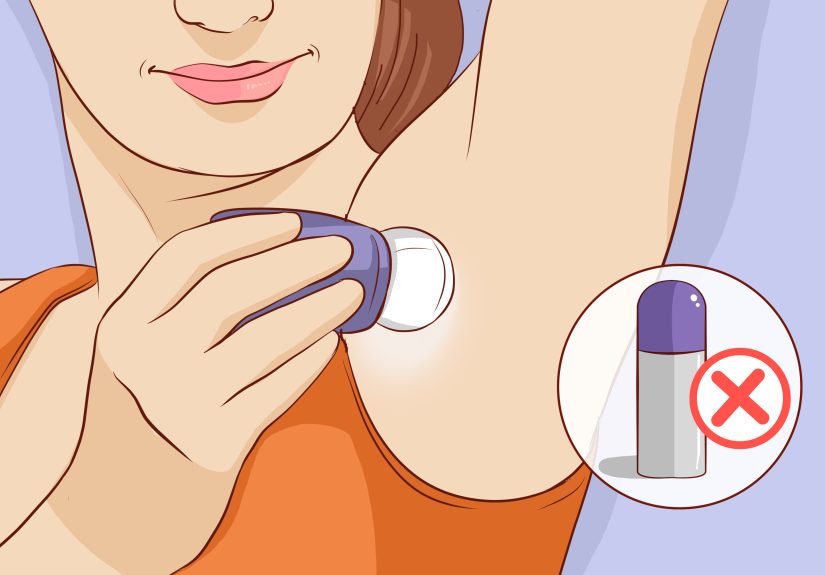
Deodorants, antiperspirants, shaving creams, and body washes are common troublemakers. Fragrance, dyes, and preservatives can irritate the skin or trigger contact dermatitis. When the rash fades, the leftover discoloration may hang around like an annoying guest who missed the hint.
Choose products labeled fragrance-free rather than merely “unscented.” Look for formulas designed for sensitive skin. If you suspect your deodorant is the culprit, pause it for several days or switch to a simpler product and watch whether the irritation improves.
4. Rethink your hair-removal routine
Shaving can create repeated micro-irritation, especially if you dry shave, use dull blades, or go over the same area like you are sanding a table. That irritation can trigger underarm hyperpigmentation over time.
Use a sharp razor, shave at the end of a shower when hair is softer, apply a gentle shaving gel or cream, and avoid multiple passes. Shave in the direction of hair growth if your skin gets irritated easily. If shaving always leaves you red, bumpy, or dark, consider trimming or asking a dermatologist whether another hair-removal method makes more sense for your skin.
5. Reduce friction from clothes and skin rubbing
Skin folds plus heat plus moisture plus tight fabric can equal friction, and friction loves causing discoloration. Tight sleeves, scratchy seams, and constant rubbing can all contribute to dark underarms, especially if you also sweat heavily.
Choose breathable fabrics and looser tops when possible. If you notice the area gets darker or more irritated during hot weather or workouts, friction may be a bigger factor than you realized. Small wardrobe changes can make a surprisingly big difference.
6. Keep the area dry if sweat is part of the problem
Excess sweat can worsen irritation, friction, intertrigo, and yeast overgrowth. If your underarms are often damp, sticky, or itchy, darkness may be only one piece of the puzzle. Sweat management matters.
An antiperspirant can help reduce moisture, but apply it to clean, dry skin and avoid using it right after shaving if your skin gets irritated. If standard products sting or trigger a rash, look for gentler formulas. If sweating is severe enough to soak clothes even when you are not active, talk with a dermatologist about hyperhidrosis treatment options.
7. Repair the skin barrier with simple moisturizing
Dry, irritated underarm skin does not need ten trendy products. It usually needs less drama and more barrier support. A plain, fragrance-free moisturizer can reduce irritation and help the skin recover, especially if shaving, soaps, or deodorants have left the area tender.
Apply a light moisturizer after bathing and after shaving once the skin is calm. This step will not erase dark armpits overnight, but it can reduce the inflammation that keeps pigmentation hanging around. Boring? Yes. Effective? Also yes.
8. Treat rashes, itch, and infections instead of covering them up
If the area is red, itchy, burning, flaky, or smells different, you may not be dealing with simple discoloration. You could be dealing with contact dermatitis, intertrigo, or a yeast infection. In those cases, “brightening” products are not the first move. The first move is treating the underlying skin problem.
Do not keep layering deodorant over an active rash and hoping for the best. If you have itching, bright redness, soreness, or a rash that spreads, it is time for an appropriate diagnosis. Treating the rash often reduces the pigment that follows.
9. Skip harsh DIY remedies
The internet has suggested lemon juice, baking soda, toothpaste, potato slices, turmeric masks, and other kitchen-counter experiments for dark underarms. The problem is that underarm skin is delicate, and over-exfoliation or irritation can worsen discoloration instead of improving it.
If a home remedy burns, stings, or leaves the area raw, it is not “working.” It is irritating your skin. That is not the glow-up you ordered. Gentle care beats aggressive shortcuts almost every time.
10. Look for health clues beyond the underarm
Sometimes dark armpits are not just about skin care. If the skin is thick and velvety, or if you also have dark patches on the neck or groin, think about possible metabolic or hormonal causes. Acanthosis nigricans is commonly associated with insulin resistance and can show up with prediabetes, diabetes, obesity, or conditions such as PCOS. Certain medications can also play a role.
If you have irregular periods, unusual hair growth, recent weight gain, a family history of diabetes, or darkened skin in multiple body folds, a medical visit is worth it. When the underlying cause is treated, the skin often improves too.
11. Ask about dermatologist treatments if the darkness lingers
Once the cause is identified and under control, a dermatologist may recommend treatment to improve the appearance of the area. Depending on the cause, options may include topical retinoids, ammonium lactate, azelaic acid, glycolic acid, kojic acid, hydroquinone, or in-office procedures such as chemical peels or laser therapy. These are not one-size-fits-all fixes, and underarm skin is not the place for wild experimentation.
The key is customization. A good treatment plan for post-inflammatory hyperpigmentation may be different from a plan for acanthosis nigricans. That is why the diagnosis comes first and the “magic cream” comes second.
12. Know when to see a doctor right away
See a clinician if your underarm skin becomes thick and velvety, changes suddenly, is intensely itchy, painful, or foul-smelling, or comes with boils, draining bumps, or repeated flare-ups. Also get checked if the pigmentation appears in several body folds, or if you have symptoms that suggest insulin resistance or hormonal imbalance.
Dark underarms are often harmless, but sometimes they are your body’s version of a sticky note that says, “Please investigate further.” That sticky note is worth reading.
What usually works best over time
The most effective plan is usually not glamorous. It is a steady routine:
- Use a gentle cleanser.
- Switch to fragrance-free products.
- Shave more carefully or less often.
- Reduce friction and moisture.
- Treat rashes or infections early.
- Get evaluated if the skin is thick, velvety, sudden, or widespread.
That combination helps because it tackles both common cosmetic triggers and the medical causes that actually matter. Dark armpits usually do not disappear in three days, and any product promising that deserves a dramatic eyebrow raise. Improvement tends to happen gradually as irritation settles and pigment turnover catches up.
Common experiences people have with dark armpits
One of the most common experiences people describe is embarrassment that feels way bigger than the actual skin issue. They skip sleeveless tops, feel awkward in the gym locker room, or suddenly become very invested in the angle of their arms in every photo. What starts as a patch of discoloration can turn into a confidence issue fast, especially when social media keeps suggesting that all skin should be smooth, bright, poreless, and apparently produced by a team of lighting technicians.
Another common experience is trying too many products too quickly. Someone notices dark underarms, buys a scrub, a brightening soap, a new deodorant, and a random “natural” mask, then uses all of them in the same week. The skin gets more irritated, the discoloration gets deeper, and now the person concludes that their underarms are “impossible.” Usually, the problem is not that the skin is impossible. The problem is that the routine became a demolition project.
Many people also realize, sometimes later than they wish, that shaving was a major trigger. They thought the darkness meant they were not cleaning well enough, when in fact they were repeatedly irritating the skin with dull razors and rushed technique. Once they switch to gentler shaving habits, the area often becomes calmer and less reactive. It is not an exciting solution, but skin loves consistency more than theatrics.
For others, the big surprise is discovering that the underarm discoloration was connected to something else entirely. A person may go in expecting a cream and leave with a conversation about insulin resistance, blood sugar, or PCOS. That can feel alarming at first, but it is also useful. In some cases, dark underarms are one of the first visible signs that something metabolic is changing. Catching that early is far more valuable than chasing cosmetic fixes forever.
People with sensitive skin often report another frustrating pattern: every “fresh” or “clean” scented product seems to make the area sting, itch, or darken. They spend months blaming sweat, only to learn that fragrance or dyes were setting off irritation the whole time. Once they move to fragrance-free products, the skin slowly settles down. Not overnight, not with movie-montage speed, but enough to prove that simpler was smarter.
Then there are the people who keep getting painful bumps and think they just have bad luck with ingrown hairs. Sometimes that is true. Sometimes it turns out to be hidradenitis suppurativa, which needs proper treatment instead of endless self-blame. That diagnosis can be frustrating, but it is also a relief. There is something deeply validating about learning that you were not “doing it wrong”; you were dealing with a real condition.
Perhaps the most helpful experience people share is this: progress usually begins when they stop trying to bleach, scrub, and punish the skin, and start trying to understand it. Dark underarms improve more often with patience, gentleness, and the right diagnosis than with aggressive “fixes.” Your underarms are not asking for perfection. They are asking for less irritation and, sometimes, better medical detective work.
Conclusion
If you want to get rid of dark armpits, do not start with panic and a lemon wedge. Start with the basics: gentle cleansing, fragrance-free products, smarter shaving, less friction, and moisture control. If the skin is thick, velvety, itchy, painful, or suddenly changing, get it checked. The fastest way to improve dark underarms is usually to treat the reason they became dark in the first place.
That may not be as flashy as a miracle hack, but it is far more likely to work. And unlike internet folklore, it does not involve making your armpits angry enough to file a complaint.