Table of Contents >> Show >> Hide
- Why Grasshoppers Are So Hard to Control
- The Best Way to Get Rid of Grasshoppers in the Garden: Use Layered Control
- Start Early, When Grasshoppers Are Still Small
- Reduce Nearby Weedy Habitat and Border Areas
- Protect High-Value Crops With Floating Row Covers
- Hand-Pick in Small Gardens and Problem Spots
- Encourage Natural Predators, but Don’t Expect Miracles
- Use Baits and Organic Options Carefully
- Use Insecticides Only When Damage Is Serious
- What Usually Does Not Work Very Well
- Which Plants Should You Protect First?
- A Practical Seasonal Game Plan
- Conclusion
- Common Gardener Experiences With Grasshoppers in the Garden
If grasshoppers have turned your vegetable patch into an all-you-can-eat buffet, welcome to one of gardening’s most annoying plot twists. One day your lettuce looks lush and smug, and the next it resembles confetti. Grasshoppers can chew through leaves, flower buds, tender stems, and young plants with shocking speed, especially in hot, dry years when nearby vegetation dries up and your watered garden starts looking like a five-star resort.
The good news is that grasshopper control is possible. The less-fun news is that there usually isn’t one magic trick. If you want real results, you need a layered plan: act early, protect your most vulnerable crops, reduce nearby habitat, and save stronger treatments for the moments when the damage is truly serious. In other words, don’t bring a butter knife to a bug buffet.
This guide walks you through exactly how to get rid of grasshoppers in the garden using practical, realistic methods that actually make sense for home gardeners. You’ll learn what works best, what tends to disappoint, and how to build a smarter grasshopper control plan without turning your backyard into a chemistry lab.
Why Grasshoppers Are So Hard to Control
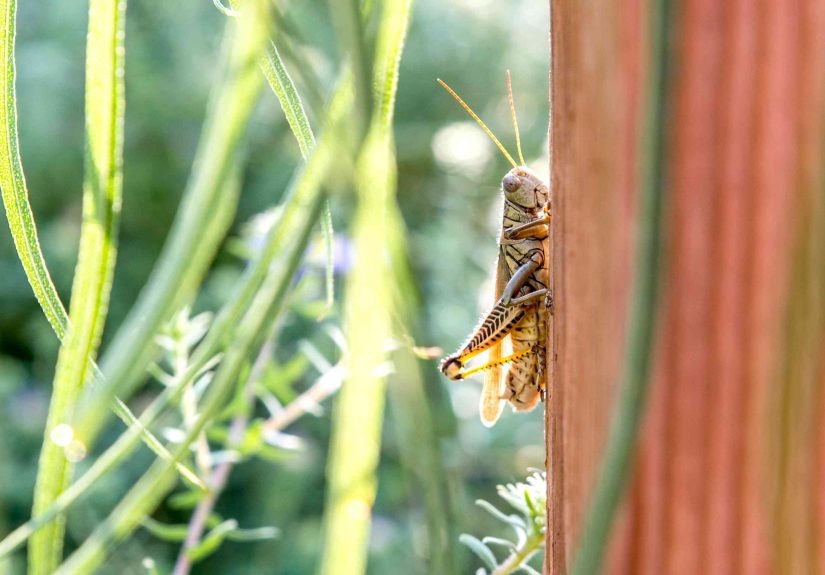
Before you can beat grasshoppers, it helps to know why they’re such stubborn garden pests. Grasshoppers are highly mobile. They hatch as nymphs, feed heavily, grow fast, and eventually become winged adults that can jump and fly into new areas. That means the ones chewing your beans may not even be “from” your garden. Often, they hatch in undisturbed soil nearby, such as roadsides, ditches, fence rows, pastures, or weedy edges, then move into irrigated beds when the surrounding plants dry down.
They also don’t damage every plant equally. Tender crops and leafy vegetables often take the biggest hit first. In many gardens, lettuce, beans, carrots, onions, and sweet corn get chewed before tougher or less-preferred plants. During heavy outbreak years, though, grasshoppers can become far less picky and start sampling whatever is green, juicy, and easy to reach.
Another complication is timing. Small grasshopper nymphs are easier to manage than adults. Once grasshoppers get larger and winged, sprays and other control methods become less effective, and repeated migration from surrounding land can make it feel like you’re losing the same battle every morning.
Signs You’re Dealing With Grasshopper Damage
Grasshopper damage usually looks ragged rather than delicate. You may notice irregular holes along leaf edges, chunks missing from foliage, stripped seedlings, damaged blossoms, or plants that seem to disappear faster than your weekend motivation. They often feed during the day, so if you walk the garden in late morning or afternoon, you may catch them red-legged and leaf-handed.
The Best Way to Get Rid of Grasshoppers in the Garden: Use Layered Control
If you remember only one thing from this article, remember this: the best grasshopper control comes from combining strategies. A single method may reduce damage for a while, but multiple methods give you a much better chance of protecting your garden for the long haul.
Start Early, When Grasshoppers Are Still Small
This is the big one. If you wait until the garden is crawling with big, winged adults, you are already behind. Young nymphs are easier to kill, easier to block, and easier to outsmart. They also tend to stay closer to the places where they hatched, which makes border control more effective.
Pay close attention in spring and early summer, especially if your area had grasshopper problems last year or if you live near unmanaged land. Warm, dry conditions can favor population buildup. Scout the edges of your garden first, because that’s where movement often begins. If you spot lots of tiny grasshoppers without full wings, that is your cue to act quickly.
Reduce Nearby Weedy Habitat and Border Areas
Grasshoppers often build up outside the garden before moving in. That means your control plan should start beyond the tomato cage. Mow weedy edges, tall grass, and unmanaged strips near the garden, especially before crops are established. This can reduce food and shelter and help slow migration toward the good stuff.
Border management works best when it is done early. If you mow or clean up surrounding vegetation only after the garden is already lush and vulnerable, you may accidentally push hungry grasshoppers straight into your beds. The smarter move is to reduce those weedy staging areas before your crops become irresistible.
That said, don’t turn the whole yard into a sterile moonscape. Beneficial insects also need habitat. The goal is to keep the immediate garden perimeter tidy and less inviting to pests, while still maintaining an overall healthy landscape.
Protect High-Value Crops With Floating Row Covers
If you grow vegetables, floating row covers are one of the most useful tools you can own. They act as a physical barrier, letting in light, air, and water while keeping many insect pests off your plants. For grasshoppers, this can be a huge advantage, especially for seedlings, leafy greens, beans, peppers, and other crops that can be chewed down in a hurry.
The key is timing. Put row covers in place as soon as possible, ideally right after planting or transplanting, before the pests arrive. Secure the edges well so grasshoppers cannot stroll under the cover like they own the place. Lightweight covers can rest directly on crops, while hoops or simple supports work better for taller plants.
There is one catch: if you are covering crops that need pollination, such as squash, melons, or cucumbers, you may need to uncover them at flowering time or hand-pollinate. Still, for protecting young plants and high-value beds, row covers are one of the smartest non-chemical options in the grasshopper control toolkit.
Hand-Pick in Small Gardens and Problem Spots
Hand-picking grasshoppers is not glamorous. No one posts, “Living my best life, collecting insects before breakfast.” But in small gardens, it can help. Early morning and evening are often the easiest times because grasshoppers are slower and less jumpy when temperatures are cooler.
You can knock them into a bucket of soapy water, vacuum problem spots with a small shop vacuum reserved for garden use, or simply remove the worst clusters by hand. This method will not solve a huge regional outbreak, but it can absolutely reduce pressure on prized beds, containers, raised planters, and newly planted seedlings.
Think of hand-picking as damage control, not total warfare. It works best when combined with row covers, border cleanup, and early monitoring.
Encourage Natural Predators, but Don’t Expect Miracles
Birds, predatory insects, spiders, robber flies, mantids, and certain wasps can all help reduce grasshopper numbers. In some settings, poultry such as guinea hens or chickens may also contribute, though they can become enthusiastic salad bar customers themselves if not managed carefully.
Natural enemies are valuable because they help keep pest populations from exploding quite so dramatically. But they usually do not erase a major grasshopper outbreak all by themselves. A healthy garden ecosystem matters, yet it is not a magic wand. Think of predators as pressure reducers, not emergency responders.
To support beneficials, grow a diversity of flowering plants, avoid unnecessary insecticide use, and preserve some habitat that supports pollinators and predatory insects. A balanced garden is more resilient, even if it still needs backup during bad grasshopper years.
Use Baits and Organic Options Carefully
Many gardeners want an organic answer, which is understandable. In reality, organic grasshopper control can be hit-or-miss. Products containing Nosema locustae, often sold as grasshopper bait, work best on young nymphs and are slow acting. They are more useful as part of a long-term early-season management plan than as a rescue treatment when adult grasshoppers are already demolishing the garden.
That distinction matters. If you need immediate relief, slow biological baits may leave you staring at half a pepper plant while whispering, “Any day now.” In some home garden situations, extension guidance notes that these baits may have limited effectiveness, especially once migration is underway.
Some gardeners also use kaolin clay products on high-value plants to reduce feeding. These can help deter damage, but they typically need thorough coverage and reapplication after rain or frequent irrigation. They are better viewed as part of a broader plan than a stand-alone cure.
Use Insecticides Only When Damage Is Serious
Sometimes grasshopper pressure is so intense that a spray or bait treatment is justified. If plants are being severely defoliated and non-chemical methods are not enough, a labeled insecticide may help protect your crop. But this should be your last line of defense, not your opening move.
When using insecticides, target small grasshoppers whenever possible. Border treatments can be more effective than drenching the entire garden, especially when the invasion is coming from nearby unmanaged areas. Adults are harder to control, and repeated applications may be necessary if new grasshoppers keep moving in.
Always read the label carefully. Make sure both the crop and the pest are listed. Follow harvest waiting periods, application intervals, and all pollinator precautions. Many broad-spectrum products can harm bees and beneficial insects, so avoid spraying open blooms and apply only when needed. Calm early morning or evening conditions are often the safest times for application because they reduce drift and lower risk to pollinators.
What Usually Does Not Work Very Well
When gardeners get desperate, the internet starts offering “miracle” solutions with the confidence of a late-night infomercial. Some home remedies may give brief, inconsistent, or highly local results, but many are not reliable enough to count on during a real infestation.
For example, random DIY sprays, casual dustings, and one-time treatments often disappoint because grasshoppers keep migrating in from outside the garden. If the surrounding habitat remains full of hungry nymphs and adults, your garden can get reinfested fast. The lesson is simple: control the source, protect the crop, and act early.
Which Plants Should You Protect First?
If you cannot protect everything, protect the crops grasshoppers tend to hit hardest or the ones that matter most to you. Seedlings, leafy greens, beans, herbs, young pepper plants, flower beds, and tender transplants deserve first priority. These plants can go from “looking promising” to “well, that was nice while it lasted” in a surprisingly short time.
Mature woody plants and less-preferred vegetables may tolerate some feeding, especially if the overall population is moderate. But if you see heavy chewing on small plants, don’t wait for the rest of the garden to become dessert.
A Practical Seasonal Game Plan
In spring, start scouting early, especially near ditches, fence rows, pasture edges, and weedy borders. Clean up the immediate perimeter before your crops are well established. Install row covers on vulnerable beds as soon as possible.
In early summer, watch for nymphs. This is the best time to use early intervention, whether that means barriers, border treatments, hand removal, or carefully chosen bait products. Once the population is small and wingless, you have a real chance to stay ahead.
In mid to late summer, focus on protecting the crops that matter most. Adults are harder to control, so your strategy becomes more defensive: row covers, hand removal in key areas, and labeled rescue treatments only if damage is severe. Keep in mind that grasshopper pressure can continue until cold weather finally shuts the party down.
Conclusion
If you want to know how to get rid of grasshoppers in the garden, the honest answer is this: you beat them with timing, barriers, and persistence. Start early when nymphs are small. Reduce nearby weedy habitat. Cover valuable crops. Support natural predators. Use baits and sprays thoughtfully, not automatically. And when needed, focus on protecting the plants that matter most instead of trying to win a dramatic one-gardener-against-the-entire-order-Orthoptera showdown.
Grasshoppers are frustrating, but they are not unbeatable. A smart, layered approach can reduce damage, protect harvests, and help your garden look more like a place for vegetables and flowers than an insect food court.
Common Gardener Experiences With Grasshoppers in the Garden
One of the most common experiences gardeners describe is the suddenness of it all. Grasshopper damage rarely feels polite. It feels abrupt. A gardener checks the beds on Friday, notices a few ragged holes, shrugs, and assumes it’s no big deal. By Sunday, the lettuce looks shredded, the bean leaves resemble lace, and the zinnias appear to have hosted a tiny chainsaw convention. That quick escalation is one reason grasshoppers feel so maddening. They turn a minor concern into a genuine problem before many people realize they need a plan.
Another familiar experience is confusion about where the insects came from. Many gardeners assume the infestation began in the garden itself, when in reality the main breeding sites may be outside the beds. People often discover that the worst pressure starts along fences, unmowed corners, roadside edges, dry grassy strips, or the field next door. Once those surrounding plants dry out, the watered garden becomes the obvious next stop. This realization changes everything. Gardeners stop treating only the plants and start thinking about the perimeter, which is usually when they begin to see better results.
There is also the very real emotional journey of trying “easy” fixes first. Many gardeners begin with a spray they already have on a shelf, or a homemade remedy recommended by a relative, a neighbor, or someone online who types with the confidence of a Nobel Prize winner. Sometimes these efforts help a little. Often, they don’t do enough. The common lesson is that grasshoppers are not a pest you defeat with wishful thinking and a random bottle from the garage. Gardeners who eventually get ahead of the problem usually do so by combining tactics instead of chasing one miracle cure.
Row covers are another recurring turning point in people’s stories. Gardeners who once thought row covers looked fussy or unnecessary often become devoted fans after one bad grasshopper year. Suddenly the cover is not annoying; it is heroic. It is the thin white force field standing between your pepper seedlings and total botanical chaos. Once people see how much damage a physical barrier can prevent, they tend to use covers much more strategically, especially on leafy greens, beans, and young transplants.
Then there is the hand-picking experience, which nobody dreams about in winter while ordering seed catalogs. Yet many gardeners admit it taught them something useful. Going out early in the morning with a bucket, checking leaves closely, and watching where grasshoppers gather helps people understand the pest’s habits. They begin to notice patterns: certain beds get hit first, certain plants are favorites, and certain border areas serve as launch points. It is not glamorous work, but it often makes the whole control plan smarter.
Finally, seasoned gardeners often say the biggest shift was mental. Instead of expecting perfect control, they aim for manageable damage. That mindset reduces frustration and leads to better decisions. They protect the crops they care about most, tolerate a little feeding on tougher plants, avoid unnecessary spraying, and stay alert earlier in the season. In other words, they stop trying to win one dramatic battle and start running a better campaign. And in gardening, that usually works a lot better than panic.