Table of Contents >> Show >> Hide
- First, a quick pinworm refresher (so you know what you’re up against)
- Do you need to confirm it’s pinworms?
- How to Get Rid of Pinworms: 13 Steps
- Step 1: Use the right medicine (OTC or prescription) the right way
- Step 2: Take the second dosethis is where most people slip
- Step 3: Treat close contacts at the same time (often the whole household)
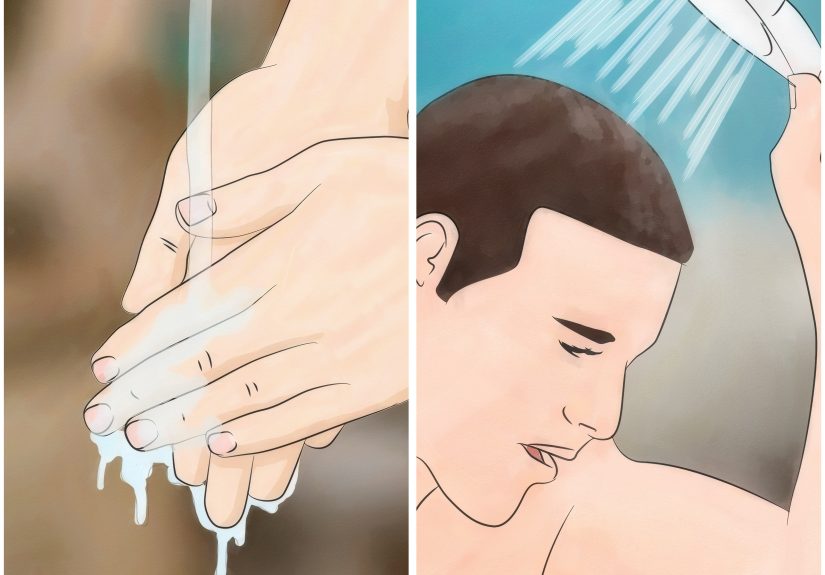
- Step 4: Do a morning shower or bath routine for a week
- Step 5: Change underwear daily (and consider pajamas, too)
- Step 6: Wash bedding, towels, and clothes in hot waterthen dry on high heat
- Step 7: Clean the bathroom like you mean it (but keep it targeted)
- Step 8: Wipe down high-touch surfaces and frequently handled items
- Step 9: Vacuum and damp-dust instead of dry sweeping
- Step 10: Handwashing rules: boring, effective, undefeated
- Step 11: Keep fingernails short and scrub under them
- Step 12: Reduce scratching and manage itching safely
- Step 13: Know when to call a clinician (and when to suspect reinfection)
- Common questions (the things people Google at 2:00 a.m.)
- Prevention checklist (the “please don’t come back” plan)
- Real-World Experiences: What People Commonly Run Into (and How They Get Past It)
- Conclusion
Pinworms are the uninvited houseguests who show up, throw glitter everywhere, and then act shocked when you want them gone.
The good news: pinworm infections are common, usually not dangerous, and very treatable. The annoying news: they’re also
masters of the encore performance if you don’t break the cycle.
This guide gives you a clear, practical, not-too-gross game plan to get rid of pinworms and prevent reinfectionwithout turning
your home into a hazmat zone. You’ll get 13 actionable steps, a few “why this works” explanations, and real-world experience-based
advice at the end (because life is messy, and so are tiny parasites).
First, a quick pinworm refresher (so you know what you’re up against)
Pinworms (a.k.a. Enterobius vermicularis) are tiny white worms that live in the intestines. At night, female pinworms crawl
to the skin around the anus to lay microscopic eggs. That can cause the classic symptom: intense itching, especially at night.
Scratching gets eggs under fingernails, and then the eggs hitch a ride to mouths, snacks, door handles, toys, bedding, you name it.
Here’s the key point that explains why pinworms “won’t die” even after treatment: most medicines kill the worms, not the eggs.
If you don’t repeat treatment and tighten up hygiene for a couple of weeks, newly hatched worms can restart the party.
Do you need to confirm it’s pinworms?
Sometimes you’ll literally see a tiny, moving, white thread-like worm (often at night). But many people confirm with the classic
tape test: press clear tape to the skin around the anus first thing in the morning (before bathing or using the bathroom),
then share it with a clinician for identification. Some families do this on multiple mornings to improve the odds of catching eggs.
If you’re unsure, symptoms are severe, or this is happening repeatedly, it’s worth looping in a healthcare professional.
You especially want medical guidance for children under 2, pregnancy, breastfeeding questions, or if symptoms don’t improve.
How to Get Rid of Pinworms: 13 Steps
Step 1: Use the right medicine (OTC or prescription) the right way
In the U.S., common treatments include an over-the-counter option (often pyrantel pamoate) and prescription medications
(commonly mebendazole or albendazole). The “best” choice depends on age, pregnancy status, medical history, and clinician preference.
If you’re using an OTC product, follow the label carefullyespecially weight-based dosing for kids.Step 2: Take the second dosethis is where most people slip
The second dose (often taken about two weeks after the first) matters because the first dose may not kill eggs. The goal is to
kill newly hatched worms before they mature and lay more eggs. Put it on your calendar like it’s a non-negotiable appointment.Step 3: Treat close contacts at the same time (often the whole household)
Pinworms spread easily among people living together. In many cases, clinicians recommend treating everyone in the household
(or at least close contacts) at the same timeeven if only one person is noticeably symptomaticbecause “asymptomatic” doesn’t
always mean “uninfected.”If your household includes pregnant people, very young children, or someone with complex medical issues, get clinician guidance
before everyone takes medication.Step 4: Do a morning shower or bath routine for a week
Eggs are laid near the anus at night, so mornings are your cleanup window. A quick shower or bath in the morning can wash away
a large number of eggs before they spread to underwear, hands, towels, and everything else you love. Focus on the anal area,
but keep it gentlethis isn’t the time for aggressive scrubbing.Step 5: Change underwear daily (and consider pajamas, too)
Fresh underwear every morning is a simple but powerful move. If nighttime itching is intense, switching pajamas more frequently
during the first few days can help reduce egg spread. Think of it as changing the “landing pad.”Step 6: Wash bedding, towels, and clothes in hot waterthen dry on high heat
During the first few days of treatment, wash bedding, towels, washcloths, pajamas, and underwear. Use hot water when possible,
and dry on high heat (heat helps). Don’t shake laundry like you’re auditioning for a detergent commercialeggs can spread.Practical tip: start with the infected person’s bedding and towels first, then work outward. If you can’t wash everything at once,
prioritize what touches skin at night and in the bathroom.Step 7: Clean the bathroom like you mean it (but keep it targeted)
Focus on the toilet seat, flush handle, faucet handles, light switches, and doorknobs. A daily wipe-down for the first week is
a reasonable approach. You don’t need to bleach the wallspinworms aren’t impressed by your dramatic flair. They’re impressed by
consistent hygiene on high-touch surfaces.Step 8: Wipe down high-touch surfaces and frequently handled items
Eggs can survive on objects for a while, so prioritize: remote controls, phones/tablets, game controllers, toys, bedside tables,
and kitchen touchpoints (cabinet pulls, fridge handle). Use regular household cleaners according to the label.If you have little kids, don’t forget the “always in the mouth” collection: favorite toys, pacifiers (if age-appropriate),
and washable stuffed animals.Step 9: Vacuum and damp-dust instead of dry sweeping
Vacuum carpets and rugs regularly during the first couple of weeks, especially in bedrooms. Damp-dust hard surfaces rather than
dry sweeping, which can kick particles into the air. You’re not trying to make your home sterileyou’re trying to reduce the egg
load enough that reinfection becomes unlikely.Step 10: Handwashing rules: boring, effective, undefeated
Wash hands with soap and warm water after using the bathroom, after changing diapers, and before eating or preparing food.
Make it automatic. Nail-biting and thumb-sucking are basically “egg express lanes,” so address those if possible.Kid hack: set a 20-second song and make it a routine. Adult hack: keep soap stocked and towels clean so “I forgot” becomes harder
to justify.Step 11: Keep fingernails short and scrub under them
Eggs love hanging out under nails. Trim nails short, clean under them during handwashing, and consider a soft nail brush.
If someone in the home scratches at night, this step becomes even more important.Step 12: Reduce scratching and manage itching safely
Scratching spreads eggs and can irritate skin. Try a clean, snug pair of underwear at night, and keep hands clean before bed.
If itching is intense, talk to a clinician about symptom relief options. Avoid putting random “miracle creams” on sensitive skin
your future self will not thank you.Step 13: Know when to call a clinician (and when to suspect reinfection)
Get medical advice if symptoms persist beyond about a week after starting treatment, if infections keep recurring, or if there’s
significant sleep disruption, skin irritation, abdominal pain, or vaginal irritation in girls. Also call sooner for infants and
toddlers, pregnancy, or if you’re unsure about medication choice and dosing.If pinworms keep returning, it’s often not “stronger worms”it’s missed second dosing, untreated close contacts, or a hygiene gap
(like nails, hands, or shared bedding).
Common questions (the things people Google at 2:00 a.m.)
Do I have to deep-clean my entire house?
No. You need a strategic clean, not a home renovation. Focus on bedrooms, bathrooms, laundry, and high-touch surfaces. The aim is to
reduce egg spread for the couple of weeks when reinfection is most likelynot to win a cleanliness medal.
How long do pinworm eggs stick around?
Eggs can survive on indoor surfaces for up to a few weeks if not properly cleaned. That’s why hygiene and targeted cleaning matter
for a couple of weeks, not just one heroic Saturday afternoon.
Why is the second dose so important?
Because medicine often kills worms but not eggs. The second dose helps eliminate worms that hatched after the first treatment.
Skipping the follow-up dose is like taking out the trash but keeping the leftovers on the counter.
Can I get pinworms from pets?
Pinworms primarily infect humans. Pets don’t become infected the same way people do, but fur can carry eggs like any other surface
if there’s contact with contaminated hands or environments. Translation: you don’t need to panic about your dog, but you do need to
wash your hands after cleaning up and keep household hygiene consistent.
Will I see worms after treatment?
Sometimes, yes. Seeing worms doesn’t automatically mean treatment failedtiming matters. Symptoms (especially itching) can take a bit
to calm down. If symptoms persist or worsen, check in with a clinician.
Prevention checklist (the “please don’t come back” plan)
- Wash hands with soap and warm water after bathroom use and before eating.
- Keep nails short; avoid nail-biting and thumb-sucking.
- Morning bathing during treatment to remove eggs.
- Hot-wash and hot-dry underwear, pajamas, towels, and bedding during the first days of treatment.
- Daily wipe-down of bathroom and high-touch surfaces for the first week or two.
- Don’t skip the second doseset a reminder.
Real-World Experiences: What People Commonly Run Into (and How They Get Past It)
Because pinworms are both common and embarrassing, people often try to “handle it quietly,” which is understandablebut it can also
lead to the same repeat mistakes. Here are a few experience-based patterns families and adults commonly report, plus what tends to
actually help.
Experience #1: “We did the medicine… and it came back.”
This is the classic sequel. The most common reason isn’t that the medication didn’t workit’s that the second dose was missed or
delayed, or other close contacts weren’t treated at the same time. People often feel better after the first dose and think,
“Cool, done.” But pinworm eggs are stubborn little time capsules. A second dose (on schedule) plus a couple weeks of decent hygiene
is what usually turns a one-time fix into a permanent goodbye.
Experience #2: “I cleaned EVERYTHING and I’m exhausted.”
The urge to power-clean your home is real. Many parents describe washing every blanket ever owned, steam-cleaning carpets, and wiping
baseboards like they’re training for a cleaning Olympics. The smarter approach that people say feels sustainable is a targeted plan:
daily underwear, hot-wash bedding and towels early on, bathroom touchpoints daily for a week, and consistent hand/nail hygiene.
In other words, clean the places eggs actually like to livethen stop before you burn out.
Experience #3: “My kid can’t stop scratching at night.”
Night itching can be intense, and scratching spreads eggs. Families often report success with a few simple tactics: a morning bath,
snug clean underwear at night, short nails, and making handwashing part of the bedtime routine. For younger kids, some caregivers
add a gentle “hands out of pants” reminder and keep bedtime pajamas simple (so fewer places for eggs to cling). If itching is severe
or skin looks irritated, people often find it helpful to ask a clinician about safe symptom relief rather than experimenting.
Experience #4: “I’m an adult and I feel mortified.”
Adults commonly assume pinworms are “only a kid thing,” then feel embarrassed when it happens. In reality, adults can absolutely get
pinwormsespecially in households with children, childcare settings, or shared living spaces. The adult playbook is basically the same:
treat appropriately, take the second dose, wash hands like you mean it, and do targeted laundry and surface cleaning. Many adults say
the biggest emotional relief came from realizing pinworms spread easily and aren’t a sign you’re “dirty”they’re a sign you’re human
living near other humans.
Experience #5: “We keep getting re-exposed at school/daycare.”
Some families report a cycle where one child gets treated, then re-exposed through close contact settings. What tends to help is
coordination: treating the household as advised, reinforcing handwashing habits, and keeping the second dose locked in. If there’s
an outbreak pattern, a pediatrician can advise on practical steps and whether broader coordination is appropriate.
The overall theme from real-world stories is reassuring: pinworms are beatable. Success usually comes from a calm, consistent plan
not from panic, shame, or turning your home into a disinfectant museum.
Conclusion
If you take away just one thing, make it this: pinworms aren’t hard to treat, but they are easy to re-catch. The winning combo is
(1) the right medicine taken correctly (including the second dose), plus (2) two weeks of solid hygiene and targeted cleaning.
Follow the 13 steps, keep it consistent, and you’ll usually shut this down fast.
And remember: if symptoms persist, keep recurring, or you have special circumstances (pregnancy, very young kids, complicated health
conditions), a clinician can tailor the plan and help you stop the cycle for good.