Table of Contents >> Show >> Hide
- What You’ll Learn
- 1) Choosing Eggplant That’s Built for the Grill
- 2) Prep Like You Mean It: Slicing, Salting (Optional), and Oiling
- 3) Grill Setup: Clean Grates, Two Heat Zones, and the Right Temperature
- 4) Three Reliable Methods to Grill Eggplant (Pick Your Adventure)
- 5) Flavor Upgrades: Marinades, Seasonings, and Sauces That Love Eggplant
- 6) Troubleshooting: Fix the Four Classic Eggplant Grill Problems
- 7) Serving Ideas: Turn Grilled Eggplant into the Star of the Barbecue
- 8) Make-Ahead Tips and Leftovers (Because You’ll Want Them)
- Real-Life Grilling Experiences (and the Eggplant Lessons They Taught Me)
Eggplant is the comedian of the grill world: one minute it’s slick and charming, the next it’s soggy, bitter, and clinging to the grates like it pays rent there. The good news? Grilled eggplant is not “hard,” it’s just misunderstood. Eggplant needs the right cut, the right heat, and the right amount of oil (spoiler: less than you think). Nail those, and you’ll get slices that are smoky outside, creamy inside, and worthy of the center of the platenot just a sad side dish nobody admits they took.
This guide breaks down the why and how of grilling eggplant for a barbecue: what to buy, how to prep it, grill setups for gas and charcoal, exact cook times, flavor ideas, and fixes for the classic disasters (sticking, bitterness, rubbery skin, and “why is this both burnt and raw?”).
1) Choosing Eggplant That’s Built for the Grill
Eggplant isn’t one-size-fits-all. Some varieties grill faster, some stay firmer, and some are less seedy. Here’s how to pick a winner at the store so your barbecue doesn’t turn into a rescue mission.
Best varieties for grilling
- Globe (American) eggplant: Big, classic, widely available. Great for “steaks” (thick rounds), but can be seedier if it’s older.
- Italian eggplant: Similar to globe but often a bit smaller and denser, which can mean fewer seeds and a slightly creamier bite.
- Japanese/Chinese eggplant: Long and slender with thinner skin. They cook fast and are excellent halved lengthwise or cut into planksless bitterness, less drama.
- Baby eggplant: Great for skewers or quick grilling, but watch the heat because they can overcook fast.
Freshness checklist (aka “don’t buy the sad one”)
- Feel: Firm and heavy for its size. If it’s squishy, it’s past its prime.
- Skin: Smooth and glossy, not wrinkled or dull.
- Stem end: Looks fresh and greenish, not brown and dried out.
- Size: Smaller eggplants are often less seedy and more tendergreat for grilling.
Pro tip: If you’re grilling for a crowd, grab a mixone globe eggplant for big “steaks” and a couple Japanese eggplants for fast-cooking halves. You’ll look like you planned it (even if you didn’t).
2) Prep Like You Mean It: Slicing, Salting (Optional), and Oiling
Eggplant’s personality trait is that it absorbs oil like a sponge. If you pour oil on it casually, it will drink it like it’s training for a marathon. The fix is simple: cut it right and brush oil on strategically so you get browning instead of greasiness.
How to cut eggplant for grilling
- Rounds (“steaks”): Cut into uniform slices about 1/2 inch thick. Thinner slices can dry out and tear; thicker slices take longer but get creamy inside.
- Planks: Slice lengthwise into 1/3–1/2 inch planks. Great for sandwiches and less likely to fall through the grates.
- Halves: Slice lengthwise, then lightly score the flesh in a crosshatch pattern (don’t cut through). This helps seasoning soak in and speeds up cooking.
- Whole: Yes, whole. This is your move for smoky eggplant dips and spreads (hello, backyard baba ganoush).
Do you need to salt eggplant before grilling?
Sometimes yes, sometimes no. Modern eggplants are generally less bitter than older varieties, so salting isn’t always about bitterness anymore. It’s mainly about texture: pulling out excess moisture so the surface browns faster and the inside turns silky instead of watery.
Use this quick decision guide:
- Skip salting if the eggplant is small, fresh, and you’re grilling 1/2-inch slices over good heat.
- Dry salt if you want better browning on slices and have 20–40 minutes.
- Brine (saltwater soak) if you’ve struggled with dryness or uneven texturethis can help slices grill creamy.
Option A: Dry-salt (best for browning and less sogginess)
- Slice eggplant into 1/2-inch rounds or planks.
- Sprinkle both sides with kosher salt and lay on a rack or paper towels.
- Rest 20–40 minutes until you see beads of moisture.
- Wipe dry (or rinse quickly and pat very dry), then proceed with oil and seasoning.
Option B: Quick brine (best for creamy texture and fewer “tough” moments)
- Mix water with enough salt to taste pleasantly salty (like pasta water).
- Soak slices 20–30 minutes.
- Drain and pat very dry before oiling.
Oil strategy: brush, don’t drown
Here’s the secret handshake: brush oil onto the eggplant, then salt and season. Brushing gives a thin, even layer that helps browning and prevents sticking without turning the inside oily. If you want bonus flavor, infuse your oil with garlic and a pinch of red pepper flakes, then brush it on before and after grilling.
3) Grill Setup: Clean Grates, Two Heat Zones, and the Right Temperature
Eggplant is tender when cooked rightbut it’s also sticky when it first hits the grates. A clean, hot grill and a little patience prevent the classic “torn slice tragedy.”
Temperature target
- Medium-high heat is the sweet spot for slices and planks.
- For halves (or thicker cuts), set up two-zone cooking: a hot side for searing + a cooler side to finish.
- As a practical range, aim around 375°F–425°F where possible, adjusting based on your grill and thickness.
Gas grill setup
- Preheat with the lid closed for 10–15 minutes.
- Scrub the grates clean while hot.
- Oil the grates lightly (fold paper towels, dip in oil, hold with tongs, wipe quickly).
- Create a two-zone setup by turning one burner lower (or off) to make a cooler finishing side.
Charcoal grill setup
- Light charcoal and wait until it’s covered in gray ash.
- Bank coals on one side for a hot zone; leave the other side cooler.
- Clean and oil grates just before cooking.
Grill rule that saves eggplant: don’t rush the first flip. If it sticks, it’s not ready. Let it cook until it releases naturallythen turn. (Eggplant has trust issues. Earn them.)
4) Three Reliable Methods to Grill Eggplant (Pick Your Adventure)
Method 1: Classic grilled eggplant slices (“steaks”)
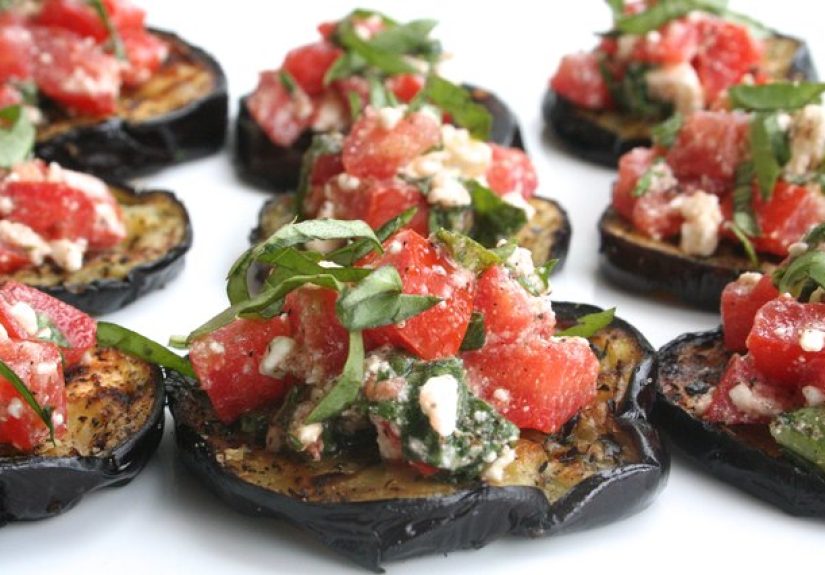
This is the go-to for burgers, sandwiches, salads, and stacking with tomatoes and feta like you’re running a summer photo shoot.
- Cut: 1/2-inch rounds.
- Prep: Optional dry-salt or brine, then pat dry.
- Season: Brush both sides with oil; add salt, pepper, and one of these:
- Garlic + smoked paprika + oregano
- Za’atar + lemon zest
- Chili flakes + cumin + coriander
- Grill: Place on medium-high heat. Cook about 3–5 minutes per side depending on thickness, until grill marks appear and the center is tender.
- Finish: Brush lightly with more seasoned oil or a squeeze of lemon. Rest 2 minutes before serving.
What “done” looks like: the slice bends slightly, the flesh is creamy when pierced with a fork, and the outside has dark char linesnot an all-over black crust.
Method 2: Planks or halves (best for a main dish vibe)
If you want eggplant to feel like a barbecue entrée, this is your method. Halves and planks hold up, stay juicy, and love bold toppings.
For planks
- Cut: 1/3–1/2 inch planks.
- Oil + season: Brush both sides with oil; season generously.
- Grill: Sear over the hot zone for 2–3 minutes per side to mark.
- Finish: Move to cooler zone, close lid, cook 3–6 minutes more until tender.
For halves
- Cut: Lengthwise; score flesh in a crosshatch.
- Oil + season: Brush oil into the cuts; season with salt, pepper, and your spice blend.
- Grill: Start cut-side down over direct heat for 3–5 minutes until marked.
- Finish: Move to indirect heat, lid closed, until very tender (often 10–15 minutes depending on size).
- Serve: Top with yogurt sauce, tahini, chimichurri, or crumbled feta and herbs.
Method 3: Whole grilled eggplant (for smoky dips and spreads)
Whole eggplant on the grill is how you get deep, smoky flavor without fancy equipment. This is perfect for turning into a dip, a spread, or a silky topping for grilled bread.
- Prep: Pierce the eggplant a few times with a fork so it doesn’t pop like a balloon.
- Grill: Place whole eggplant over medium heat. Turn occasionally until the skin is charred and the eggplant is totally softoften 30–40 minutes depending on size.
- Rest: Wrap in foil and rest 10–15 minutes (this steams the inside and makes peeling easier).
- Scoop: Split and scoop out the flesh. Season with lemon juice, garlic, tahini or yogurt, salt, and olive oil.
Bonus: If your party wants an appetizer, serve this smoky eggplant mash with pita chips and tell everyone it was “inspired by Mediterranean summers.” No one needs to know your inspiration was “I forgot to slice it.”
5) Flavor Upgrades: Marinades, Seasonings, and Sauces That Love Eggplant
Eggplant is mild and slightly sweet when grilled, which makes it an excellent canvas for bold flavors. Here are combinations that work especially well at a barbecue.
Easy marinade ideas (10 minutes to overnight)
- Garlic-chili oil: Warm olive oil with minced garlic and chili flakes, then brush on before and after grilling. Top with herbs and lemon.
- Teriyaki-style: Soy sauce + a little sugar/honey + garlic + ginger. Marinate briefly, grill, then brush with reserved marinade.
- Za’atar lemon oil: Olive oil + za’atar + lemon zest + pinch of salt. Bright, fragrant, and wildly BBQ-friendly.
- Balsamic herb: Olive oil + balsamic + oregano + black pepper. Great for serving with tomatoes and mozzarella.
Finishing sauces (the “why is this so good?” factor)
- Tahini-lemon sauce: Tahini + lemon + garlic + water + salt, whisked creamy.
- Yogurt sauce: Greek yogurt + lemon + grated garlic + dill/parsley + salt.
- Chimichurri: Parsley + garlic + vinegar + olive oil + chili flakes.
- Hot honey drizzle: Sweet heat on charred planks is a crowd-pleaser.
One practical note: if you’re using a sugary marinade (teriyaki, honey), keep the heat slightly lower or finish over indirect heat so the sugars don’t burn before the eggplant turns tender.
6) Troubleshooting: Fix the Four Classic Eggplant Grill Problems
Problem: “My eggplant sticks to the grill.”
- Fix: Preheat longer, clean and oil grates, and wait before flipping.
- Rule: If it fights you, it’s not done searing. Let it release naturally.
Problem: “It’s greasy or soggy.”
- Fix: Brush oil lightly instead of pouring. Grill over medium-high heat to drive off moisture and brown the surface.
- Optional: Dry-salt or brine, then dry thoroughly to improve browning.
Problem: “It tastes bitter.”
- Fix: Choose smaller, fresher eggplant; consider dry-salting for older/larger eggplants.
- Flavor help: Add acid (lemon, vinegar) and herbs after grillingbitterness fades fast with the right finish.
Problem: “It’s burnt outside and raw inside.”
- Fix: Thicker cuts need two-zone cooking. Sear, then move to indirect heat with the lid closed to finish.
- Cut check: Very thick rounds may need 10–12 minutes total and a cooler finishing zone.
7) Serving Ideas: Turn Grilled Eggplant into the Star of the Barbecue
Grilled eggplant can be a side dish, a sandwich hero, or a full-on maindepending on what you pair it with. Here are ideas that fit right into a classic American barbecue spread.
Fast serving combos
- Eggplant “steak” plates: Top slices with chimichurri and serve with corn, slaw, and grilled lemons.
- Mediterranean platter: Eggplant + tomatoes + feta + basil + balsamic drizzle.
- Veggie gyros: Stuff pitas with grilled eggplant, lettuce, tomato, onion, and tzatziki-style yogurt sauce.
- Smoky dip board: Whole-grilled eggplant mash + pita + cucumbers + olives.
Make it feel like a “real barbecue main”
- Grilled eggplant parm-style: Grill slices until tender, spoon on marinara, add mozzarella, close lid to melt.
- Eggplant burgers: Use thick rounds as the centerpiece with tomato, arugula, and a garlicky mayo.
- Skewer party: Cube eggplant, toss with oil and spices, skewer with peppers and onions, grill until tender.
8) Make-Ahead Tips and Leftovers (Because You’ll Want Them)
Make-ahead strategy
- Slice in advance: If prepping early, keep slices covered and brush with oil closer to grilling to avoid excess oxidation and moisture.
- Pre-mix sauces: Yogurt sauce, tahini sauce, and chimichurri can be made hours ahead (and taste better after resting).
Storing leftovers
- Fridge: Store grilled eggplant in an airtight container 3–4 days. A light drizzle of olive oil helps prevent drying.
- Reheat: Warm on a skillet, grill pan, or in a hot oven. Microwaving works, but it softens the char (and your dignity) a bit.
- Use cold: Chop into salads, add to sandwiches, or toss with pasta and a squeeze of lemon.
Real-Life Grilling Experiences (and the Eggplant Lessons They Taught Me)
The first time I tried grilling eggplant for a backyard barbecue, I treated it like zucchini: slice thin, splash oil, toss on the grill, flip when I felt like it. The eggplant responded by absorbing approximately one gallon of olive oil and welding itself to the grates like it was auditioning for a home renovation show. When I finally scraped it off, half the “steaks” looked like they’d lost a fight with a cheese graterand the other half were somehow both mushy and dry. That day I learned two things: eggplant has a sense of humor, and it’s directed at you.
The next attempt was the “I will be smarter than this vegetable” era. I preheated the grill longer and cleaned the grates properly, then oiled them lightly right before cooking. That alone made a huge difference: the eggplant still wanted to stick at first, but it eventually released on its own when the grill marks formed. I also stopped slicing paper-thin and switched to 1/2-inch rounds. Suddenly, the interior turned creamy instead of shriveled, and the outside actually browned instead of just drying out.
My favorite breakthrough came at a cookout where everyone brought something, and I brought eggplantan ingredient that can make people nervous because they’ve had it turn out bitter before. I used a mix of globe eggplant and Japanese eggplant. The Japanese ones were the crowd-pleasers because they cooked fast: I halved them lengthwise, scored the flesh, brushed on a simple garlic-chili oil, and grilled them cut-side down until marked. Then I moved them to the cooler side of the grill, closed the lid, and let them finish gently. I topped them with a lemony yogurt sauce and herbs. People who swore they “don’t like eggplant” went back for seconds, which is the highest compliment in barbecue cultureright after “Can I take some home?”
I also learned that eggplant doesn’t need a complicated marinade to taste great, but it does need thoughtful timing. If you use a sweet sauce too early (think teriyaki or honey), it can burn before the eggplant becomes tender. Now I either keep the heat a little lower, finish over indirect heat, or brush on the sweet glaze during the last minute or two. That keeps the flavor bold without turning the surface into a campfire caramel accident.
Another real-world win: whole grilled eggplant for smoky dips. One time the grill was packedburgers on one side, corn on the other, someone aggressively “making room” for hot dogsand I didn’t have space to babysit slices. I tossed two whole eggplants onto a medium area, turning them whenever I walked by. After about half an hour, the skins were charred and the eggplants were soft and collapsed. I wrapped them in foil, let them rest, then scooped the flesh and mixed it with lemon, garlic, tahini, salt, and a drizzle of olive oil. It was smoky, silky, and disappeared faster than the chips. Bonus: it made me look like I had a plan all along, which is the real secret sauce of hosting.
The biggest lesson from all these cookouts is that grilled eggplant rewards a “barbecue mindset.” You don’t force it. You set up your grill with a hot zone and a cooler zone, you use enough heat to brown the surface, and you give the vegetable time to get tender without burning. You brush oil instead of drowning it, and you finish with something brightlemon, vinegar, herbs, yogurt, or tahinito make the smoky flavor pop. Once you do that, eggplant stops being the risky wildcard and starts being the thing people ask you to make again next weekend.