Table of Contents >> Show >> Hide
- Getting to Know Basket Plant (Callisia fragrans)
- Light Requirements: Bright but Not Blazing
- Soil and Potting: Well-Draining and Comfy
- Watering Basket Plant: Moist, Not Marshy
- Temperature and Humidity: Warm and Mildly Tropical
- Fertilizing Basket Plant
- Pruning and Grooming: Keeping It Full and Bushy
- Propagation: Turning One Basket Plant into Many
- Repotting Basket Plant
- Pests and Common Problems
- Toxicity and Safety for Pets
- Indoor vs. Outdoor Growing and Invasiveness
- Quick Basket Plant Care Summary
- Real-Life Tips and Experiences with Basket Plant
- 1. It forgives a surprising amount of neglect
- 2. It looks best when you plant several cuttings together
- 3. Don’t underestimate how fast it can grow in bright light
- 4. It makes a great “practice plant” for propagation
- 5. Color and leaf shape tell you a lot about its mood
- 6. Be mindful when moving it outdoors for summer
- 7. Pet households need a game plan
- 8. Don’t be afraid to start over from the best pieces
Meet basket plant (Callisia fragrans): a tough, trailing houseplant that looks like you spent hours babying it, even if you occasionally forget it exists. With glossy green leaves, fragrant little white flowers, and arching stems that spill beautifully over a pot, this plant is made for hanging baskets, plant shelves, and bright bathrooms. The good news? Basket plant care is simple once you learn its preferences for light, water, and warmth.
In this guide, you’ll learn exactly how to grow basket plant indoors or outside in warm climates, how to water and fertilize it, the easiest ways to propagate it, and what to watch for when it comes to pests, problems, and pet safety. We’ll also sprinkle in real-world tips so your basket plant not only survives but becomes the show-off of your indoor jungle.
Getting to Know Basket Plant (Callisia fragrans)
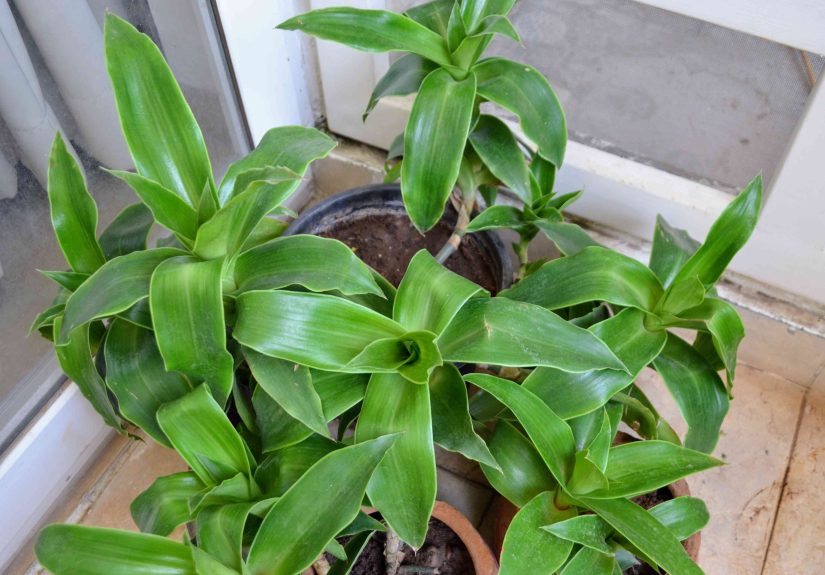
Basket plant is a tropical perennial from Mexico and neighboring regions. It belongs to the spiderwort family (Commelinaceae), the same clan as inch plant and wandering dude. In its native habitat and in frost-free areas like parts of Florida, it can behave almost like a groundcover, sending out creeping stems that root as they go and forming dense mats of foliage.
As a houseplant, it usually stays compact, with rosettes of thick, slightly waxy leaves that can take on purple tones when grown in brighter light. The stems eventually arch over the pot, producing offsets (baby plants) at the tips. Give it good conditions and it may reward you with sprays of tiny, starry, fragrant white flowers.
- Common names: Basket plant, chain plant, inch plant, false bromeliad
- Botanical name: Callisia fragrans
- Type: Tropical perennial herb; usually grown as a houseplant
- Typical size indoors: 6–12 inches tall, with trailing stems up to 2–3 feet long
- USDA hardiness zones (outdoors): About 10b–11 in frost-free climates
Light Requirements: Bright but Not Blazing
Basket plant thrives in bright, indirect light. Think “well-lit room where you can comfortably read a book” rather than “desert windowsill at high noon.” Too little light leads to stretched, floppy stems and dull leaves. Too much direct sun can scorch the foliage or bleach it a pale yellow.
Best spots around the home
- Near an east-facing window with gentle morning sun.
- A few feet back from a bright south or west window with sheer curtains.
- On a plant shelf under bright LED grow lights for 10–12 hours a day.
Outdoors in warm regions, basket plant prefers partial shade or dappled light. A covered porch, shaded balcony, or under a larger shrub works well. Direct, intense summer sun can cause crispy edges and washed-out color.
Soil and Potting: Well-Draining and Comfy
Basket plant likes a well-draining potting mix that holds some moisture but never stays soggy. A standard peat- or coco-based houseplant mix works fine, especially if you add a bit of extra drainage.
Simple potting mix recipe
- 2 parts all-purpose indoor potting soil
- 1 part perlite or pumice for drainage
- Optional: 1 part fine orchid bark or coconut chips for extra aeration
Choose a pot with drainage holes. Hanging baskets and wide, shallow pots are especially good because basket plants like to trail and spread. Avoid very oversized pots; extra soil stays wet longer and can encourage root rot.
Watering Basket Plant: Moist, Not Marshy
If basket plant had a watering motto, it would be: “Please don’t drown me, but don’t let me bake, either.” It prefers evenly moist soil during the growing season, with a light dry-down between waterings.
Basic watering routine
- Check the top 1–2 inches of soil with your finger.
- Water thoroughly when that top layer feels dry.
- Let excess water drain completely; never leave the pot sitting in a saucer of water.
In warm, bright conditions, that might mean watering every 2–3 days. In lower light or cooler rooms, you may only need to water weekly or even less. During winter or when growth slows, cut back on watering and let the soil dry more between drinks.
Signs you’re overwatering or underwatering
- Overwatering: Yellowing leaves starting from the base, mushy stems, and musty-smelling soil.
- Underwatering: Wilting, limp leaves that feel paper-dry, and soil pulling away from the sides of the pot.
Aim for that Goldilocks zone: soil that’s never bone-dry for days, but also not constantly soggy. Once you find the rhythm of basket plant care in your specific environment, watering becomes almost automatic.
Temperature and Humidity: Warm and Mildly Tropical
As a subtropical plant, Callisia fragrans likes things warm. Room temperatures between 65–80°F (18–27°C) are ideal. It can tolerate brief dips into the low 60s, but anything below about 50°F (10°C) risks leaf damage.
Normal household humidity is usually fine, but the plant will appreciate slightly higher humidityespecially in dry, heated homes in winter. If your air is very dry, you can:
- Group plants together to create a mini-jungle microclimate.
- Place the pot on a pebble tray with water (the pot should sit on the pebbles, not in the water).
- Use a small humidifier nearby.
Avoid placing basket plants directly under heating vents, AC blasts, or near drafty doors and windows. Sudden temperature swings can lead to leaf tips browning or leaves dropping from stress.
Fertilizing Basket Plant
Basket plant isn’t a heavy feeder, but it responds nicely to regular, gentle fertilizing during spring and summer. Overfeeding can lead to lush but weak growth and can burn the roots, so less is more.
Fertilizer guidelines
- Use a balanced liquid houseplant fertilizer (for example, 10-10-10 or 20-20-20).
- Dilute it to half or quarter strength.
- Feed every 4–6 weeks from early spring through early fall.
- Skip fertilizing in winter when growth naturally slows.
If you prefer organics, a mild fish emulsion, seaweed fertilizer, or a slow-release granular fertilizer mixed into the potting soil at repotting time also works well. Just follow label instructions and resist the urge to “double up” to speed growth.
Pruning and Grooming: Keeping It Full and Bushy
One of the most satisfying parts of basket plant care is pruningit responds quickly and generously. Regular trimming keeps the plant compact and encourages new side shoots.
How to prune basket plant
- Use clean, sharp scissors or pruners.
- Cut back overly long stems just above a leaf node (where a leaf meets the stem).
- Remove any yellow, damaged, or shriveled leaves.
- Don’t be afraid to give it a bigger haircut in spring if it’s become leggy.
The best part? Many of those trimmed stems can be used as cuttings for propagating new plants, so your tidy-up session can easily turn into a propagation party.
Propagation: Turning One Basket Plant into Many
Basket plant is ridiculously easy to propagate. If you can handle cutting a stem and sticking it in soil or water, you’re qualified.
Propagation by stem cuttings (the simplest method)
- Choose a healthy stem. Look for a non-flowering stem with several leaves and at least a few nodes along the stem.
- Cut below a node. Using clean scissors, cut a 4–6 inch piece just below a leaf node.
- Remove lower leaves. Strip off the leaves from the bottom 1–2 inches of the cutting so no foliage sits in water or soil.
-
Root in water or soil.
- Water method: Place the cutting in a glass of room-temperature water, ensuring only the bare stem is submerged. Refresh the water every few days.
- Soil method: Plant the cutting in moist, well-draining soil and firm it gently around the base.
- Provide bright, indirect light. Keep the cutting in a warm spot. Roots usually begin forming within 1–3 weeks.
- Pot up when rooted. Once roots are 1–2 inches long (for water) or the cutting resists a gentle tug (for soil), pot several cuttings together for a nice, full look.
You can also propagate by rooting the offsets that form at the ends of trailing stems. Tuck the little rosette into a nearby pot of soil while it’s still attached, let it root, then snip the connecting stem once it’s established.
Repotting Basket Plant
Basket plant grows fairly quickly, especially in good light. It doesn’t mind being a bit root-bound, but eventually you’ll see roots circling the pot or poking out of the drainage holessigns it’s time to repot.
When and how to repot
- Check the roots every year or so.
- Repot every 1–2 years in spring.
- Select a pot 1–2 inches wider in diameter than the current one.
- Loosen the root ball gently and remove any dead or mushy roots.
- Refresh with fresh potting mix for better drainage and nutrients.
If your plant is huge and you’d rather not size up the pot, divide it instead. Gently tease apart sections of the root ball, making sure each section has stems and roots, and pot them separately. Instant bonus plants for other rooms or for friends.
Pests and Common Problems
Basket plant is generally low-maintenance, but a few issues may pop up from time to timeusually related to watering, light, or hitchhiking pests.
Common pests
- Spider mites: Look for tiny webbing and speckled leaves, especially in dry air. Rinse the plant in the shower and follow up with insecticidal soap if needed.
- Mealybugs: White, cottony clumps on stems and leaf joints. Dab with a cotton swab dipped in rubbing alcohol and treat with neem oil or insecticidal soap.
- Aphids: Soft, pear-shaped insects clustering on new growth. Rinse them off and treat if the problem persists.
Leaf issues and what they mean
- Brown, crispy edges: Too much sun, very dry air, or underwatering.
- Yellowing leaves: Often from overwatering or poor drainage; check the roots and soil moisture.
- Leggy, stretched stems: Not enough lightmove closer to a bright window or add a grow light.
Toxicity and Safety for Pets
Here’s the less-fun news: many sources consider basket plant toxic or irritating to cats and dogs. Ingesting the leaves or sap can cause drooling, vomiting, or diarrhea, and sensitive animals may have skin irritation where the sap touches their skin.
If you share your home with curious pets that love to chew plants, it’s safest to:
- Hang basket plant well out of reach.
- Use sturdy wall planters high on the wall.
- Choose confirmed non-toxic plants for low surfaces.
If your pet does nibble and shows symptoms like vomiting, lethargy, or excessive drooling, call your veterinarian or a pet poison hotline as soon as possible. Better safe than sorry.
Indoor vs. Outdoor Growing and Invasiveness
In most of the United States, basket plant is grown indoors or as a container plant brought outside in warm weather. However, in frost-free climates (especially some parts of Florida and other subtropical zones), it can spread aggressively in the ground and is considered an invasive species in certain areas.
If you garden in a warm coastal or subtropical region, check local guidelines before planting basket plant directly in the ground. To be responsible, many gardeners grow it in pots or hanging baskets only, which prevents it from escaping into natural areas.
Quick Basket Plant Care Summary
- Light: Bright, indirect light; avoid harsh midday sun.
- Water: Keep soil lightly moist, allowing the top 1–2 inches to dry between waterings.
- Soil: Well-draining potting mix with extra perlite.
- Temperature: 65–80°F (18–27°C); protect from cold drafts.
- Humidity: Average home humidity is fine; slightly higher is even better.
- Feeding: Diluted balanced fertilizer every 4–6 weeks in spring and summer.
- Propagation: Very easy from stem or offset cuttings.
- Pets: Considered toxic/irritating to cats and dogskeep out of reach.
Real-Life Tips and Experiences with Basket Plant
Reading a care guide is one thing; living with a plant is another. Here are some experience-based insights that often don’t make it onto plant labels but can make your life a lot easier.
1. It forgives a surprising amount of neglect
Many plant parents discover basket plant by accidentoften as a passed-along cutting from a friend or a grocery-store impulse buy. One of the first pleasant surprises is how forgiving it can be. Miss a watering? It usually bounces back. Forget to fertilize for a season? It still grows, just a bit more slowly. This resilience makes it a great “bridge plant” for people who are ready to graduate from pothos but not quite ready for diva calatheas.
2. It looks best when you plant several cuttings together
A single starter plant can look a bit sparse at first. A popular trick is to root multiple cuttings and pot them together in the same container. This gives you an instantly fuller, more luxurious look. Over time, the rosettes will spill over the rim, and the pot will look like a small green fountain of foliage.
3. Don’t underestimate how fast it can grow in bright light
Under strong but indirect light, basket plants can grow quickly, sending out long stolons with baby plants at their tips. If you enjoy a wild, cascading look, let those stems go. If you prefer a tidier aesthetic, give it regular trims and re-root the cuttings. Either way, be prepared to repot or refresh the plant every year or two so it doesn’t become a tangled mass with tired, woody stems in the center.
4. It makes a great “practice plant” for propagation
If you’ve ever been nervous about propagating plants, basket plant is the equivalent of training wheels. The cuttings root readily in both water and soil, and failure is rare if you keep them warm and lightly moist. Many people use this plant to teach kids about how roots form or to practice making new plants to gift. You can turn one pot into several over a single growing season.
5. Color and leaf shape tell you a lot about its mood
Over time, you’ll learn to “read” your plant. Leaves that are vibrant green with a slight sheen signal that it’s happy with its environment. If they start to pale and stretch toward the light, that’s your cue to move it somewhere brighter. If the leaves develop brown tips, check both moisture and humidityoften a small adjustment in watering schedule or moving away from a heater vent solves the problem.
6. Be mindful when moving it outdoors for summer
Many plant parents like to move basket plants outside when temperatures warm up. This can be a great idea, but transition is important. Move the plant into a shaded area first and gradually introduce more light over a week or two. Putting it straight into strong sun can result in sunburned patches that don’t recover.
7. Pet households need a game plan
Because basket plant is considered toxic or irritating to pets, experience says it’s better to plan ahead rather than react later. If your cats are acrobatic shelf explorers, hang the plant near a ceiling hook in an area they can’t access, like a closed office or bathroom. Dog people often have more flexibility, but if you have a plant-chewing pup, consider keeping basket plant behind a baby gate or in a room they can’t enter unsupervised.
8. Don’t be afraid to start over from the best pieces
After a few years, some basket plants become a bit tiredwoody at the base with a tangle of older stems. Instead of trying to rehab the entire root ball, many experienced growers simply take the healthiest top cuttings, root them, and create a fresh, new pot. It’s like giving your plant a time machine back to its youthful, compact phase.
When you combine these lived-in tricks with the basic care guidelinesbright indirect light, well-draining soil, steady moisture, and warmthyou’ll find that basket plant is one of the most rewarding and easygoing houseplants you can grow. Whether you hang it in a macramé planter, let it trail off a bookshelf, or use it as a lush green accent on a balcony, Callisia fragrans has the personality and resilience to fit right in.