Table of Contents >> Show >> Hide
- Quick Care Snapshot (Save This for Later)
- Meet the Plant: What Makes ‘Grey Star’ Special?
- Light: The “Bright Indirect” Sweet Spot
- Watering: Consistently Moist, Never Swampy
- Humidity: The Secret Sauce for Big, Beautiful Leaves
- Temperature and Airflow: Warm, Stable, Draft-Free
- Soil and Potting Mix: Airy + Moisture-Retentive
- Fertilizer: Feed Lightly, Not Aggressively
- Pruning and Cleaning: Low Effort, High Payoff
- Repotting: When and How to Do It
- Propagation: Division Is the Easiest Win
- Common Problems (and Exactly What to Do)
- Pests: The Usual Suspects (and How to Win)
- Is ‘Grey Star’ Pet-Friendly?
- Where to Place It in Your Home (So It Looks Like You Know What You’re Doing)
- FAQ
- of Real-World “Grey Star” Experience (What People Learn After the Honeymoon Phase)
- Conclusion
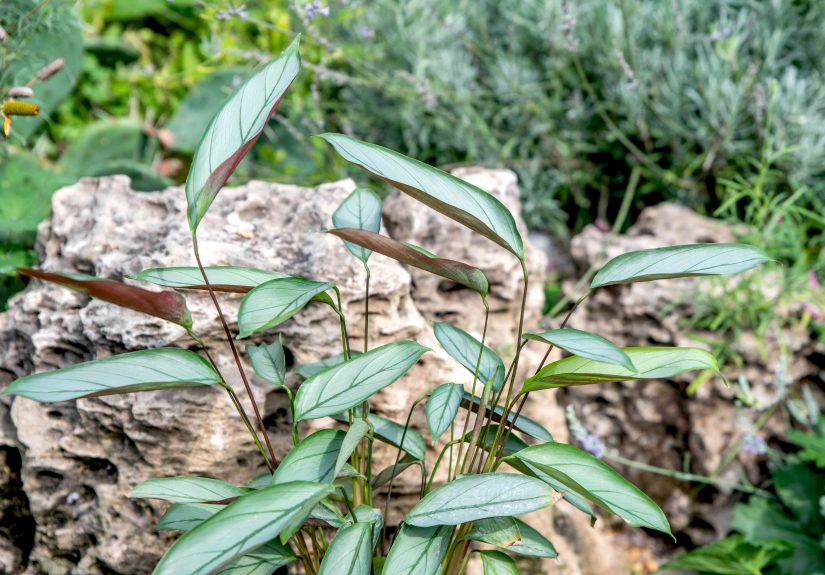
If houseplants had personalities, Ctenanthe setosa ‘Grey Star’ would be the elegant friend who shows up in a silver outfit,
looks flawless in photos… and politely requests a humidifier. Give it the right conditions and it rewards you with dramatic,
satin-silver leaves, deep purple undersides, and that classic “prayer plant” habit of gently moving its foliage between day and night.
(No, it’s not judging you. It’s just stretching.)
This guide covers everything you need to keep ‘Grey Star’ thriving: light, watering, humidity, soil, fertilizing, repotting,
propagation, and troubleshooting the most common problems (hello, brown tips). The goal: lush foliage, minimal drama.
Quick Care Snapshot (Save This for Later)
- Light: Bright, indirect light (tolerates medium; avoid harsh sun)
- Water: Keep evenly moist, not soggy; water when the top 1–2 inches feel barely dry
- Humidity: High is best (aim for 50%+; higher if your air is desert-dry)
- Temperature: Warm and steady (about 65–80°F; protect from drafts)
- Soil: Airy, well-draining mix that still holds some moisture
- Fertilizer: Diluted balanced liquid feed monthly in spring/summer
- Propagation: Division when repotting (the easiest, most reliable method)
Meet the Plant: What Makes ‘Grey Star’ Special?
‘Grey Star’ (sometimes sold as “Never-Never Plant” or under similar common names in the prayer plant world) is prized for its long,
lance-shaped foliage: silvery-gray surfaces with darker green striping and a rich purplish underside. Like many plants in the
Marantaceae family, it can show nyctinastyleaf movement tied to light cyclesso you may notice leaves lift or shift
at night and relax again by morning.
Indoors, ‘Grey Star’ is grown primarily for foliage, not flowers. Think of it as a living piece of textured wallpaperexcept it doesn’t
require paste, and it doesn’t argue with your landlord.
Light: The “Bright Indirect” Sweet Spot
Your best lighting is bright, indirect light: near an east- or north-facing window, or a few feet back from a bright
window with sheer curtains. Too much direct sun can scorch leaves or fade that signature silvery look. Too little light won’t usually
kill it immediately, but growth slows and foliage can lose crisp contrast.
Easy light test
If you can comfortably read a book in the spot without turning on a lamp during daytime, that’s often a solid “medium-to-bright indirect”
area. If sunbeams hit the leaves for hours, filter that light. If the plant is hiding in a cave, bring it closer to brightness.
If you’re using grow lights
A full-spectrum LED grow light can work well, especially in winter or low-light homes. Keep the light far enough away to avoid heat
stress, and aim for consistency rather than blasting the plant like it’s auditioning for a tanning commercial.
Watering: Consistently Moist, Never Swampy
The #1 way ‘Grey Star’ gets grumpy is inconsistent watering. The goal is even moisturenot bone dry, not soggy.
Water when the top 1–2 inches of soil feel just barely dry to the touch.
A practical watering routine
- Check: Stick a finger into the soil (or use a wooden skewer). If it comes out damp with soil clinging, wait.
- Water thoroughly: Water until it drains from the bottom, then empty the saucer.
- Adjust seasonally: In brighter, warmer months you’ll water more often; in winter, less.
Water quality matters more than you’d think
Many prayer-plant relatives can develop brown edges or tips from minerals/chemicals in tap water (fluoride and salts are frequent
suspects). If you see chronic crisping even when humidity and watering seem right, try filtered, distilled, or rainwater.
Also use room-temperature watercold water can shock sensitive roots.
Humidity: The Secret Sauce for Big, Beautiful Leaves
If your home runs dry, ‘Grey Star’ will often respond with curled leaves, crispy edges, or general “I’m not mad, I’m disappointed”
vibes. Aim for 50% humidity or higher if possible.
Simple ways to raise humidity (without turning your home into a rainforest exhibit)
- Humidifier: The most effective and consistent option.
- Pebble tray: Set the pot on pebbles above water (so the pot bottom isn’t sitting in water).
- Plant grouping: Plants transpire and gently raise local humidity.
- Better placement: Kitchens and bathrooms can work well if light is adequate.
A note on misting: occasional light misting may help briefly, but it’s not a long-term solution. If your air is truly dry, a humidifier
will do more than a spray bottle ever will.
Temperature and Airflow: Warm, Stable, Draft-Free
‘Grey Star’ prefers steady warmth, typically around 65–80°F. Avoid cold drafts, blasting vents, and sudden temperature
swings. If your plant sits directly in the path of an air conditioner, you may see leaf curling, drooping, or crispy edges even if you
water “perfectly.”
Soil and Potting Mix: Airy + Moisture-Retentive
The ideal potting mix drains well but doesn’t dry out instantly. Think “fluffy sponge,” not “wet brick” and not “bone-dry sand.”
An airy mix helps prevent root rot while still holding enough moisture for a tropical plant.
Easy DIY mix (great for prayer plant relatives)
- 2 parts high-quality indoor potting mix
- 1 part perlite (or pumice) for airflow
- 1 part coco coir or fine orchid bark for structure and moisture balance
Choose the right pot
Use a pot with drainage holes. Materials matter: unglazed terracotta can dry the soil faster, which may be a challenge
for moisture-loving plants. Plastic or glazed ceramic often works well because it holds moisture more evenly.
Fertilizer: Feed Lightly, Not Aggressively
‘Grey Star’ isn’t trying to become a bodybuilder overnight. Over-fertilizing can cause leaf tip burn and salt buildup in soil.
During spring and summer, feed with a balanced liquid houseplant fertilizer diluted to half strength about once a month.
In fall and winter, reduce or pause feeding as growth slows.
Pro tip: flush the soil occasionally
Every month or two (especially if using fertilizer and tap water), run extra water through the pot for a minute to rinse out excess salts,
letting it drain fully afterward.
Pruning and Cleaning: Low Effort, High Payoff
You don’t need to “shape” ‘Grey Star’ like a hedge. Just remove yellowing or crispy leaves at the base with clean scissors.
Wipe leaves with a damp cloth now and then to remove dustclean leaves photosynthesize better and look dramatically more expensive.
Repotting: When and How to Do It
Repot when roots circle the pot, water runs straight through, or growth stalls despite good care. Many people repot every 1–2 years,
but it depends on growth rate and pot size.
How to repot without stressing it out
- Pick a pot only 1–2 inches wider than the current one (oversized pots stay wet too long).
- Gently slide the plant out and loosen the outer roots a little (don’t shred the root ball).
- Add fresh mix, set the plant at the same height, and backfill around it.
- Water thoroughly and place it back in bright, indirect light.
Propagation: Division Is the Easiest Win
‘Grey Star’ is best propagated by divisionespecially when repotting in spring or early summer. Water propagation from
cuttings is usually unreliable for this type of plant because new growth comes from the crown/rhizome structure rather than typical
stem nodes like pothos.
Step-by-step division
- Unpot the plant and gently shake away some soil so you can see natural clumps.
- Identify sections with their own stems/leaves and a healthy root portion.
- Separate with your hands when possible; use a clean knife only if needed.
- Pot each division into fresh mix, water, and keep humidity higher while it re-establishes.
After division, expect a short “recovery period.” Keep the plant warm, evenly moist, and out of intense light while roots settle in.
Common Problems (and Exactly What to Do)
Brown tips or crispy edges
- Most likely causes: low humidity, mineral-heavy water, fertilizer salts, inconsistent watering.
- Fix it: raise humidity, switch to filtered/distilled water, flush soil, and keep moisture consistent.
Leaves curling
- Most likely causes: underwatering, low humidity, hot/cold drafts.
- Fix it: check soil moisture, water thoroughly, move away from vents, improve humidity.
Yellowing leaves
- Most likely causes: overwatering, poor drainage, or soil staying wet too long.
- Fix it: let the top layer dry slightly before watering again, verify drainage holes, and consider a chunkier mix.
Drooping even after watering
- Most likely causes: root stress (too wet for too long), temperature shock, or severe dryness followed by uneven rehydration.
- Fix it: check roots, stabilize conditions, and avoid extremes. Consistency beats “rescue mode” long-term.
Leaf spots or fungal issues
- Most likely causes: wet foliage + poor airflow, chronically wet soil, or a stressed plant.
- Fix it: water at the soil line, increase airflow gently (not a cold blast), remove heavily spotted leaves, and avoid soggy mix.
Pests: The Usual Suspects (and How to Win)
Indoors, ‘Grey Star’ may attract common houseplant pestsespecially when air is dry. Check the undersides of leaves regularly.
Catching pests early is the difference between “quick cleanup” and “why is my plant wearing tiny webbing.”
Spider mites
- Signs: fine webbing, tiny speckling, dull leaves.
- What to do: isolate the plant, rinse leaves (especially undersides), and treat weekly with insecticidal soap or horticultural oil as needed.
Mealybugs and scale
- Signs: cottony clusters (mealybugs), small raised bumps (scale), sticky residue.
- What to do: wipe with a cotton swab dampened with isopropyl alcohol, then follow up with insecticidal soap/oil weekly until controlled.
General pest strategy
- Isolate the plant.
- Physically remove pests (wipe/rinse).
- Treat repeatedly (weekly is common) because eggs/hatch cycles are stubborn.
- Improve humidity and overall plant health to reduce repeat infestations.
Is ‘Grey Star’ Pet-Friendly?
Many plants in the prayer plant family are widely considered non-toxic to cats and dogs. Still, “non-toxic” doesn’t mean
“snack approved.” Any plant material can cause mild stomach upset if a pet eats enough of it. If you have a committed plant-muncher,
place ‘Grey Star’ out of reach and talk to your vet if ingestion happens and symptoms appear.
Where to Place It in Your Home (So It Looks Like You Know What You’re Doing)
- Bright bathroom shelf: humidity bonus, spa vibes, and the plant won’t judge your skincare routine.
- East-facing window area: gentle morning light helps keep the leaf pattern crisp.
- Office/desk corner: medium light is fine if you can keep humidity reasonable.
- Grouped with other tropicals: a mini “humidity neighborhood” that benefits everyone.
FAQ
Why does my ‘Grey Star’ move its leaves?
That’s normal for many prayer plants. Leaf movement follows a daily rhythm connected to light and internal plant signals.
Should I mist it daily?
Misting can raise humidity for a short moment, but it’s not a reliable fix for truly dry air. If your home is dry, a humidifier or
pebble tray is more effective.
How fast does it grow?
In warm temperatures, bright indirect light, and good humidity, it can grow steadily through spring and summer. In winter, growth often slows.
Can it handle low light?
It can tolerate medium-to-lower indirect light, but foliage color and growth will usually be better with brighter indirect light.
of Real-World “Grey Star” Experience (What People Learn After the Honeymoon Phase)
Caring for Ctenanthe setosa ‘Grey Star’ often starts the same way: you see those silver leaves, you bring it home, and you place it
somewhere “bright.” A week later you’re staring at one crispy tip like it’s a personal insult. The good news is that most ‘Grey Star’
struggles aren’t mysteriousthis plant is simply honest about its preferences, and it communicates in leaf language.
A very common experience is learning that “watering on a schedule” is less useful than “watering based on the soil.” Many growers try
to water every Sunday like it’s a houseplant religious holiday. But a Grey Star in a bright window with active growth may need water
sooner, while the same plant in winter might stay moist for much longer. The moment people switch to checking the soil with a finger,
skewer, or moisture meter, the plant usually stops acting like it’s auditioning for a soap opera.
Another big lesson: humidity changes everything. In homes with forced-air heat or strong A/C, Grey Star can look perfect for a while,
then suddenly show curled leaves and crunchy edges. A lot of people report that a small humidifier nearby does more for this plant than
any other single change. Even a pebble tray and grouping plants together can noticeably reduce the “crispy tip” situation. The plant’s
foliage is broad and thin enough that dry air shows up quicklylike static cling, but botanical.
Many plant owners also learn the “water quality” trick the hard way. If your Grey Star gets brown tips even when humidity and watering
seem on point, switching to filtered or distilled water is often the missing piece. It’s not that tap water is inherently evil; it’s
that some plants are more sensitive to minerals and additives. When people make the switch, new leaves frequently come in cleaner and
less browned at the edges, which feels like winning a tiny domestic championship.
Finally, there’s the repotting revelation: Grey Star likes a mix that holds moisture but still breathes. Dense soil that stays wet can
lead to yellowing and droop; overly fast-draining mix can have you watering constantly. The “aha” moment is an airy, chunky houseplant
blendpotting mix plus perlite plus something structured like bark or coir. Once that balance clicks, the plant usually becomes more
predictable and forgiving. Not low-maintenance, exactlybut much more cooperative.
If you take anything from the collective Grey Star experience, let it be this: consistency beats perfection. Bright indirect light,
steady warmth, even moisture, and decent humidity will take you farther than any single hack. And when the leaves fold at night, take it
as a reminder that your plant is not dying. It’s just… clocking out.
Conclusion
Ctenanthe setosa ‘Grey Star’ thrives when you recreate its favorite basics: filtered light, evenly moist soil, warm stable temperatures,
and humidity that doesn’t feel like a desert. Nail those, and you’ll get striking silver foliage that makes your space look instantly
more intentionallike you planned your decor instead of panic-buying plants online at 2 a.m.