Table of Contents >> Show >> Hide
- French Marigold Basics: What You’re Growing
- Choosing Varieties: Color, Size, and Flower Type
- When and Where to Plant
- Soil Prep and Planting: Beds and Containers
- Watering: The “Moist, Not Marshy” Rule
- Fertilizer: Don’t Overfeed (They’ll Get Leafy and Lazy)
- Pinching and Deadheading: More Blooms, Less Drama
- How to Keep French Marigolds Blooming Longer
- French Marigolds in Vegetable Gardens: Helpful, But Not Magical
- Common Problems (and How to Fix Them Without Panic)
- End-of-Season Care and Seed Saving
- Safety Notes: People, Pets, and Skin
- Quick-Care Cheat Sheet
- Real-World Experiences: What Gardeners Learn After a Season With French Marigolds (Extra 500+ Words)
- 1) The “full sun” rule is realand your blooms will tattle on you
- 2) Containers make you feel like a responsible adult… until August
- 3) Deadheading is less “work” and more “free flowers”
- 4) Overfertilizing creates the world’s healthiest-looking non-bloomer
- 5) They’re tough, but they still appreciate basic manners
- 6) They’re great in veggie bedsjust don’t expect superhero powers
- 7) The smell is a feature, not a bug (even if bugs disagree)
- Conclusion
If you’ve ever wished for a flower that shows up, shows off, and then politely keeps blooming without demanding a therapist,
meet the French marigold (Tagetes patula). It’s compact, cheerful, and basically the “reliable friend” of the summer garden:
it thrives in heat, tolerates less-than-perfect soil, and keeps the color coming until frost when you give it a few simple basics.
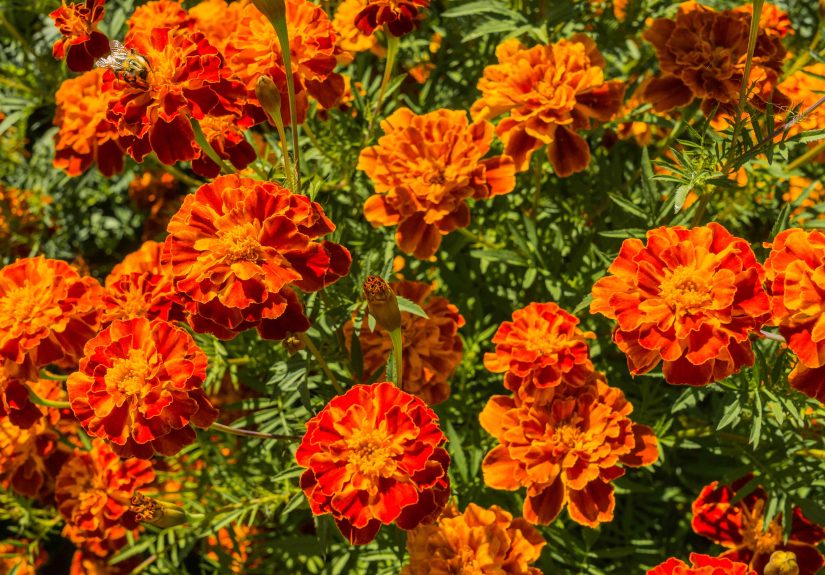
French marigolds are famous for their bright golds, oranges, reds, and bicolorsand for that bold marigold scent that some people love
and others describe as “my garden has opinions.” They’re also popular in veggie beds and containers, where they can fill gaps, edge borders,
and attract pollinators. But the real magic is how easy they are to grow once you know what they actually want (and what they don’t).
French Marigold Basics: What You’re Growing
French marigold is a warm-season annual best known for its tidy, bushy shape and nonstop blooms. In most gardens, it grows about
6–12 inches tall (sometimes a bit more depending on the variety), making it ideal for edging, mass planting, and pots.
It’s different from African marigold (Tagetes erecta), which tends to be taller with larger flowers, and signet marigold
(Tagetes tenuifolia), which has smaller, airy blooms and fine foliage.
French marigolds are sun-lovers that can handle summer heat, and once established, they’re fairly drought-tolerant.
They’ll bloom from late spring or early summer right up to frostespecially if you keep them deadheaded.
Choosing Varieties: Color, Size, and Flower Type
Picking a French marigold is like choosing a dessert: most options are delightful, and you’ll probably want more than one.
You’ll see single, semi-double, and fully double blooms in solid colors and bicolors. Look for compact “dwarf” types if you want
neat borders and containers, and slightly larger types if you want bigger visual impact in beds.
Quick variety match-ups
- Edging and neat borders: dwarf or compact varieties that stay short and dense.
- Containers: compact plants with lots of branching (more branches = more flowers).
- Bold beds: slightly taller cultivars or mixes with bicolors for “confetti” effects.
If you’re growing from seed, you’ll find mixes that give you a range of colors. If you want a specific look (say, orange-and-red bicolors),
buying transplants labeled by cultivar can be the easiest way to lock in your palette.
When and Where to Plant
French marigolds prefer warm conditions and are sensitive to frost. Plant outdoors after your last frost date, once nights are reliably mild.
They grow best with full sun (aim for at least 6 hours of direct light), though in very hot climates a little afternoon shade can help
blooms last longer.
Site selection checklist
- Light: full sun is ideal; light afternoon shade is okay in extreme heat.
- Air flow: give them breathing room to reduce fungal issues.
- Drainage: avoid soggy spots; marigolds dislike wet feet more than they dislike your singing.
Soil Prep and Planting: Beds and Containers
The best soil for French marigolds is well-drained, average fertility, and evenly moistespecially while plants are getting established.
They’re not fussy, but they do better when the ground isn’t compacted and water can move through.
Planting in garden beds
- Loosen the soil 6–8 inches deep and mix in compost if your soil is very sandy or heavy.
- Set spacing around 8–10 inches for French types (check your seed packet or plant label for the cultivar’s needs).
- Plant at the same depth as the nursery pot or cell pack; don’t bury stems.
- Water in well to settle soil around roots.
Planting in containers
Use a quality potting mix (not garden soil), and make sure the pot has drainage holes. Dwarf types can thrive in smaller containers,
but bigger pots hold moisture more evenly (and forgive you when you forget a watering). In hot weather, containers dry quicklyso plan
for more frequent checks.
Watering: The “Moist, Not Marshy” Rule
Right after planting, keep soil evenly moist while roots establish. Once plants are growing strongly, French marigolds tolerate some dryness,
but they bloom best with consistent water. A good pattern is deep watering when the top inch or so of soil feels drymore often in heat,
less often in cool or rainy weather.
Watering tips that prevent problems
- Water at the base rather than overhead to keep foliage drier and reduce disease pressure.
- Morning watering helps leaves dry quickly if they do get splashed.
- Containers: check daily in midsummer; small pots can dry out fast.
Fertilizer: Don’t Overfeed (They’ll Get Leafy and Lazy)
French marigolds generally don’t need heavy feeding. If your soil is average and you added compost, you can often skip fertilizer entirely.
If plants are in containers or your soil is very poor, use a balanced, gentle fertilizer sparingly.
Avoid going heavy on nitrogen. Too much nitrogen can push lush foliage at the expense of flowersmeaning you get a gorgeous green plant
that forgot it was hired to bloom.
Pinching and Deadheading: More Blooms, Less Drama
Want bushier plants with more flowers? Lightly pinch young plants early on (remove the growing tip) to encourage branching.
Then, throughout the season, deadheadremove spent bloomsso plants keep producing flowers instead of switching into seed-making mode.
How to deadhead French marigolds
- Follow a faded flower down to the next set of healthy leaves or a side bud.
- Snip or pinch just above that point.
- Repeat weekly (or whenever you’re out there pretending you’re “just checking on things”).
How to Keep French Marigolds Blooming Longer
Continuous bloom is mostly about three things: sun, moderate water, and regular cleanup.
If plants slow down midseason, check these common culprits:
- Too much shade: fewer blooms, leggier growth.
- Overfertilizing: lots of leaves, fewer flowers.
- Crowding: reduced airflow and more disease risk.
- Letting flowers go to seed: plants shift energy away from blooming.
French Marigolds in Vegetable Gardens: Helpful, But Not Magical
French marigolds are popular companions in veggie beds, and for good reason: they’re easy, they attract beneficial insects,
and they can fit neatly between crops. You’ll also hear that marigolds “repel all pests.” That’s… optimistic.
Here’s the realistic take: marigolds can help in certain contexts, especially with some plant-parasitic nematodes when used strategically
(often as a dense planting or cover crop rather than a few token flowers). But they can still be attacked by pests themselves,
and results depend on the marigold type, spacing, and the specific pest pressure in your soil.
Smart ways to use them near vegetables
- Border planting: edge beds with marigolds to add color and pollinator activity.
- In-fill planting: tuck them into gaps after early crops finish.
- Soil-focused strategy: if you’re targeting nematodes, dense planting and correct timing matter more than “one marigold by the tomatoes.”
Common Problems (and How to Fix Them Without Panic)
Fungal issues: leaf spots, powdery mildew, and botrytis
French marigolds can get fungal problems, especially in humid weather or when plants are crowded and foliage stays wet.
Prevention is the easiest cure: space plants for airflow, water at the soil line, and remove dead or diseased material promptly.
- If you see powdery coating on leaves: increase airflow, avoid overhead watering, and remove the worst leaves.
- If petals or blooms look mushy in wet weather: deadhead quickly and keep the area tidybotrytis often starts on aging or damaged tissue.
Insect pests: aphids, spider mites, thrips, slugs
Marigolds aren’t immune to pests. Aphids may cluster on tender growth; spider mites thrive in hot, dry, dusty conditions; thrips can scar flowers;
and slugs may chew seedlings. Start with gentle controls:
- Blast aphids off with a strong stream of water, then monitor.
- Reduce spider mites by improving plant hydration and hosing down leaf undersides (early in the day).
- Hand-pick slugs at dusk, remove hiding spots, and protect seedlings.
Leggy plants and fewer flowers
This usually points to shade, too much nitrogen, or inconsistent deadheading. Move containers into brighter sun, ease up on fertilizer,
and trim back lightly to encourage fresh branching.
End-of-Season Care and Seed Saving
French marigolds are annuals, so they’ll finish when frost arrives. If you want to save seeds, let a few flowers mature and dry on the plant.
When the seed head is fully dry, pull it apart and you’ll find the long, slender seeds inside.
Seed-saving steps
- Choose healthy plants and let several blooms fully dry.
- Harvest seed heads on a dry day.
- Air-dry indoors for a week.
- Store seeds in a labeled paper envelope in a cool, dry place.
Keep in mind: if you grew a mixed variety or a hybrid, saved seeds may not match the parent plant perfectly. That’s not a flawit’s a surprise party.
Safety Notes: People, Pets, and Skin
French marigolds are generally garden-friendly, but the sap can irritate sensitive skin for some people, especially during heavy handling.
Wearing gloves during mass deadheading is a simple fix. As for pets, it’s wise to discourage chewing on ornamental plants in general,
and to contact a veterinarian if a pet eats a large amount and seems unwell.
Quick-Care Cheat Sheet
- Sun: 6+ hours daily (full sun).
- Soil: well-drained, average fertility.
- Water: keep evenly moist at first; then water when top soil dries.
- Fertilizer: light feeding only if needed; avoid high nitrogen.
- Maintenance: pinch early for bushiness; deadhead for nonstop blooms.
- Best uses: borders, containers, veggie beds, pollinator-friendly color.
Real-World Experiences: What Gardeners Learn After a Season With French Marigolds (Extra 500+ Words)
Care guides are great, but real gardens have weather, forgotten watering cans, and that one squirrel who acts like it pays rent.
Here are the kinds of lessons gardeners commonly report after growing French marigolds for a full seasonespecially in mixed beds,
containers, and vegetable plots.
1) The “full sun” rule is realand your blooms will tattle on you
In bright sun, French marigolds stay compact and bloom like they’re trying to win an award. In partial shade, they may stretch, bloom less,
and lean toward the light like a houseplant discovering a window. Gardeners often notice this most when marigolds are planted along the north side
of taller veggies: early summer looks fine, then July hits, the tomatoes grow, and suddenly the marigolds are doing yoga poses to find sunlight.
2) Containers make you feel like a responsible adult… until August
French marigolds are fantastic in pots, but pots dry quickly in summer. Many gardeners find that a container that needed water every 2–3 days in June
might need it daily during a hot spell. The upside: once you get into the habit of quick “finger tests” (top inch dry = water), container marigolds
can bloom nonstop and look ridiculously tidy. The downside: skip a couple of checks and the plants will forgive you… but they’ll sulk a little first.
3) Deadheading is less “work” and more “free flowers”
People who start the season thinking deadheading is optional often change their minds after seeing the difference.
A weekly two-minute cleanup can keep the plant in bloom mode for months. In real gardens, gardeners commonly deadhead while doing something else:
walking the dog, checking the mailbox, or pretending they stepped outside for “fresh air” and not to avoid doing dishes.
4) Overfertilizing creates the world’s healthiest-looking non-bloomer
French marigolds don’t need much feeding. A common experience is adding a high-nitrogen fertilizer “to help” and then watching the plant turn into a
lush green pillow with fewer flowers. The fix most gardeners discover: back off fertilizer, keep watering consistent, and resume deadheading.
Within a couple of weeks, blooms usually return and everyone agrees to move on like it never happened.
5) They’re tough, but they still appreciate basic manners
French marigolds tolerate heat and average soil, but they’re happiest with decent drainage and a little breathing room.
In humid climates, gardeners often notice that plants packed too tightly are more likely to get leaf spots or mildew.
The “experience-based” solution is usually simple: thin or space plantings, water at soil level, and remove tired blooms and leaves quickly after storms.
6) They’re great in veggie bedsjust don’t expect superhero powers
Gardeners love marigolds near vegetables because they’re cheerful, they attract insects that help pollination, and they fill awkward gaps.
Many people also plant them hoping they’ll repel every pest within a 50-foot radius. The most common real-world outcome is more balanced:
marigolds may help in certain situations (especially when used intentionally and densely for soil-related issues),
but they can still get aphids, mites, or slug damage. The “win” is that marigolds make the garden more diverse and vibrant,
and they’re easy to replace if something nibbles them.
7) The smell is a feature, not a bug (even if bugs disagree)
Some gardeners plant French marigolds specifically because the foliage has that unmistakable scent. Others learn to like it.
Either way, it’s part of the plant’s personalitylike a friend who always wears strong cologne but also always shows up on time.
If you want a flower that rewards small, consistent care with months of color, French marigold is hard to beat.
Give it sun, avoid soggy soil, don’t overfeed it, and keep the spent blooms moving alongand it will happily do its job until frost.
Conclusion
Growing French marigolds (Tagetes patula) is mostly about getting the basics right: plenty of sun, well-drained soil, sensible watering,
and a little deadheading. They’re forgiving plants with big payoffperfect for beginners, busy gardeners, and anyone who wants reliable color
from late spring into fall. Whether you’re edging a walkway, brightening a patio pot, or adding sparkle to a vegetable bed,
French marigolds bring the kind of cheerful persistence every garden could use.