Table of Contents >> Show >> Hide
- What Are Four O'Clocks, Exactly?
- Where Four O'Clocks Grow Best
- How to Plant Four O'Clocks
- Four O'Clock Flower Care
- Keeping Four O'Clocks From Taking Over
- Overwintering Four O'Clocks
- Growing Four O'Clocks in Containers
- Pests, Diseases, and Common Problems
- Harvesting Seeds (and Saving Your Favorite Colors)
- Design Ideas: Where Four O'Clocks Shine
- Safety Notes: Kids, Pets, and Handling
- Conclusion: The Easiest “Evening Show” You Can Plant
- Real-World Experiences Gardeners Often Have With Four O'Clocks (Plus What They Teach You)
Four o’clocks are the kind of plants that show up fashionably late, smell amazing, and somehow thrive even when you
swear you “didn’t do anything.” Officially, they’re Mirabilis jalapa (a name that basically translates to
“wonderful,” which feels like a plant braggingbecause it is). Unofficially, they’re the old-school, cottage-garden
classic that opens its trumpet-shaped blooms in the late afternoon and keeps the party going into the evening.
This guide walks you through how to grow four o’clock flowers from seed or tuber, where to plant
them, how to keep them blooming, and how to stop them from turning your garden into “Four O’Clock: The Musical,
starring 700 volunteers.”
What Are Four O’Clocks, Exactly?
Four o’clocks are tender perennials in warm regions and are commonly grown as annuals in cooler climates. They form
tuberous roots (think “dahlia vibes”) and produce fragrant flowers in shades like white, yellow, pink, magenta, and
redsometimes even multiple colors on the same plant. The blooms typically open in late afternoon and close by the
next morning, which is how they earned their punctual name.
Quick ID checklist
- Botanical name: Mirabilis jalapa
- Common names: Four o’clock, Marvel of Peru
- Height/width: usually 2–3 feet tall and wide (can get bigger in ideal conditions)
- Bloom time: summer through fall
- Fragrance: noticeable in the evening (aka: “patio-approved”)
Where Four O’Clocks Grow Best
Sunlight: full sun is the bloom cheat code
For the most flowers, plant four o’clocks in full sun. They can tolerate partial shade, but fewer
blooms is the usual tradeoff. If you want to actually see them open (and smell them), place them near a patio,
walkway, porch, or any “I exist outside after 4 p.m.” zone.
Soil: not picky, but drainage matters
Four o’clocks are famously adaptable and can grow in many soil types. Still, they perform best in
well-drained soil with some organic matter. If your soil holds water like a bathtub, improve
drainage with compost, or plant in a raised bed or container. Soggy soil is where “easy-care plant” turns into
“why are you collapsing dramatically?”
Temperature and hardiness
In warmer regions, four o’clocks can behave like perennials because their tuberous roots survive in the ground. In
cooler climates, frost kills the top growth and the roots may not overwinter outdoorsso they’re usually grown as
annuals unless you dig and store the tubers (more on that below).
How to Plant Four O’Clocks
Option 1: Growing four o’clocks from seed
Four o’clocks are easy from seedalmost suspiciously easy. Their seeds are dark, wrinkled, and pea-sized. One fun
botanical twist: what many gardeners call “seeds” are technically fruit structures enclosing the true seed inside.
Either way, they grow.
When to plant seeds
- Outdoors: sow after your last frost date, when soil has warmed.
- Indoors: start 6–8 weeks before last frost if you want a head start.
How to get better germination
Four o’clock seeds have a tough outer coat. To speed germination, soak seeds in water overnight before planting.
It’s the gardening equivalent of letting dried beans take a nice bath before asking them to do anything productive.
How deep and how far apart?
- Depth: about 1/4 to 1/2 inch deep
- Spacing: about 12–24 inches apart, depending on how “hedge-like” you want them
Keep the soil lightly moist until seedlings establish. Once they’re growing well, you can ease up; mature plants
handle moderate drought better than many summer bloomers.
Option 2: Planting tubers (the “instant plant” method)
In older plants, four o’clocks develop large, potato-like tuberous roots. If you have tubers (from your own plants
or a gardening friend who loves sharing), you can plant them in spring after frost danger passes.
- Plant tubers a few inches deep in well-drained soil.
- Water well after planting, then keep soil lightly moist until new growth appears.
- Expect faster growth than seed-grown plants.
Four O’Clock Flower Care
Watering: steady early, relaxed later
New seedlings and newly planted tubers appreciate consistent moisture while establishing roots. After that, water
when the top inch or two of soil feels dry. In containers, you’ll water more often because pots dry out faster,
especially in hot weather.
Feeding: don’t over-fertilize (unless you love leaves)
Four o’clocks aren’t heavy feeders. Mix compost into the soil at planting, and you may not need additional
fertilizer. If growth seems weak, a light, balanced feeding can helpbut go easy. Too much nitrogen often leads to
lush foliage and fewer flowers, which is like buying concert tickets and then hanging out in the parking lot.
Pinching and pruning for a fuller plant
If you want bushier growth, pinch the tips of young plants when they’re 6–10 inches tall. This encourages branching
and can mean more blooms later. As the season goes on, you can trim leggy stems to keep the plant tidy.
Deadheading: optional, but helpful for seed control
Four o’clocks don’t require deadheading to keep blooming, but removing spent flowers can make plants look cleaner.
More importantly, it can reduce self-seeding if you’d rather not host a surprise four o’clock convention next year.
Keeping Four O’Clocks From Taking Over
Here’s the honest truth: four o’clocks can self-seed vigorously and become weedy in some gardens. In very warm
climates, they may spread aggressively. That’s not a dealbreakerit just means you manage them like you would a
friendly golden retriever: adorable, enthusiastic, and sometimes incapable of understanding boundaries.
Simple ways to manage spread
- Deadhead before seeds mature.
- Mulch to make it harder for seeds to contact soil and sprout.
- Pull seedlings while they’re small (they usually come up easily).
- Grow in containers if you want maximum control.
Overwintering Four O’Clocks
In warm climates: leave tubers in the ground
In milder zones, the tuberous roots can remain in the soil and regrow in spring. The top growth may die back in
cooler months, but the plant rebounds when warmth returns.
In cold climates: dig and store tubers
If your winters freeze hard, you can dig tubers before the first freeze and store them indoors. This is the same
basic strategy people use for dahlias:
- Cut back stems after the plant starts to die back.
- Carefully dig up the tuberous roots.
- Let them dry briefly in a shaded, airy spot.
- Store in a cool, dry, frost-free place (like a basement or garage), ideally in a barely moist medium.
- Replant in spring after the last frost.
Bonus fun fact: in climates where they’re perennial, four o’clock tubers can get impressively large. Nature loves
overachievers.
Growing Four O’Clocks in Containers
Container growing is perfect if you want fragrance near a seating area or you’re trying to keep self-seeding under
control. Choose a pot with drainage holes and go bigger than you thinkthese plants build substantial roots.
Container care tips
- Use a well-draining potting mix.
- Water when the top couple inches dry out (pots dry faster than beds).
- Place the pot in full sun for best flowering.
- Rotate occasionally so growth stays even and not “leaning toward the sun like a dramatic actor.”
Pests, Diseases, and Common Problems
Four o’clocks are generally low-drama and often have no serious insect or disease issues. Most problems come from
conditions rather than pestsespecially poor drainage and overcrowding.
What to watch for
- Flopping stems: plants can get top-heavy; provide support or prune lightly for sturdier growth.
- Root rot: avoid soggy soil; prioritize drainage.
- Powdery mildew (sometimes): improve airflow, avoid overhead watering late in the day.
Harvesting Seeds (and Saving Your Favorite Colors)
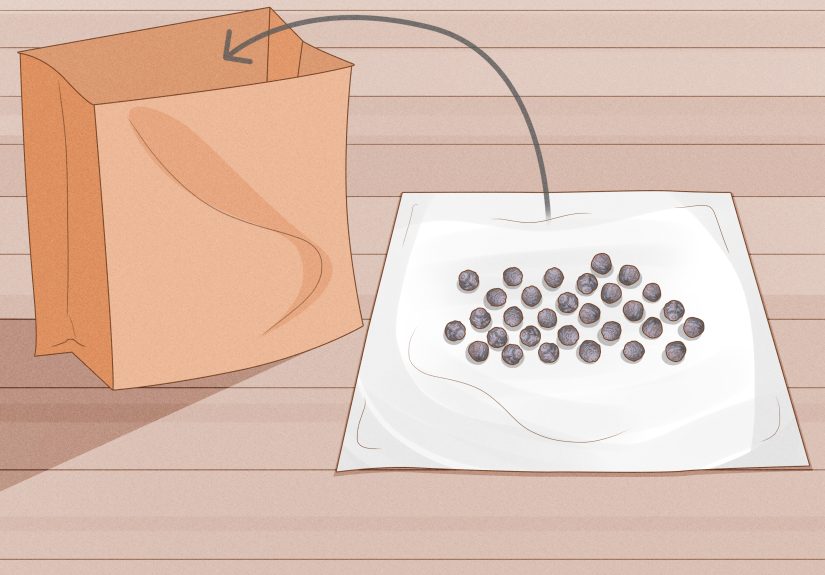
Four o’clocks make seed-saving easy. After flowering, you’ll notice dark “seeds” forming. Once they’re fully mature
and dry, collect them, store in a labeled envelope, and keep them cool and dry until next season.
One heads-up: seedlings may not look exactly like the parent plant, especially if you’re growing mixed colors.
That’s part of the charmlike opening a mystery box, but with flowers and fewer questionable life choices.
Design Ideas: Where Four O’Clocks Shine
Best places to plant for maximum enjoyment
- Patios and porches: so you catch the evening fragrance
- Walkways: blooms open when you’re likely outside again
- Cottage gardens: they look right at home with other old-fashioned favorites
- Pollinator gardens: evening blooms support moths; nectar also attracts hummingbirds
- Moon gardens: white varieties practically glow at dusk
Safety Notes: Kids, Pets, and Handling
Four o’clocks are beautifulbut they’re not snackable. All parts are considered poisonous if ingested, and seeds
and roots are especially worth keeping away from curious pets and kids. Some people may also experience skin
irritation from handling tubers. If you garden with pets, consider planting in a fenced area or using containers.
Conclusion: The Easiest “Evening Show” You Can Plant
If you want a fragrant, colorful, low-fuss flower that blooms when the day cools down, four o’clocks are a
slam-dunk. Give them sun, decent drainage, and a little water while they’re getting established. After that, they
tend to do what they do best: grow enthusiastically, bloom reliably, and make your garden smell like you’re doing
a lot more work than you actually are.
Keep an eye on self-seeding if you prefer a tidy garden, and dig and store tubers if you want to treat them like
a perennial in colder regions. Either way, you’ll get a dependable summer-to-fall performer that shows up right on
timeat around four o’clock.
Real-World Experiences Gardeners Often Have With Four O’Clocks (Plus What They Teach You)
Growing four o’clocks tends to come with a few classic “oh, so that’s how this plant behaves” moments. The first is
the daily timing surprise. You plant them like any other flower, water them like you’re auditioning for “Most
Responsible Gardener,” and then… nothing looks special at noon. But around late afternoon, the plant starts
unfurling blooms like it’s clocking in for a second shift. If you’re used to morning-glory energy, this can feel
backwards in the best way. A lot of gardeners end up checking them at 3:30 p.m. the way you check cookies through
the oven doorunreasonable optimism included.
Another common experience is the “color plot twist.” Many seed packets are mixes, and even single-color varieties
can surprise you if there’s cross-pollination in the neighborhood. One year you think you’re planting a tidy row of
hot pink, and next thing you know you’ve got white blooms, yellow blooms, and a few that look like they were
hand-painted by a tiny artist with a deadline. It’s not a flaw; it’s basically free entertainment. The practical
lesson: if you fall in love with a particular plant’s color, save seed from that one specifically and label itthen
accept that nature may still freelance.
Four o’clocks also teach the gentle art of “watering less than your instincts want.” Early on, they like steady
moisture, so it’s easy to get into an overwatering habit. Once established, though, they handle heat better than
many summer bloomers. Gardeners often notice that the plants look happiest when the soil dries a bit between deep
waterings. The moment you switch from frequent sips to occasional long drinks, they tend to grow sturdier and bloom
more consistently. If you’ve ever babied a plant into weakness (we’ve all been there), four o’clocks are a nice
reset: supportive, but not smothering.
Then there’s the volunteer seedling phenomenon. Many people wake up the following spring to find little four o’clock
seedlings popping up like they paid rent. This is either delightful (“I have free plants!”) or mildly alarming
(“Why are there forty-seven?”). The experienced-gardener move is simple: pull extras early, transplant a few to
places you actually want them, and mulch well if you’re aiming for fewer surprises. If you grow them in a wilder,
cottage-style bed, you may decide the volunteers are part of the charm. If you prefer neat lines, you’ll learn
quickly that “deadheading before seeds form” is not just a suggestionit’s a lifestyle.
Finally, many gardeners discover that four o’clocks are social plants. Put them near a patio and you’ll get
compliments not only on the flowers, but on the fragranceespecially during that calm early-evening window when the
air isn’t moving much. It’s common to associate them with specific summer routines: watering at dusk, grilling,
sitting outside after heat fades, or taking a post-dinner walk. In that sense, they’re more than a flower; they’re
a built-in reminder to enjoy the cooler part of the day. And if they occasionally flop over or self-seed with
enthusiasm, well… that’s just them being themselves. Every garden needs at least one plant with personality.